EditorialCreativeSportsCollectionsVideos
Prices
0Log in

Visual content for professionals.
800M+ images and videos.

Content Hub

  • Current Events
  • Pictures of the Year
  • Sports
  • Editorial
  • Creative
  • Collections
  • Videos

Offers

  • Prices & Packages
  • Promotions
  • Enterprise
  • Newsletter
  • Blog
  • The Game Magazine

Services

  • Content Research
  • Contract Photography
  • API & FTP Push
  • my-picturemaxx
  • Become a Partner

Company

  • About IMAGO
  • Careers
  • News

Help Center

  • FAQ
  • Contact Us
Legal NoticeTerms & ConditionsLicense InformationData PrivacyPrivacy Settings
© 2026 IMAGO
CEPICBAPLABVPA
Back to collections

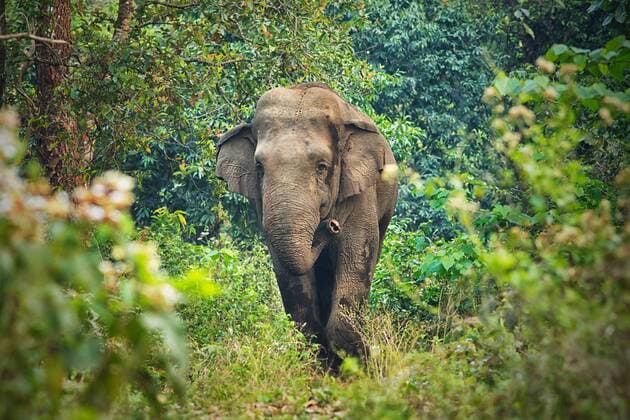
More and more elephants in Mozambique are born without tusks due to genetic defect - archive pictures

Oct 22, 2021

The following photos have been selected for you by the IMAGO picture desk on this topic. For more pictures please use the search function.
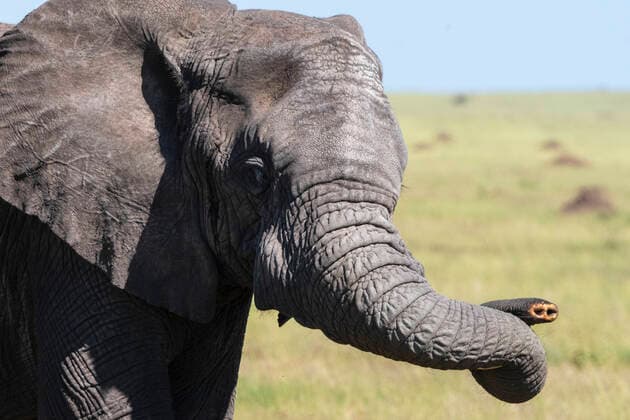
  • An African elephant, Loxodonta africana, without tusk. Seronera, Serengeti National Park, Tanzania Seronera, Serengeti National Park. Tanzania Copyright: xSergioxPitamitzx SSH-RM-TZ1902130166
  • Asiatischer Elefant (Elephas maximus) Bulle ohne Stoßzähne im Regenwald, Westbengalen, Indien *** Elephas maximus bull elephant without tusks in rainforest West Bengal India Copyright: xAvijanxSahax BIA114381
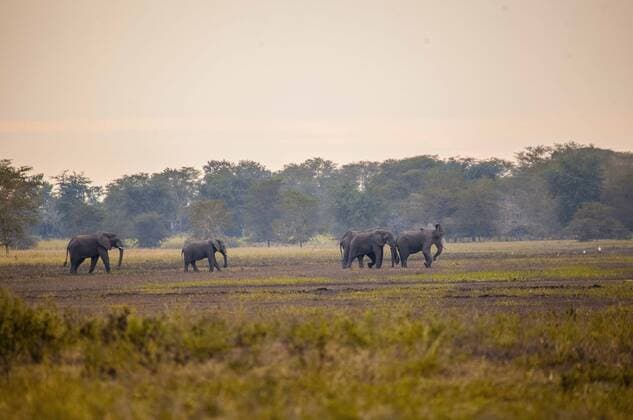
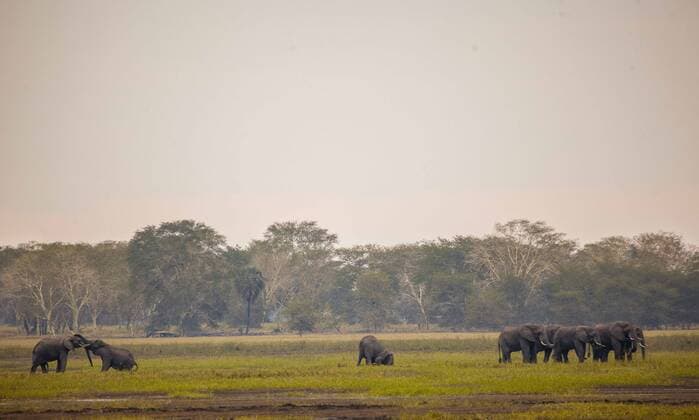
  • (150423) -- MAPUTO, April 23, 2015 -- Photo taken on April 21, 2015 shows African elephants in the Gorongosa National Park, central Mozambique. The Gorongosa National Park is one of Mozambique s largest and well-known national park, with an area of over 4,000 square km of valley floor and parts of surrounding plateaus. The unique geographic features of Gorongosa at one time supported some of the densest wildlife populations in all of Africa, but large mammal numbers were reduced by as much as 95 percent and ecosystems stressed during Mozambique s long civil conflict at the end of the 20th century. The country has also been criticized by WWF and other environmental organisations as not taking severe measures against poaching, under which circumstance, the parliament passed a new law in April 2014 in order to crack down on poaching. ) MOZAMBIQUE-GORONGOSA NATIONAL PARK MauroxVombe
  • (150423) -- MAPUTO, April 23, 2015 -- Photo taken on April 21, 2015 shows African elephants in the Gorongosa National Park, central Mozambique. The Gorongosa National Park is one of Mozambique s largest and well-known national park, with an area of over 4,000 square km of valley floor and parts of surrounding plateaus. The unique geographic features of Gorongosa at one time supported some of the densest wildlife populations in all of Africa, but large mammal numbers were reduced by as much as 95 percent and ecosystems stressed during Mozambique s long civil conflict at the end of the 20th century. The country has also been criticized by WWF and other environmental organisations as not taking severe measures against poaching, under which circumstance, the parliament passed a new law in April 2014 in order to crack down on poaching. ) MOZAMBIQUE-GORONGOSA NATIONAL PARK MauroxVombe
  •  Afrikanischer Elefant (Loxodonta africana), imitierter Angriff subadulten Tieres ohne Stoßzähne, Krüger-Nationalpark, Südafrika ibltdr03790706.jpg