EditorialCreativeSportsCollectionsVideos
Prices
0Log in

Visual content for professionals.
800M+ images and videos.

Content Hub

  • Current Events
  • Pictures of the Year
  • Sports
  • Editorial
  • Creative
  • Collections
  • Videos

Offers

  • Prices & Packages
  • Promotions
  • Enterprise
  • Newsletter
  • Blog
  • The Game Magazine

Services

  • Content Research
  • Contract Photography
  • API & FTP Push
  • my-picturemaxx
  • Become a Partner

Company

  • About IMAGO
  • Careers
  • News

Help Center

  • FAQ
  • Contact Us
Legal NoticeTerms & ConditionsLicense InformationData PrivacyPrivacy Settings
© 2026 IMAGO
CEPICBAPLABVPA
Back to collections

Wang Shu architecture

Jan 25, 2022

The following photos have been selected for you by the IMAGO picture desk on this topic. For more pictures please use the search function.
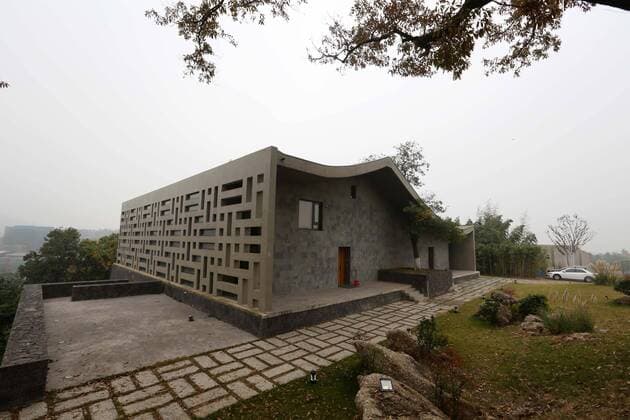
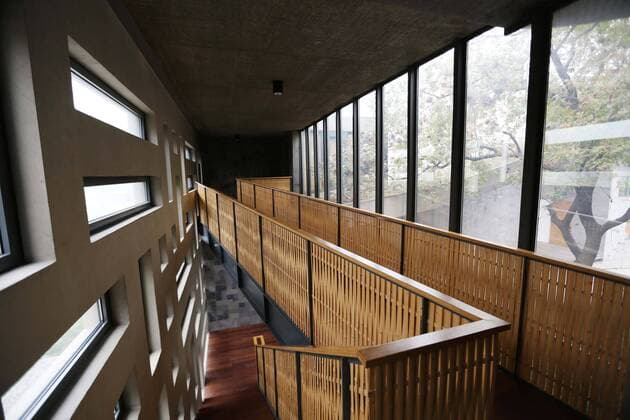
  • Architektur von Wang Shu NANJING, CHINA - NOVEMBER 02: (CHINA OUT) Photo shows SAN-HE RESIDENCE building designed by Chinese architect Wang Shu at the Foshou Lake on November 2, 2013 in Nanjing, Jiangsu Province of China. The CIPEA project (China International Practical Exhibition of Architecture), containing 24 buildings designed by 24 world outstanding architects, will be open to the public in July 2014.  CFP445682479
  • Architektur von Wang Shu NANJING, CHINA - NOVEMBER 02: (CHINA OUT) Photo shows SAN-HE RESIDENCE building designed by Chinese architect Wang Shu at the Foshou Lake on November 2, 2013 in Nanjing, Jiangsu Province of China. The CIPEA project (China International Practical Exhibition of Architecture), containing 24 buildings designed by 24 world outstanding architects, will be open to the public in July 2014.  CFP445682460
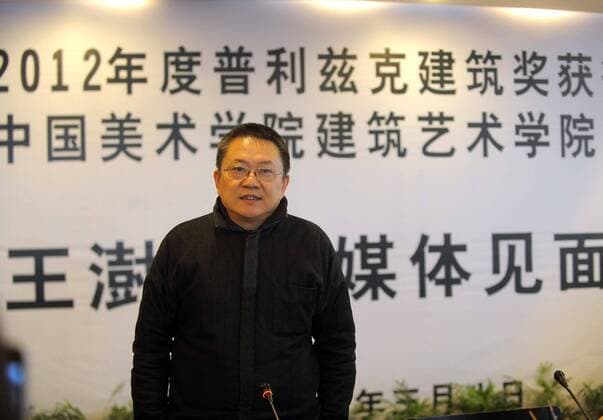
  • Architektur von Wang Shu (120308) -- HANGZHOU, March 8, 2012 (Xinhua) -- Chinese architect Wang Shu attends a press conference in Hangzhou, capital of east China s Zhejiang Province, March 8, 2012. Chinese architect Wang Shu has won the 2012 Pritzker Architecture Prize, according to an announcement on Feb. 27 this year by Thomas J. Pritzker, chairman of the Hyatt Foundation, which sponsors the prize. The 49-year-old Wang was the first architect from the Chinese mainland to win the prize. All of Wang s works were built in China, including the Library of Wenzheng College at Suzhou University and Five Scattered Houses in east China s Zhejiang province. Wang graduated from the Architecture Department at the Nanjing Institute of Technology. In 2000, he became the department chairman of the architecture art of the China Academy of Art. His works Decay of Dome in 2010 earned him a special honor awar
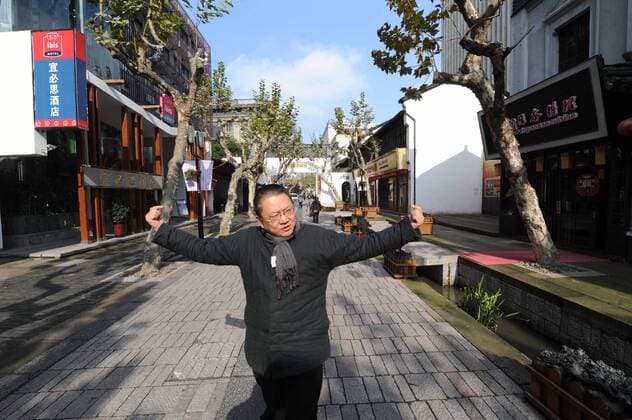
  • Architektur von Wang Shu (120229) -- BEIJING, Feb. 29, 2012 (Xinhua) -- Wang Shu introduces his designing theories at the Southern Song Imperial Street, which reserves the characteristics of the Southern Song Dynasty (1127-1279), in Hangzhou, capital of east China s Zhejiang Province, Dec. 9, 2011. Chinese architect Wang Shu has won the 2012 Pritzker Architecture Prize, according to a Monday announcement by Thomas J. Pritzker, chairman of the Hyatt Foundation, which sponsors the prize. The 49-year-old Wang was the first architect from the Chinese mainland to win the prize, joining Leoh Ming Pei, a famous Chinese-American architect who won the prize in 1983. The question of the proper relation of present to past is particularly timely, for the recent process of urbanization in China invites debate as to whether architecture should be anchored in tradition or should look only towards the future, said Lor
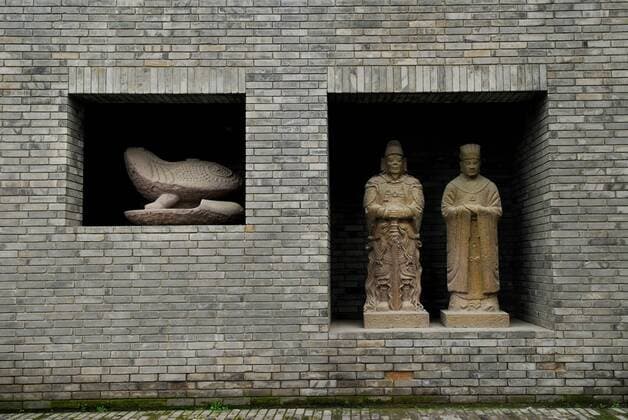
  • Architektur von Wang Shu (120229) -- BEIJING, Feb. 29, 2012 (Xinhua) -- The photo taken on Feb. 29, 2012 shows partial view of the Ningbo Museum designed by Wang Shu in Ningbo, east China s Zhejiang Province. Chinese architect Wang Shu has won the 2012 Pritzker Architecture Prize, according to a Monday announcement by Thomas J. Pritzker, chairman of the Hyatt Foundation, which sponsors the prize. The 49-year-old Wang was the first architect from the Chinese mainland to win the prize, joining Leoh Ming Pei, a famous Chinese-American architect who won the prize in 1983. The question of the proper relation of present to past is particularly timely, for the recent process of urbanization in China invites debate as to whether architecture should be anchored in tradition or should look only towards the future, said Lord Palumbo, a Pritzker Prize jury chairman, in a statement. As with any great architect
Page 2 of 2