EditorialCreativeSportsCollectionsVideos
Prices
0Log in

Visual content for professionals.
800M+ images and videos.

Content Hub

  • Current Events
  • Pictures of the Year
  • Sports
  • Editorial
  • Creative
  • Collections
  • Videos

Offers

  • Prices & Packages
  • Promotions
  • Enterprise
  • Newsletter
  • Blog
  • The Game Magazine

Services

  • Content Research
  • Contract Photography
  • API & FTP Push
  • my-picturemaxx
  • Become a Partner

Company

  • About IMAGO
  • Careers
  • News

Help Center

  • FAQ
  • Contact Us
Legal NoticeTerms & ConditionsLicense InformationData PrivacyPrivacy Settings
© 2026 IMAGO
CEPICBAPLABVPA
  1. Mexico, axolotl reintroduction

Mexico, axolotl reintroduction

Feb 16, 2022

The following photos have been selected for you by the IMAGO picture desk on this topic. For more pictures please use the search function.

Images in this collection

  • Mexiko, Auswilderung von Axolotl Release Of Ajolotes In Xochimilco, Mexico City From left to right, Mayor of Milpa Alta, Judith Vanegas; Tlahuac, Berenice Hernandez, and Iztapalapa, Clara Brugada; during the release of salamanders at the Centro Ecoturistico Chinampero Michmani Xochimilco, Mexico City. The Mexican axolotl or ajolote, Ambystoma mexicanum, is a salamander with the unusual characteristic of retaining its larval features as an adult. This condition, known as neoteny, means that it retains its tadpole-like dorsal fin - which runs almost the entire length of its body - and its external gills, which protrude from the back of its broad, feathery head. Mexico City Mexico City Mexico  Copyright: xGerardoxVieyrax originalFilename: vieyra-notitle220216_npj2P.jpg

    Mexiko, Auswilderung von Axolotl Release Of Ajolotes In Xochimilco, Mexico City From left to right, Mayor of Milpa Alta, Judith Vanegas; Tlahuac, Berenice Hernandez, and Iztapalapa, Clara Brugada; during the release of salamanders at the Centro Ecoturistico Chinampero Michmani Xochimilco, Mexico City. The Mexican axolotl or ajolote, Ambystoma mexicanum, is a salamander with the unusual characteristic of retaining its larval features as an adult. This condition, known as neoteny, means that it retains its tadpole-like dorsal fin - which runs almost the entire length of its body - and its external gills, which protrude from the back of its broad, feathery head. Mexico City Mexico City Mexico Copyright: xGerardoxVieyrax originalFilename: vieyra-notitle220216_npj2P.jpg

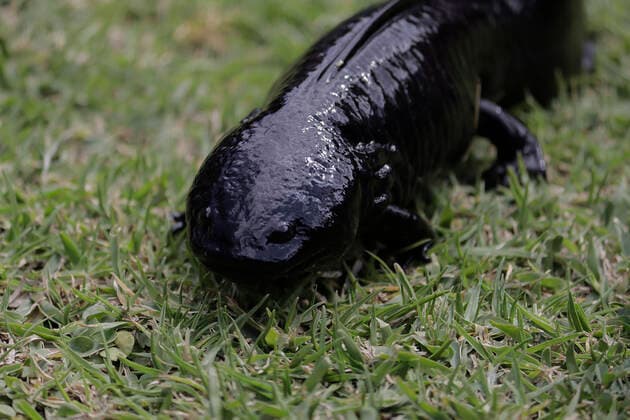
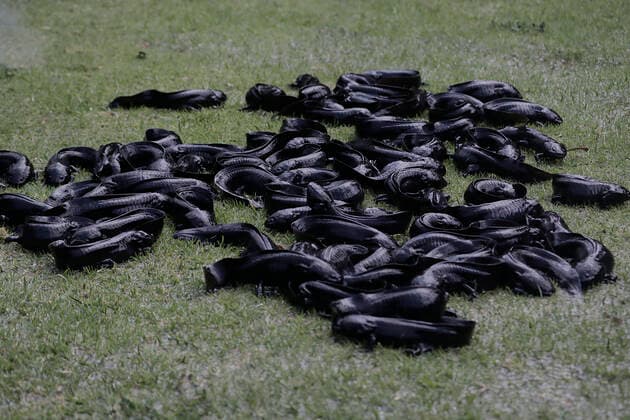
  • Mexiko, Auswilderung von Axolotl Release Of Ajolotes In Xochimilco, Mexico City A salamander release at the Centro Ecoturistico Chinampero Michmani located on a chinampa in Xochimilco, Mexico City. The Mexican axolotl or ajolote, Ambystoma mexicanum, is a salamander with the unusual characteristic of retaining its larval features as an adult. This condition, known as neoteny, means that it retains its tadpole-like dorsal fin - which runs almost the entire length of its body - and its external gills, which protrude from the back of its broad, feathery head. Mexico City Mexico City Mexico  Copyright: xGerardoxVieyrax originalFilename: vieyra-notitle220216_npR1h.jpg

    Mexiko, Auswilderung von Axolotl Release Of Ajolotes In Xochimilco, Mexico City A salamander release at the Centro Ecoturistico Chinampero Michmani located on a chinampa in Xochimilco, Mexico City. The Mexican axolotl or ajolote, Ambystoma mexicanum, is a salamander with the unusual characteristic of retaining its larval features as an adult. This condition, known as neoteny, means that it retains its tadpole-like dorsal fin - which runs almost the entire length of its body - and its external gills, which protrude from the back of its broad, feathery head. Mexico City Mexico City Mexico Copyright: xGerardoxVieyrax originalFilename: vieyra-notitle220216_npR1h.jpg

  • Mexiko, Auswilderung von Axolotl Release Of Ajolotes In Xochimilco, Mexico City A salamander release at the Centro Ecoturistico Chinampero Michmani located on a chinampa in Xochimilco, Mexico City. The Mexican axolotl or ajolote, Ambystoma mexicanum, is a salamander with the unusual characteristic of retaining its larval features as an adult. This condition, known as neoteny, means that it retains its tadpole-like dorsal fin - which runs almost the entire length of its body - and its external gills, which protrude from the back of its broad, feathery head. Mexico City Mexico City Mexico  Copyright: xGerardoxVieyrax originalFilename: vieyra-notitle220216_npk4u.jpg

    Mexiko, Auswilderung von Axolotl Release Of Ajolotes In Xochimilco, Mexico City A salamander release at the Centro Ecoturistico Chinampero Michmani located on a chinampa in Xochimilco, Mexico City. The Mexican axolotl or ajolote, Ambystoma mexicanum, is a salamander with the unusual characteristic of retaining its larval features as an adult. This condition, known as neoteny, means that it retains its tadpole-like dorsal fin - which runs almost the entire length of its body - and its external gills, which protrude from the back of its broad, feathery head. Mexico City Mexico City Mexico Copyright: xGerardoxVieyrax originalFilename: vieyra-notitle220216_npk4u.jpg

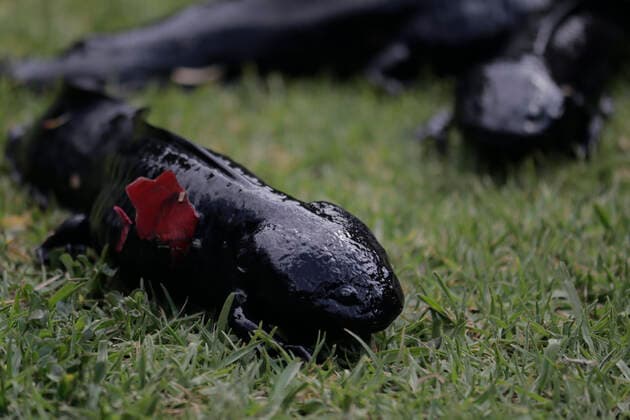
  • Mexiko, Auswilderung von Axolotl Release Of Ajolotes In Xochimilco, Mexico City A salamander release at the Centro Ecoturistico Chinampero Michmani located on a chinampa in Xochimilco, Mexico City. The Mexican axolotl or ajolote, Ambystoma mexicanum, is a salamander with the unusual characteristic of retaining its larval features as an adult. This condition, known as neoteny, means that it retains its tadpole-like dorsal fin - which runs almost the entire length of its body - and its external gills, which protrude from the back of its broad, feathery head. Mexico City Mexico City Mexico  Copyright: xGerardoxVieyrax originalFilename: vieyra-notitle220216_npimj.jpg

    Mexiko, Auswilderung von Axolotl Release Of Ajolotes In Xochimilco, Mexico City A salamander release at the Centro Ecoturistico Chinampero Michmani located on a chinampa in Xochimilco, Mexico City. The Mexican axolotl or ajolote, Ambystoma mexicanum, is a salamander with the unusual characteristic of retaining its larval features as an adult. This condition, known as neoteny, means that it retains its tadpole-like dorsal fin - which runs almost the entire length of its body - and its external gills, which protrude from the back of its broad, feathery head. Mexico City Mexico City Mexico Copyright: xGerardoxVieyrax originalFilename: vieyra-notitle220216_npimj.jpg

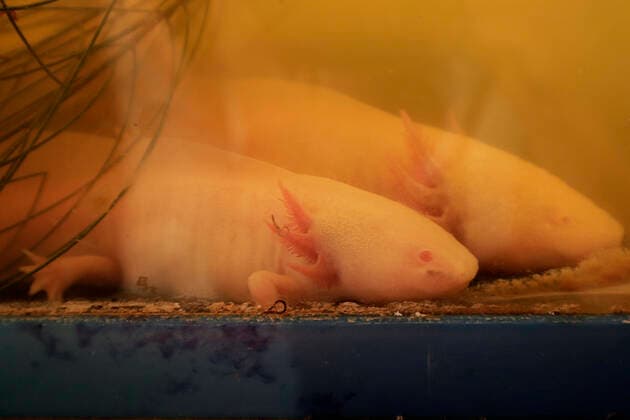
  • Mexiko, Auswilderung von Axolotl Release Of Ajolotes In Xochimilco, Mexico City View of salamanders inside a fish tank at the Centro Ecoturistico Chinampero Michmani in Xochimilco, Mexico City. The Mexican axolotl or ajolote, Ambystoma mexicanum, is a salamander with the unusual characteristic of retaining its larval features as an adult. This condition, known as neoteny, means that it retains its tadpole-like dorsal fin - which runs almost the entire length of its body - and its external gills, which protrude from the back of its broad, feathery head. Mexico City Mexico City Mexico  Copyright: xGerardoxVieyrax originalFilename: vieyra-notitle220216_npknL.jpg

    Mexiko, Auswilderung von Axolotl Release Of Ajolotes In Xochimilco, Mexico City View of salamanders inside a fish tank at the Centro Ecoturistico Chinampero Michmani in Xochimilco, Mexico City. The Mexican axolotl or ajolote, Ambystoma mexicanum, is a salamander with the unusual characteristic of retaining its larval features as an adult. This condition, known as neoteny, means that it retains its tadpole-like dorsal fin - which runs almost the entire length of its body - and its external gills, which protrude from the back of its broad, feathery head. Mexico City Mexico City Mexico Copyright: xGerardoxVieyrax originalFilename: vieyra-notitle220216_npknL.jpg

  • Mexiko, Auswilderung von Axolotl Release Of Ajolotes In Xochimilco, Mexico City A salamander release at the Centro Ecoturistico Chinampero Michmani located on a chinampa in Xochimilco, Mexico City. The Mexican axolotl or ajolote, Ambystoma mexicanum, is a salamander with the unusual characteristic of retaining its larval features as an adult. This condition, known as neoteny, means that it retains its tadpole-like dorsal fin - which runs almost the entire length of its body - and its external gills, which protrude from the back of its broad, feathery head. Mexico City Mexico City Mexico  Copyright: xGerardoxVieyrax originalFilename: vieyra-notitle220216_npJYW.jpg

    Mexiko, Auswilderung von Axolotl Release Of Ajolotes In Xochimilco, Mexico City A salamander release at the Centro Ecoturistico Chinampero Michmani located on a chinampa in Xochimilco, Mexico City. The Mexican axolotl or ajolote, Ambystoma mexicanum, is a salamander with the unusual characteristic of retaining its larval features as an adult. This condition, known as neoteny, means that it retains its tadpole-like dorsal fin - which runs almost the entire length of its body - and its external gills, which protrude from the back of its broad, feathery head. Mexico City Mexico City Mexico Copyright: xGerardoxVieyrax originalFilename: vieyra-notitle220216_npJYW.jpg

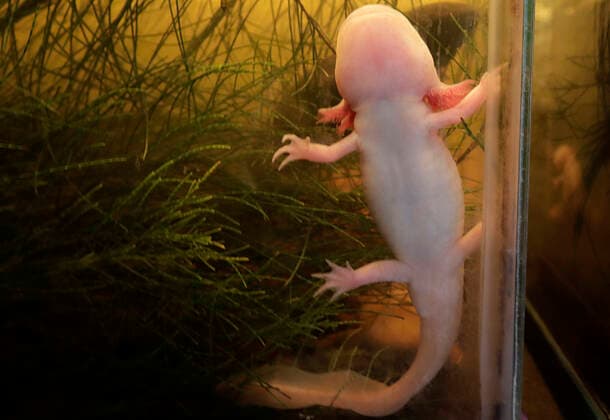
  • Mexiko, Auswilderung von Axolotl Release Of Ajolotes In Xochimilco, Mexico City View of salamanders inside a fish tank at the Centro Ecoturistico Chinampero Michmani in Xochimilco, Mexico City. The Mexican axolotl or ajolote, Ambystoma mexicanum, is a salamander with the unusual characteristic of retaining its larval features as an adult. This condition, known as neoteny, means that it retains its tadpole-like dorsal fin - which runs almost the entire length of its body - and its external gills, which protrude from the back of its broad, feathery head. Mexico City Mexico City Mexico  Copyright: xGerardoxVieyrax originalFilename: vieyra-notitle220216_nphxe.jpg

    Mexiko, Auswilderung von Axolotl Release Of Ajolotes In Xochimilco, Mexico City View of salamanders inside a fish tank at the Centro Ecoturistico Chinampero Michmani in Xochimilco, Mexico City. The Mexican axolotl or ajolote, Ambystoma mexicanum, is a salamander with the unusual characteristic of retaining its larval features as an adult. This condition, known as neoteny, means that it retains its tadpole-like dorsal fin - which runs almost the entire length of its body - and its external gills, which protrude from the back of its broad, feathery head. Mexico City Mexico City Mexico Copyright: xGerardoxVieyrax originalFilename: vieyra-notitle220216_nphxe.jpg

Collections