EditorialCreativeSportsCollectionsVideos
Prices
0Log in

Visual content for professionals.
800M+ images and videos.

Content Hub

  • Current Events
  • Pictures of the Year
  • Sports
  • Editorial
  • Creative
  • Collections
  • Videos

Offers

  • Prices & Packages
  • Promotions
  • Enterprise
  • Newsletter
  • Blog
  • The Game Magazine

Services

  • Content Research
  • Contract Photography
  • API & FTP Push
  • my-picturemaxx
  • Become a Partner

Company

  • About IMAGO
  • Careers
  • News

Help Center

  • FAQ
  • Contact Us
Legal NoticeTerms & ConditionsLicense InformationData PrivacyPrivacy Settings
© 2026 IMAGO
CEPICBAPLABVPA
Back to collections

IMAGO Nature: Our Earth, environmental problems, plastic waste

Jun 27, 2022

The following photos have been selected for you by the IMAGO picture desk on this topic. For more pictures please use the search function.
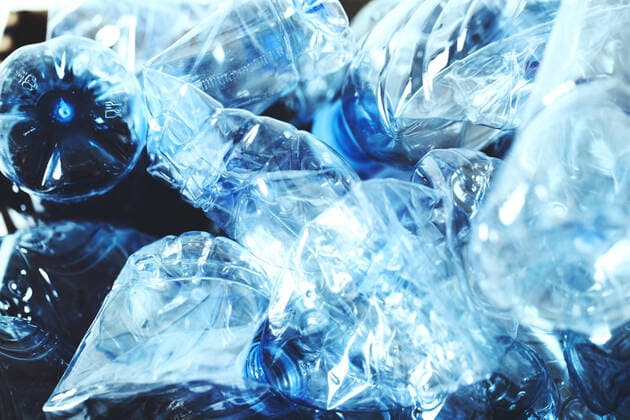
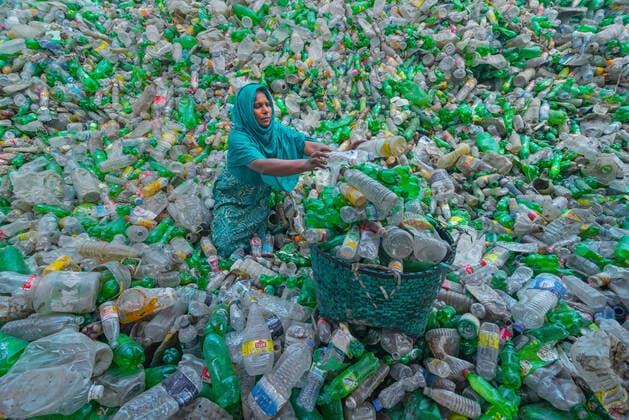
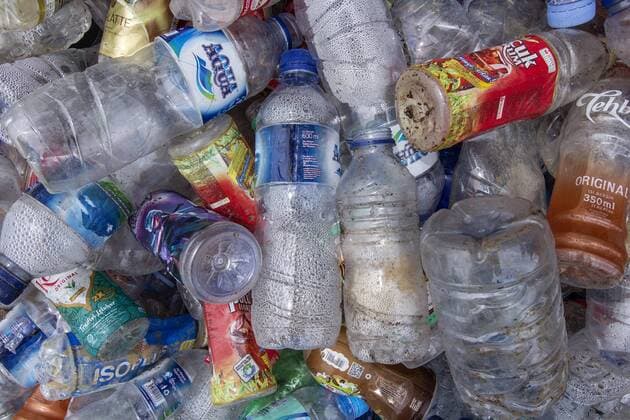
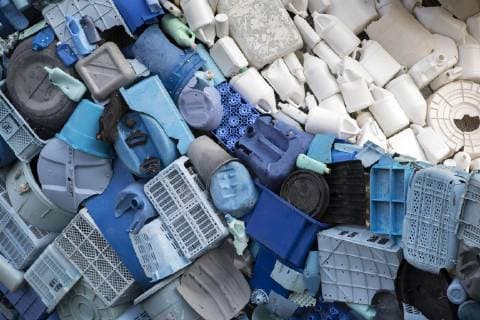
  • IMAGO Nature: Unsere Erde, Umweltverträgliche Herausforderungen, Plastikmüll Recycle. Used bottles of water , 16092336.jpg, plastic, bottle, water, recycling, waste, trash, container, garbage, recycle, transparent, used, blue, pollution, rubbish, ecology, eco, drink, liquid, background, white, recycled, environmental, environment, reuse, product, junk, dump, global, warming, industry, ecologic, cap, nobody, close-up, texture, details, empty,
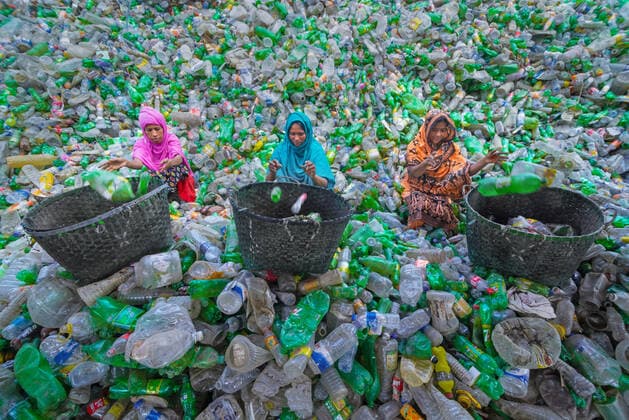
  • April 4, 2022, Noakhali, Chittagong, Bangladesh: A worker is sorting used plastic bottles in a recycling factory in Noakhali, Bangladesh. Plastic bottles used to package water take over 1,000 years to biodegrade and, if incinerated, produce toxic fumes. Floating plastic waste, which can survive for thousands of years in water, serves as mini transportation devices for invasive species, disrupting habitats. Plastic buried deep in landfills can leach harmful chemicals that spread into groundwater. So, Recycling of plastics is the best way to make the environment safe. Recycling reduces the pollution that can come from the chemicals used to make these bottles. It also helps cut down on the amount of trash thrown into landfills so our garbage d - ZUMAs231 20220404_zip_s231_009 Copyright: xJoyxSahax
  • April 4, 2022, Noakhali, Chittagong, Bangladesh: Workers are sorting used plastic bottles in a recycling factory in Noakhali, Bangladesh. Plastic bottles used to package water take over 1,000 years to biodegrade and, if incinerated, produce toxic fumes. Floating plastic waste, which can survive for thousands of years in water, serves as mini transportation devices for invasive species, disrupting habitats. Plastic buried deep in landfills can leach harmful chemicals that spread into groundwater. So, Recycling of plastics is the best way to make the environment safe. Recycling reduces the pollution that can come from the chemicals used to make these bottles. It also helps cut down on the amount of trash thrown into landfills so our garbage d - ZUMAs231 20220404_zip_s231_004 Copyright: xJoyxSahax
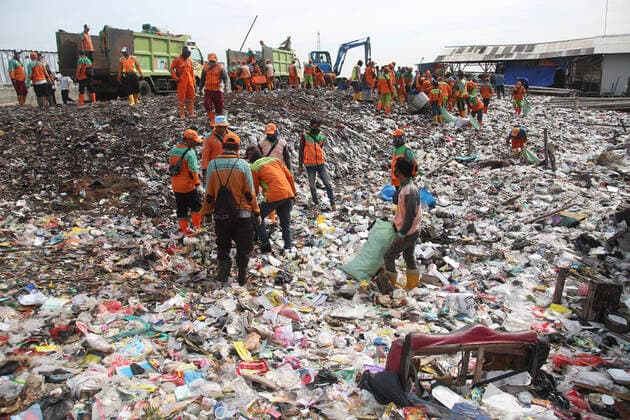
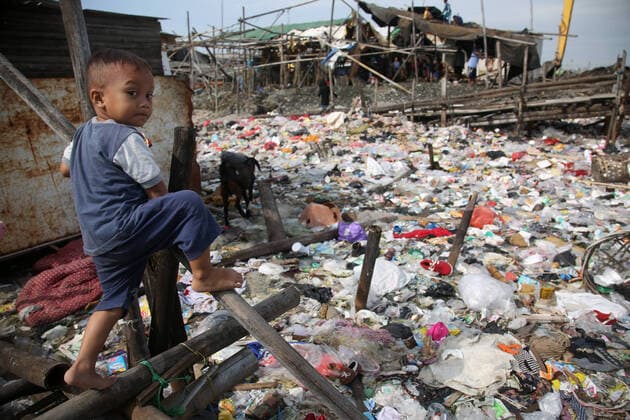
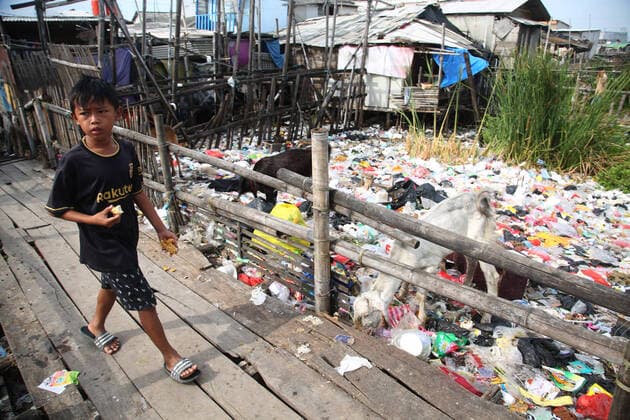
  • IMAGO Nature: Unsere Erde, Umweltverträgliche Herausforderungen, Plastikmüll Indonesia: Fisherman s Village Surrounded by Piles of Garbage Hundreds of houses located in densely populated areas in the Kalibaru area, Cilincing, North Jakarta, Indonesia are surrounded by piles of garbage. The pile of garbage is dominated by household waste, the majority of which are plastic waste, which covers the surface of the sea water and looks like a sea of garbage and pollutes the environment in the area. This is exacerbated by the number of residents who still throw garbage around the location. Jakarta Jakarta Capital Special Region Indonesia Copyright: KuncoroxWidyoxRumpoko
  • IMAGO Nature: Unsere Erde, Umweltverträgliche Herausforderungen, Plastikmüll Indonesia: Fisherman s Village Surrounded by Piles of Garbage Hundreds of houses located in densely populated areas in the Kalibaru area, Cilincing, North Jakarta, Indonesia are surrounded by piles of garbage. The pile of garbage is dominated by household waste, the majority of which are plastic waste, which covers the surface of the sea water and looks like a sea of garbage and pollutes the environment in the area. This is exacerbated by the number of residents who still throw garbage around the location. Jakarta Jakarta Capital Special Region Indonesia Copyright: KuncoroxWidyoxRumpoko
  • IMAGO Nature: Unsere Erde, Umweltverträgliche Herausforderungen, Plastikmüll Indonesia: Fisherman s Village Surrounded by Piles of Garbage Hundreds of houses located in densely populated areas in the Kalibaru area, Cilincing, North Jakarta, Indonesia are surrounded by piles of garbage. The pile of garbage is dominated by household waste, the majority of which are plastic waste, which covers the surface of the sea water and looks like a sea of garbage and pollutes the environment in the area. This is exacerbated by the number of residents who still throw garbage around the location. Jakarta Jakarta Capital Special Region Indonesia Copyright: KuncoroxWidyoxRumpoko
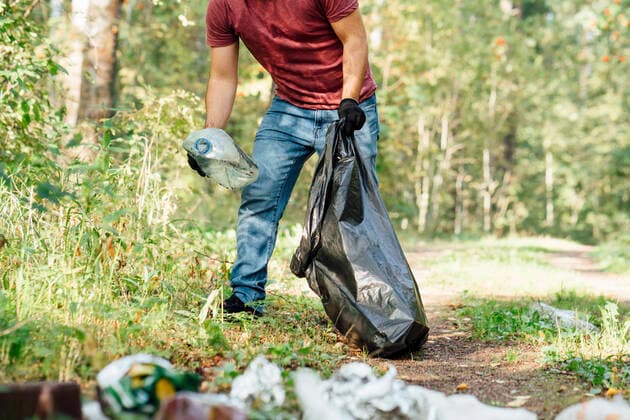
  • IMAGO Nature: Unsere Erde, Umweltverträgliche Herausforderungen, Plastikmüll Mid adult male environmentalist putting plastic bottle in garbage bag model released, VPIF05096
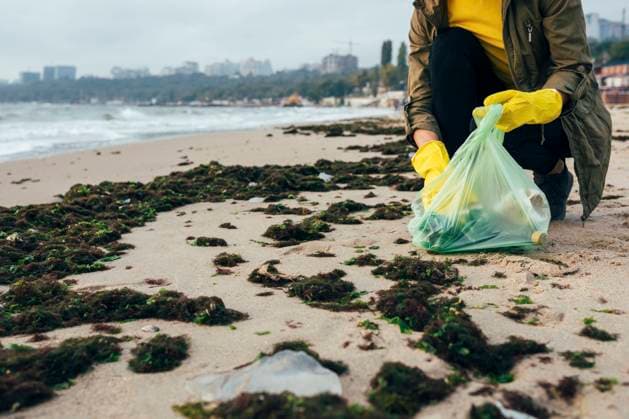
  • IMAGO Nature: Unsere Erde, Umweltverträgliche Herausforderungen, Plastikmüll Environmentalist collecting garbage in garbage bag while crouching at beach model released Symbolfoto OYF00247
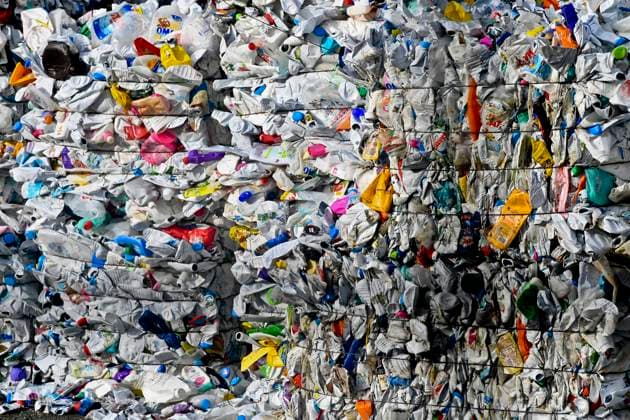
  • IMAGO Nature: Unsere Erde, Umweltverträgliche Herausforderungen, Plastikmüll Waste recycling Waste in a waste-processing plant, industrial estate of Inquetrie in Saint-Martin-Boulogne (northern France). Compressed bales of plastic waste Hauts-de-France; North Straits of Dover; Straits of Dover; Boulogne-sur-Mer Europe; Western Europe; France  Copyright: xJarryxS Andia.frx 381566
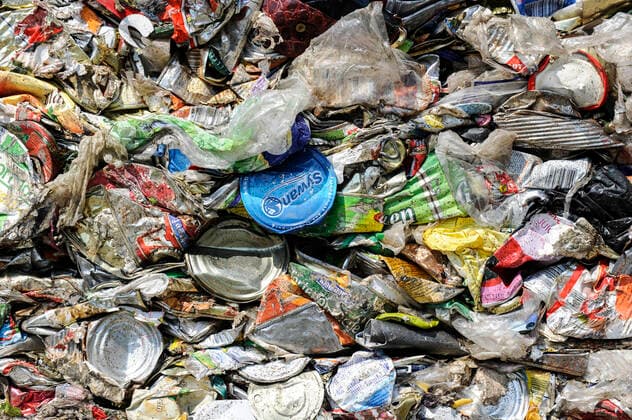
  • IMAGO Nature: Unsere Erde, Umweltverträgliche Herausforderungen, Plastikmüll Germany, recycling company GERMANY, Hamburg, plastic waste *** DEUTSCHLAND, Hamburg, Haufen Verpackungsmuell Getränkedose, Plastik, Folien, Plastikbecher auf dem Hof der Recycling Firma TCMG Hamburg Hamburg Germany
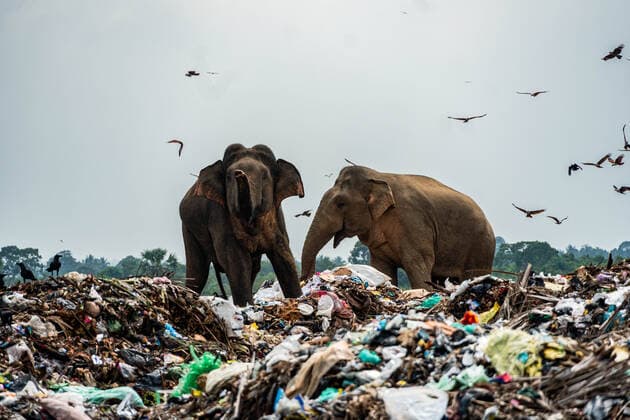
  • **MANDATORY CREDIT: Tharmaplan Tilaxan Cover Images** These harrowing images of elephants foraging for food on a Sri Lankan garbage facility were captured by Tharmaplan Tilaxan, a Jaffna-based photographer. Elephants normally travel over 30 km per day and seed up to 3500 new trees a day. For the Oluvhil Palakadhu elephants many things have changed and their changed behavior will change our landscape. Tharmapalan Tilaxan has observed this open garbage dump amidst the jungles of the Eastern Province for many months and documented the hazards this poses to the local elephant population. He explains the scenes in his own words: In the eastern province, a herd of wild elephants have picked up a peculiar and sad habit: Since of late, th Copyright: xx 40905408 EDITORIAL USE ONLY. NOT FOR USE BY NEWSPAPERS BASED IN THE UK.
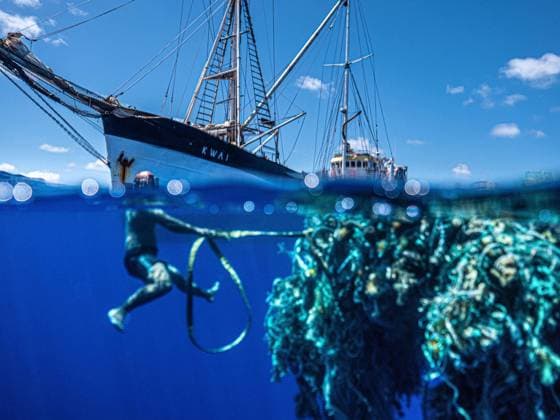
  • IMAGO Nature: Unsere Erde, Umweltverträgliche Herausforderungen, Plastikmüll May 22, 2020, North Pacific Subtropical Convergence Zone, Pacific Ocean: Crew members remove fishing nets and trash from the ocean. s marine plastic recovery vessel, S V KWAI, after a 48-day expedition, successfully removing 103 tons (206,000 lbs.) of fishing nets and consumer plastics from the North Pacific Subtropical Convergence Zone, more commonly known as the Great Pacific Garbage Patch or Gyre. has set a new record with the largest at sea clean-up in the Gyre ever done, and more than doubled its own record-setting results from last year. The Great Pacific Garbage Patch is a collection of marine debris in the North Pacific Ocean. Also known as the Pacific trash vortex, the garbage patch is actually two distinct collections of debri - ZUMAz03_ 20200522_zah_z03_564 Copyright: xOceanxVoyagesxInstitutex
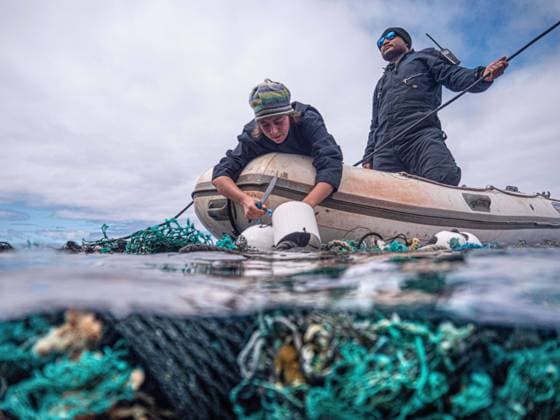
  • IMAGO Nature: Unsere Erde, Umweltverträgliche Herausforderungen, Plastikmüll May 22, 2020, North Pacific Subtropical Convergence Zone, Pacific Ocean: Crew members in a zodiac prepare to remove fishing nets and trash from the ocean. s marine plastic recovery vessel, S V KWAI, after a 48-day expedition, successfully removing 103 tons (206,000 lbs.) of fishing nets and consumer plastics from the North Pacific Subtropical Convergence Zone, more commonly known as the Great Pacific Garbage Patch or Gyre. has set a new record with the largest at sea clean-up in the Gyre ever done, and more than doubled its own record-setting results from last year. The Great Pacific Garbage Patch is a collection of marine debris in the North Pacific Ocean. Also known as the Pacific trash vortex, the garbage patch is actually two distin - ZUMAz03_ 20200522_zah_z03_556 Copyright: xOceanxVoyagesxInstitutex
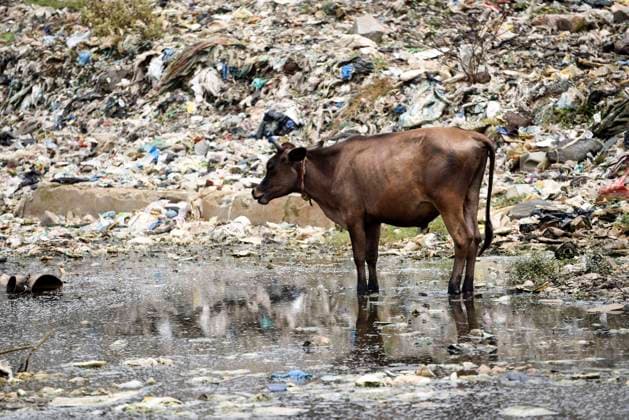
  • IMAGO Nature: Unsere Erde, Umweltverträgliche Herausforderungen, Plastikmüll June 5, 2020, Guwahati, Assam, India: A cow standing on one of the largest disposal site in northeast India, as seen on World Environment Day, during the ongoing COVID-19 lockdown, in Guwahati. Guwahati India - ZUMAt232 20200605_zip_t232_008 Copyright: xDavidxTalukdarx
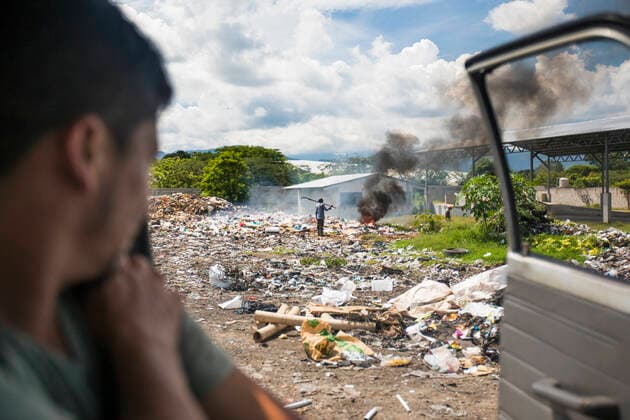
  • IMAGO Nature: Unsere Erde, Umweltverträgliche Herausforderungen, Plastikmüll View from vehicle of worker at dump burning garbage. Monjas, Jalapa Department, Guatemala ,model released, Symbolfoto CR_JDIP200326A-316121-01
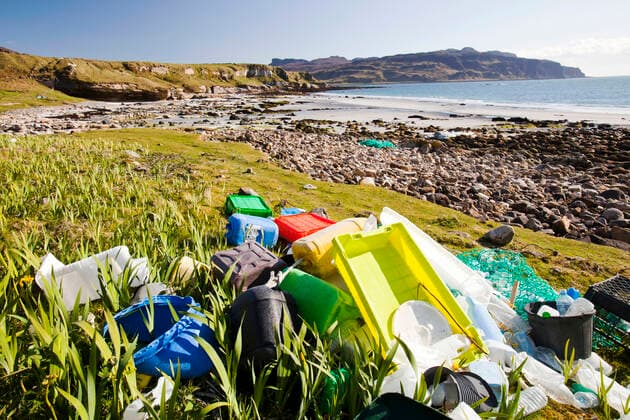
  • IMAGO Nature: Unsere Erde, Umweltverträgliche Herausforderungen, Plastikmüll Plastic rubbish washed up at the singing sands on the west coast of the Isle of Eigg, Scotland, UK. Glenbrittle, Scotland, United Kingdom CR_OQMH191212B-262533-01
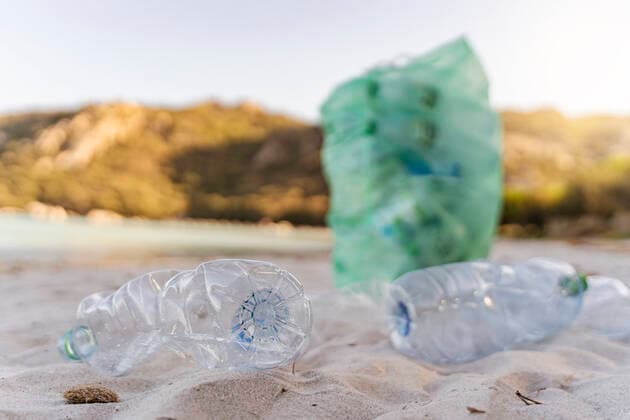
  • IMAGO Nature: Unsere Erde, Umweltverträgliche Herausforderungen des 21. Jahrhunderts, Plastik Empty plastic bottles and garbage bin full of collected plastic bottles on the beach  DIGF08820
  • IMAGO Nature: Unsere Erde, Umweltverträgliche Herausforderungen, Plastikmüll August 1, 2019 - Lhokseumawe, Aceh, Indonesia - Stacks of used plastic bottles collected by scavengers in a garbage dump site in Lhokseumawe, Aceh province, Indonesia on August 1, 2019. Indonesia will produce around 66-67 million tons of waste by 2019. This number is higher than the previous year s total waste of only 64 million tons. Based on data from The World Bank in 2018, 87 cities on the coast of Indonesia contribute around 1, 27 million tons of waste to the sea, with a composition of plastic waste reaching 9 million tons and an estimated 3.2 million tons are plastic straws. Lhokseumawe Indonesia - ZUMAm250 20190801_sha_m250_450 Copyright: xZikrixMaulanax
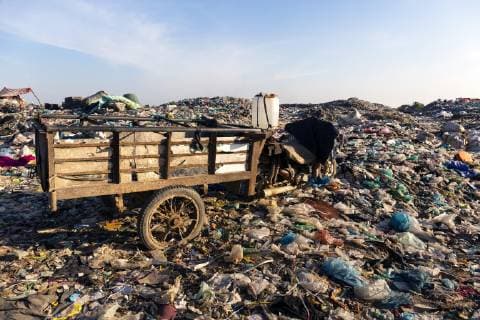
  • IMAGO Nature: Unsere Erde, Umweltverträgliche Herausforderungen, Plastikmüll Müllhalde, Müllberg mit Abfall und Plastikmüll, Choeung Ek, Phnom Penh, Kambodscha, Asien *** Garbage dump Garbage mountain with waste and plastic waste Choeung Ek Phnom Penh Cambodia Asia Copyright: imageBROKER/FotoxBeck ibxsbe04879651.jpg
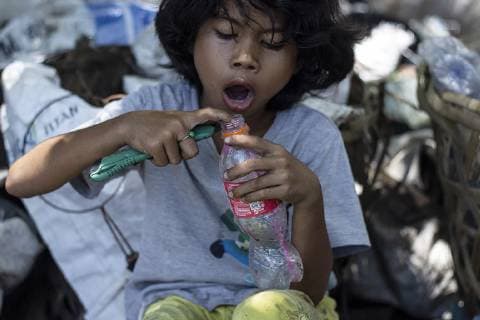
  • IMAGO Nature: Unsere Erde, Umweltverträgliche Herausforderungen, Plastikmüll April 21, 2019 - Lhokseumawe, Aceh, Indonesia - A child seen cleaning a plastic bottle trash for sale at a garbage dump site in Lhokseumawe, Aceh province, Indonesia..Based on a study by McKinsey and Co. and Ocean Conservancy, Indonesia is the number two plastic waste producing country in the world after China. The large amount of waste production, especially plastics sent to the Indonesian seas, directly contributes to making coastal areas and small islands dirty and full of garbage. Moreover, from the results of the study, it was found that the waste in the coastal area was dominated by plastic with a percentage of 36 to 38 percent. Lhokseumawe Indonesia - ZUMAs197 20190421_zab_s197_025 Copyright: xZikrixMaulanax
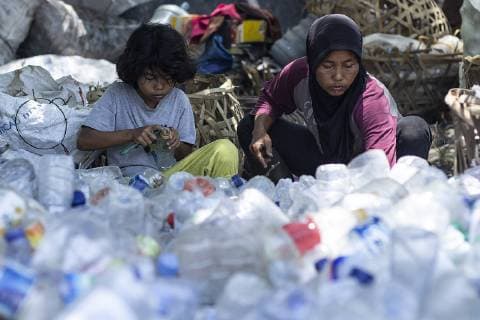
  • IMAGO Nature: Unsere Erde, Umweltverträgliche Herausforderungen, Plastikmüll April 21, 2019 - Lhokseumawe, Aceh, Indonesia - Mother and child seen cleaning plastic bottles for sale at a garbage dump site in Lhokseumawe, Aceh province, Indonesia..Based on a study by McKinsey and Co. and Ocean Conservancy, Indonesia is the number two plastic waste producing country in the world after China. The large amount of waste production, especially plastics sent to the Indonesian seas, directly contributes to making coastal areas and small islands dirty and full of garbage. Moreover, from the results of the study, it was found that the waste in the coastal area was dominated by plastic with a percentage of 36 to 38 percent. Lhokseumawe Indonesia - ZUMAs197 20190421_zab_s197_023 Copyright: xZikrixMaulanax
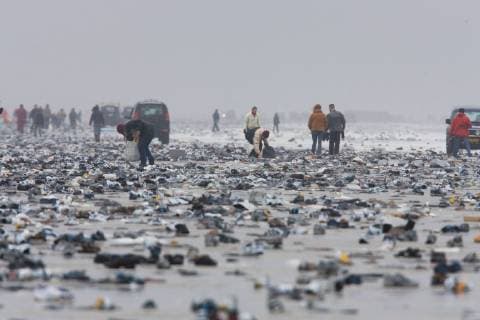
  • IMAGO Nature: Unsere Erde, Umweltverträgliche Herausforderungen, Plastikmüll Menschen sammeln angeschwemmtes Treibgut nach dem Kentern eines Frachtschiffen, 10.02.2006, Niederlande, Terschelling People collecting cargo spill on the beach, 10.02.2006, Netherlands, Terschelling BLWS515587 Copyright: xblickwinkel AGAMI A.xOuwerkerkx
  • Netherlands - UTRECHT - 19 January 2019. A huge whale, made out of five tonnes of plastic from the Pacific Ocean, is located in the Utrecht Catharijne Singel. The animal is a statement against the gigantic amount of plastic waste that pollutes rivers, seas and oceans all over the world. At the initiative of the Faculty of Law, Economics, Governance and Organisation (REBO) of Utrecht University, the work of art is coming to Utrecht for six months. Marleen van Rijswick, professor of European and national Water Law and programme leader of the Utrecht Centre for water, oceans and sustainability law, was for a conference on sustainability in Bruges, where she saw the whale. She was impressed and explored the possibilities to get him to Utrecht. On Friday is the official opening of the work of art. Credit: Werry Crone Hollandse Hoogte  Copyright: xHollandsexHoogtex xWerryxCronex x86107494x
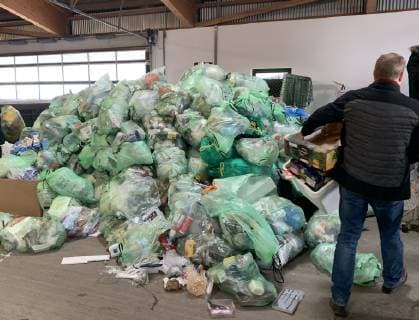
  • IMAGO Nature: Unsere Erde, Umweltverträgliche Herausforderungen, Plastikmüll Symbol, Illustration, Feature, plastic garbage in a recycling center in Marktoberdorf, Bavaria, Allgäu, Germany, January 08, 2019. Photographer: Peter Schatz
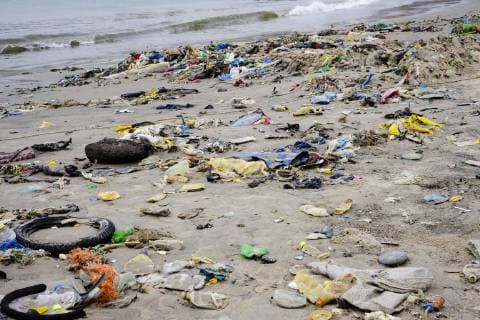
  • IMAGO Nature: Unsere Erde, Umweltverträgliche Herausforderungen, Plastikmüll Plastikmüll am Strand, Dakar, Senegal, Afrika *** Plastic garbage on the beach Dakar Senegal Africa Copyright: imageBROKER/HerbertxBerger ibxheb04802280.jpg
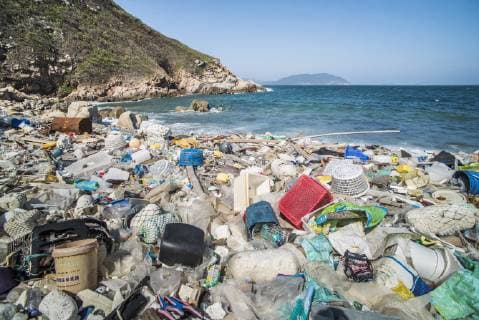
  • IMAGO Nature: Unsere Erde, Umweltvertr?gliche Herausforderungen des 21. Jahrhunderts, Plastik Beach covered in plastic rubbish, Lap Sap Wan, New Territories, Hong Kong, China, Asia Copyright: PhotoxEscapes 1272-263
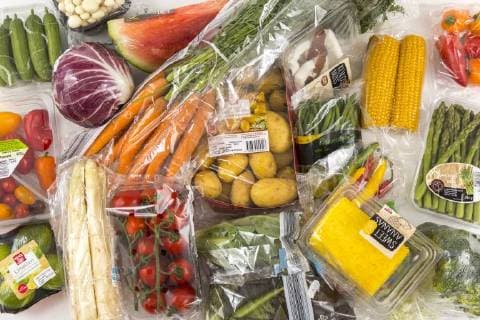
  • IMAGO Nature: Unsere Erde, Umweltverträgliche Herausforderungen des 21. Jahrhunderts, Plastik Frische Lebensmittel, Gemüse, Obst, jeweils, einzeln in Plastikfolie verpackt, alle Lebensmittel gibt es im gleichen Supermarkt auch ohne Kunststoffverpackung, *** Fresh food Vegetable fruit each individually packed in plastic wrap All food is available in the same supermarket even without plastic packaging
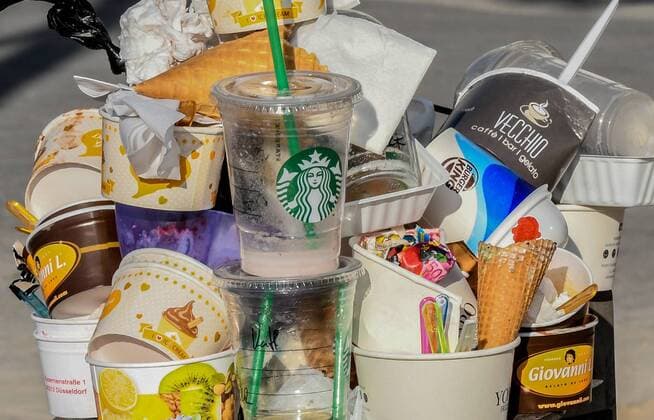
  • IMAGO Nature: Unsere Erde, Umweltverträgliche Herausforderungen des 21. Jahrhunderts, Plastik Übervoll mit Pappbecher, Papiertüten, Trinkhalme und Essensüberresten ist ein Mülleimer an der Rheinuferpromenade in Düsseldorf ( Nordrhein-Westfalen) nach einem Tag mit Ausflugwetter. Wenn die Sonne scheint, zieht es Einheimische wie Touristen an die direkt am Rhein gelegenen, Fussgängern vorbehaltenen Promenade. Foto:Winfried Rothermel
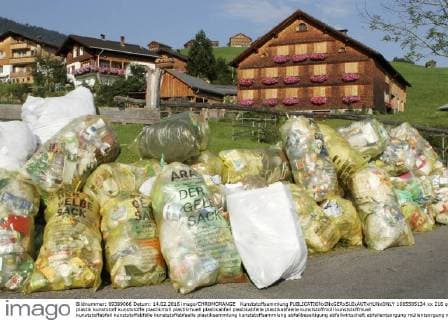
  • IMAGO Nature: Unsere Erde, Umweltverträgliche Herausforderungen des 21. Jahrhunderts, Plastik Kunststoffsammlung  1065505134