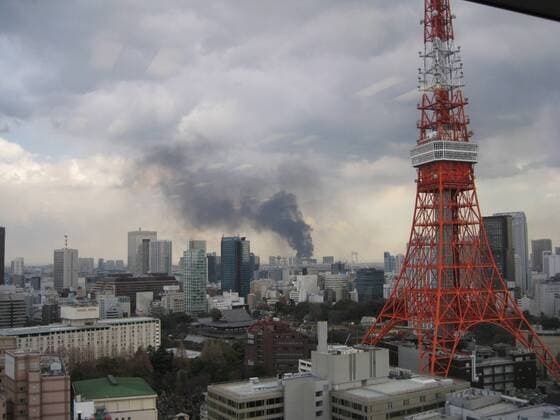
Images in this collection
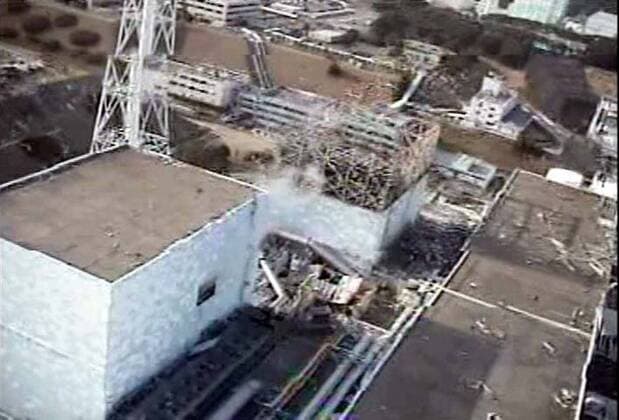
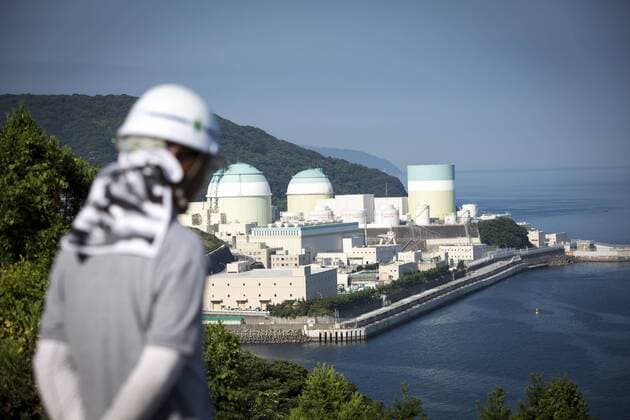
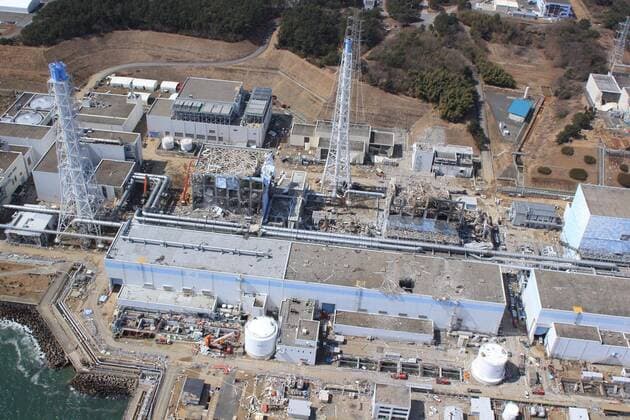
June 19th, 2011, Okumamachi, Japan - Steam rises from No. 2 reactor building of the crippled Fukushima No. 1 nuclear power plant in Okumamachi, Fukushima Prefecture, some 210km northeast of Tokyo, in this photo taken by the plant operator Tokyo Electric Power Co. on April 19, 2011. The utility company, known as TEPCO, opened the airlock of the No. 2 reactor building on Sunday, June 18 to ease sauna-like conditions inside so people can work there to cool the runaway reactor which has suffered a meltdown shortly after the plant was hit by an earthquake and tsunami on March 11. TEPCO claimed the venting would not harm the environment. ( 8900)
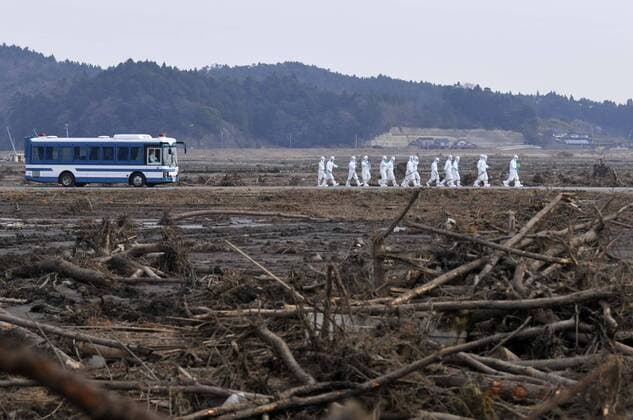
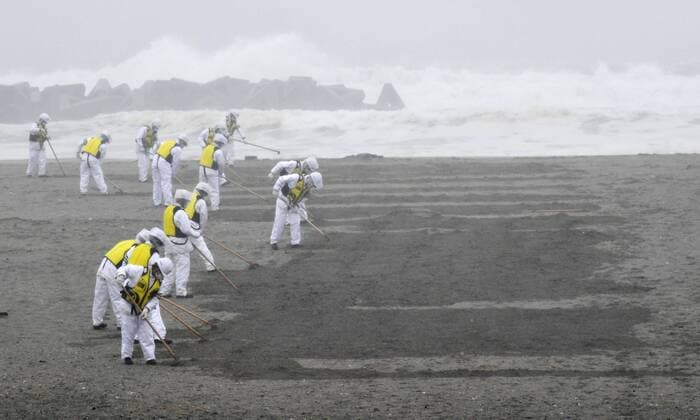
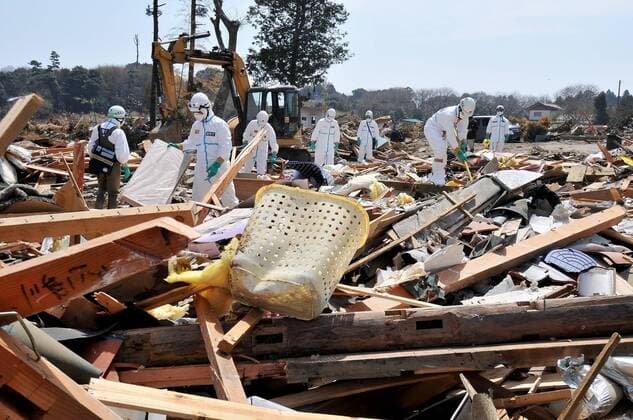
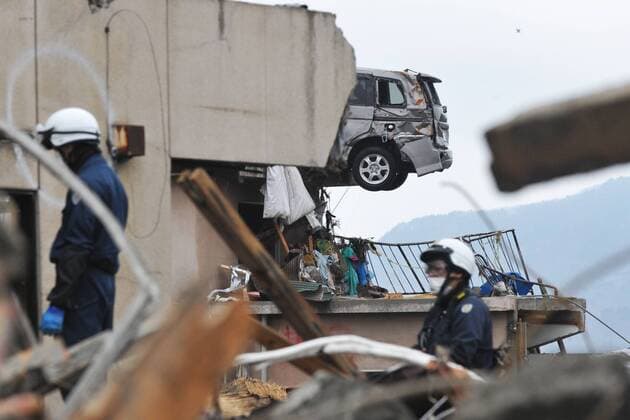
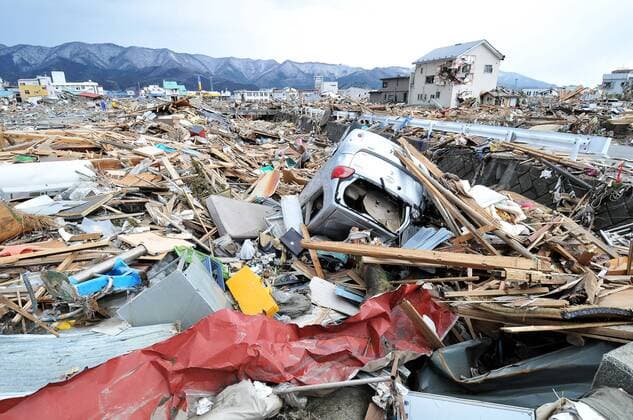
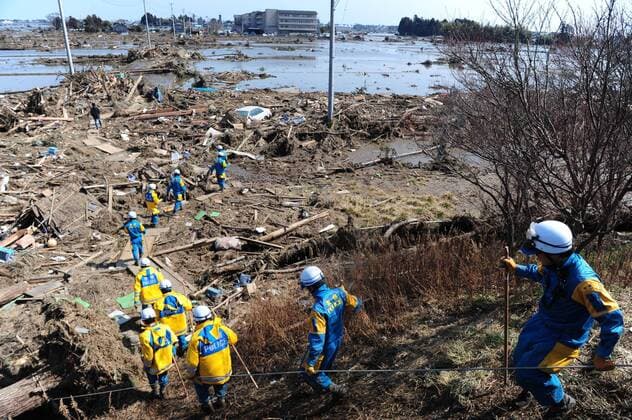
April 15, 2011, Minami - Soma, Japan - Wearing protective gear, a police search party shift through debris as they search for missing people in Minami-Soma, Fukushima Prefecture, on Friday, April 15, 2011. Southern half of the town falls within the 20km radius from the crippled Fukushima No. 1 nuclear power plant, where residents have been ordered to evacuate. More than 2,200 people have been missing in Fukushima Prefecture alone since an earthquake and tsunami hit Japan northeastern region on March 11. ( quba002239)
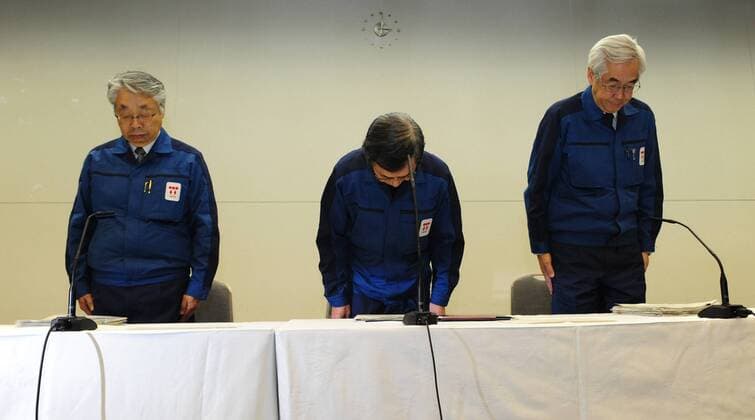
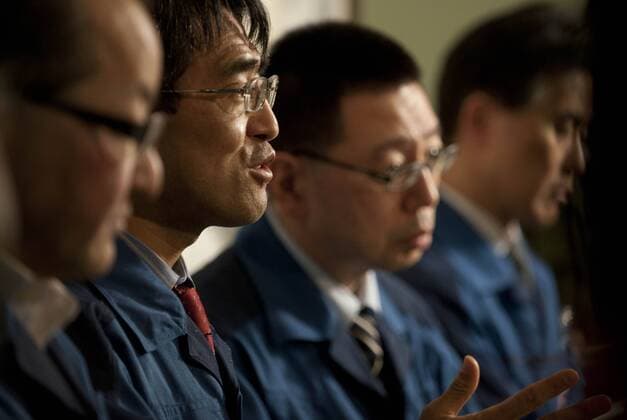
(110413) -- TOKYO, April 13, 2011 (Xinhua) -- Masataka Shimizu (C), the President of Tokyo Electric Power Co. (TEPCO), attends a press conference at TEPCO headquarters in Tokyo, Japan, on April 13, 2011. The President of Tokyo Electric Power Co. (TEPCO), owner of the crippled Fukushima No. 1 nuclear power plant in Japan, apologized for a nuclear emergency at the facility which is leaking radioactive substances, at a news conference Wednesday. (Xinhua Ji Chunpeng) (zcc) JAPAN-TOKYO-TEPCO-APOLOGY
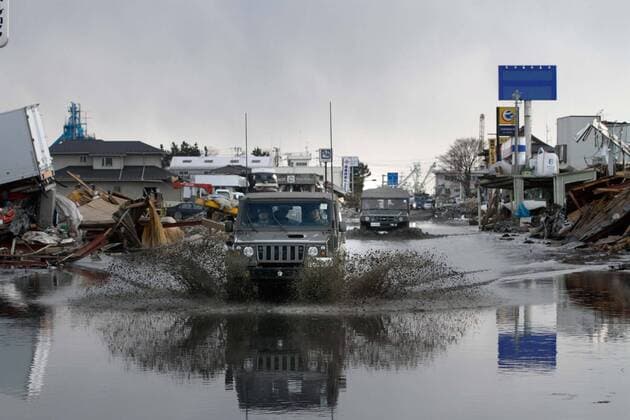
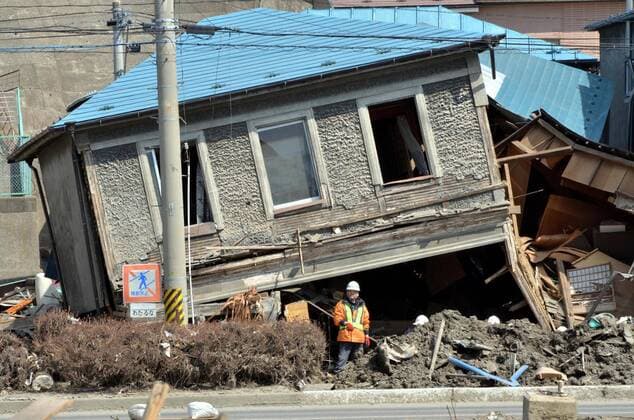
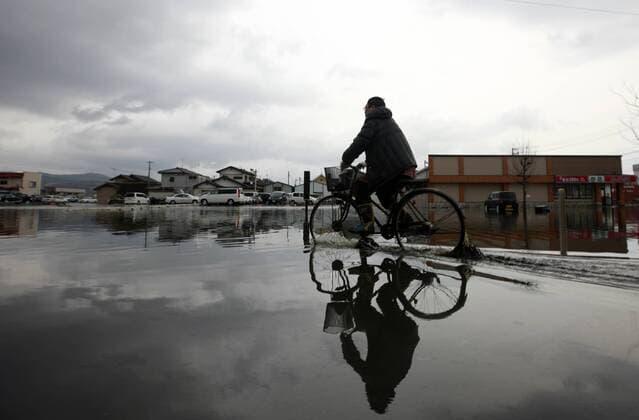
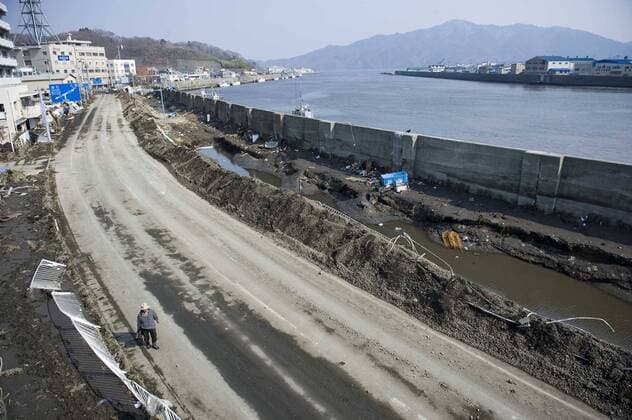
March 28, 2011, Ishonomaki, Japan - Military vehicles splash waters as they drive through the quake-devastated city of Ishinomaki, Miyagi prefecture, on Monday, March 28, 2011, as reconstruction efforts have started Ishinomaki, an industrial port some 350km northeast of Tokyo, is one of the hardest-hit areas in northeast Japan by the March 11 magnitude 9.0 earthquake and the subsequent 10-meter tsunami. Much of the town still remains submerged in muddy waters, which have hampered the efforts of people searching for missing kin and reconstruction. (uukb001078)
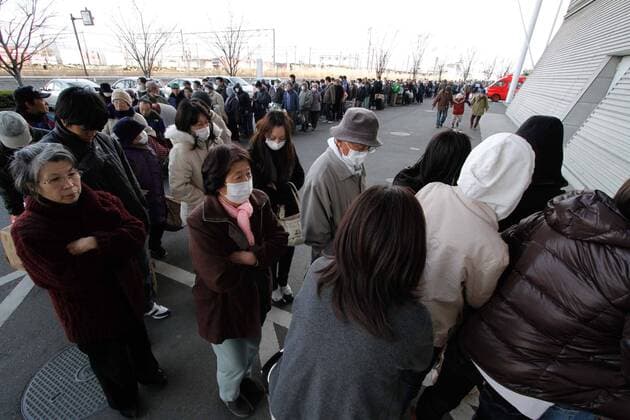
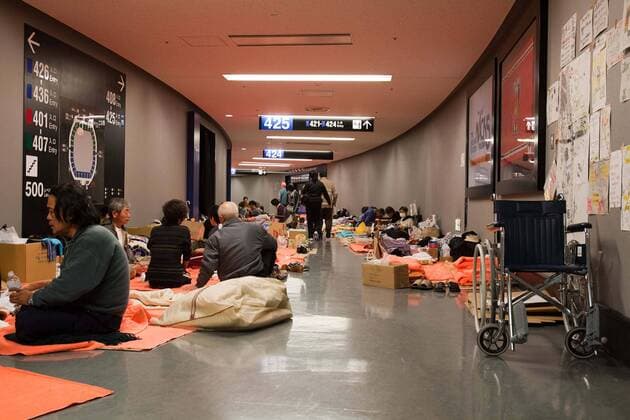
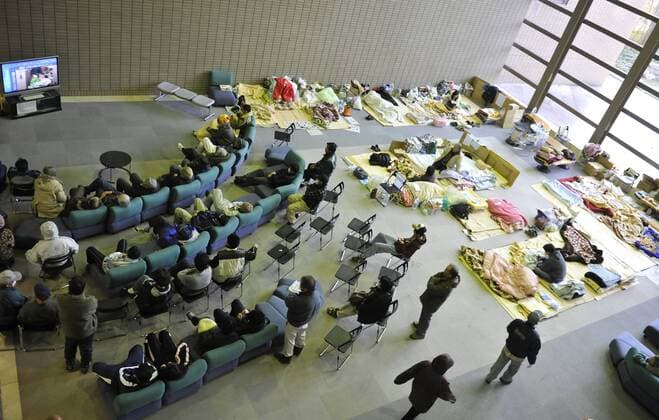
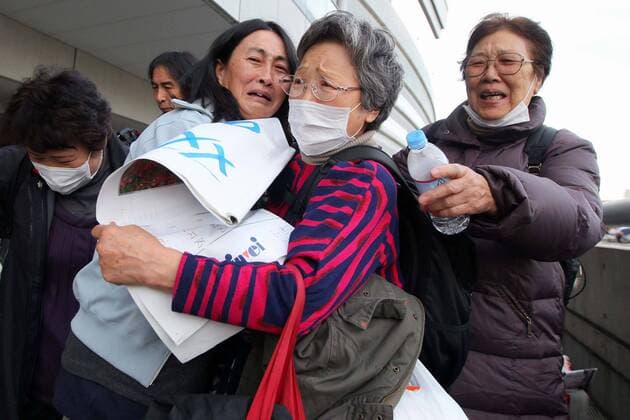
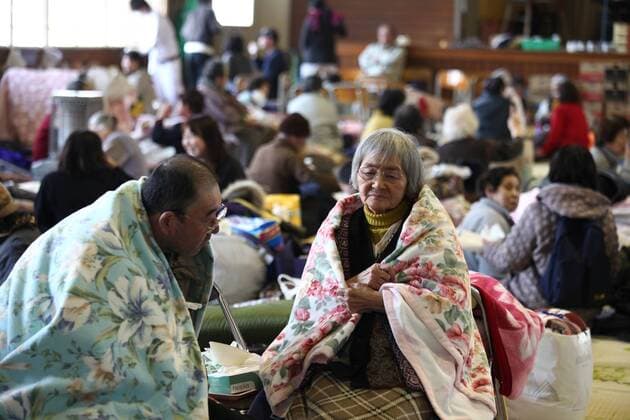
March 17, 2011, Koriyama, Japan - Residents arrive at a temporary shelter in Koriyama, , Fukushima prefecture, on Tuesday, March 15, 2011. Japanese government has issued evacuation orders to people living near a nuclear power, located on the Pacific coast some 35km southeast of Koriyama, which has been experiencing problems in its emergency cooling system since a magnitude 9.0 earthquake hit Japan s northeastern area on March 11. ( uukb001017)
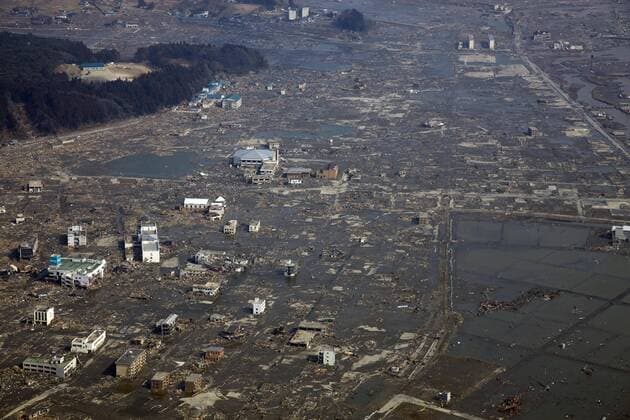
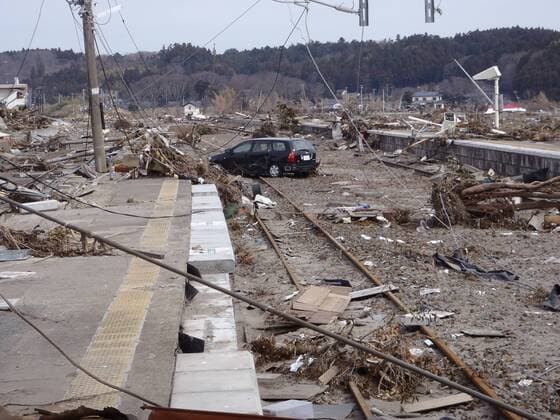
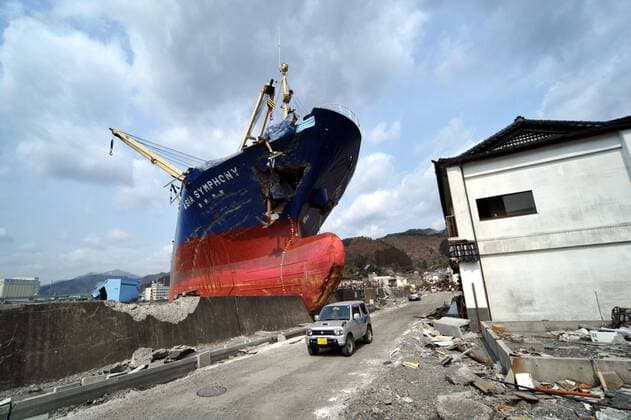
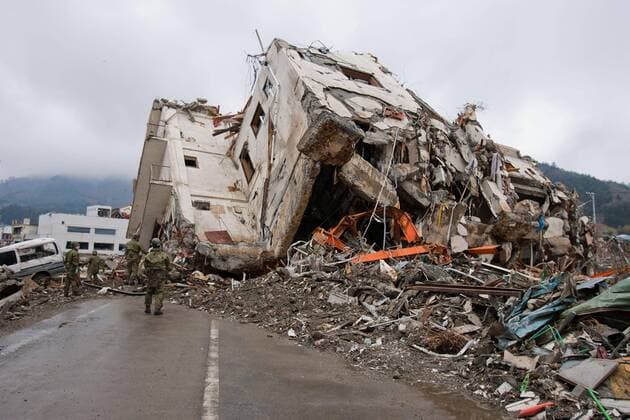
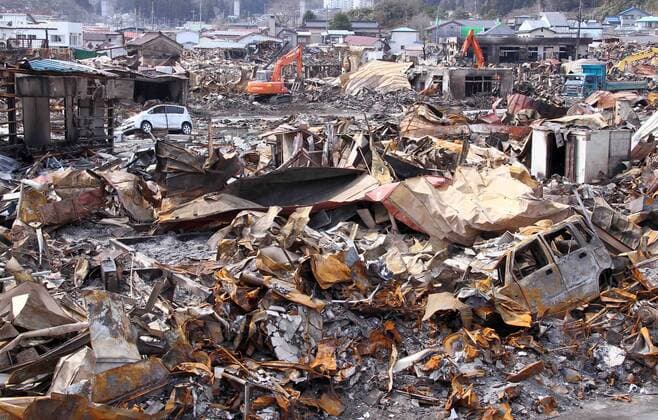
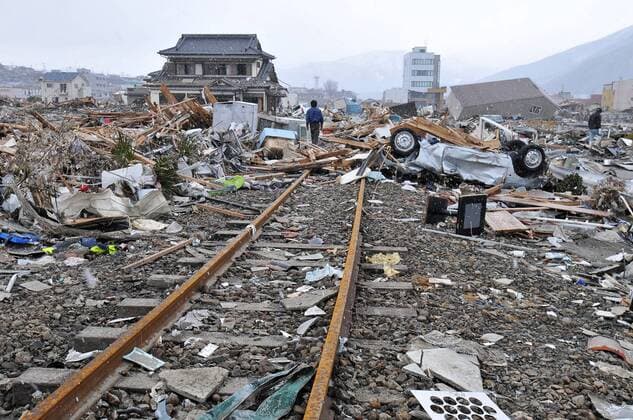
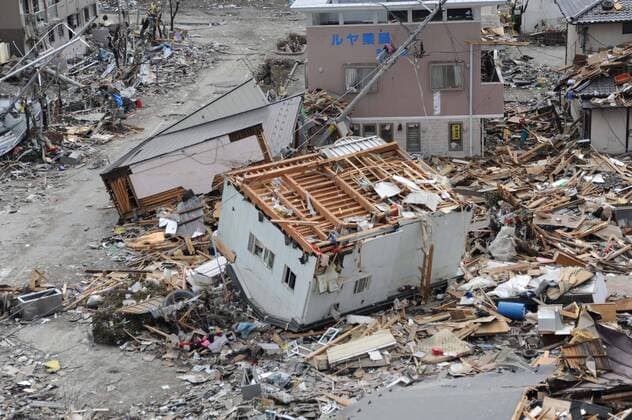
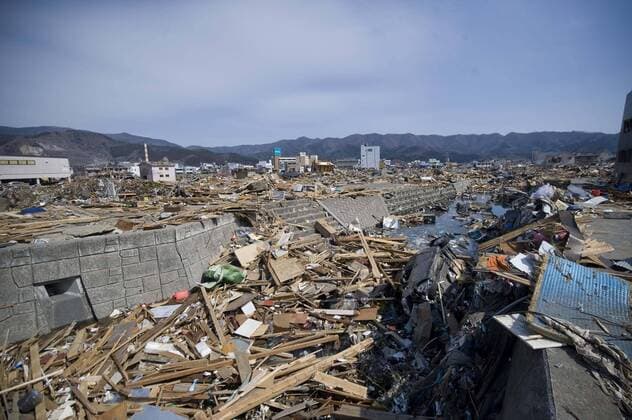
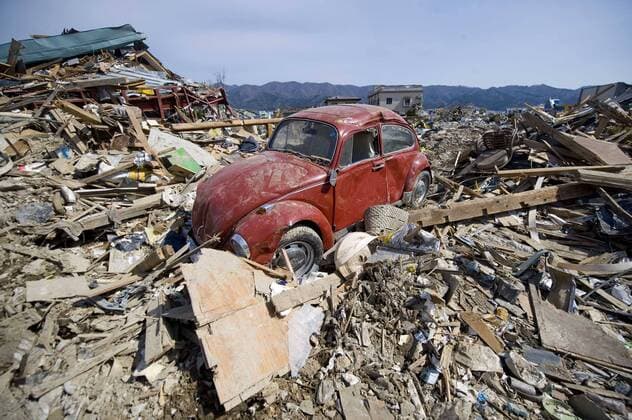
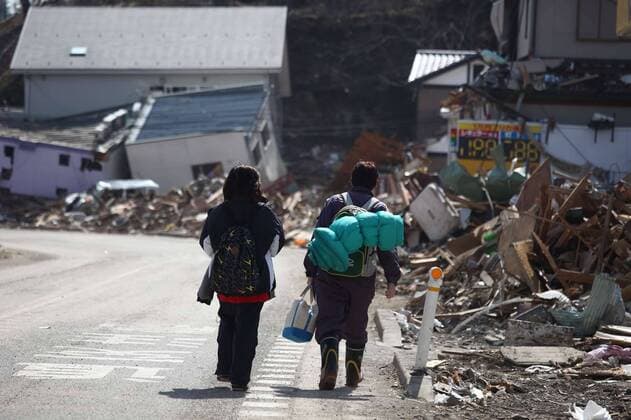
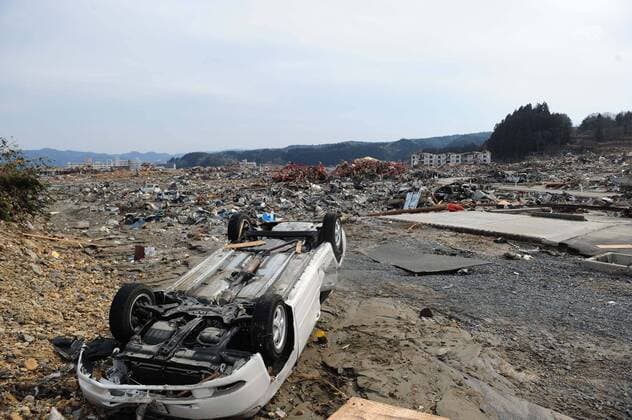
March 13, 2011, Rikuzentakata, Japan - Only a few buildings are left standing in Rikuzentakata, Iwate prefecture, on Sunday, March 13, 2011, two days after a 10-meter tsunami swallowed this northeastern Japanese coastal town. A powerful earthquake with a magnitude 9.0 jolted Japan s northeastern prefectures, wreaking havoc on otherwise beautiful coastal towns and farmlands. The death toll from the nation s worst and the world s fourth worst quake could rise above 10,000. (vbhb000019)
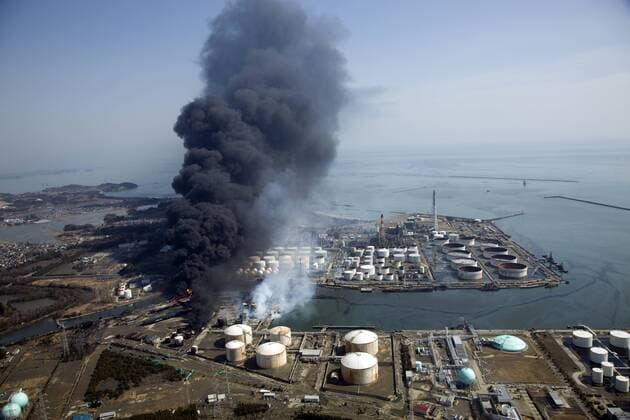
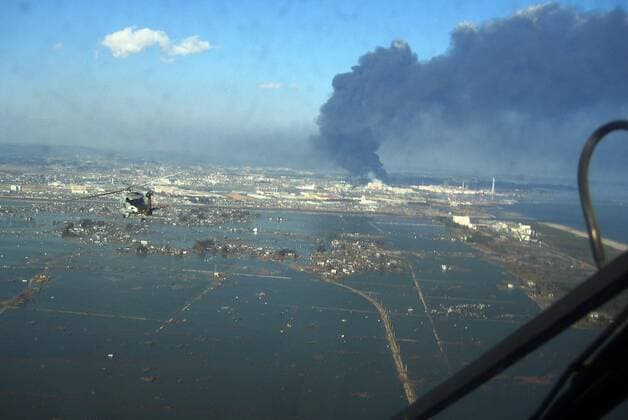
March 13, 2011, Sendai, Japan - Columns of thick black smoke reach high in the air from a burning oil refinery in Sendai, Miyagi prefecture, on Sunday, March 13, 2011, two days after a powerful earthquake with a magnitude 9.0 jolted Japan s northeastern prefectures, wreaking havoc on otherwise beautiful coastal towns and farmlands. The death toll from the nation s worst and the world s fourth worst quake could rise above 10,000. (vbhb000014)