EditorialCreativeSportsCollectionsVideos
Prices
0Log in

Visual content for professionals.
800M+ images and videos.

Content Hub

  • Current Events
  • Pictures of the Year
  • Sports
  • Editorial
  • Creative
  • Collections
  • Videos

Offers

  • Prices & Packages
  • Promotions
  • Enterprise
  • Newsletter
  • Blog
  • The Game Magazine

Services

  • Content Research
  • Contract Photography
  • API & FTP Push
  • my-picturemaxx
  • Become a Partner

Company

  • About IMAGO
  • Careers
  • News

Help Center

  • FAQ
  • Contact Us
Legal NoticeTerms & ConditionsLicense InformationData PrivacyPrivacy Settings
© 2026 IMAGO
CEPICBAPLABVPA
  1. IMAGO International History, Archive, Space travel, USA, Project Mariner 1962-1973

IMAGO International History, Archive, Space travel, USA, Project Mariner 1962-1973

Dec 6, 2023

The following photos have been selected for you by the IMAGO picture desk on this topic. For more pictures please use the search function.

Images in this collection

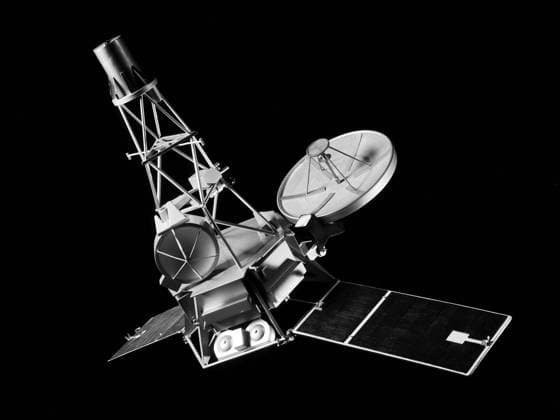
  • SPACE: MARINER 2, 1964. Illustration of NASA s Mariner 2 spacecraft as it flies through space, 1964.  Copyright: xGRANGERx xGRANGERx 0185596

    SPACE: MARINER 2, 1964. Illustration of NASA s Mariner 2 spacecraft as it flies through space, 1964. Copyright: xGRANGERx xGRANGERx 0185596

  • MARINER 9, 1971. Technicians inspecting the Mariner 9 prior to encapsulation and mating to the Atlas-Centaur launch vehicle, at the Kennedy Space Center in Florida. Photograph, 1971.  Copyright: xGRANGERx xGRANGERx 0185401

    MARINER 9, 1971. Technicians inspecting the Mariner 9 prior to encapsulation and mating to the Atlas-Centaur launch vehicle, at the Kennedy Space Center in Florida. Photograph, 1971. Copyright: xGRANGERx xGRANGERx 0185401

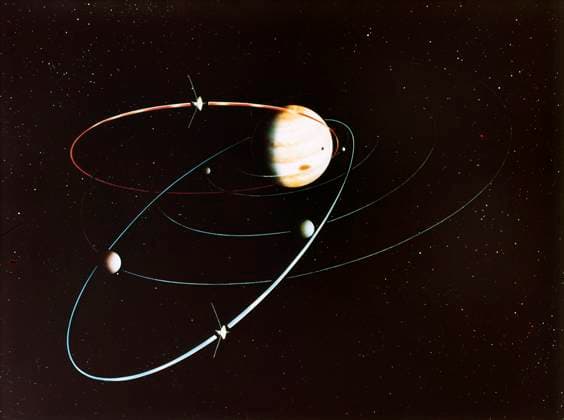
  • SPACE: JUPITER ORBIT, 1977. Conceptual drawing showing the equatorial orbit of a spacecraft of the Mariner Jupiter mission. Drawing, 1977.  Copyright: xGRANGERx xGRANGERx 0185067

    SPACE: JUPITER ORBIT, 1977. Conceptual drawing showing the equatorial orbit of a spacecraft of the Mariner Jupiter mission. Drawing, 1977. Copyright: xGRANGERx xGRANGERx 0185067

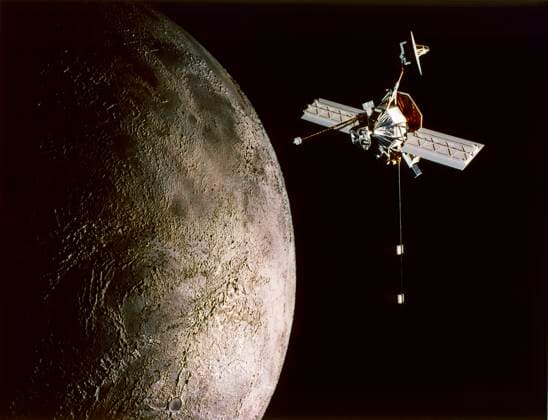
  • MARINER 10 SPACECRAFT, 1973. A simulated encounter between NASA s Mariner 10 spacecraft and the planet Mercury, c1973.  Copyright: xGRANGERx xGRANGERx 0184259

    MARINER 10 SPACECRAFT, 1973. A simulated encounter between NASA s Mariner 10 spacecraft and the planet Mercury, c1973. Copyright: xGRANGERx xGRANGERx 0184259

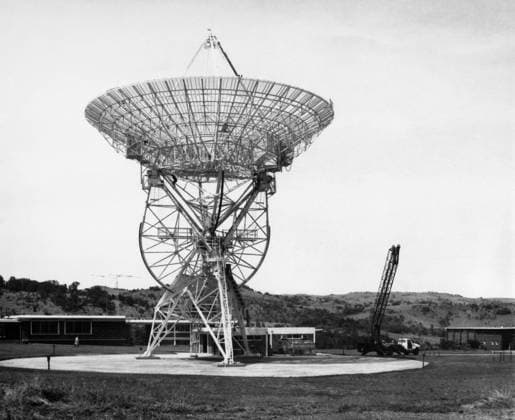
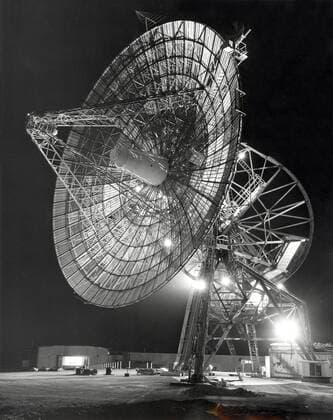
  • SOUTH AFRICA: SATELLITE. An 85 foot diameter satellite dish in Johannesburg, South Africa, used to track the Mariner 4 mission to Mars and two Ranger flights to the moon. Photographed 1965.  Copyright: xGRANGERx xGRANGERx 0100358

    SOUTH AFRICA: SATELLITE. An 85 foot diameter satellite dish in Johannesburg, South Africa, used to track the Mariner 4 mission to Mars and two Ranger flights to the moon. Photographed 1965. Copyright: xGRANGERx xGRANGERx 0100358

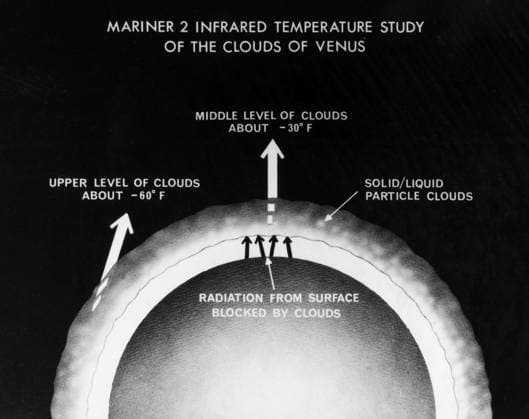
  • MARINER 2: VENUS, 1963. Drawing released by NASA illustrating data gathered by the Mariner 2 space probe regarding the temperature on the planet Venus, 1963.  Copyright: xGRANGERx xGRANGERx 0100353

    MARINER 2: VENUS, 1963. Drawing released by NASA illustrating data gathered by the Mariner 2 space probe regarding the temperature on the planet Venus, 1963. Copyright: xGRANGERx xGRANGERx 0100353

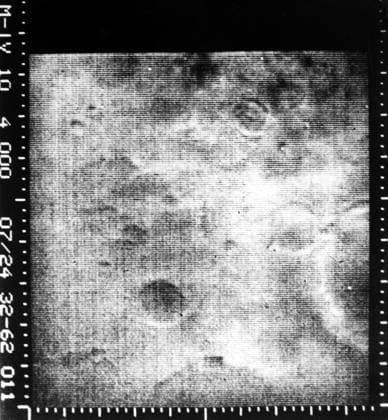
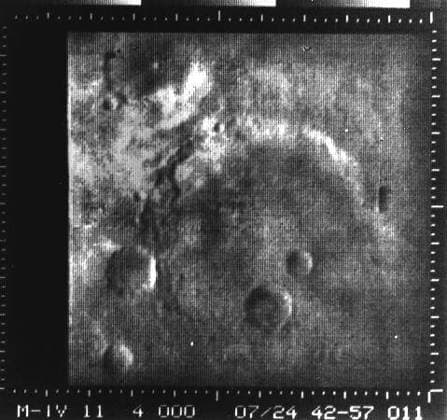
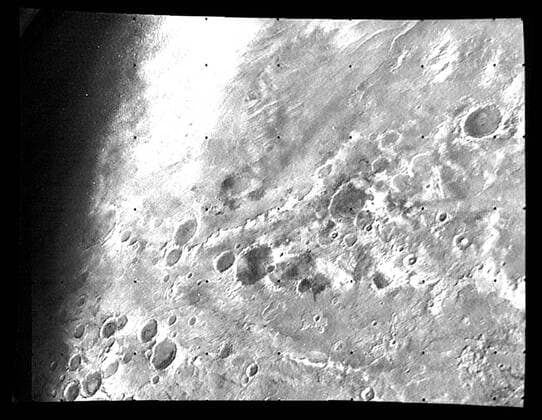
  • MARINER 4: MARS, 1965. One of the first photographs of the surface of Mars, taken from 8,000 miles away by the Mariner 4 spacecraft, 1965.  Copyright: xGRANGERx xGRANGERx 0100291

    MARINER 4: MARS, 1965. One of the first photographs of the surface of Mars, taken from 8,000 miles away by the Mariner 4 spacecraft, 1965. Copyright: xGRANGERx xGRANGERx 0100291

  • RECORD DATE NOT STATED Mariner photos presented to President Johnson, 1965. Creator: NASA. Copyright:xHeritagexSpace HeritagexImagesx IMAGO ,2860804 ! ACHTUNG: AUFNAHMEDATUM GESCHÄTZT!  Copyright:HeritagexSpace HeritagexImagesx IMAGO

    RECORD DATE NOT STATED Mariner photos presented to President Johnson, 1965. Creator: NASA. Copyright:xHeritagexSpace HeritagexImagesx IMAGO ,2860804 ! ACHTUNG: AUFNAHMEDATUM GESCHÄTZT! Copyright:HeritagexSpace HeritagexImagesx IMAGO

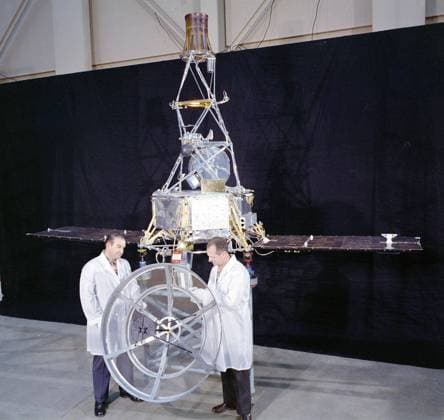
  • JPL s Spacecraft Assembly Facility looks more like a hangar in this photo of two engineers standing with Mariner 1 on May 2, 1962. However, the gowning procedures were far less rigorous than they are today. Mariner 1 was destroyed during its attempted launch to Venus. Copyright: xpiemagsx piemagsspace-172773 !ACHTUNG AUFNAHMEDATUM GESCHÄTZT!

    JPL s Spacecraft Assembly Facility looks more like a hangar in this photo of two engineers standing with Mariner 1 on May 2, 1962. However, the gowning procedures were far less rigorous than they are today. Mariner 1 was destroyed during its attempted launch to Venus. Copyright: xpiemagsx piemagsspace-172773 !ACHTUNG AUFNAHMEDATUM GESCHÄTZT!

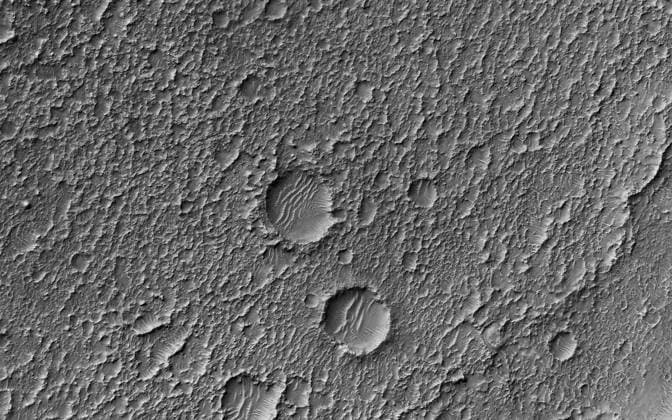
  • This image from NASA s Mars Reconnaissance Orbiter (MRO) shows Mars surface in detail. Mars has captured the imagination of astronomers for thousands of years, but it wasn t until the last half a century that we were able to capture images of its surface in detail. This particular site on Mars was first imaged in 1965 by the Mariner 4 spacecraft during the first successful fly-by mission to Mars. From an altitude of around 10,000 kilometers, this image (the ninth frame taken) achieved a resolution of approximately 1.25 kilometers per pixel. Since then, this location has been observed by six other visible cameras producing images with varying resolutions and sizes. This includes HiRISE (highlighted in yellow), which is the highest-resolutio Copyright: xpiemagsx piemagsspace-165277 !ACHTUNG AUFNAHMEDATUM GESCHÄTZT!

    This image from NASA s Mars Reconnaissance Orbiter (MRO) shows Mars surface in detail. Mars has captured the imagination of astronomers for thousands of years, but it wasn t until the last half a century that we were able to capture images of its surface in detail. This particular site on Mars was first imaged in 1965 by the Mariner 4 spacecraft during the first successful fly-by mission to Mars. From an altitude of around 10,000 kilometers, this image (the ninth frame taken) achieved a resolution of approximately 1.25 kilometers per pixel. Since then, this location has been observed by six other visible cameras producing images with varying resolutions and sizes. This includes HiRISE (highlighted in yellow), which is the highest-resolutio Copyright: xpiemagsx piemagsspace-165277 !ACHTUNG AUFNAHMEDATUM GESCHÄTZT!

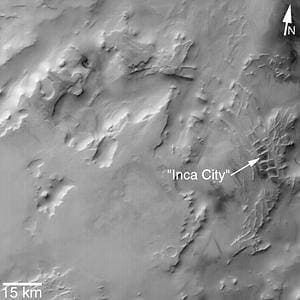
  • MGS MOC Release No. MOC2-319, 8 August 2002. Inca City is the informal name given by Mariner 9 scientists in 1972 to a set of intersecting, rectilinear ridges that are located among the layered materials of the south polar region of Mars. Their origin has never been understood; most investigators thought they might be sand dunes, either modern dunes or, more likely, dunes that were buried, hardened, then exhumed. Others considered them to be dikes formed by injection of molten rock (magma) or soft sediment into subsurface cracks that subsequently hardened and then were exposed at the surface by wind erosion. The Mars Global Surveyor (MGS) Mars Orbiter Camera (MOC) has provided new information about the Inca City ridges, though the camera s Copyright: xpiemagsx piemagsspace-162795 !ACHTUNG AUFNAHMEDATUM GESCHÄTZT!

    MGS MOC Release No. MOC2-319, 8 August 2002. Inca City is the informal name given by Mariner 9 scientists in 1972 to a set of intersecting, rectilinear ridges that are located among the layered materials of the south polar region of Mars. Their origin has never been understood; most investigators thought they might be sand dunes, either modern dunes or, more likely, dunes that were buried, hardened, then exhumed. Others considered them to be dikes formed by injection of molten rock (magma) or soft sediment into subsurface cracks that subsequently hardened and then were exposed at the surface by wind erosion. The Mars Global Surveyor (MGS) Mars Orbiter Camera (MOC) has provided new information about the Inca City ridges, though the camera s Copyright: xpiemagsx piemagsspace-162795 !ACHTUNG AUFNAHMEDATUM GESCHÄTZT!

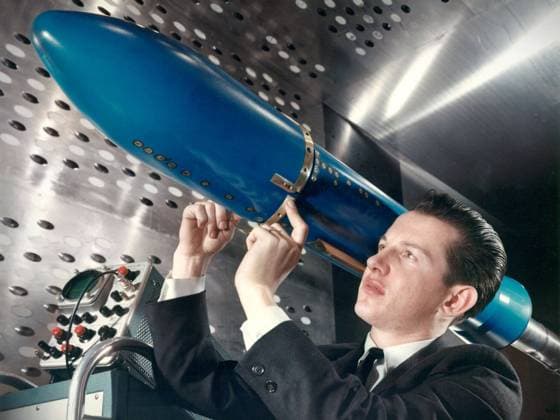
  • Researcher Bobby Sanders examines a 0.10-scale model of the Mariner-C shroud and Agena rocket in the 8- by 6-Foot Supersonic Wind Tunnel at the National Aeronautics and Space Administration Copyright: xpiemagsx piemagsspace-160502 !ACHTUNG AUFNAHMEDATUM GESCHÄTZT!

    Researcher Bobby Sanders examines a 0.10-scale model of the Mariner-C shroud and Agena rocket in the 8- by 6-Foot Supersonic Wind Tunnel at the National Aeronautics and Space Administration Copyright: xpiemagsx piemagsspace-160502 !ACHTUNG AUFNAHMEDATUM GESCHÄTZT!

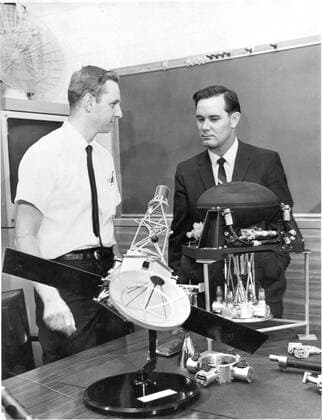
  • A model of the Mariner-C spacecraft at the National Aeronautics and Space Administration Copyright: xpiemagsx piemagsspace-159517 !ACHTUNG AUFNAHMEDATUM GESCHÄTZT!

    A model of the Mariner-C spacecraft at the National Aeronautics and Space Administration Copyright: xpiemagsx piemagsspace-159517 !ACHTUNG AUFNAHMEDATUM GESCHÄTZT!

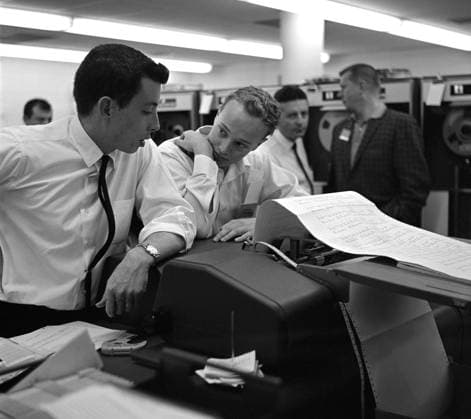
  • This archival image shows engineers at NASA s Jet Propulsion Laboratory looking at data related to the Venus flyby of Mariner 2 on Dec. 14, 1962. This was the first successful flyby of another planet. Copyright: xpiemagsx piemagsspace-136333 !ACHTUNG AUFNAHMEDATUM GESCHÄTZT!

    This archival image shows engineers at NASA s Jet Propulsion Laboratory looking at data related to the Venus flyby of Mariner 2 on Dec. 14, 1962. This was the first successful flyby of another planet. Copyright: xpiemagsx piemagsspace-136333 !ACHTUNG AUFNAHMEDATUM GESCHÄTZT!

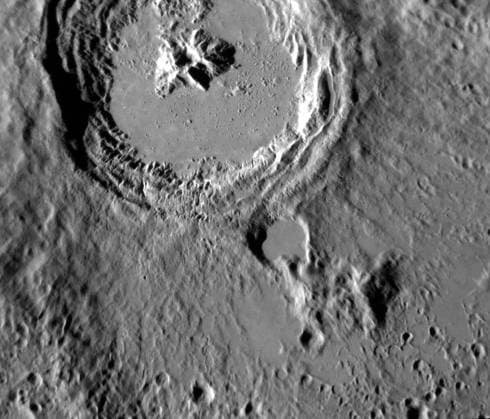
  • Date acquired April 05, 2013 This striking image of Kuiper shows the crater in a new perspective. This image highlights the crater s smooth impact melt and central peaks. Kuiper, first seen by Mariner 10, is an easily identifiable feature on Mercury s surface due to its bright rays, similar to Hokusai. This image was acquired as a high-resolution targeted observation. Targeted observations are images of a small area on Mercury s surface at resolutions much higher than the 200-meter pixel morphology base map. It is not possible to cover all of Mercury s surface at this high resolution, but typically several areas of high scientific interest are imaged in this mode each week. The MESSENGER spacecraft is the first ever to orbit the planet Merc Copyright: xpiemagsx piemagsspace-113560 !ACHTUNG AUFNAHMEDATUM GESCHÄTZT!

    Date acquired April 05, 2013 This striking image of Kuiper shows the crater in a new perspective. This image highlights the crater s smooth impact melt and central peaks. Kuiper, first seen by Mariner 10, is an easily identifiable feature on Mercury s surface due to its bright rays, similar to Hokusai. This image was acquired as a high-resolution targeted observation. Targeted observations are images of a small area on Mercury s surface at resolutions much higher than the 200-meter pixel morphology base map. It is not possible to cover all of Mercury s surface at this high resolution, but typically several areas of high scientific interest are imaged in this mode each week. The MESSENGER spacecraft is the first ever to orbit the planet Merc Copyright: xpiemagsx piemagsspace-113560 !ACHTUNG AUFNAHMEDATUM GESCHÄTZT!

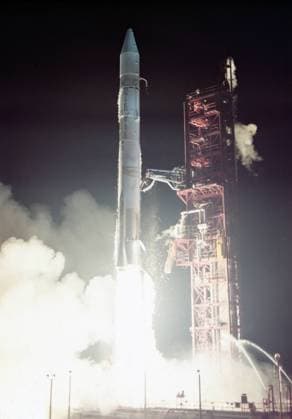
  • The launch of the Atlas-Centaur carrying the Mariner X spacecraft on November 3, 1973. This mission was for the exploration of the planets Venus and Mercury. Copyright: xpiemagsx piemagsspace-34660 !ACHTUNG AUFNAHMEDATUM GESCHÄTZT!

    The launch of the Atlas-Centaur carrying the Mariner X spacecraft on November 3, 1973. This mission was for the exploration of the planets Venus and Mercury. Copyright: xpiemagsx piemagsspace-34660 !ACHTUNG AUFNAHMEDATUM GESCHÄTZT!

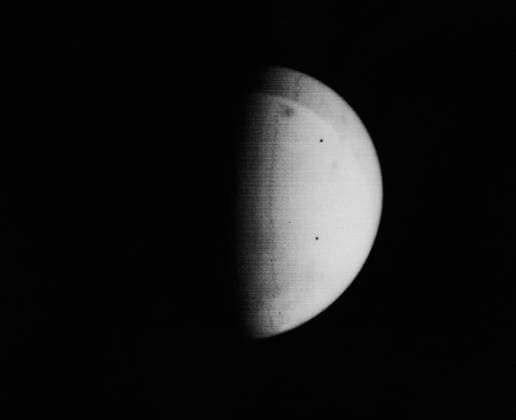
  • Nix Olympica Identified by Mariner 9 on Mars Approach Copyright: xpiemagsx piemagsspace-15698 !ACHTUNG AUFNAHMEDATUM GESCHÄTZT!

    Nix Olympica Identified by Mariner 9 on Mars Approach Copyright: xpiemagsx piemagsspace-15698 !ACHTUNG AUFNAHMEDATUM GESCHÄTZT!

  • Atlantis Region on Mars - Mariner 4 Copyright: xpiemagsx piemagsspace-15503 !ACHTUNG AUFNAHMEDATUM GESCHÄTZT!

    Atlantis Region on Mars - Mariner 4 Copyright: xpiemagsx piemagsspace-15503 !ACHTUNG AUFNAHMEDATUM GESCHÄTZT!

  • NASA s Mariner 10 shows a close-up view of one-half of a circular basin the largest observed on Mercury. Hills and valleys extend in a radial fashion outward from the main ring. Copyright: xpiemagsx piemagsspace-14310 !ACHTUNG AUFNAHMEDATUM GESCHÄTZT!

    NASA s Mariner 10 shows a close-up view of one-half of a circular basin the largest observed on Mercury. Hills and valleys extend in a radial fashion outward from the main ring. Copyright: xpiemagsx piemagsspace-14310 !ACHTUNG AUFNAHMEDATUM GESCHÄTZT!

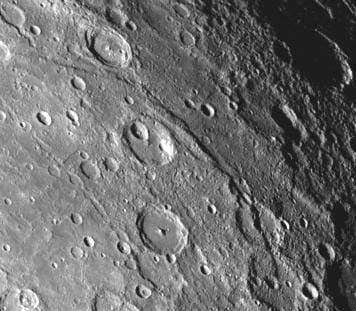
  • A scarp, or cliff, extends diagonally from upper left to lower right in this picture of Mercury taken by NASA s Mariner 10. The structures are believed to be formed by the compressive forces due to crustal shortening. Copyright: xpiemagsx piemagsspace-14083 !ACHTUNG AUFNAHMEDATUM GESCHÄTZT!

    A scarp, or cliff, extends diagonally from upper left to lower right in this picture of Mercury taken by NASA s Mariner 10. The structures are believed to be formed by the compressive forces due to crustal shortening. Copyright: xpiemagsx piemagsspace-14083 !ACHTUNG AUFNAHMEDATUM GESCHÄTZT!

  • This image, from NASA s Mariner 10 spacecraft which launched in 1974, shows an old basin s hummocky rim is partly degraded and cratered by later events. Copyright: xpiemagsx piemagsspace-14036 !ACHTUNG AUFNAHMEDATUM GESCHÄTZT!

    This image, from NASA s Mariner 10 spacecraft which launched in 1974, shows an old basin s hummocky rim is partly degraded and cratered by later events. Copyright: xpiemagsx piemagsspace-14036 !ACHTUNG AUFNAHMEDATUM GESCHÄTZT!

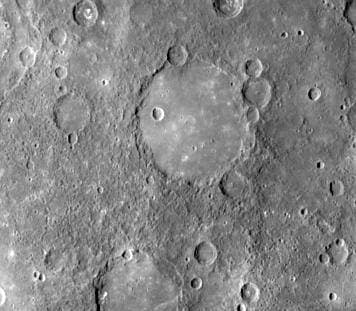
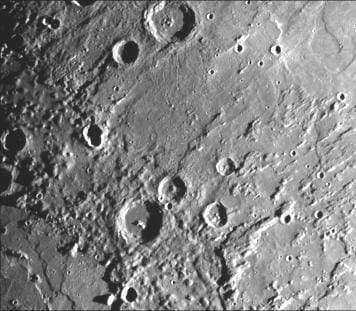
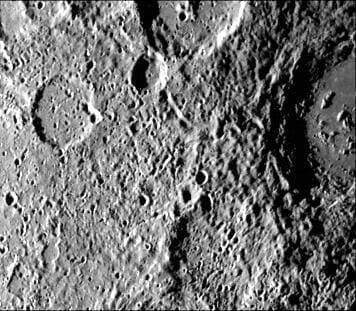
  • This image, from NASA s Mariner 10 spacecraft which launched in 1974, shows intercrater plains and heavily cratered terrain typical of much of Mercury outside the area affected by the formation of the Caloris basin. Copyright: xpiemagsx piemagsspace-14035 !ACHTUNG AUFNAHMEDATUM GESCHÄTZT!

    This image, from NASA s Mariner 10 spacecraft which launched in 1974, shows intercrater plains and heavily cratered terrain typical of much of Mercury outside the area affected by the formation of the Caloris basin. Copyright: xpiemagsx piemagsspace-14035 !ACHTUNG AUFNAHMEDATUM GESCHÄTZT!

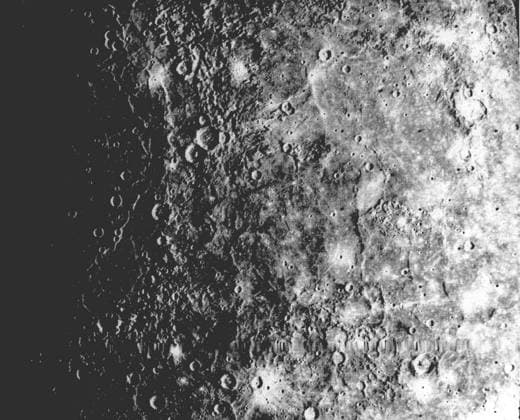
  • As NASA s Mariner 10 passed by Mercury on its second encounter with the planet on Sept. 21, 1974, this picture of a large circular (350 kilometer, 220 mile diameter) basin was obtained near the morning terminator. Copyright: xpiemagsx piemagsspace-14034 !ACHTUNG AUFNAHMEDATUM GESCHÄTZT!

    As NASA s Mariner 10 passed by Mercury on its second encounter with the planet on Sept. 21, 1974, this picture of a large circular (350 kilometer, 220 mile diameter) basin was obtained near the morning terminator. Copyright: xpiemagsx piemagsspace-14034 !ACHTUNG AUFNAHMEDATUM GESCHÄTZT!

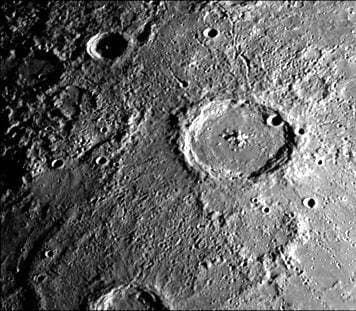
  • This image, from NASA s Mariner 10 spacecraft which launched in 1974, features a 140 kilometer diameter crater and its surrounding zone of secondary craters. T Copyright: xpiemagsx piemagsspace-11671 !ACHTUNG AUFNAHMEDATUM GESCHÄTZT!

    This image, from NASA s Mariner 10 spacecraft which launched in 1974, features a 140 kilometer diameter crater and its surrounding zone of secondary craters. T Copyright: xpiemagsx piemagsspace-11671 !ACHTUNG AUFNAHMEDATUM GESCHÄTZT!

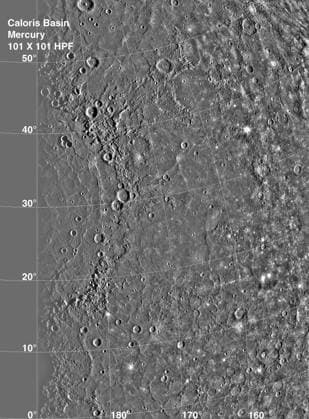
  • This image, from NASA s Mariner 10 spacecraft which launched in 1974, is of the northeastern quadrant of the Caloris basin and shows the smooth hills and domes between the inner and outer scarps and the well-developed radial system east of the outer scarp Copyright: xpiemagsx piemagsspace-11659 !ACHTUNG AUFNAHMEDATUM GESCHÄTZT!

    This image, from NASA s Mariner 10 spacecraft which launched in 1974, is of the northeastern quadrant of the Caloris basin and shows the smooth hills and domes between the inner and outer scarps and the well-developed radial system east of the outer scarp Copyright: xpiemagsx piemagsspace-11659 !ACHTUNG AUFNAHMEDATUM GESCHÄTZT!

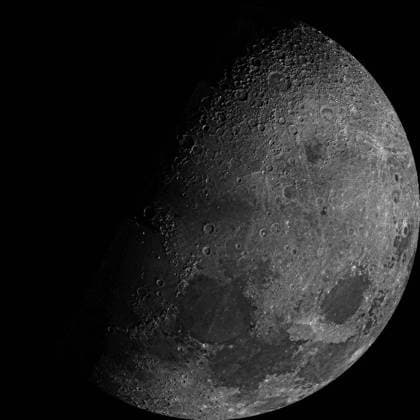
  • Moon s North Pole Copyright: xpiemagsx piemagsspace-11443 !ACHTUNG AUFNAHMEDATUM GESCHÄTZT!

    Moon s North Pole Copyright: xpiemagsx piemagsspace-11443 !ACHTUNG AUFNAHMEDATUM GESCHÄTZT!

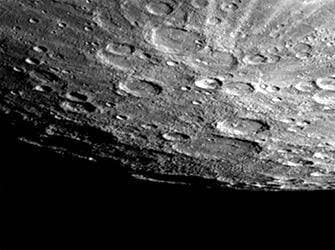
  • Caloris Basin on Mercury, is one of the largest basins in the solar system, its diameter exceeds 1300 kilometers and is in many ways similar to the great Imbrium basin on the Moon. This image is from NASA s Mariner 10 spacecraft which launched in 1974. Copyright: xpiemagsx piemagsspace-11270 !ACHTUNG AUFNAHMEDATUM GESCHÄTZT!

    Caloris Basin on Mercury, is one of the largest basins in the solar system, its diameter exceeds 1300 kilometers and is in many ways similar to the great Imbrium basin on the Moon. This image is from NASA s Mariner 10 spacecraft which launched in 1974. Copyright: xpiemagsx piemagsspace-11270 !ACHTUNG AUFNAHMEDATUM GESCHÄTZT!

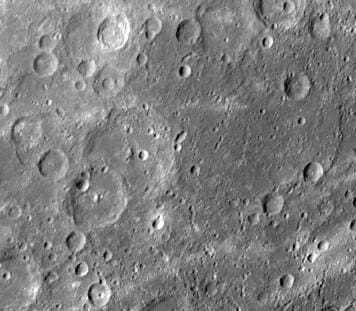
  • This photograph of Mercury was taken by NASA s Mariner 10 spacecraft shows smooth plains areas on Mercury that are thought to be volcanic in origin with lava flows filling in heavily cratered areas. Copyright: xpiemagsx piemagsspace-11269 !ACHTUNG AUFNAHMEDATUM GESCHÄTZT!

    This photograph of Mercury was taken by NASA s Mariner 10 spacecraft shows smooth plains areas on Mercury that are thought to be volcanic in origin with lava flows filling in heavily cratered areas. Copyright: xpiemagsx piemagsspace-11269 !ACHTUNG AUFNAHMEDATUM GESCHÄTZT!

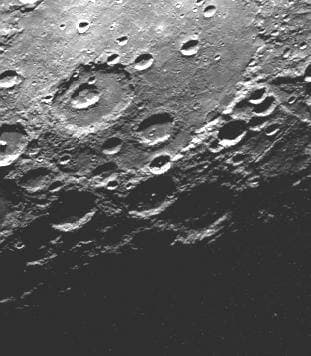
  • After passing Mercury the first time and making a trip around the Sun, NASA s Mariner 10 again flew by Mercury on Sept. 21, 1974. The south pole is located on the right hand edge of Chao Meng Fu crater that has only its rim sticking up into the light. Copyright: xpiemagsx piemagsspace-10999 !ACHTUNG AUFNAHMEDATUM GESCHÄTZT!

    After passing Mercury the first time and making a trip around the Sun, NASA s Mariner 10 again flew by Mercury on Sept. 21, 1974. The south pole is located on the right hand edge of Chao Meng Fu crater that has only its rim sticking up into the light. Copyright: xpiemagsx piemagsspace-10999 !ACHTUNG AUFNAHMEDATUM GESCHÄTZT!

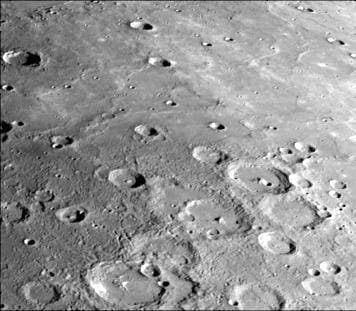
  • Cratered terrain very similar to that on the Moon is shown in this TV photo of Mercury taken by NASA s Mariner 10. Numerous small craters and linear grooves radial to the crater can be seen. Copyright: xpiemagsx piemagsspace-10993 !ACHTUNG AUFNAHMEDATUM GESCHÄTZT!

    Cratered terrain very similar to that on the Moon is shown in this TV photo of Mercury taken by NASA s Mariner 10. Numerous small craters and linear grooves radial to the crater can be seen. Copyright: xpiemagsx piemagsspace-10993 !ACHTUNG AUFNAHMEDATUM GESCHÄTZT!

  • Visit of National Aeronautics and Space Administration (NASA) officials involved in the Mariner II Project, 12:25PM. National Aeronautics and Space Administration (NASA) officials present President John F. Kennedy with a model of the Mariner 2 spacecraft. (L-R) Dr. Robert C. Seamans, Jr., Associate Administrator of NASA; Hugh L. Dryden, Deputy Administrator of NASA; Dr. William H. Pickering, Director of NASAs Jet Propulsion Laboratory (JPL); Jack N. James, Project Manager of Mariner 2 for JPL; Dr. James E. Webb, Administrator of NASA; Robert J. Parks, Planetary Programs Director for JPL; President Kennedy; Dr. Homer E. Newell, Jr., Director of NASAs Office of Space Sciences; Edgar M. Cortright, Deputy Director of NASAs Office of Space Scien Copyright: xpiemagsx
    Visit of National Aeronautics and Space Administration (NASA) officials involved in the Mariner II Project, 12:25PM. National Aeronautics and Space Administration (NASA) officials present President John F. Kennedy with a model of the Mariner 2 spacecraft. (L-R) Dr. Robert C. Seamans, Jr., Associate Administrator of NASA; Hugh L. Dryden, Deputy Administrator of NASA; Dr. William H. Pickering, Director of NASAs Jet Propulsion Laboratory (JPL); Jack N. James, Project Manager of Mariner 2 for JPL; Dr. James E. Webb, Administrator of NASA; Robert J. Parks, Planetary Programs Director for JPL; President Kennedy; Dr. Homer E. Newell, Jr., Director of NASAs Office of Space Sciences; Edgar M. Cortright, Deputy Director of NASAs Office of Space Scien Copyright: xpiemagsx

  • Aug 2, 2019 - Mars Atmosphere - FILE: Lost in the glare following the Apollo 11 Moon landing, two intrepid robotic spacecraft flew by Mars in the summer of 1969 and returned photographs and a trove of scientific information. Launched on Feb. 25 and March 27, respectively, Mariner 6 and 7 arrived at Mars just five days apart despite being launched a month apart. After a flight of 156 days from Earth, Mariner 6 flew within 2,132 miles of Mars on July 31, roughly twice as close as Mariner 4 s flyby in 1965. Controllers lost contact with Mariner 7 for seven hours just five days before its planned flyby, but by Aug. 2, after quick replanning, they restored the spacecraft to full capability as it began its encounter with Mars. Three days later, it passed within 2,130 miles of Mars southern hemisphere. Both spacecraft flew behind the planet and - ZUMAz03_ 20190802_sha_z03_627 Copyright: xNASAx
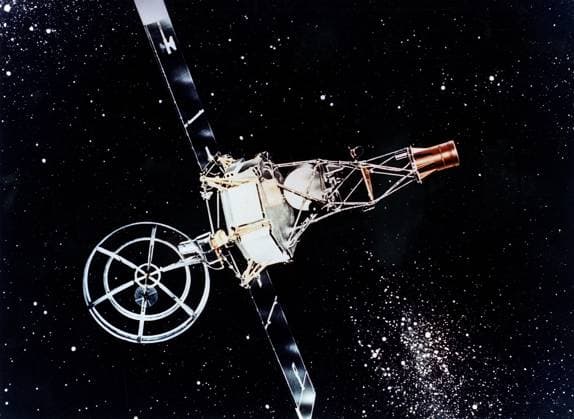
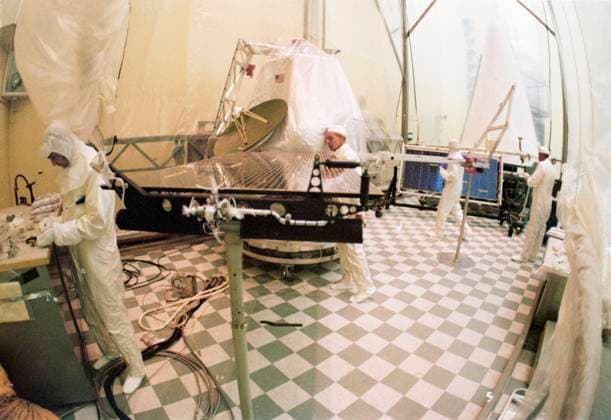
    Aug 2, 2019 - Mars Atmosphere - FILE: Lost in the glare following the Apollo 11 Moon landing, two intrepid robotic spacecraft flew by Mars in the summer of 1969 and returned photographs and a trove of scientific information. Launched on Feb. 25 and March 27, respectively, Mariner 6 and 7 arrived at Mars just five days apart despite being launched a month apart. After a flight of 156 days from Earth, Mariner 6 flew within 2,132 miles of Mars on July 31, roughly twice as close as Mariner 4 s flyby in 1965. Controllers lost contact with Mariner 7 for seven hours just five days before its planned flyby, but by Aug. 2, after quick replanning, they restored the spacecraft to full capability as it began its encounter with Mars. Three days later, it passed within 2,130 miles of Mars southern hemisphere. Both spacecraft flew behind the planet and - ZUMAz03_ 20190802_sha_z03_627 Copyright: xNASAx
  • Patricia Patsy Conklin, an employee in the Bioscience and Planetology Section at NASA s Jet Propulsion Laboratory, is seen in this May 16, 1972, photograph assembling Mariner 9 photos into large mosaics. JPL produced 96 mosaic boards of selected areas of the Martian surface. NASA  WAX2018040701 NASA

    Patricia Patsy Conklin, an employee in the Bioscience and Planetology Section at NASA s Jet Propulsion Laboratory, is seen in this May 16, 1972, photograph assembling Mariner 9 photos into large mosaics. JPL produced 96 mosaic boards of selected areas of the Martian surface. NASA WAX2018040701 NASA

  • This 26 meter (85 foot) antenna operated in Woomera (Island Lagoon), Australia at Deep Space Station (DSS) 41, established in August 1960. The Island Lagoon site was the first deep space station to be established outside the United States and the first Australian antenna NASA built. The station was operated by the Australian Department of Supply and helped support the Ranger and early Mariner missions, as well as communications from the Deep Space Network (DSN) complex in Goldstone, California via a moon bounce. Woomera™s antenna ceased operations in 1972.  Copyright: StocktrekxImages stk204328s

    This 26 meter (85 foot) antenna operated in Woomera (Island Lagoon), Australia at Deep Space Station (DSS) 41, established in August 1960. The Island Lagoon site was the first deep space station to be established outside the United States and the first Australian antenna NASA built. The station was operated by the Australian Department of Supply and helped support the Ranger and early Mariner missions, as well as communications from the Deep Space Network (DSN) complex in Goldstone, California via a moon bounce. Woomera™s antenna ceased operations in 1972. Copyright: StocktrekxImages stk204328s

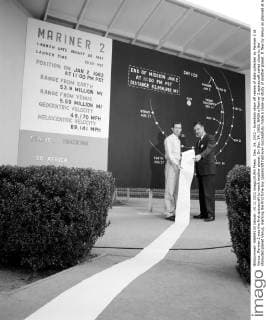
  • Dec. 14, 2012 - Scientists show off reams of data collected by Mariner 2 at Venus. Mariner 2 was the first spacecraft to reach another planet. On Dec. 14, 1962, NASA s Mariner 2 spacecraft sailed close to the shrouded planet Venus, marking the first time any spacecraft had ever successfully made a close-up study of another planet. It flew by Venus as planned at a range of 34,762 km (21,600 miles), scanning the planet s atmosphere and surface for 42 minutes. The spacecraft showed that surface temperature on Venus was at least 425 - ZUMAz03_

    Dec. 14, 2012 - Scientists show off reams of data collected by Mariner 2 at Venus. Mariner 2 was the first spacecraft to reach another planet. On Dec. 14, 1962, NASA s Mariner 2 spacecraft sailed close to the shrouded planet Venus, marking the first time any spacecraft had ever successfully made a close-up study of another planet. It flew by Venus as planned at a range of 34,762 km (21,600 miles), scanning the planet s atmosphere and surface for 42 minutes. The spacecraft showed that surface temperature on Venus was at least 425 - ZUMAz03_

  • MARINER COMMUNICATORS FRED BARNES AND TOM BILBO AT CAIFORNIA INSTITUTE OF TECHNOLOGY MONITORING FLIGHT OF MARINER 2 AS IT VOYAGES TOWARDS PLANET VENUS 1964 UnitedArchives00169533

    MARINER COMMUNICATORS FRED BARNES AND TOM BILBO AT CAIFORNIA INSTITUTE OF TECHNOLOGY MONITORING FLIGHT OF MARINER 2 AS IT VOYAGES TOWARDS PLANET VENUS 1964 UnitedArchives00169533

Collections