EditorialCreativeSportsCollectionsVideos
Prices
0Log in

Visual content for professionals.
800M+ images and videos.

Content Hub

  • Current Events
  • Pictures of the Year
  • Sports
  • Editorial
  • Creative
  • Collections
  • Videos

Offers

  • Prices & Packages
  • Promotions
  • Enterprise
  • Newsletter
  • Blog
  • The Game Magazine

Services

  • Content Research
  • Contract Photography
  • API & FTP Push
  • my-picturemaxx
  • Become a Partner

Company

  • About IMAGO
  • Careers
  • News

Help Center

  • FAQ
  • Contact Us
Legal NoticeTerms & ConditionsLicense InformationData PrivacyPrivacy Settings
© 2026 IMAGO
CEPICBAPLABVPA
  1. Top Photographers in History: Ansel Adams

Top Photographers in History: Ansel Adams

Jan 8, 2024

The following photos have been selected for you by the IMAGO picture desk on this topic. For more pictures please use the search function.

Images in this collection
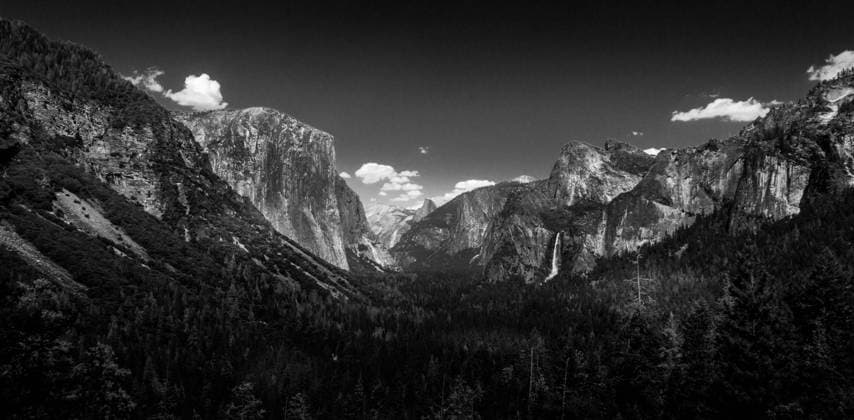
  • RECORD DATE NOT STATED The iconic view of Yosemite Valley and the magnificent El Capitan from Tunnel View in California, USA , 25000712.jpg, beautiful, beauty, black and white, bw, california, cliff, clouds, cloudy, destination, dome, el capitan, evening, fall, forest, granite, high, idyllic, landmark, landscape, light, meadow, merced, mountain, national, natural, nature, outside, overlook, panorama, park, pine, rock, scenic, sky, storm, sunset, terrain, tourism, tree, tunnel, valley, valley view, view, viewpoint, wilderness, yosemite, ansel adams,
    RECORD DATE NOT STATED The iconic view of Yosemite Valley and the magnificent El Capitan from Tunnel View in California, USA , 25000712.jpg, beautiful, beauty, black and white, bw, california, cliff, clouds, cloudy, destination, dome, el capitan, evening, fall, forest, granite, high, idyllic, landmark, landscape, light, meadow, merced, mountain, national, natural, nature, outside, overlook, panorama, park, pine, rock, scenic, sky, storm, sunset, terrain, tourism, tree, tunnel, valley, valley view, view, viewpoint, wilderness, yosemite, ansel adams,

  • Pool in pleasure park, Manzanar Relocation Center, Calif.. Ansel Adams s Photographs of Japanese-American Internment at Manzanar. Copyright: xpiemagsx anseladampie22082022-241 !ACHTUNG AUFNAHMEDATUM GESCHÄTZT!

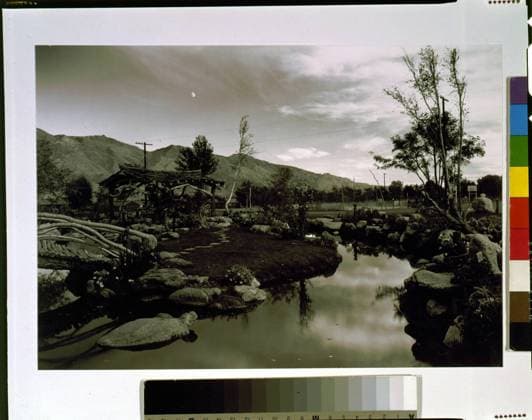
    Pool in pleasure park, Manzanar Relocation Center, Calif.. Ansel Adams s Photographs of Japanese-American Internment at Manzanar. Copyright: xpiemagsx anseladampie22082022-241 !ACHTUNG AUFNAHMEDATUM GESCHÄTZT!

  • Manzanar Relocation Center from tower. Ansel Adams s Photographs of Japanese-American Internment at Manzanar. Copyright: xpiemagsx anseladampie22082022-239 !ACHTUNG AUFNAHMEDATUM GESCHÄTZT!

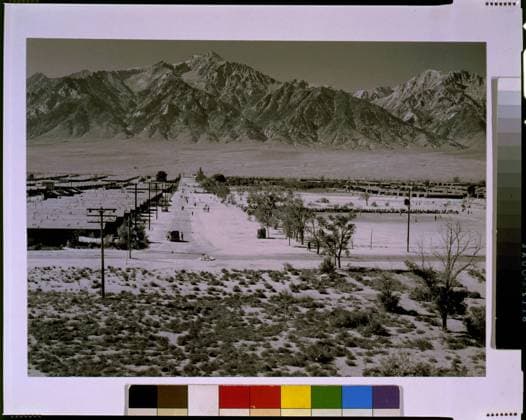
    Manzanar Relocation Center from tower. Ansel Adams s Photographs of Japanese-American Internment at Manzanar. Copyright: xpiemagsx anseladampie22082022-239 !ACHTUNG AUFNAHMEDATUM GESCHÄTZT!

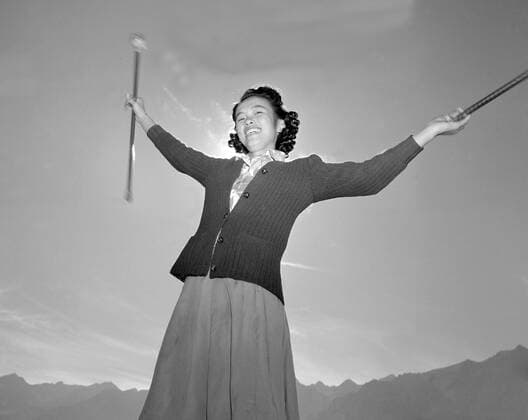
  • Choir, two singers, Manzanar Relocation Center, California. Ansel Adams s Photographs of Japanese-American Internment at Manzanar. Copyright: xpiemagsx anseladampie22082022-230 !ACHTUNG AUFNAHMEDATUM GESCHÄTZT!

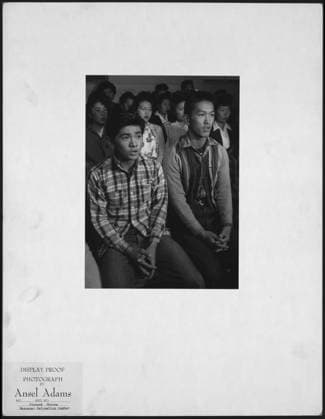
    Choir, two singers, Manzanar Relocation Center, California. Ansel Adams s Photographs of Japanese-American Internment at Manzanar. Copyright: xpiemagsx anseladampie22082022-230 !ACHTUNG AUFNAHMEDATUM GESCHÄTZT!

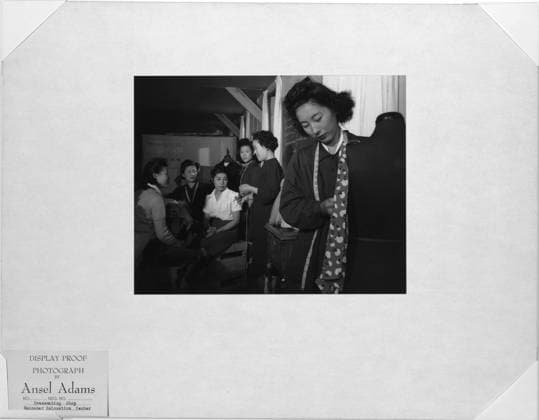
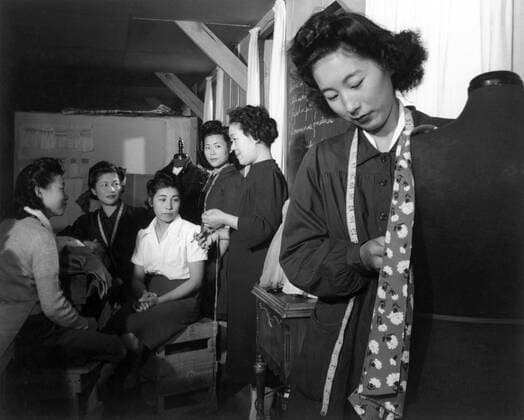
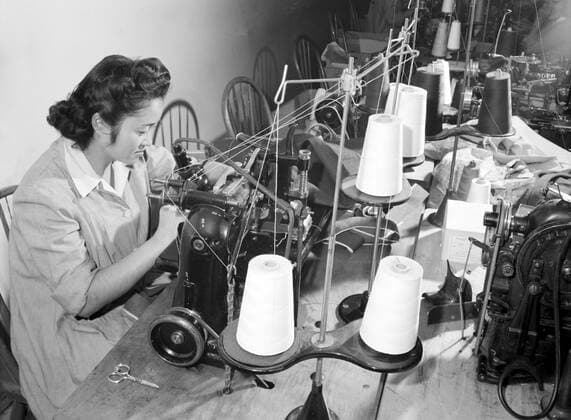
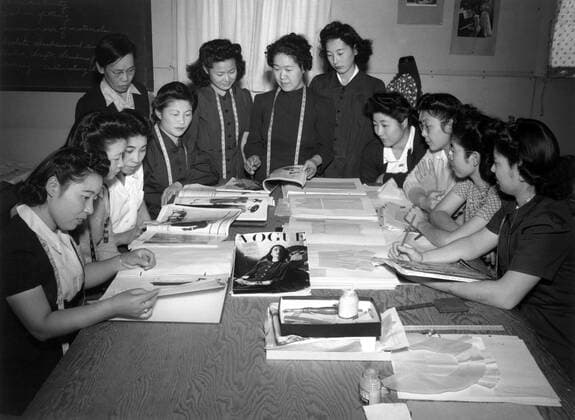
  • Dressmaking class, Manzanar Relocation Center, California. Ansel Adams s Photographs of Japanese-American Internment at Manzanar. Copyright: xpiemagsx anseladampie22082022-228 !ACHTUNG AUFNAHMEDATUM GESCHÄTZT!

    Dressmaking class, Manzanar Relocation Center, California. Ansel Adams s Photographs of Japanese-American Internment at Manzanar. Copyright: xpiemagsx anseladampie22082022-228 !ACHTUNG AUFNAHMEDATUM GESCHÄTZT!

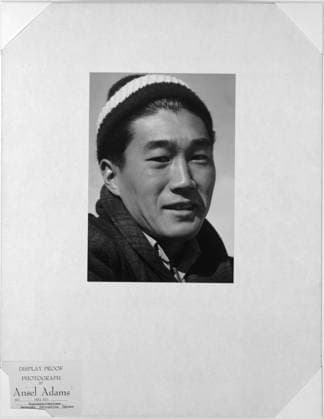
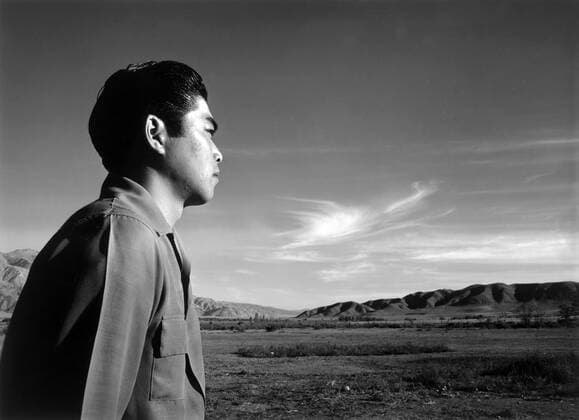
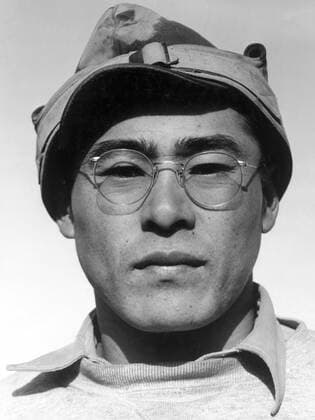
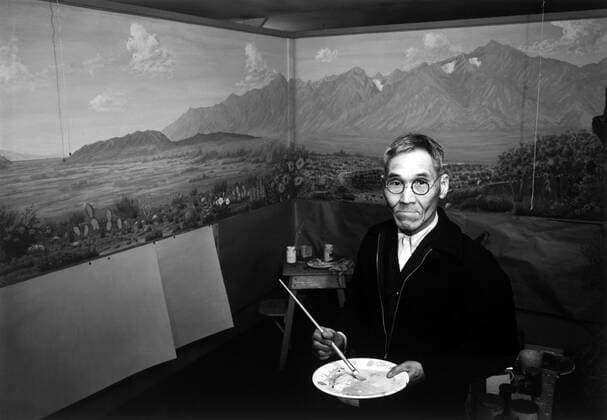
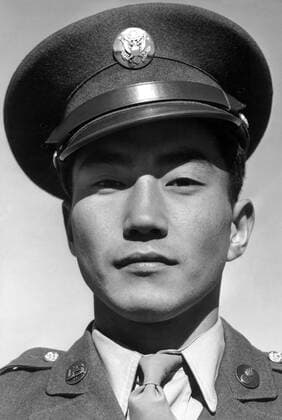
  • Kishio Matoba, Manzanar Relocation Center, California. Ansel Adams s Photographs of Japanese-American Internment at Manzanar. Copyright: xpiemagsx anseladampie22082022-226 !ACHTUNG AUFNAHMEDATUM GESCHÄTZT!

    Kishio Matoba, Manzanar Relocation Center, California. Ansel Adams s Photographs of Japanese-American Internment at Manzanar. Copyright: xpiemagsx anseladampie22082022-226 !ACHTUNG AUFNAHMEDATUM GESCHÄTZT!

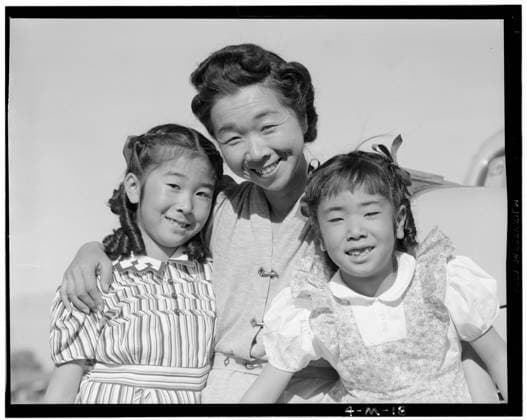
  • Mrs. Nakamura and 2 daughters (Joyce Yuki and Louise Tami). Ansel Adams s Photographs of Japanese-American Internment at Manzanar. Copyright: xpiemagsx anseladampie22082022-49 !ACHTUNG AUFNAHMEDATUM GESCHÄTZT!

    Mrs. Nakamura and 2 daughters (Joyce Yuki and Louise Tami). Ansel Adams s Photographs of Japanese-American Internment at Manzanar. Copyright: xpiemagsx anseladampie22082022-49 !ACHTUNG AUFNAHMEDATUM GESCHÄTZT!

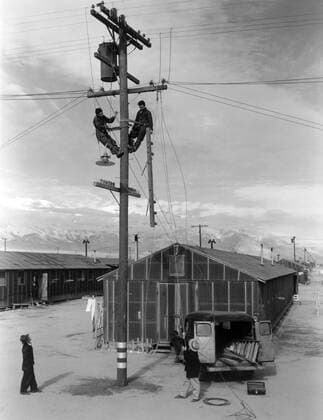
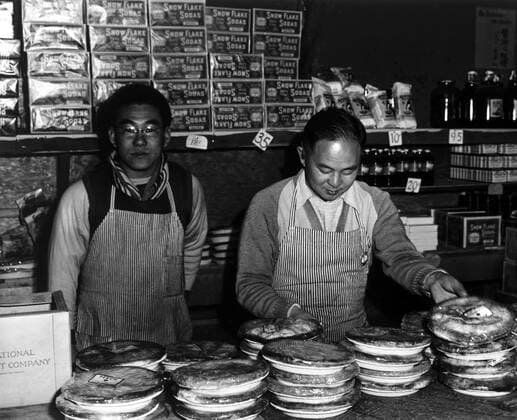
  • Manzanar is most widely known as the site of one of ten camps where over 110,000 Japanese Americans were incarcerated during World War II. Located at the foot of the Sierra Nevada in California s Owens Valley between the towns of Lone Pine to the south and Independence to the north, it is approximately 230 miles (370 km) northeast of Los Angeles.<br ><br > Long before the first incarcerees arrived in March 1942, Manzanar was home to Native Americans, who mostly lived in villages near several creeks in the area. Ranchers and miners formally established the town of Manzanar in 1910, but abandoned the town by 1929 after the City of Los Angeles purchased the water rights to virtually the entire area.<br ><br > Since the last incarcerees left Supplier:xCPAxMediaxCo.xLtd. 1060_05_cpa0026904

    Manzanar is most widely known as the site of one of ten camps where over 110,000 Japanese Americans were incarcerated during World War II. Located at the foot of the Sierra Nevada in California s Owens Valley between the towns of Lone Pine to the south and Independence to the north, it is approximately 230 miles (370 km) northeast of Los Angeles.<br ><br > Long before the first incarcerees arrived in March 1942, Manzanar was home to Native Americans, who mostly lived in villages near several creeks in the area. Ranchers and miners formally established the town of Manzanar in 1910, but abandoned the town by 1929 after the City of Los Angeles purchased the water rights to virtually the entire area.<br ><br > Since the last incarcerees left Supplier:xCPAxMediaxCo.xLtd. 1060_05_cpa0026904

  • Manzanar is most widely known as the site of one of ten camps where over 110,000 Japanese Americans were incarcerated during World War II. Located at the foot of the Sierra Nevada in California s Owens Valley between the towns of Lone Pine to the south and Independence to the north, it is approximately 230 miles (370 km) northeast of Los Angeles.<br ><br > Long before the first incarcerees arrived in March 1942, Manzanar was home to Native Americans, who mostly lived in villages near several creeks in the area. Ranchers and miners formally established the town of Manzanar in 1910, but abandoned the town by 1929 after the City of Los Angeles purchased the water rights to virtually the entire area.<br ><br > Since the last incarcerees left Supplier:xCPAxMediaxCo.xLtd. 1060_05_cpa0026902

    Manzanar is most widely known as the site of one of ten camps where over 110,000 Japanese Americans were incarcerated during World War II. Located at the foot of the Sierra Nevada in California s Owens Valley between the towns of Lone Pine to the south and Independence to the north, it is approximately 230 miles (370 km) northeast of Los Angeles.<br ><br > Long before the first incarcerees arrived in March 1942, Manzanar was home to Native Americans, who mostly lived in villages near several creeks in the area. Ranchers and miners formally established the town of Manzanar in 1910, but abandoned the town by 1929 after the City of Los Angeles purchased the water rights to virtually the entire area.<br ><br > Since the last incarcerees left Supplier:xCPAxMediaxCo.xLtd. 1060_05_cpa0026902

  • Manzanar is most widely known as the site of one of ten camps where over 110,000 Japanese Americans were incarcerated during World War II. Located at the foot of the Sierra Nevada in California s Owens Valley between the towns of Lone Pine to the south and Independence to the north, it is approximately 230 miles (370 km) northeast of Los Angeles.<br ><br > Long before the first incarcerees arrived in March 1942, Manzanar was home to Native Americans, who mostly lived in villages near several creeks in the area. Ranchers and miners formally established the town of Manzanar in 1910, but abandoned the town by 1929 after the City of Los Angeles purchased the water rights to virtually the entire area.<br ><br > Since the last incarcerees left Supplier:xCPAxMediaxCo.xLtd. 1060_05_cpa0026901

    Manzanar is most widely known as the site of one of ten camps where over 110,000 Japanese Americans were incarcerated during World War II. Located at the foot of the Sierra Nevada in California s Owens Valley between the towns of Lone Pine to the south and Independence to the north, it is approximately 230 miles (370 km) northeast of Los Angeles.<br ><br > Long before the first incarcerees arrived in March 1942, Manzanar was home to Native Americans, who mostly lived in villages near several creeks in the area. Ranchers and miners formally established the town of Manzanar in 1910, but abandoned the town by 1929 after the City of Los Angeles purchased the water rights to virtually the entire area.<br ><br > Since the last incarcerees left Supplier:xCPAxMediaxCo.xLtd. 1060_05_cpa0026901

  • Manzanar is most widely known as the site of one of ten camps where over 110,000 Japanese Americans were incarcerated during World War II. Located at the foot of the Sierra Nevada in California s Owens Valley between the towns of Lone Pine to the south and Independence to the north, it is approximately 230 miles (370 km) northeast of Los Angeles.<br ><br > Long before the first incarcerees arrived in March 1942, Manzanar was home to Native Americans, who mostly lived in villages near several creeks in the area. Ranchers and miners formally established the town of Manzanar in 1910, but abandoned the town by 1929 after the City of Los Angeles purchased the water rights to virtually the entire area.<br ><br > Since the last incarcerees left Supplier:xCPAxMediaxCo.xLtd. 1060_05_cpa0026884

    Manzanar is most widely known as the site of one of ten camps where over 110,000 Japanese Americans were incarcerated during World War II. Located at the foot of the Sierra Nevada in California s Owens Valley between the towns of Lone Pine to the south and Independence to the north, it is approximately 230 miles (370 km) northeast of Los Angeles.<br ><br > Long before the first incarcerees arrived in March 1942, Manzanar was home to Native Americans, who mostly lived in villages near several creeks in the area. Ranchers and miners formally established the town of Manzanar in 1910, but abandoned the town by 1929 after the City of Los Angeles purchased the water rights to virtually the entire area.<br ><br > Since the last incarcerees left Supplier:xCPAxMediaxCo.xLtd. 1060_05_cpa0026884

  • Manzanar is most widely known as the site of one of ten camps where over 110,000 Japanese Americans were incarcerated during World War II. Located at the foot of the Sierra Nevada in California s Owens Valley between the towns of Lone Pine to the south and Independence to the north, it is approximately 230 miles (370 km) northeast of Los Angeles.<br ><br > Long before the first incarcerees arrived in March 1942, Manzanar was home to Native Americans, who mostly lived in villages near several creeks in the area. Ranchers and miners formally established the town of Manzanar in 1910, but abandoned the town by 1929 after the City of Los Angeles purchased the water rights to virtually the entire area.<br ><br > Since the last incarcerees left Supplier:xCPAxMediaxCo.xLtd. 1060_05_cpa0026882

    Manzanar is most widely known as the site of one of ten camps where over 110,000 Japanese Americans were incarcerated during World War II. Located at the foot of the Sierra Nevada in California s Owens Valley between the towns of Lone Pine to the south and Independence to the north, it is approximately 230 miles (370 km) northeast of Los Angeles.<br ><br > Long before the first incarcerees arrived in March 1942, Manzanar was home to Native Americans, who mostly lived in villages near several creeks in the area. Ranchers and miners formally established the town of Manzanar in 1910, but abandoned the town by 1929 after the City of Los Angeles purchased the water rights to virtually the entire area.<br ><br > Since the last incarcerees left Supplier:xCPAxMediaxCo.xLtd. 1060_05_cpa0026882

  • Manzanar is most widely known as the site of one of ten camps where over 110,000 Japanese Americans were incarcerated during World War II. Located at the foot of the Sierra Nevada in California s Owens Valley between the towns of Lone Pine to the south and Independence to the north, it is approximately 230 miles (370 km) northeast of Los Angeles.<br ><br > Long before the first incarcerees arrived in March 1942, Manzanar was home to Native Americans, who mostly lived in villages near several creeks in the area. Ranchers and miners formally established the town of Manzanar in 1910, but abandoned the town by 1929 after the City of Los Angeles purchased the water rights to virtually the entire area.<br ><br > Since the last incarcerees left Supplier:xCPAxMediaxCo.xLtd. 1060_05_cpa0026880

    Manzanar is most widely known as the site of one of ten camps where over 110,000 Japanese Americans were incarcerated during World War II. Located at the foot of the Sierra Nevada in California s Owens Valley between the towns of Lone Pine to the south and Independence to the north, it is approximately 230 miles (370 km) northeast of Los Angeles.<br ><br > Long before the first incarcerees arrived in March 1942, Manzanar was home to Native Americans, who mostly lived in villages near several creeks in the area. Ranchers and miners formally established the town of Manzanar in 1910, but abandoned the town by 1929 after the City of Los Angeles purchased the water rights to virtually the entire area.<br ><br > Since the last incarcerees left Supplier:xCPAxMediaxCo.xLtd. 1060_05_cpa0026880

  • Manzanar is most widely known as the site of one of ten camps where over 110,000 Japanese Americans were incarcerated during World War II. Located at the foot of the Sierra Nevada in California s Owens Valley between the towns of Lone Pine to the south and Independence to the north, it is approximately 230 miles (370 km) northeast of Los Angeles.<br ><br > Long before the first incarcerees arrived in March 1942, Manzanar was home to Native Americans, who mostly lived in villages near several creeks in the area. Ranchers and miners formally established the town of Manzanar in 1910, but abandoned the town by 1929 after the City of Los Angeles purchased the water rights to virtually the entire area.<br ><br > Since the last incarcerees left Supplier:xCPAxMediaxCo.xLtd. 1060_05_cpa0026758

    Manzanar is most widely known as the site of one of ten camps where over 110,000 Japanese Americans were incarcerated during World War II. Located at the foot of the Sierra Nevada in California s Owens Valley between the towns of Lone Pine to the south and Independence to the north, it is approximately 230 miles (370 km) northeast of Los Angeles.<br ><br > Long before the first incarcerees arrived in March 1942, Manzanar was home to Native Americans, who mostly lived in villages near several creeks in the area. Ranchers and miners formally established the town of Manzanar in 1910, but abandoned the town by 1929 after the City of Los Angeles purchased the water rights to virtually the entire area.<br ><br > Since the last incarcerees left Supplier:xCPAxMediaxCo.xLtd. 1060_05_cpa0026758

  • Manzanar is most widely known as the site of one of ten camps where over 110,000 Japanese Americans were incarcerated during World War II. Located at the foot of the Sierra Nevada in California s Owens Valley between the towns of Lone Pine to the south and Independence to the north, it is approximately 230 miles (370 km) northeast of Los Angeles.<br ><br > Long before the first incarcerees arrived in March 1942, Manzanar was home to Native Americans, who mostly lived in villages near several creeks in the area. Ranchers and miners formally established the town of Manzanar in 1910, but abandoned the town by 1929 after the City of Los Angeles purchased the water rights to virtually the entire area.<br ><br > Since the last incarcerees left Supplier:xCPAxMediaxCo.xLtd. 1060_05_cpa0026757

    Manzanar is most widely known as the site of one of ten camps where over 110,000 Japanese Americans were incarcerated during World War II. Located at the foot of the Sierra Nevada in California s Owens Valley between the towns of Lone Pine to the south and Independence to the north, it is approximately 230 miles (370 km) northeast of Los Angeles.<br ><br > Long before the first incarcerees arrived in March 1942, Manzanar was home to Native Americans, who mostly lived in villages near several creeks in the area. Ranchers and miners formally established the town of Manzanar in 1910, but abandoned the town by 1929 after the City of Los Angeles purchased the water rights to virtually the entire area.<br ><br > Since the last incarcerees left Supplier:xCPAxMediaxCo.xLtd. 1060_05_cpa0026757

  • Manzanar is most widely known as the site of one of ten camps where over 110,000 Japanese Americans were incarcerated during World War II. Located at the foot of the Sierra Nevada in California s Owens Valley between the towns of Lone Pine to the south and Independence to the north, it is approximately 230 miles (370 km) northeast of Los Angeles.<br ><br > Long before the first incarcerees arrived in March 1942, Manzanar was home to Native Americans, who mostly lived in villages near several creeks in the area. Ranchers and miners formally established the town of Manzanar in 1910, but abandoned the town by 1929 after the City of Los Angeles purchased the water rights to virtually the entire area.<br ><br > Since the last incarcerees left Supplier:xCPAxMediaxCo.xLtd. 1060_05_cpa0026756

    Manzanar is most widely known as the site of one of ten camps where over 110,000 Japanese Americans were incarcerated during World War II. Located at the foot of the Sierra Nevada in California s Owens Valley between the towns of Lone Pine to the south and Independence to the north, it is approximately 230 miles (370 km) northeast of Los Angeles.<br ><br > Long before the first incarcerees arrived in March 1942, Manzanar was home to Native Americans, who mostly lived in villages near several creeks in the area. Ranchers and miners formally established the town of Manzanar in 1910, but abandoned the town by 1929 after the City of Los Angeles purchased the water rights to virtually the entire area.<br ><br > Since the last incarcerees left Supplier:xCPAxMediaxCo.xLtd. 1060_05_cpa0026756

  • Manzanar is most widely known as the site of one of ten camps where over 110,000 Japanese Americans were incarcerated during World War II. Located at the foot of the Sierra Nevada in California s Owens Valley between the towns of Lone Pine to the south and Independence to the north, it is approximately 230 miles (370 km) northeast of Los Angeles.<br ><br > Long before the first incarcerees arrived in March 1942, Manzanar was home to Native Americans, who mostly lived in villages near several creeks in the area. Ranchers and miners formally established the town of Manzanar in 1910, but abandoned the town by 1929 after the City of Los Angeles purchased the water rights to virtually the entire area.<br ><br > Since the last incarcerees left Supplier:xCPAxMediaxCo.xLtd. 1060_05_cpa0026755

    Manzanar is most widely known as the site of one of ten camps where over 110,000 Japanese Americans were incarcerated during World War II. Located at the foot of the Sierra Nevada in California s Owens Valley between the towns of Lone Pine to the south and Independence to the north, it is approximately 230 miles (370 km) northeast of Los Angeles.<br ><br > Long before the first incarcerees arrived in March 1942, Manzanar was home to Native Americans, who mostly lived in villages near several creeks in the area. Ranchers and miners formally established the town of Manzanar in 1910, but abandoned the town by 1929 after the City of Los Angeles purchased the water rights to virtually the entire area.<br ><br > Since the last incarcerees left Supplier:xCPAxMediaxCo.xLtd. 1060_05_cpa0026755

  • Manzanar is most widely known as the site of one of ten camps where over 110,000 Japanese Americans were incarcerated during World War II. Located at the foot of the Sierra Nevada in California s Owens Valley between the towns of Lone Pine to the south and Independence to the north, it is approximately 230 miles (370 km) northeast of Los Angeles.<br ><br > Long before the first incarcerees arrived in March 1942, Manzanar was home to Native Americans, who mostly lived in villages near several creeks in the area. Ranchers and miners formally established the town of Manzanar in 1910, but abandoned the town by 1929 after the City of Los Angeles purchased the water rights to virtually the entire area.<br ><br > Since the last incarcerees left Supplier:xCPAxMediaxCo.xLtd. 1060_05_cpa0026750

    Manzanar is most widely known as the site of one of ten camps where over 110,000 Japanese Americans were incarcerated during World War II. Located at the foot of the Sierra Nevada in California s Owens Valley between the towns of Lone Pine to the south and Independence to the north, it is approximately 230 miles (370 km) northeast of Los Angeles.<br ><br > Long before the first incarcerees arrived in March 1942, Manzanar was home to Native Americans, who mostly lived in villages near several creeks in the area. Ranchers and miners formally established the town of Manzanar in 1910, but abandoned the town by 1929 after the City of Los Angeles purchased the water rights to virtually the entire area.<br ><br > Since the last incarcerees left Supplier:xCPAxMediaxCo.xLtd. 1060_05_cpa0026750

  • Manzanar is most widely known as the site of one of ten camps where over 110,000 Japanese Americans were incarcerated during World War II. Located at the foot of the Sierra Nevada in California s Owens Valley between the towns of Lone Pine to the south and Independence to the north, it is approximately 230 miles (370 km) northeast of Los Angeles.<br ><br > Long before the first incarcerees arrived in March 1942, Manzanar was home to Native Americans, who mostly lived in villages near several creeks in the area. Ranchers and miners formally established the town of Manzanar in 1910, but abandoned the town by 1929 after the City of Los Angeles purchased the water rights to virtually the entire area.<br ><br > Since the last incarcerees left Supplier:xCPAxMediaxCo.xLtd. 1060_05_cpa0026273

    Manzanar is most widely known as the site of one of ten camps where over 110,000 Japanese Americans were incarcerated during World War II. Located at the foot of the Sierra Nevada in California s Owens Valley between the towns of Lone Pine to the south and Independence to the north, it is approximately 230 miles (370 km) northeast of Los Angeles.<br ><br > Long before the first incarcerees arrived in March 1942, Manzanar was home to Native Americans, who mostly lived in villages near several creeks in the area. Ranchers and miners formally established the town of Manzanar in 1910, but abandoned the town by 1929 after the City of Los Angeles purchased the water rights to virtually the entire area.<br ><br > Since the last incarcerees left Supplier:xCPAxMediaxCo.xLtd. 1060_05_cpa0026273

  • Manzanar is most widely known as the site of one of ten camps where over 110,000 Japanese Americans were incarcerated during World War II. Located at the foot of the Sierra Nevada in California s Owens Valley between the towns of Lone Pine to the south and Independence to the north, it is approximately 230 miles (370 km) northeast of Los Angeles.<br ><br > Long before the first incarcerees arrived in March 1942, Manzanar was home to Native Americans, who mostly lived in villages near several creeks in the area. Ranchers and miners formally established the town of Manzanar in 1910, but abandoned the town by 1929 after the City of Los Angeles purchased the water rights to virtually the entire area.<br ><br > Since the last incarcerees left Supplier:xCPAxMediaxCo.xLtd. 1060_05_cpa0026272

    Manzanar is most widely known as the site of one of ten camps where over 110,000 Japanese Americans were incarcerated during World War II. Located at the foot of the Sierra Nevada in California s Owens Valley between the towns of Lone Pine to the south and Independence to the north, it is approximately 230 miles (370 km) northeast of Los Angeles.<br ><br > Long before the first incarcerees arrived in March 1942, Manzanar was home to Native Americans, who mostly lived in villages near several creeks in the area. Ranchers and miners formally established the town of Manzanar in 1910, but abandoned the town by 1929 after the City of Los Angeles purchased the water rights to virtually the entire area.<br ><br > Since the last incarcerees left Supplier:xCPAxMediaxCo.xLtd. 1060_05_cpa0026272

  • Manzanar is most widely known as the site of one of ten camps where over 110,000 Japanese Americans were incarcerated during World War II. Located at the foot of the Sierra Nevada in California s Owens Valley between the towns of Lone Pine to the south and Independence to the north, it is approximately 230 miles (370 km) northeast of Los Angeles.<br ><br > Long before the first incarcerees arrived in March 1942, Manzanar was home to Native Americans, who mostly lived in villages near several creeks in the area. Ranchers and miners formally established the town of Manzanar in 1910, but abandoned the town by 1929 after the City of Los Angeles purchased the water rights to virtually the entire area.<br ><br > Since the last incarcerees left Supplier:xCPAxMediaxCo.xLtd. 1060_05_cpa0026268

    Manzanar is most widely known as the site of one of ten camps where over 110,000 Japanese Americans were incarcerated during World War II. Located at the foot of the Sierra Nevada in California s Owens Valley between the towns of Lone Pine to the south and Independence to the north, it is approximately 230 miles (370 km) northeast of Los Angeles.<br ><br > Long before the first incarcerees arrived in March 1942, Manzanar was home to Native Americans, who mostly lived in villages near several creeks in the area. Ranchers and miners formally established the town of Manzanar in 1910, but abandoned the town by 1929 after the City of Los Angeles purchased the water rights to virtually the entire area.<br ><br > Since the last incarcerees left Supplier:xCPAxMediaxCo.xLtd. 1060_05_cpa0026268

  • Manzanar is most widely known as the site of one of ten camps where over 110,000 Japanese Americans were incarcerated during World War II. Located at the foot of the Sierra Nevada in California s Owens Valley between the towns of Lone Pine to the south and Independence to the north, it is approximately 230 miles (370 km) northeast of Los Angeles.<br ><br > Long before the first incarcerees arrived in March 1942, Manzanar was home to Native Americans, who mostly lived in villages near several creeks in the area. Ranchers and miners formally established the town of Manzanar in 1910, but abandoned the town by 1929 after the City of Los Angeles purchased the water rights to virtually the entire area.<br ><br > Since the last incarcerees left Supplier:xCPAxMediaxCo.xLtd. 1060_05_cpa0026266

    Manzanar is most widely known as the site of one of ten camps where over 110,000 Japanese Americans were incarcerated during World War II. Located at the foot of the Sierra Nevada in California s Owens Valley between the towns of Lone Pine to the south and Independence to the north, it is approximately 230 miles (370 km) northeast of Los Angeles.<br ><br > Long before the first incarcerees arrived in March 1942, Manzanar was home to Native Americans, who mostly lived in villages near several creeks in the area. Ranchers and miners formally established the town of Manzanar in 1910, but abandoned the town by 1929 after the City of Los Angeles purchased the water rights to virtually the entire area.<br ><br > Since the last incarcerees left Supplier:xCPAxMediaxCo.xLtd. 1060_05_cpa0026266

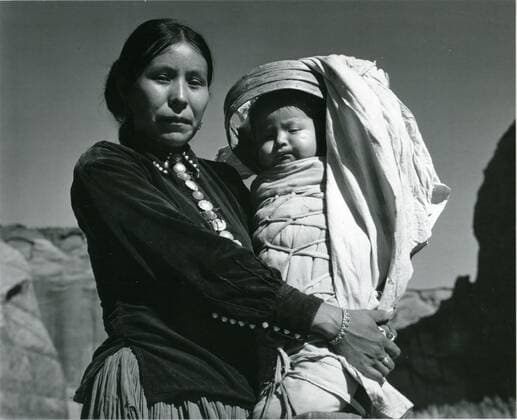
  • Navajo Woman and infant. Canyon de Chelly National Monument, Arizona. About 1941. Photo by Ansel Adams National Park Service GG Vintage Images 1063_05_Navajo Mother With Child on Cradleboard

    Navajo Woman and infant. Canyon de Chelly National Monument, Arizona. About 1941. Photo by Ansel Adams National Park Service GG Vintage Images 1063_05_Navajo Mother With Child on Cradleboard

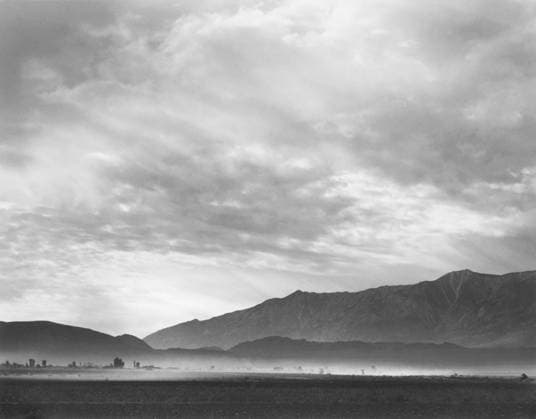
  • October 11, 2020, Manzanar, California, USA: Dust Storm at base of Mountain on Cloudy Day, View from Manzanar Relocation Center, Manzanar, California, USA, Ansel Adams, Manzanar War Relocation Center photographs, 1943 Manzanar USA - ZUMAg145 20201011_zza_g145_003 Copyright: xJTxVintagex
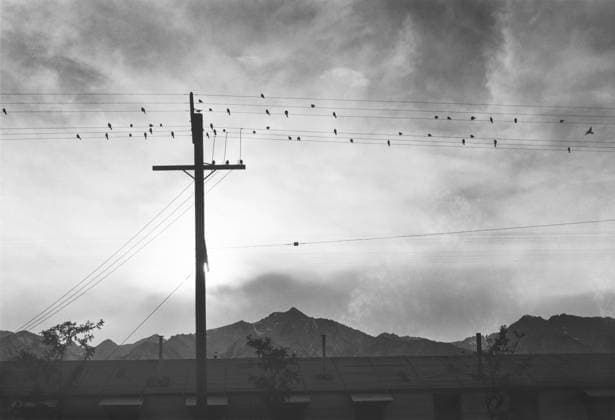
    October 11, 2020, Manzanar, California, USA: Dust Storm at base of Mountain on Cloudy Day, View from Manzanar Relocation Center, Manzanar, California, USA, Ansel Adams, Manzanar War Relocation Center photographs, 1943 Manzanar USA - ZUMAg145 20201011_zza_g145_003 Copyright: xJTxVintagex

  • October 11, 2020, Manzanar, California, USA: Birds on Wires at Sunset with Mountains in Background, Manzanar Relocation Center, Manzanar, California, USA, Ansel Adams, Manzanar War Relocation Center photographs, 1943 Manzanar USA - ZUMAg145 20201011_zza_g145_004 Copyright: xJTxVintagex
    October 11, 2020, Manzanar, California, USA: Birds on Wires at Sunset with Mountains in Background, Manzanar Relocation Center, Manzanar, California, USA, Ansel Adams, Manzanar War Relocation Center photographs, 1943 Manzanar USA - ZUMAg145 20201011_zza_g145_004 Copyright: xJTxVintagex
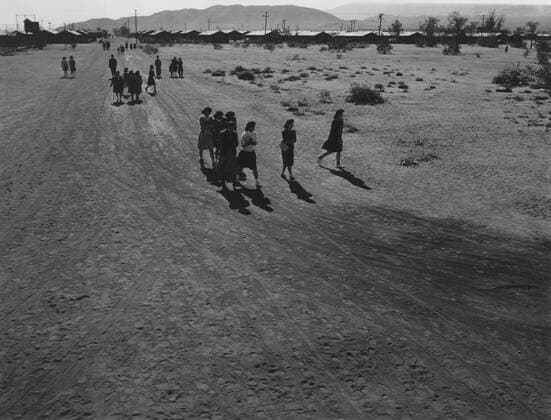
  • Interned Japanese Americans, mostly women, holding books, walking on a dirt road, within the guarded fences of the Manzanar Relocation Center during World War II. Master photographer Ansel Adams captured the bleak landscape of the isolated internment camp Courtesy Everett Collection PUBLICATIONXNOTxINxCANxCHNxFRAxITAxJPNxNORxPOLxRUSxESPxUKxUSA Copyright: xCourtesyxEverettxCollectionx HISL017 EC116

    Interned Japanese Americans, mostly women, holding books, walking on a dirt road, within the guarded fences of the Manzanar Relocation Center during World War II. Master photographer Ansel Adams captured the bleak landscape of the isolated internment camp Courtesy Everett Collection PUBLICATIONXNOTxINxCANxCHNxFRAxITAxJPNxNORxPOLxRUSxESPxUKxUSA Copyright: xCourtesyxEverettxCollectionx HISL017 EC116

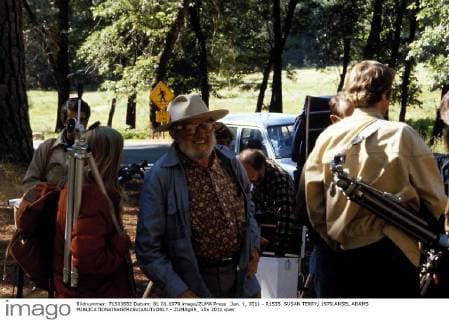
  • Jan. 1, 2011 - R1535. SUSAN TERRY 1979.ANSEL ADAMS - ZUMAg49_

    Jan. 1, 2011 - R1535. SUSAN TERRY 1979.ANSEL ADAMS - ZUMAg49_

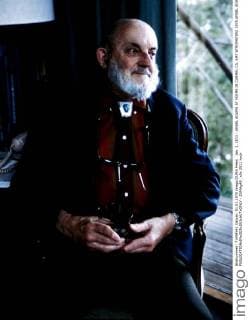
  • Jan. 1, 2011 - ANSEL ADAMS AT HOIME IN CARMEL CA. AMY STROMSTEN 1975.ANSEL ADAMS - ZUMAg49_

    Jan. 1, 2011 - ANSEL ADAMS AT HOIME IN CARMEL CA. AMY STROMSTEN 1975.ANSEL ADAMS - ZUMAg49_

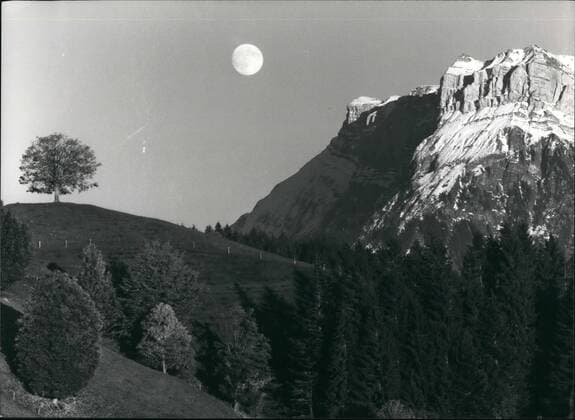
  • Nov. 11, 1989 - Moon rising in the Swiss Alps: Ansel Adams once took a beautiful picture of the full moon over a landscape in the United States of America. Our picture shows the rising full moon over a landscape in the Swiss alps on November 13th 1989.  - ZUMAk09

    Nov. 11, 1989 - Moon rising in the Swiss Alps: Ansel Adams once took a beautiful picture of the full moon over a landscape in the United States of America. Our picture shows the rising full moon over a landscape in the Swiss alps on November 13th 1989. - ZUMAk09

Collections
Curations