EditorialCreativeSportsCollectionsVideos
Prices
0Log in

Visual content for professionals.
800M+ images and videos.

Content Hub

  • Current Events
  • Pictures of the Year
  • Sports
  • Editorial
  • Creative
  • Collections
  • Videos

Offers

  • Prices & Packages
  • Promotions
  • Enterprise
  • Newsletter
  • Blog
  • The Game Magazine

Services

  • Content Research
  • Contract Photography
  • API & FTP Push
  • my-picturemaxx
  • Become a Partner

Company

  • About IMAGO
  • Careers
  • News

Help Center

  • FAQ
  • Contact Us
Legal NoticeTerms & ConditionsLicense InformationData PrivacyPrivacy Settings
© 2026 IMAGO
CEPICBAPLABVPA
Back to collections

Archive pictures of the week 14

Apr 7, 2024

The following photos have been selected for you by the IMAGO picture desk on this topic. For more pictures please use the search function.
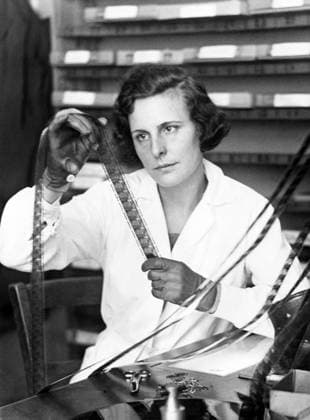
  • Germany: Leni Riefenstahl (1902-2003), working on the film Triumph of the Will , Berlin, 1934 Helene Bertha Amalie Leni Riefenstahl (22 August 1902 8 September 2003) was a German film director, producer, screenwriter, editor, photographer, actress, dancer, and propagandist for the Nazis. Copyright: xxPicturesxFromxHistoryx
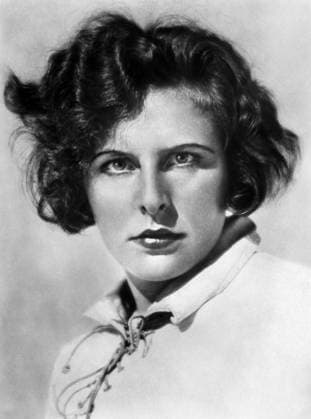
  • Germany: Leni Riefenstahl (1902-2003), portrait, 1933 Helene Bertha Amalie Leni Riefenstahl (22 August 1902 8 September 2003) was a German film director, producer, screenwriter, editor, photographer, actress, dancer, and propagandist for the Nazis. Copyright: xxPicturesxFromxHistoryx
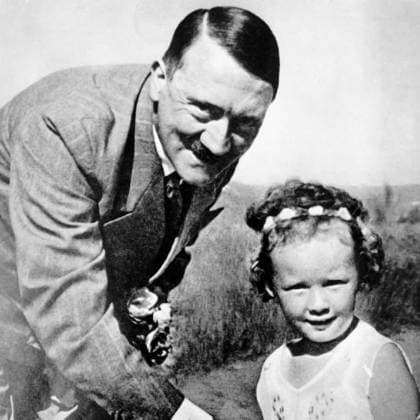
  • Germany: Adolf Hitler posing with a little girl, 1935 Adolf Hitler (20 April 1889 30 April 1945) was a German politician of Austrian origin who was the leader of the Nazi Party (NSDAP), Chancellor of Germany from 1933 to 1945, and Führer ( leader ) of Nazi Germany from 1934 to 1945.<br ><br > As dictator of Nazi Germany he initiated World War II in Europe and was a central figure of the Holocaust. Copyright: xxPicturesxFromxHistoryx
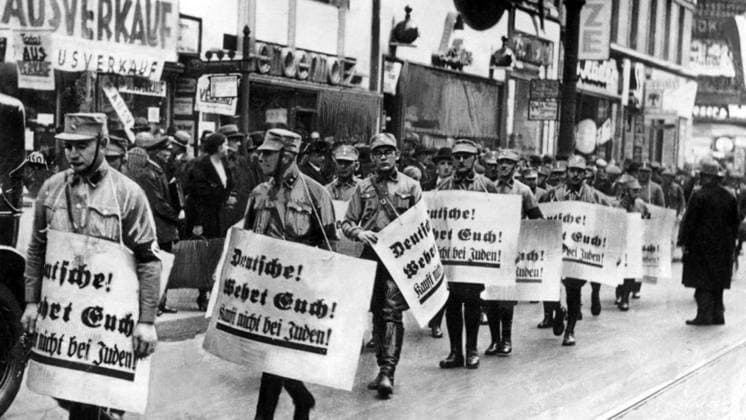
  • Germany: Nazi stormtroopers march with signs reading Germans Defend Yourselves - Don t Buy from Jews , 1938 Kristallnacht or Crystal Night , also referred to as the Night of Broken Glass, was a pogrom against Jews throughout Nazi Germany and Austria that took place on 9 10 November 1938, carried out by SA paramilitary forces and German civilians.<br ><br > German authorities looked on without intervening. The name Kristallnacht comes from the shards of broken glass that littered the streets after Jewish-owned stores, buildings, and synagogues had their windows smashed. Copyright: xxPicturesxFromxHistoryx
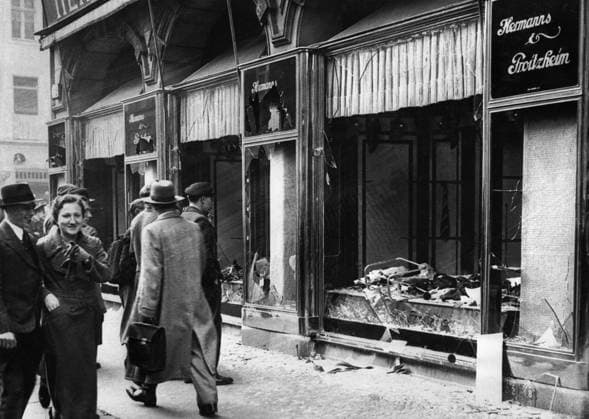
  • Germany: Shattered storefront of a Jewish-owned shop destroyed during Kristallnacht, Berlin, 1938. Photo by George Pahl (CC BY-SA 3.0 DE License) Kristallnacht or Crystal Night , also referred to as the Night of Broken Glass, was a pogrom against Jews throughout Nazi Germany and Austria that took place on 9 10 November 1938, carried out by SA (Sturmabteilung or Brownshirts) paramilitary forces and German civilians.<br ><br > German authorities looked on without intervening. The name Kristallnacht comes from the shards of broken glass that littered the streets after Jewish-owned stores, buildings, and synagogues had their windows smashed. Copyright: xGeorgexPahlx(CCxBY-SAx3.0xDExLicxPicturesxFromxHistoryx
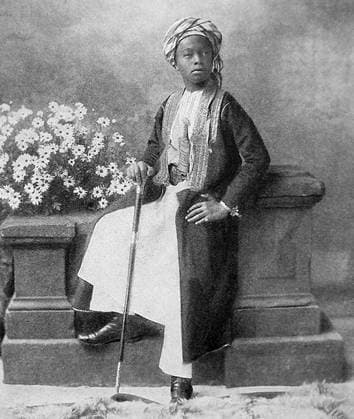
  • Tanzania Zanzibar: Sayyid Ali bin Hamud Al-Busaid, Sultan of Zanzibar (r. 1902-1911) as the crown prince c. 1895 Sayyid Ali bin Hamud Al-Busaid (June 7, 1884 December 20, 1918) was the eighth Sultan of Zanzibar. Ali ruled Zanzibar from July 20, 1902 to December 9, 1911, having succeeded to the throne on the death of his father, the seventh Sultan.<br ><br > He served only a few years as sultan because of illness. In 1911 he abdicated in favour of his brother-in-law Sayyid Khalifa bin Harub Al-Busaid. Copyright: xxPicturesxFromxHistoryx
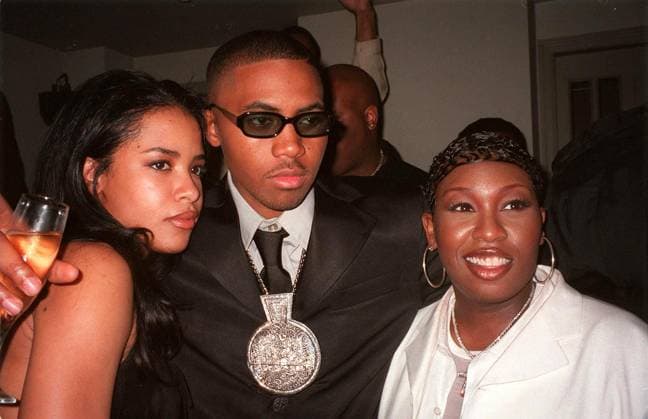
  • NAS ALBUM RELEASE PARTY NAS ALBUM RELEASE PARTY HELD AT FLOAT. NEW YORK - 06 APRIL 1999., Credit:Aubrey Reuben Avalon 0542992869
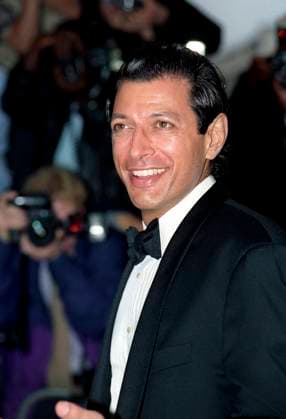
  • Jurassic Park Premiere Jeff Goldblum attends the Royal European Charity Premiere of Jurassic Park at the Empire, Leicester Square, London, Credit:Avalon 0542985247
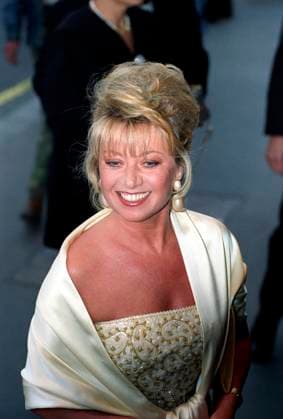
  • Sunset Boulevard Opening Night Elaine Paige arrive for the Opening Night of Sunset Boulevard at the Adelphi Theatre, London, Credit:Photoshot Avalon 0542983725
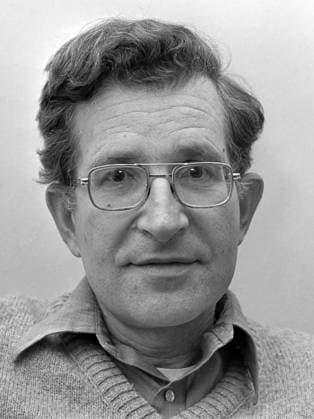
  • USA: Noam Chomsky (1928 - ), aged 49. Hans Peters, 1977 Avram Noam Chomsky (born December 7, 1928) is an American linguist, philosopher, cognitive scientist, logician, political commentator, social justice activist, and anarcho-syndicalist. Sometimes described as the father of modern linguistics , Chomsky is also a major figure in analytic philosophy.<br ><br > Chomsky has spent most of his career at the Massachusetts Institute of Technology (MIT), where he is currently Professor Emeritus, and has authored over 100 books. Copyright: xHansxPetersx xNationaalxArchiefxPicturesxFromxHistoryx
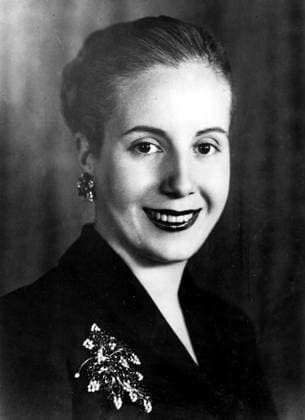
  • Argentina: Eva Peron (1919-1952), First Lady of Argentina 1948-1952, Buenos Aires, 1949 Maria Eva Duarte de Peron (7 May 1919 26 July 1952) was the second wife of Argentine President Juan Peron (1895 1974) and served as the First Lady of Argentina from 1946 until her death in 1952.<br ><br > She is usually referred to as Eva Peron, or by the affectionate Spanish language diminutive Evita. Copyright: xxPicturesxFromxHistoryx
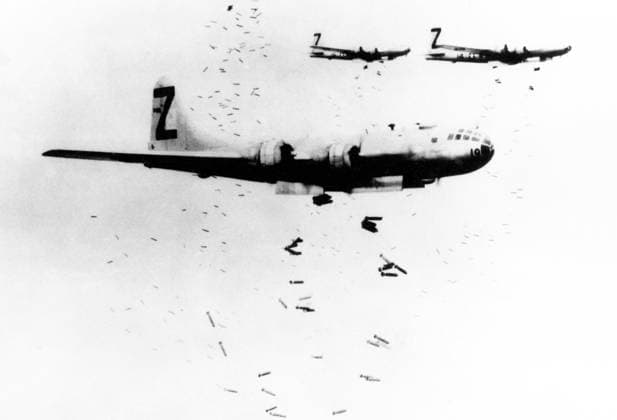
  • USA Japan: A flight of USAAF B-29 bombers release incendiary bombs on Yokohama in May 1945 Allied forces conducted many air raids on Japan during World War II, causing extensive destruction to the country s cities and killing between 241,000 and 900,000 people. During the first years of the Pacific War, sparked by the Japanese attack on Pearl Harbor, these attacks were limited to the Doolittle Raid in April 1942 and small-scale raids on military positions in the Kuril Islands from mid-1943.<br ><br > Strategic bombing raids began in June 1944 and continued until the end of the war in August 1945. Allied naval and land-based tactical air units also attacked Japan during 1945. Copyright: xxPicturesxFromxHistoryx
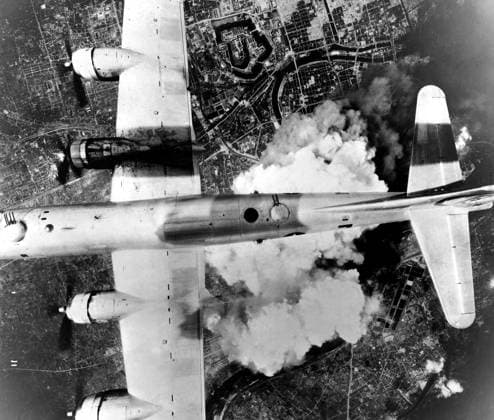
  • USA JApan: A USAAF B-29 bomber over Osaka, 1 June 1945 Allied forces conducted many air raids on Japan during World War II, causing extensive destruction to the country s cities and killing between 241,000 and 900,000 people. During the first years of the Pacific War, sparked by the Japanese attack on Pearl Harbor, these attacks were limited to the Doolittle Raid in April 1942 and small-scale raids on military positions in the Kuril Islands from mid-1943.<br ><br > Strategic bombing raids began in June 1944 and continued until the end of the war in August 1945. Allied naval and land-based tactical air units also attacked Japan during 1945. Copyright: xxPicturesxFromxHistoryx
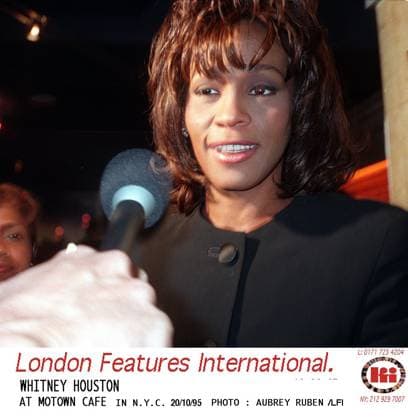
  • Whitney Houston Whitney Houston at Motown Cafe in N.Y., Credit:Aubrey Reuben Avalon 0542971066
  • Jason Priestley Jason Priestley , Credit:Julian Barton Avalon 0542965813
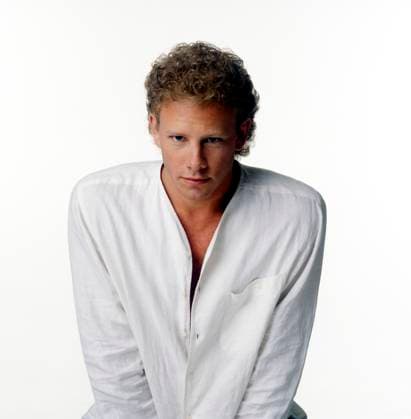
  • Ian Ziering Ian Ziering Beverly Hills 90210 , Credit:Mike Prior Avalon 0542965761
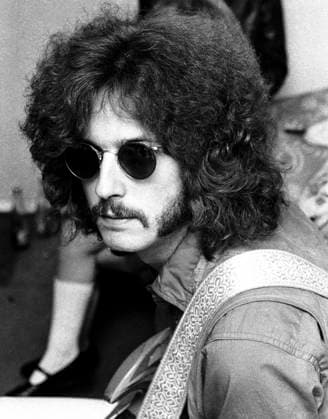
  • Eric Clapton and Cream Photo Archive Cream 1967 Eric Clapton., Credit:Chris Walter Avalon 0542954409
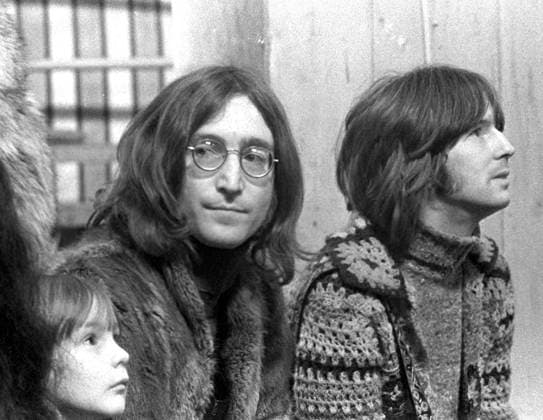
  • Beatles Photo Archive John Lennon 1968 with Julian Lennon and Eric Clapton at the Rolling Stones Rock & Roll Circus, Credit:Chris Walter Avalon 0542954379
  • Oasis Oasis 10 97, Credit:Awais Butt Avalon 0542916341
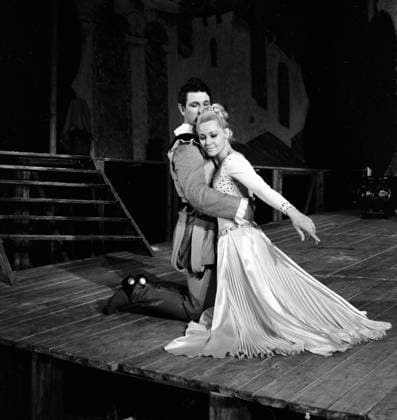
  • BELYAVSKY KONYUKHOVA 59913 01.11.1971 Actor Alexander Belyavsky (left) as Laurencio and actress Tatiana Konyukhova (right) as Finea in theatrical staging of Lope de Vega s comedy La Dama Boba (An Idiot) by Moscow theatre studio Galina Kmit Sputnik Moscow Russia  Copyright: xGalinaxKmitx
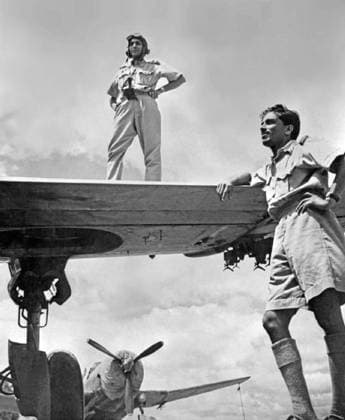
  • Burma Myanmar India: Two Indian Air Force pilots pose with their US-built Vultee A-31 Vengeance dive bombers at an air base from where they attacked the Japanese during the Burma Campaign. Assam, December 1943 During the war, the IAF played an instrumental role in blocking the advance of the Japanese Army in Burma where its first air strike was on the Japanese military base in Arakan.<br ><br > It also carried out strike missions against the Japanese airbases at Mae Hong Son, Chiang Mai and Chiang Rai in northern Thailand. Copyright: xxPicturesxFromxHistoryx
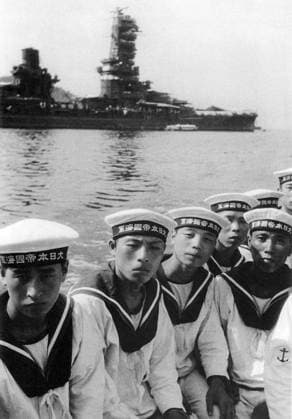
  • Japan: Crew members of the Japanese battleship Fuso moored in the background, Kure, Hiroshima, May 1943 Fuso (a classical name for Japan) was the lead ship of the two Fuso-class dreadnought battleships built for the Imperial Japanese Navy. Launched in 1914 and commissioned in 1915, she initially patrolled off the coast of China, playing no part in World War I. In 1923, she assisted survivors of the Great Kanto Earthquake.<br ><br > Fuso was modernized in 1930 35 and again in 1937 41, with improvements to her armor and machinery and a rebuilt superstructure in the pagoda mast style. With only 14-inch guns, she was outclassed by other Japanese battleships at the beginning of World War II, and played auxiliary roles for most of the war.<b Copyright: xxPicturesxFromxHistoryx
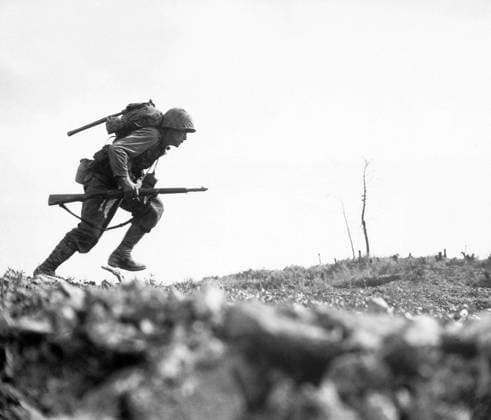
  • Japan USA: Marine Paul E. Ison charges across Death Valley on April 1, 1945. Battle of Okinawa The Battle of Okinawa, codenamed Operation Iceberg, was a series of battles fought in the Ryukyu Islands, centered on the island of Okinawa, and included the largest amphibious assault in the Pacific War.The 82-day-long battle lasted from 1 April until 22 June 1945.<br ><br > The Battle of Okinawa was remarkable for the ferocity of the fighting, the intensity of kamikaze attacks from the Japanese defenders, and the great number of Allied ships and armored vehicles that assaulted the island. The battle was one of the bloodiest in the Pacific. Copyright: xxPicturesxFromxHistoryx
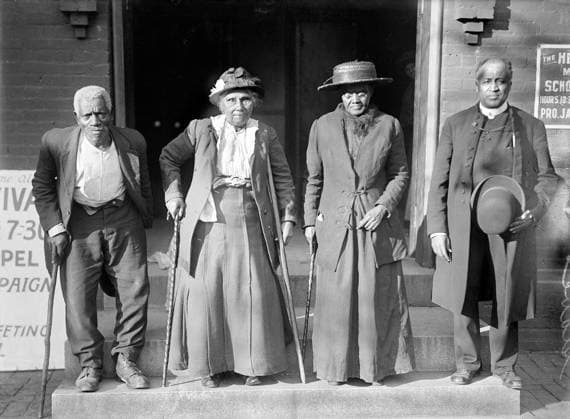
  • USA: Former Slaves Reunion. Left to right, Lewis Martin, age 100; Martha Elizabeth Banks, age 104; Amy Ware, age 103; Rev. Simon P. Drew, born free. Cosmopolitan Baptist Church, 921 N Street N.W., Washington DC, 1916 The Atlantic slave trade or transatlantic slave trade took place across the Atlantic Ocean from the 16th through to the 19th centuries. The vast majority of those enslaved that were transported to the New World, many on the triangular trade route and its Middle Passage, were West Africans from the central and western parts of the continent sold by western Africans to western European slave traders, or by direct European capture to the Americas.<br ><br > The numbers were so great that Africans who came by way of the slave trad Copyright: xxPicturesxFromxHistoryx
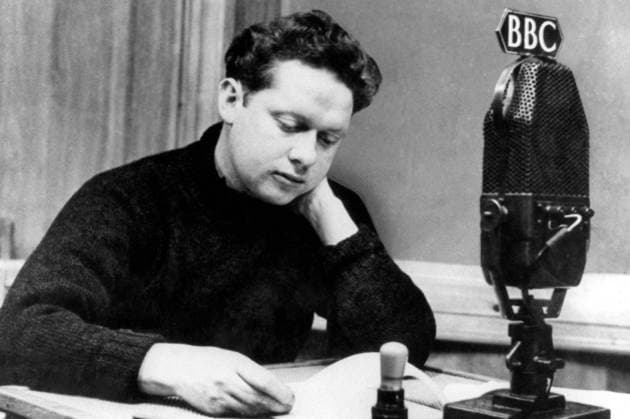
  • Wales UK: Dylan Thomas, Welsh poet and writer (1914-1953) at the BBC in November, 1948 Dylan Marlais Thomas (27 October 1914 9 November 1953) was a Welsh poet and writer whose works include the poems Do not go gentle into that good night and And death shall have no dominion , the Play for Voices , Under Milk Wood , and stories and radio broadcasts such as A Child s Christmas in Wales and Portrait of the Artist as a Young Dog .<br ><br > He became popular in his lifetime and remained so after his premature death in New York City. In his later life he acquired a reputation, which he encouraged, as a roistering, drunken and doomed poet . Copyright: xxPicturesxFromxHistoryx
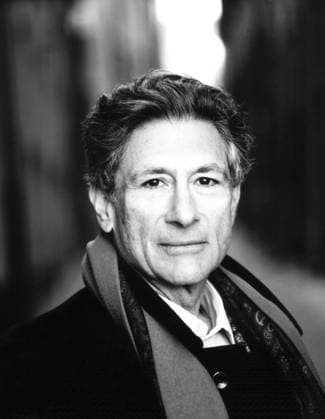
  • Israel Palestine USA: Edward Wadie Said (1935-2003), Palestinian American theorist, writer, philosopher and anti-imperialist. Publicity image, c. 1995 Edward Said is best known for the 1978 book Orientalism . In it, he analyses the cultural representations that are the basis of Orientalism, a term he redefined to refer to the West s patronizing perceptions and depictions of Middle Eastern, Asian and North African societies. He contended that Orientalist scholarship was, and remains, inextricably tied to the imperialist societies that produced it, which makes much of the work inherently political, servile to power, and thus intellectually suspect.<br ><br > As a public intellectual, Said discussed culture, literature, music and contemp Copyright: xxPicturesxFromxHistoryx
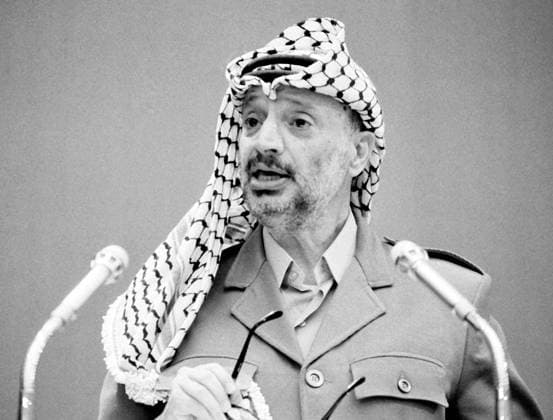
  • Israel Palestine: Yasser Arafat (1929-2004), Chairman of the Palestine National Liberation Organization, United Nations, New York, 1983 Mohammed Yasser Abdel Rahman Abdel Raouf Arafat al-Qudwa (24 August 1929 11 November 2004), popularly known as Yasser Arafat, was a paramount Palestinian leader.<br ><br > He was Chairman of the Palestine Liberation Organization (PLO), President of the Palestinian National Authority (PNA), and leader of the Fatah political party and former paramilitary group, which he founded in 1959. Copyright: xxPicturesxFromxHistoryx
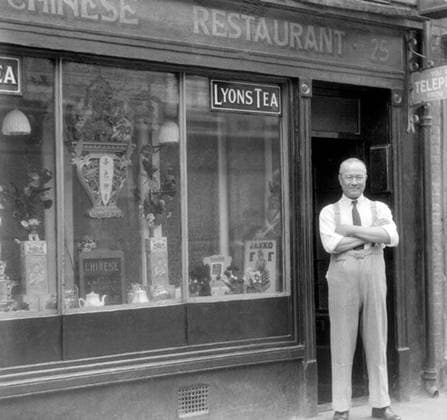
  • England, UK: The proprietor of a Chinese Restaurant at 25 Limehouse Causeway, Limehouse, east London, c. 1930 Limehouse, in Stepney, was London s first Chinatown.<The Chinese began settling in Limehouse before 1850, arriving as seamen or ship s launderers. By 1890 sailors from Shanghai were colonizing Pennyfields, Amoy Place and Ming Street, while those from Guangzhou (Canton) and southern China chose Gill Street and Limehouse Causeway, slightly further west.<br ><br > From the 1890s the Chinese community in the East End grew in size and spread eastwards, from the original settlement in Limehouse Causeway, into Pennyfields. The area provided for the Lascar, Chinese and Japanese sailors working the Oriental routes into the Port of London.<b Copyright: xxPicturesxFromxHistoryx
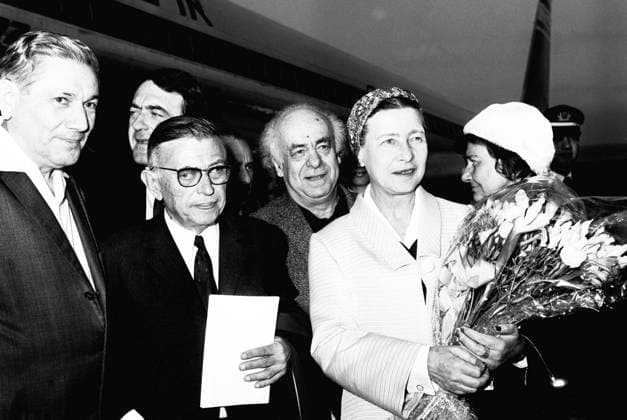
  • Israel Palestine: French philosophers Jean Paul Sartre and Simone De Beauvoir arriving at Lod Airport, 14 March 1967. Photo by Moshe Milner (CC BY-SA 3.0 License) Jean-Paul Charles Aymard Sartre (21 June 1905 15 April 1980) was a French philosopher, playwright, novelist, political activist, biographer, and literary critic. He was one of the key figures in the philosophy of existentialism and phenomenology, and one of the leading figures in 20th-century French philosophy and Marxism.<br ><br > Simone de Beauvoir (9 January 1908 14 April 1986), was a French writer, intellectual, existentialist philosopher, political activist, feminist and social theorist. Though she did not consider herself a philosopher, she had a significant influe Copyright: xMoshexMilnerx(CCxBY-SAx3.0xLicenxPicturesxFromxHistoryx
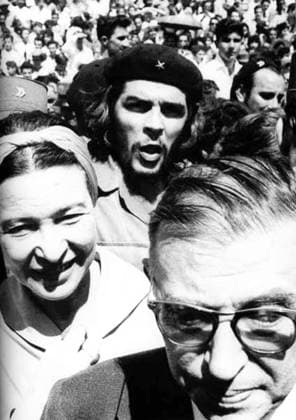
  • Cuba: Jean-Paul Sartre and Simone De Beauvoir with Ernesto Che Guevara on a busy street, Havana, 1960. Photo by Alberto Korda In 1960, Jean-Paul Sartre and Simone de Beauvoir visited Cuba during, as Sartre wrote, the honeymoon of the revolution . Military strongman Fulgencio Batista™s regime had fallen to Fidel Castro™s guerilla army and the whole country was alight with revolutionary zeal.<br ><br > When the couple returned to Paris, Sartre wrote numerous articles extolling the revolution. De Beauvoir, who was equally impressed, wrote, For the first time in our lives, we were witnessing happiness that had been attained by violence .<br ><br > De Beauvoir and Sartre would ultimately denounce Castro in an open letter that criticized Copyright: xAlbertoxKordaxPicturesxFromxHistoryx
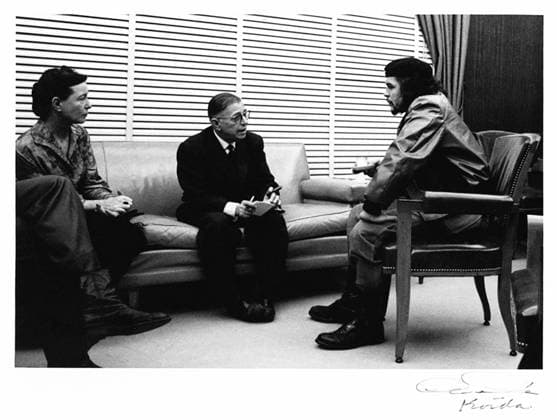
  • Cuba: Jean-Paul Sartre and Simone De Beauvoir meeting with Ernesto Che Guevara, Havana, 1960. Signed photograph by Alberto Korda In 1960, Jean-Paul Sartre and Simone de Beauvoir visited Cuba during, as Sartre wrote, the honeymoon of the revolution . Military strongman Fulgencio Batista™s regime had fallen to Fidel Castro™s guerilla army and the whole country was alight with revolutionary zeal.<br ><br > When the couple returned to Paris, Sartre wrote numerous articles extolling the revolution. De Beauvoir, who was equally impressed, wrote, For the first time in our lives, we were witnessing happiness that had been attained by violence .<br ><br > De Beauvoir and Sartre would ultimately denounce Castro in an open letter that criticiz Copyright: xAlbertoxKordaxPicturesxFromxHistoryx
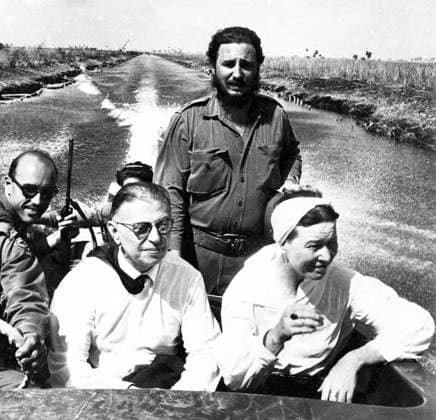
  • Cuba France: Jean-Paul Sartre and Simone de Beauvoir on a boat trip with Fidel Castro during their visit to Cuba in 1960. Photo by Alberto Korda In 1960, Jean-Paul Sartre and Simone de Beauvoir visited Cuba during, as Sartre wrote, the honeymoon of the revolution . Military strongman Fulgencio Batista™s regime had fallen to Fidel Castro™s guerilla army and the whole country was alight with revolutionary zeal.<br ><br > When the couple returned to Paris, Sartre wrote numerous articles extolling the revolution. De Beauvoir, who was equally impressed, wrote, For the first time in our lives, we were witnessing happiness that had been attained by violence .<br ><br > De Beauvoir and Sartre would ultimately denounce Castro in an open le Copyright: xAlbertoxKordaxPicturesxFromxHistoryx
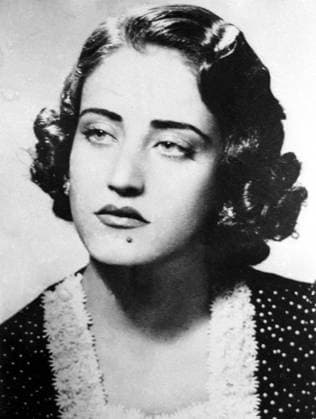
  • Egypt Syria: Amal al-Atrash, better known by her stage name Asmahan (1912-1944), celebrated Arab singer and actress, c. 1930 Asmahan was an Arab Druze singer and actress of Syrian origins who lived in Egypt. Having immigrated to Egypt in childhood, her family knew the composer Dawood Hosni, and she sang the compositions of Mohamed El Qasabgi and Zakariyya Ahmad. She also sang the compositions of Mohammed Abdel Wahab and her brother Farid al-Atrash, a then rising star musician in his own right.<br ><br > Hers was the only female voice in Arab music to pose serious competition to that of Umm Kulthum, who is considered to be one of the Arab world s most distinguished singers of the 20th century. Her mysterious death in an automobile acciden Copyright: xxPicturesxFromxHistoryx
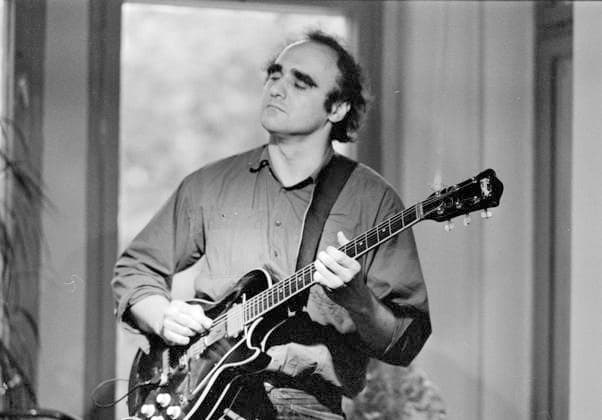
  • Jo Sachse 24.06.1992, Chemnitz, Helmut Joe Sachse (* 28. Oktober 1948 in Mittweida) ist ein deutscher Jazzgitarrist *** Jo Sachse 24 06 1992, Chemnitz, Helmut Joe Sachse October 28, 1948 in Mittweida is a German jazz guitarist
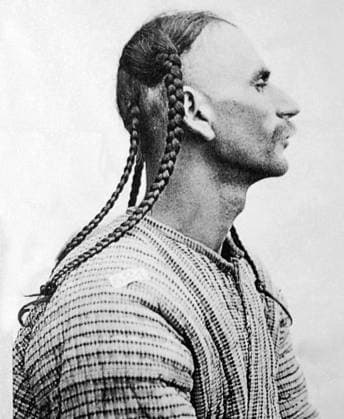
  • Iraq Kurdistan: A Yazidi Kurd from northern Iraq, c. 1930 The Kurds are an ethnic Iranian group in the Middle East, mostly inhabiting a contiguous area spanning adjacent parts of modern-day Iran, Iraq, Syria, and Turkey, a geo-cultural region often referred to as Kurdistan . The Kurds have ethnically diverse origins. They are culturally and linguistically closely related to the Iranian peoples and, as a result, are often themselves classified as an Iranian people. The Kurdish languages form a subgroup of the Northwestern Iranian languages.<br ><br > The Yazidis are a Kurdish religious community whose syncretic but ancient religion Yazidism is linked to Zoroastrianism and ancient Mesopotamian religions.They live primarily in the Nineveh Copyright: xxPicturesxFromxHistoryx
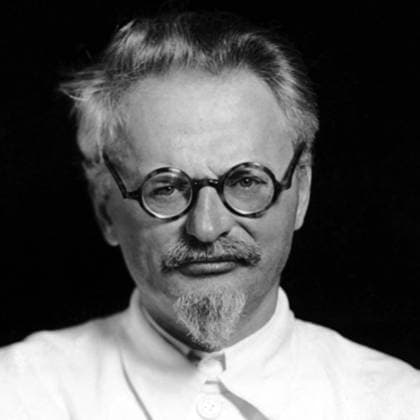
  • Russia Soviet Union: Leon Trotsky, founder and first leader of the Red Army, 1930s Leon Trotsky, born Lev Davidovich Bronshtein (7 November 1879 21 August 1940) was a Russian Marxist revolutionary and theorist, Soviet politician, and the founder and first leader of the Red Army.<br ><br > Trotsky was initially a supporter of the Menshevik Internationalists faction of the Russian Social Democratic Labour Party. He joined the Bolsheviks immediately prior to the 1917 October Revolution, and eventually became a leader within the Party. During the early days of the Soviet Union, he served first as People s Commissar for Foreign Affairs and later as the founder and commander of the Red Army as People s Commissar of Military and Naval Affai Copyright: xxPicturesxFromxHistoryx
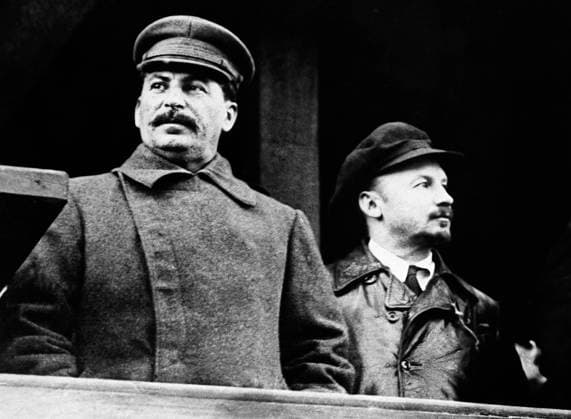
  • Russia Soviet Union: Josef Stalin with Nikolai Bukharin, Moscow, 21 November 1930 Joseph Vissarionovich Stalin (18 December 1878 5 March 1953) was the first General Secretary of the Communist Party of the Soviet Union s Central Committee from 1922 until his death in 1953. While formally the office of the General Secretary was elective and was not initially regarded as top position in the Soviet state, after Vladimir Lenin s death in 1924, Stalin managed to consolidate more and more power in his hands, gradually putting down all opposition groups within the party.<br ><br > Nikolai Ivanovich Bukharin ( 9 October 1888 15 March 1938) was a Russian Bolshevik revolutionary, Soviet politician and prolific author on revolutionary theory Copyright: xxPicturesxFromxHistoryx
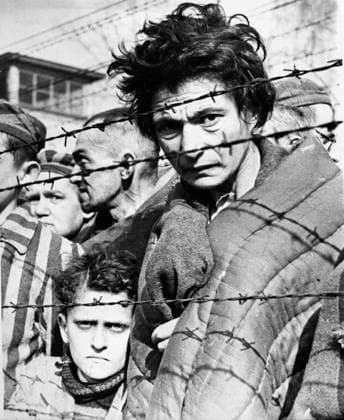
  • World War II 1939-1945 5696965 27.01.1945 World War II (1939-1945). German occupation of Poland (September 1939 - January 1945). Auschwitz (Oswiecim) concentration camp. On 27 January, 1945, the Soviet troops liberated a total of 7,500 Auschwitz survivors. Vladimir Osventsim Poland  Copyright: xVladimirx
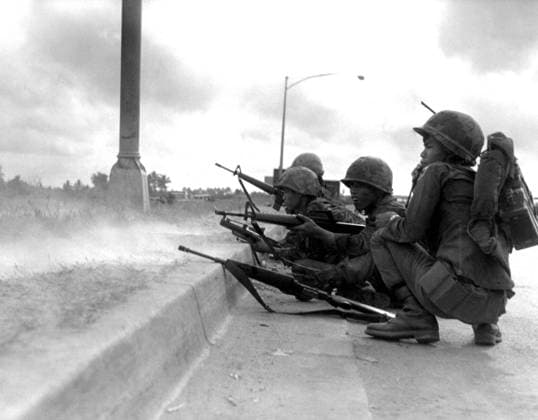
  • Vietnam: Army of the Republic of Vietnam (ARVN) rangers defending Saigon during the Tet Offensive of January-February 1968 The Tet Offensive was a military campaign during the Vietnam War that began on January 31, 1968. Regular and irregular forces of the People s Army of Vietnam, as well as NLF (Viet Cong) resistance fighters, fought against the forces of the Republic of Vietnam (South Vietnam), the United States, and their allies.<br ><br > The purpose of the offensive was to strike military and civilian command and control centers throughout South Vietnam and to spark a general uprising among the population that would then topple the Saigon government, thus ending the war in a single blow. Although the offensive failed militarily, it su Copyright: xxPicturesxFromxHistoryx
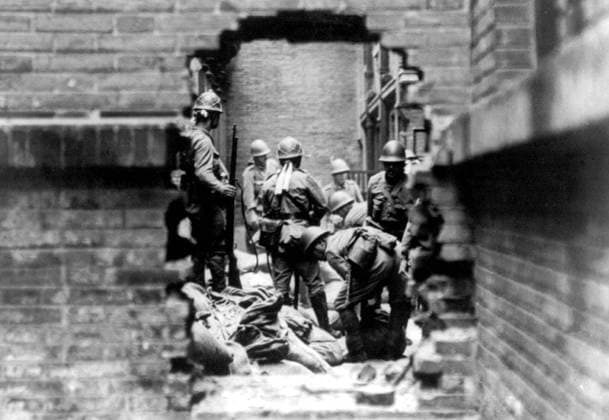
  • China: Imperial Japanese soldiers involved in street fighting during the Battle of Shanghai (August 13 - Nov 26, 1937) pause to examine a dead Chinese soldier. The Second Sino-Japanese War (July 7, 1937 September 9, 1945) was a military conflict fought primarily between the Republic of China and the Empire of Japan. After the Japanese attack on Pearl Harbor, the war merged into the greater conflict of World War II as a major front of what is broadly known as the Pacific War.<br ><br > Although the two countries had fought intermittently since 1931, total war started in earnest in 1937 and ended only with the surrender of Japan in 1945. The war was the result of a decades-long Japanese imperialist policy aiming to dominate China politic Copyright: xxPicturesxFromxHistoryx
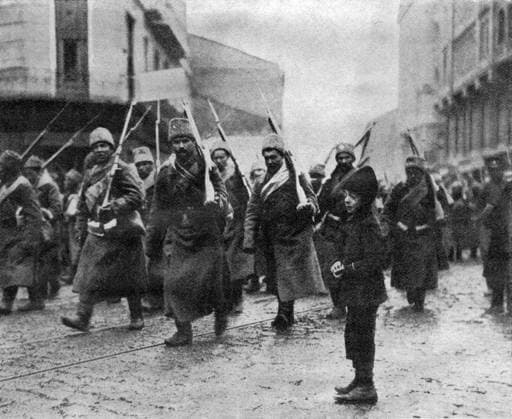
  • Russia Poland: Russian troops entering Lvov (Lemberg), World War I, 1914 In 1772, following the First Partition of Poland, Lvov was annexed by Austria. Known in German as Lemberg, the city became the capital of the Kingdom of Galicia and Lodomeria. The city grew dramatically under Austrian rule, increasing in population from approximately 30,000 at the time of Austrian annexation in 1772 to 206,100 by 1910. In the early stage of World War I, Lviv was captured by the Russian army in September 1914 but retaken by Austria Hungary in June the following year. Lviv and its population therefore suffered greatly during the World War as many of the offensives were fought across its local geography causing significant collateral damage and disru Copyright: xxPicturesxFromxHistoryx
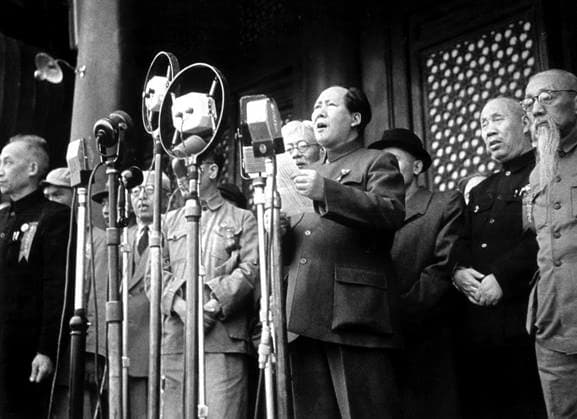
  • China: Chairman Mao Zedong announces the establishment of the People s Republic of China at Tiananmen Square, Beijing, on October 1, 1949 Mao Zedong, also transliterated as Mao Tse-tung (26 December 1893 9 September 1976), was a Chinese communist revolutionary, guerrilla warfare strategist, author, political theorist, and leader of the Chinese Revolution.<br ><br > Commonly referred to as Chairman Mao, he was the architect of the People s Republic of China (PRC) from its establishment in 1949, and held authoritarian control over the nation until his death in 1976.<br ><br > Mao s theoretical contribution to Marxism-Leninism, along with his military strategies and brand of political policies, are now collectively known as Maoism. Copyright: xxPicturesxFromxHistoryx
Page 2 of 2