EditorialCreativeSportsCollectionsVideos
Prices
0Log in

Visual content for professionals.
800M+ images and videos.

Content Hub

  • Current Events
  • Pictures of the Year
  • Sports
  • Editorial
  • Creative
  • Collections
  • Videos

Offers

  • Prices & Packages
  • Promotions
  • Enterprise
  • Newsletter
  • Blog
  • The Game Magazine

Services

  • Content Research
  • Contract Photography
  • API & FTP Push
  • my-picturemaxx
  • Become a Partner

Company

  • About IMAGO
  • Careers
  • News

Help Center

  • FAQ
  • Contact Us
Legal NoticeTerms & ConditionsLicense InformationData PrivacyPrivacy Settings
© 2026 IMAGO
CEPICBAPLABVPA
Back to collections

IMAGO International History, 35 Years of the Fall of the Wall, Velvet Revolution in the Czech Republic

Sep 17, 2024

The following photos have been selected for you by the IMAGO picture desk on this topic. For more pictures please use the search function.
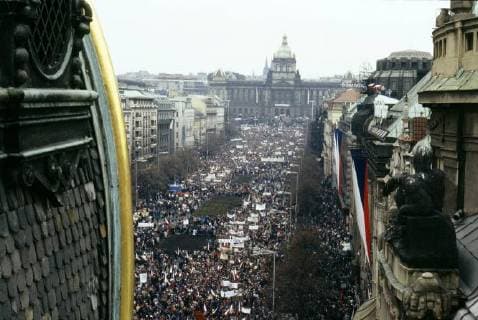
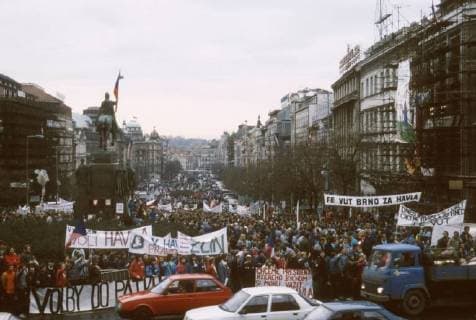
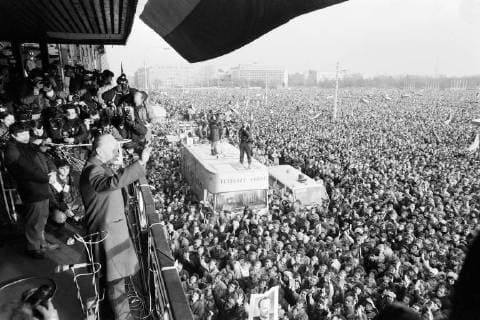
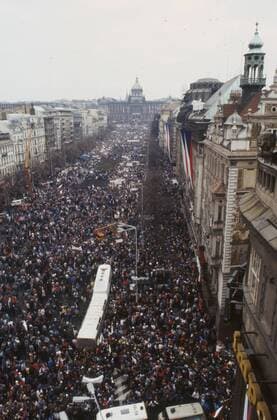
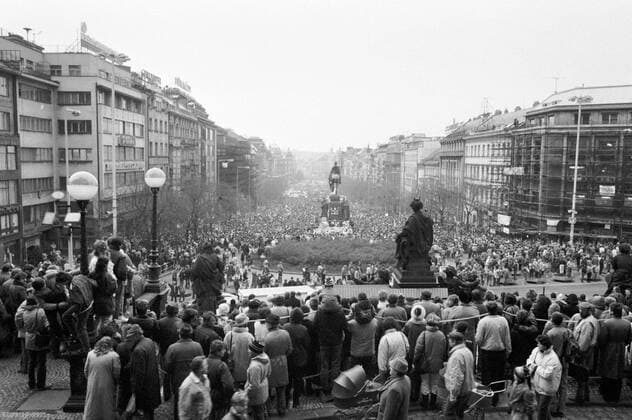
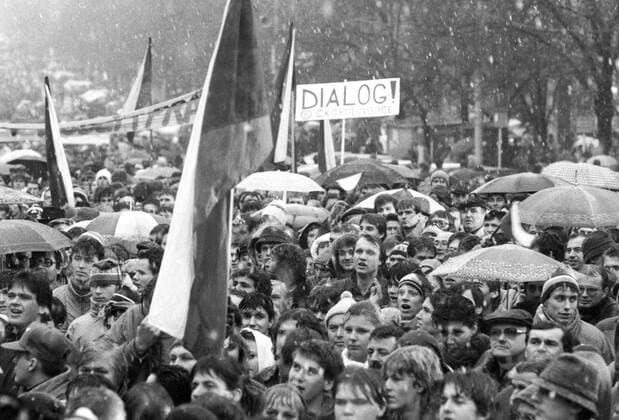
  • A brutal police action against peaceful march of students in Prague on November 17, 1989, sparked the Velvet Revolution, a series of demonstrations that toppled the authoritarian Communist regime in Czechoslovakia. Demonstration in Wenceslas Square during the general strike on November 27, 1989. CTK Photo Jaroslav Hejzlar CTKPhotoFO01147442
  • The victory of the Velvet Revolution was topped off by the election of dissident playwright and human rights activist Vaclav Havel as President of the republic at Prague Castle on December 29, 1989. People crowding Wenceslas Square in Prague demonstrate their support for Vaclav Havel as a new president on December 19, 1989. (CTKxPhoto PavelxKhol) CTKPhotoFO01146158
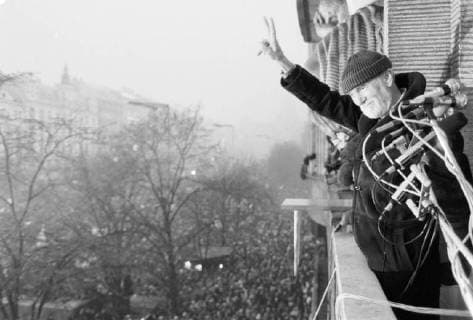
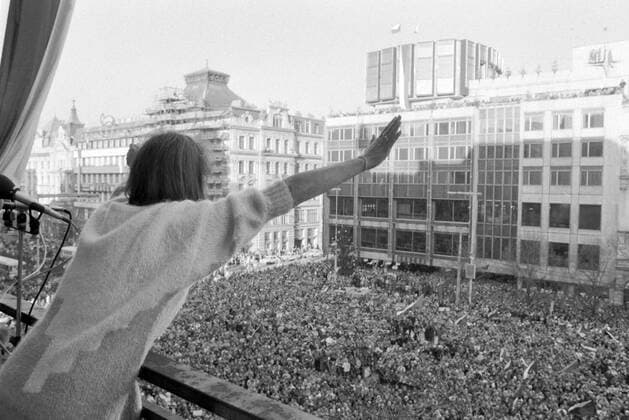
  • A brutal police action against peaceful march of students in Prague on November 17, 1989, sparked the Velvet Revolution, a series of non-violent demonstrations that toppled the authoritarian Communist regime in Czechoslovakia. Miroslav Machacek, actor and director of the National Theatre, waves to crowds in Wenceslas Square during a rally on December 4, 1989. CTK Photo Libor Hajsky CTKPhotoFO01142522
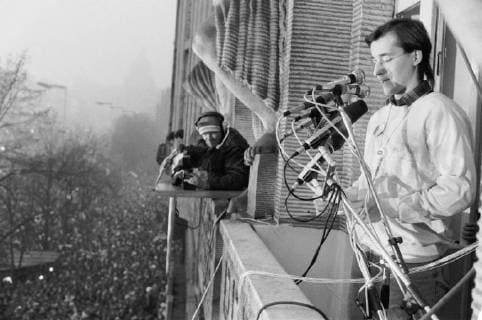
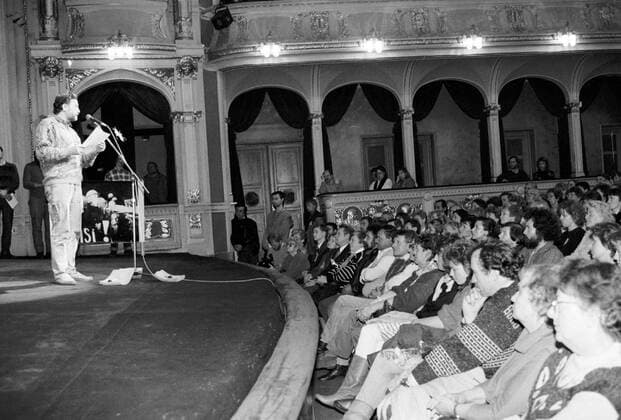
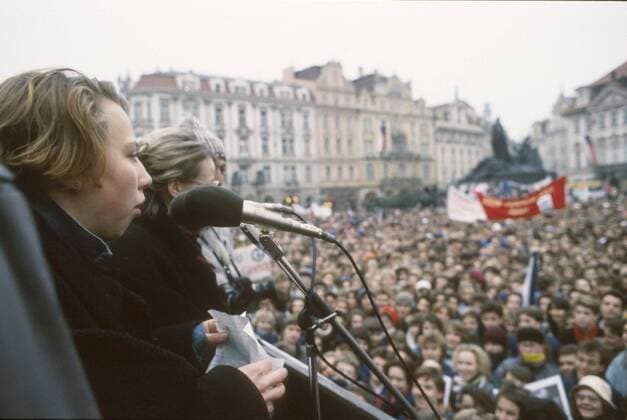
  • Velvet Revolution, Prague December 8, 1989. People again fill up the Wenceslas Square to demonstrate the support for the striking students and their will for change. Michal Sedlacek speaks to microphone. CTKPhotoFO01142520
  • Prague Spring 1968 leader Alexander Dubcek waves to the crowds below during anti-government demonstration at Letna plain in Prague on November 26, 1989. CTK Photo CTKPhotoFO01142466
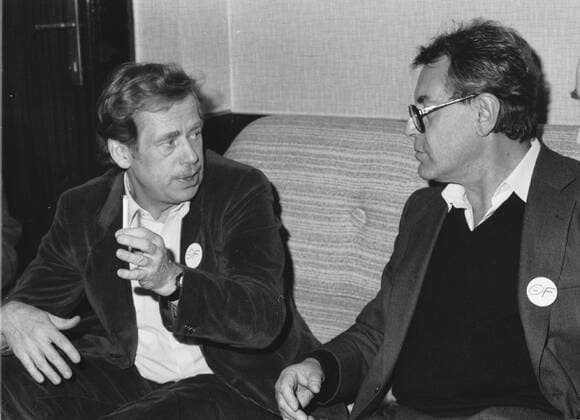
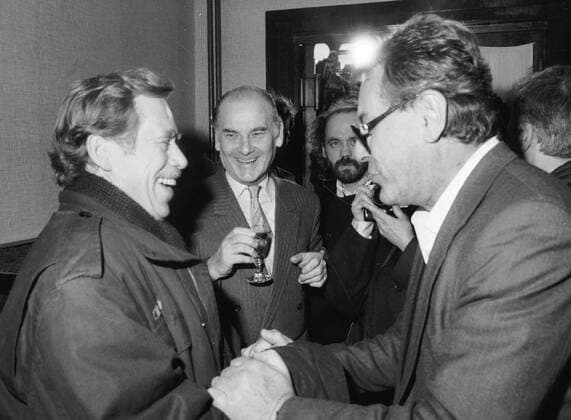
  • Civic Forum leader Vaclav Havel, left, and his long-time friend Milos Forman, Czech Oscar-winning film director,wear the Civic Forum badges as they meet at the screening of Forman s film Valmont in Prague on December 15, 1989. Forman, who became a naturalized citizen of the United States in 1977, came to Czechoslovakia to support the Velvet Revolution.Vaclav Havel died on Sunday, Dec. 18, 2011, aged 75. Havel, a dissident playwright jailed by Communists, became Czechoslovak and than Czech president and a symbol of peace and freedom after bringing down communism in Czechoslovakia by leading bloodless Velvet Revolution .  CTKPhoto20210238
  • Civic Forum leader Vaclav Havel, left, meets his long-time friend Milos Forman, Czech Oscar-winning film director, at the screening of his film Valmont in Prague on December 15, 1989. Forman, who became a naturalized citizen of the United States in 1977, came to Czechoslovakia to support the Velvet Revolution. Czech Oscar-winning costume designer Theodor Pistek smiles in the middle.Vaclav Havel died on Sunday, Dec. 18, 2011, aged 75. Havel, a dissident playwright jailed by Communists, became Czechoslovak and than Czech president and a symbol of peace and freedom after bringing down communism in Czechoslovakia by leading bloodless Velvet Revolution .  CTKPhoto46900473404
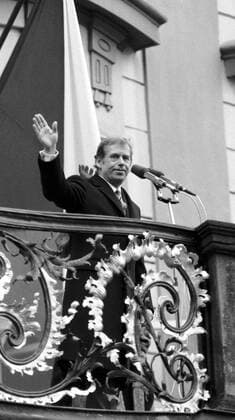
  • FILE PHOTO:The victory of the Velvet Revolution was topped off by the election of dissident playwright and human rights activist Vaclav Havel as President of the republic at Prague Castle on December 29, 1989. Vaclav Havel waves from the balcony to people on the courtyard after the inauguration ceremony.Vaclav Havel died on Sunday, Dec. 18, 2011, aged 75. Havel, a dissident playwright jailed by Communists, became Czechoslovak and than Czech president and a symbol of peace and freedom after bringing down communism in Czechoslovakia by leading bloodless Velvet Revolution . CTK Photo  CTKPhoto91700133785
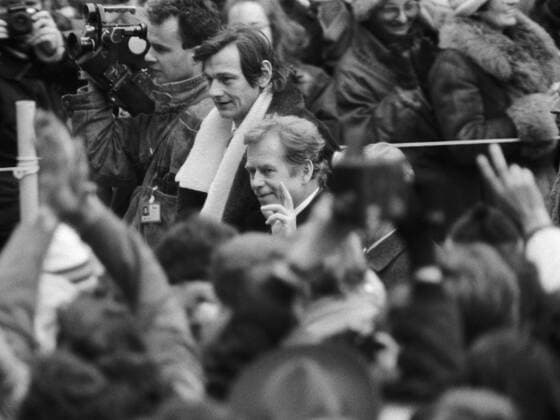
  • FILE PHOTO:The victory of the Velvet Revolution was topped off by the election of dissident playwright and human rights activist Vaclav Havel as President of the republic at Prague Castle on December 29, 1989. Vaclav Havel flashes V for victory sign as he walks from Prague Castle to attend Te Deum mass in St. Vitus cathedral after the inauguration ceremony.Vaclav Havel died on Sunday, Dec. 18, 2011, aged 75. Havel, a dissident playwright jailed by Communists, became Czechoslovak and than Czech president and a symbol of peace and freedom after bringing down communism in Czechoslovakia by leading bloodless Velvet Revolution . CTK Photo  CTKPhoto91500133791
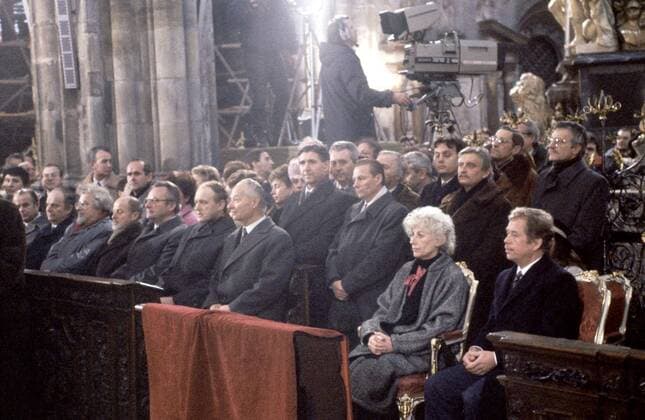
  • FILE PHOTO:The victory of the Velvet Revolution was topped off by the election of dissident playwright and human rights activist Vaclav Havel as President of the republic at Prague Castle on December 29, 1989. Vaclav Havel and his wife Olga during Te Deum mass in St. Vitus cathedral after the inauguration ceremony.Vaclav Havel died on Sunday, Dec. 18, 2011, aged 75. Havel, a dissident playwright jailed by Communists, became Czechoslovak and than Czech president and a symbol of peace and freedom after bringing down communism in Czechoslovakia by leading bloodless Velvet Revolution . CTK Photo Karel Vlcek  CTKPhoto90500133782
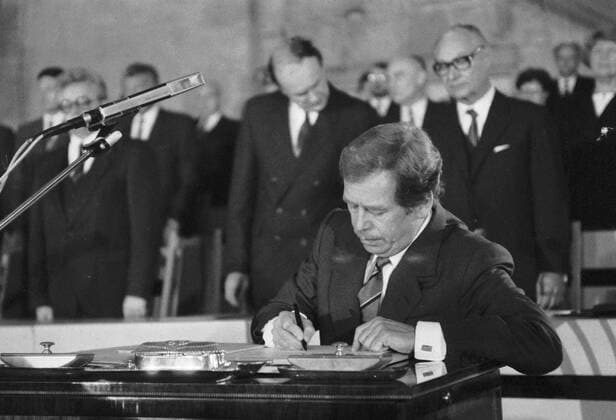
  • FILE PHOTO:The victory of the Velvet Revolution was topped off by the election of dissident playwright and human rights activist Vaclav Havel as President of the republic at Prague Castle on December 29, 1989. Vaclav Havel signs the constitutional presidential oath during the inauguration ceremony.Vaclav Havel died on Sunday, Dec. 18, 2011, aged 75. Havel, a dissident playwright jailed by Communists, became Czechoslovak and than Czech president and a symbol of peace and freedom after bringing down communism in Czechoslovakia by leading bloodless Velvet Revolution . CTK Photo  CTKPhoto90300105708
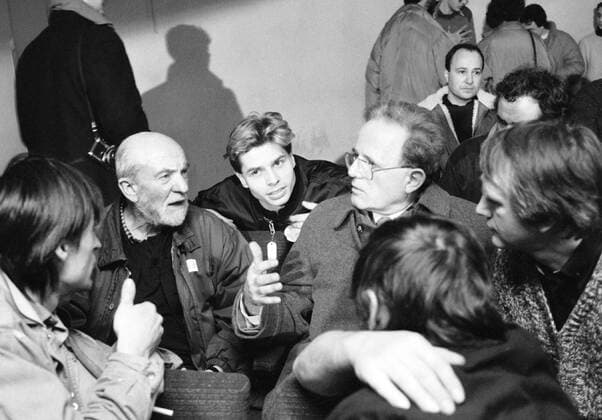
  • A brutal police action against peaceful march of students in Prague on November 17, 1989, sparked the Velvet Revolution, a series of non-violent demonstrations that toppled the authoritarian Communist regime in Czechoslovakia. Actor and director of the National theatre Miroslav Machacek, second from left, talks to members of student central coordination strike committee in Prague on November 28, 1989. CTK Photo Zuzana Humpalova  CTKPhoto01144516
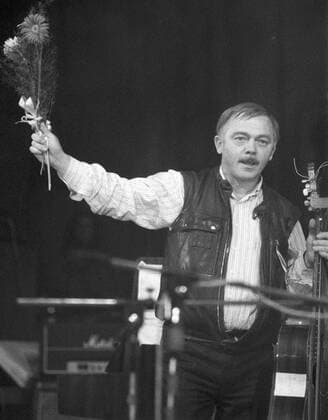
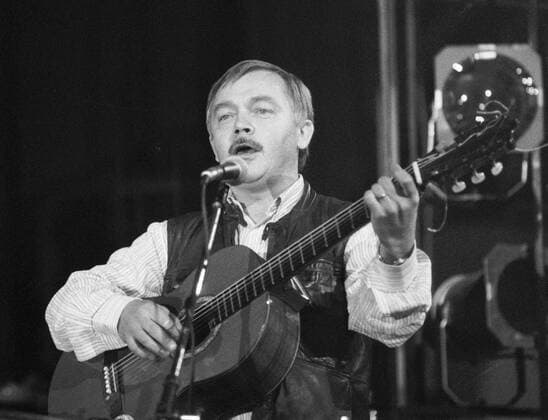
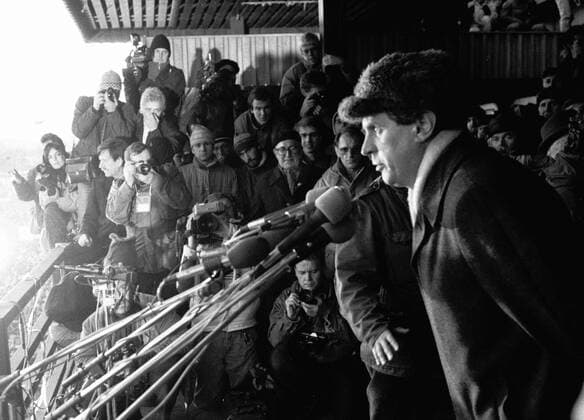
  • Karel Kryl, popular Czech singer-songwriter of protest songs, who returned home during Czechoslovakia Velvet revolution after 20 years in German exile, sings at the Concert for All Good People in Prague Sport Hall on December 3, 1989. CTK Photo Michal Dolezal  CTKPhoto01142063
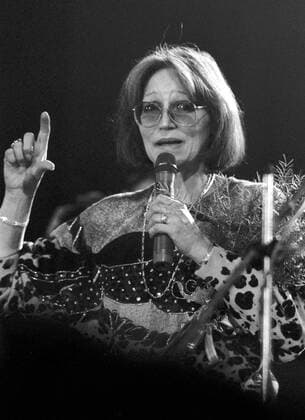
  • A brutal police action against peaceful march of students in Prague on November 17, 1989, sparked the Velvet Revolution, a series of demonstrations that toppled the authoritarian Communist regime in Czechoslovakia. Popular singer Marta Kubisova, banned in the 70 and 80 for her protests against Soviet occupation of Czechoslovakia, sings at a rally marking the Day of Human Rights in Wenceslas Square, December 10, 1989. CTK Photo  CTKPhoto01143740
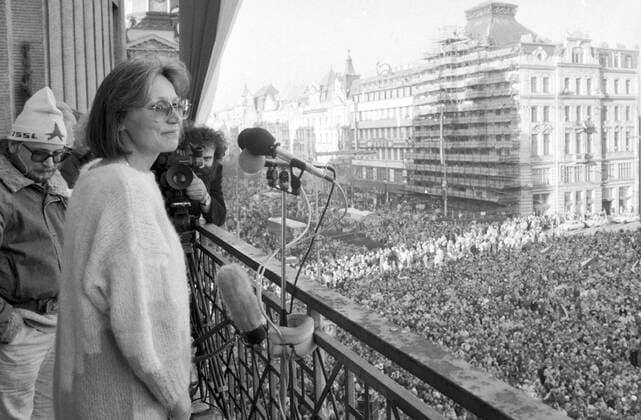
  • A brutal police action against peaceful march of students in Prague on November 17, 1989, sparked the Velvet Revolution, a series of demonstrations that toppled the authoritarian Communist regime in Czechoslovakia. Popular singer Marta Kubisova, banned in the 70 and 80 for her protests against Soviet occupation of Czechoslovakia, waves to crowd from the balcony of the Melantrich publishing house during a rally marking the Day of Human Rights in Wenceslas Square, December 10, 1989. CTK Photo  CTKPhoto01143728
  • A brutal police action against peaceful march of students in Prague on November 17, 1989, sparked the Velvet Revolution, a series of non-violent demonstrations that toppled the authoritarian Communist regime in Czechoslovakia. Actor of Prague Theatre on Vinohrady Ladislav Frej gather informs audience that the ensemble joins strike of students on November 22, 1998. CTK Photo Zuzana Humpalova  CTKPhoto01141581
  • Karel Kryl, popular Czech singer-songwriter of protest songs, who returned home during Czechoslovakia Velvet revolution after 20 years in German exile, sings at the Concert for All Good People in Prague Sport Hall on December 3, 1989. CTK Photo Michal Dolezal  CTKPhoto01142028
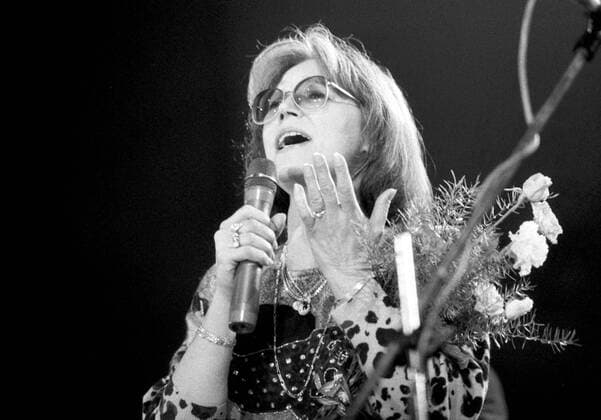
  • A brutal police action against peaceful march of students in Prague on November 17, 1989, sparked the Velvet Revolution, a series of demonstrations that toppled the authoritarian Communist regime in Czechoslovakia. Popular singer Marta Kubisova, banned in the 70 and 80 for her protests against Soviet occupation of Czechoslovakia, sings at a concert in Prague on December 3, 1989. CTK Photo Michal Dolezal  CTKPhoto01141126
  • A brutal police action against peaceful march of students in Prague on November 17, 1989, sparked the Velvet Revolution, a series of demonstrations that toppled the authoritarian Communist regime in Czechoslovakia. Popular singer Marta Kubisova, banned in the 70 and 80 for her protests against Soviet occupation of Czechoslovakia, sings at a concert in Prague on December 3, 1989. CTK Photo Michal Dolezal  CTKPhoto01141124
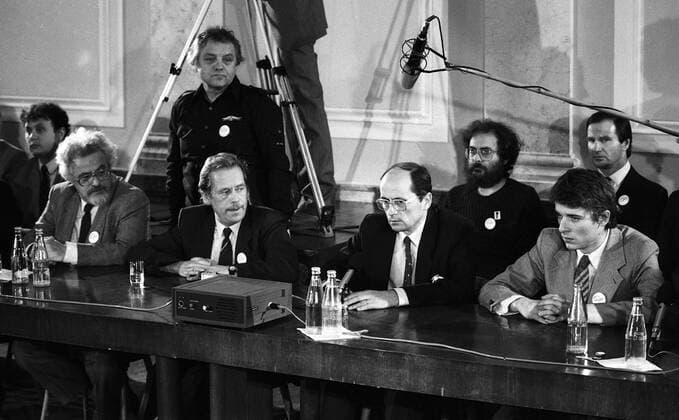
  • From left Valtr Komarek, director of the Prognostic Institute of Czechoslovak Academy of Science and one of the Civic Forum key personalities during the Velvet Revolution, Civic Forum leader Vaclav Havel, Jan Carnogursky from Slovakia movement Public Against Violence, and student leader Simon Panek during consultations about a new post-communist government in Prague on December 9, 1989. CTK Photo Michal Kalina  CTKPhoto02104694
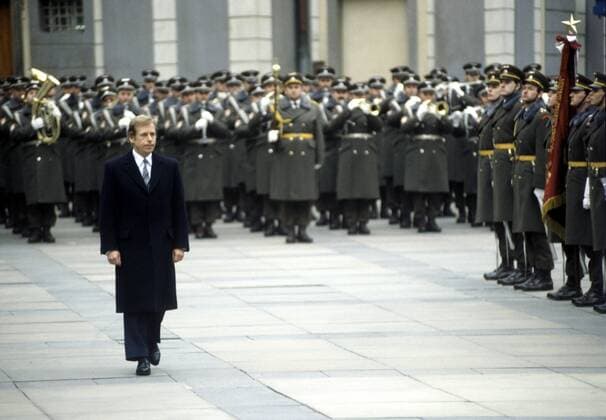
  • The victory of the Velvet Revolution was topped off by the election of dissident playwright and human rights activist Vaclav Havel as President of the republic at Prague Castle on December 29, 1989. Vaclav Havel inspects the guard of honour after the inauguration ceremony. CTK Photo Karel Vlcek  CTKPhoto02034245
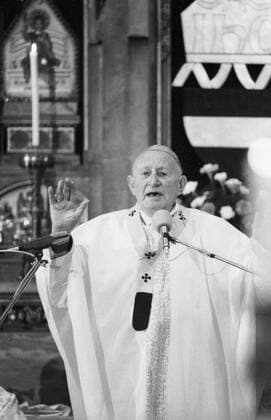
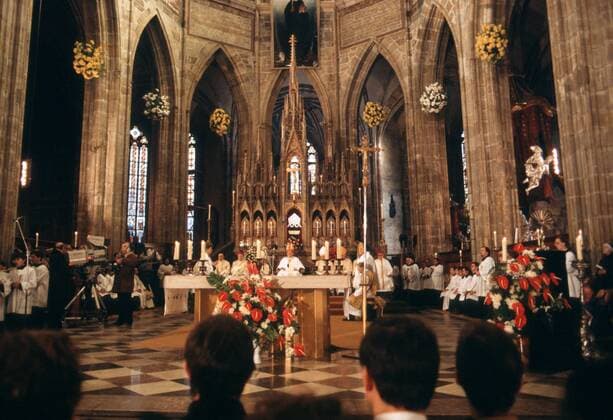
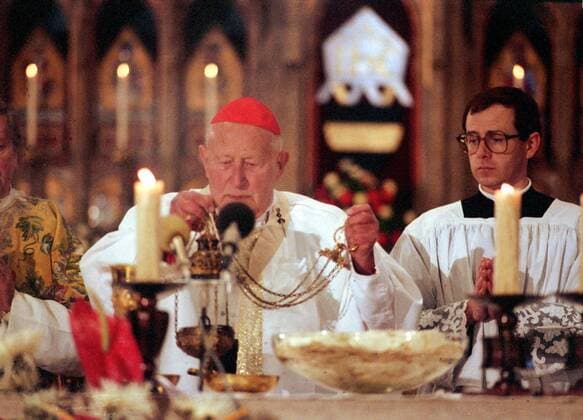
  • Prague archbishop cardinal Frantisek Tomasek celebrates a mass on the occasion of canonization of St. Agnes of Bohemia in St. Vitus Cathedral during Czechoslovakia Velvet Revolution on November 25, 1989. CTK Photo  CTKPhoto01070612
  • Prague archbishop cardinal Frantisek Tomasek celebrates mass on the occasion of canonization of St. Agnes of Bohemia in St. Vitus Cathedral during Czechoslovakia Velvet Revolution on November 25, 1989. CTK Photo Karel Mevald  CTKPhoto01068563
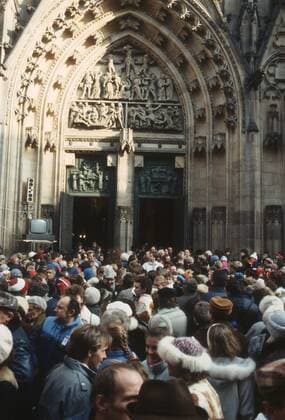
  • Crowds of believers at St. Vitus Cathedral where Prague Archbishop cardinal Frantisek Tomasek celebrated a mass on the occasion of canonization of St. Agnes of Bohemia during Czechoslovakia Velvet Revolution on November 25, 1989. CTK Photo  CTKPhoto01068561
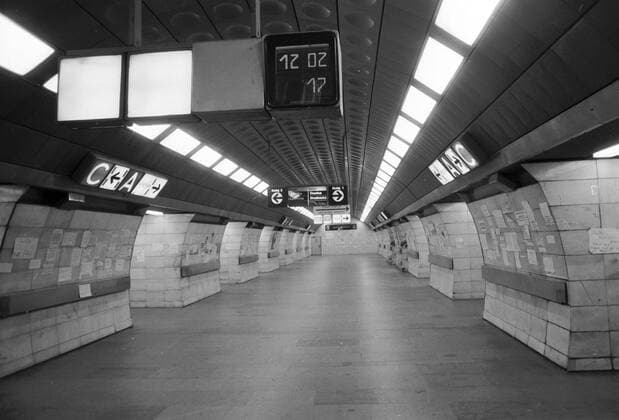
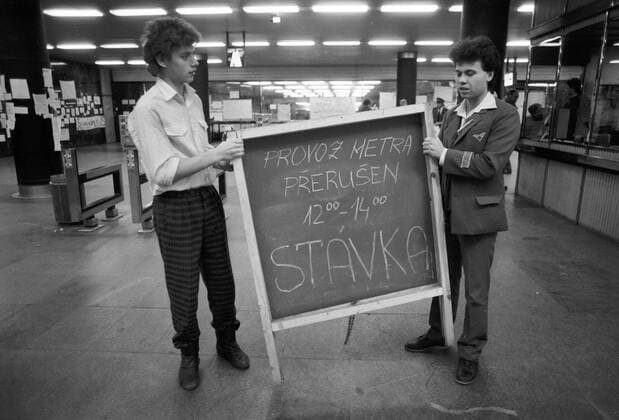
  • A brutal police action against peaceful march of students in Prague on November 17, 1989, sparked the Velvet Revolution, a series of non-violent demonstrations that toppled the authoritarian Communist regime in Czechoslovakia. An empty station of Prague s metro during general strike on November 27, 1989. CTK Photo  CTKPhoto01142949
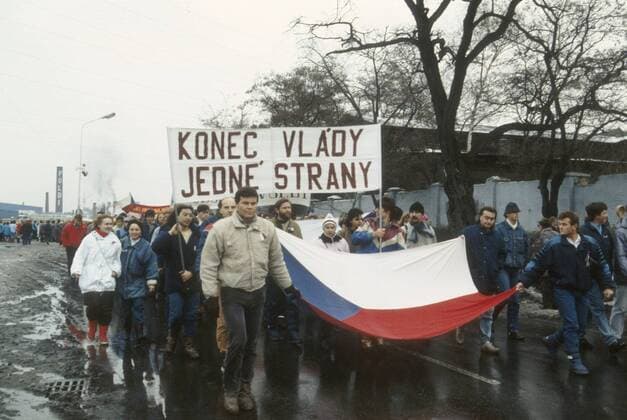
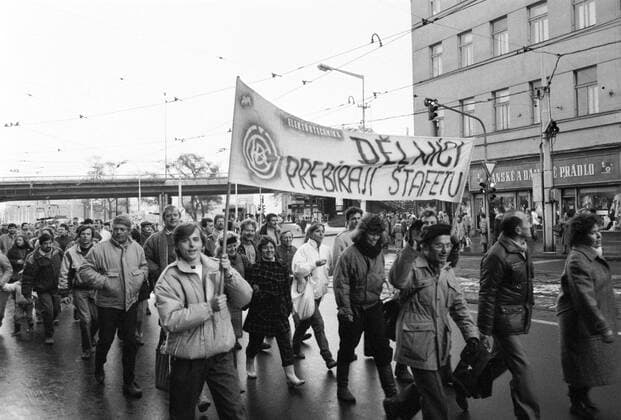
  • A brutal police action against peaceful march of students in Prague on November 17, 1989, sparked the Velvet Revolution, a series of demonstrations that toppled the authoritarian Communist regime in Czechoslovakia. Workers of Poldi steel works in Kladno carrying banner End of one party rule during general strike on November 27, 1989. CTK Photo Petr Josek  CTKPhoto20160706
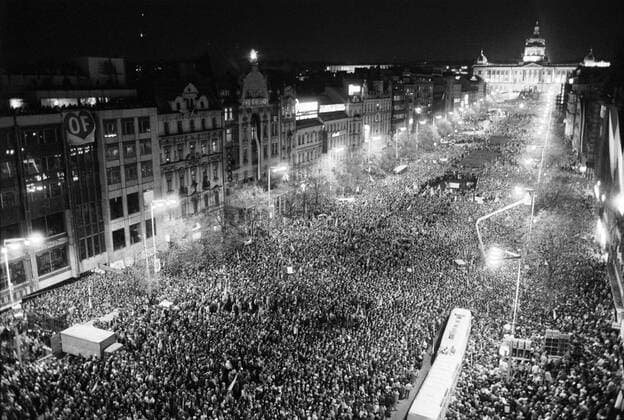
  • A brutal police action against peaceful march of students in Prague on November 17, 1989, sparked the Velvet Revolution, a series of demonstrations that toppled the authoritarian Communist regime in Czechoslovakia. Demonstration in Wenceslas Square during the general strike on November 27, 1989. CTK Photo Jaroslav Hejzlar  CTKPhoto20160705
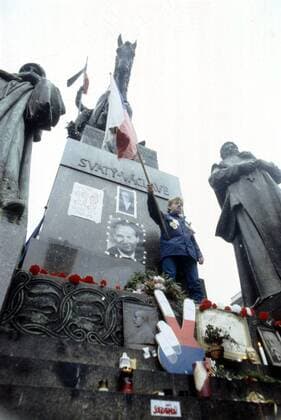
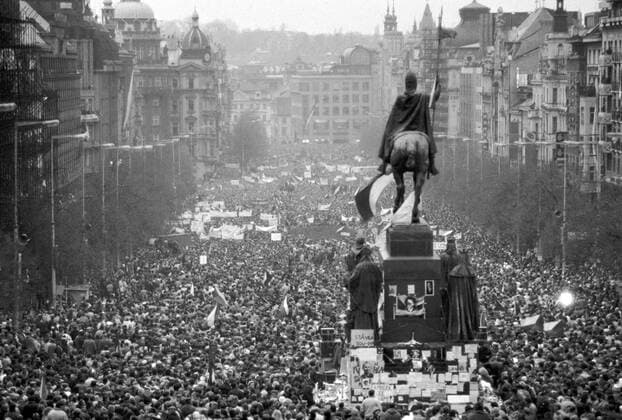
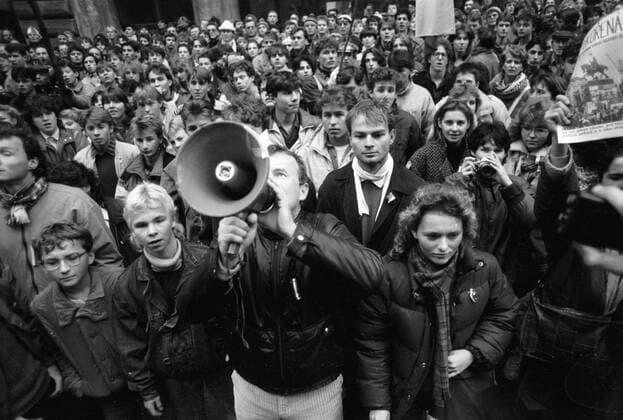
  • A brutal police action against peaceful march of students in Prague on November 17, 1989, sparked the Velvet Revolution, a series of non-violent protests and demonstrations that toppled the authoritarian Communist regime in Czechoslovakia. Protesters at St.Wenceslas monument in Prague, November 1989. CTK Photo Pavel Khol  CTKPhoto20160704
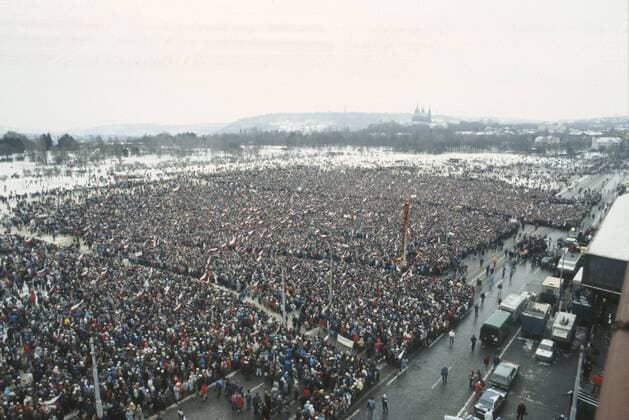
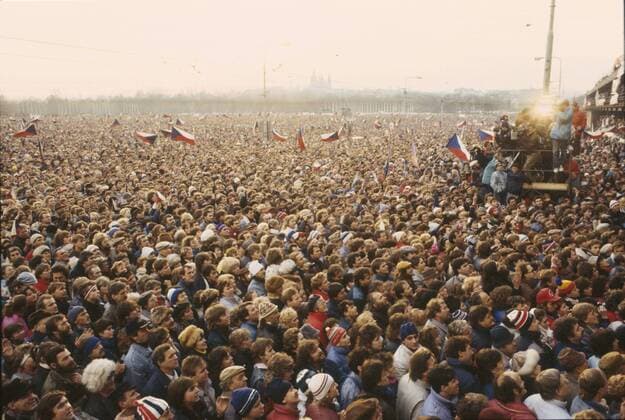
  • A brutal police action against peaceful march of students in Prague on November 17, 1989, sparked the Velvet Revolution, a series of demonstrations that toppled the authoritarian Communist regime in Czechoslovakia. The number of participants in the regular anti-government demonstration at Letna plain in Prague reached an estimated 800,000 people on November 26, 1989. CTK Photo Petr Josek  CTKPhoto20160697
  • A brutal police action against peaceful march of students in Prague on November 17, 1989, sparked the Velvet Revolution, a series of demonstrations that toppled the authoritarian Communist regime in Czechoslovakia. The number of participants in the regular anti-government demonstration at Letna plain in Prague reached an estimated 800,000 people on November 25, 1989. CTK Photo Petr Josek  CTKPhoto20160696
  • A brutal police action against peaceful march of students in Prague on November 17, 1989, sparked the Velvet Revolution, a series of demonstrations that toppled the authoritarian Communist regime in Czechoslovakia. The number of participants in the regular anti-government demonstration at Letna plain in Prague reached an estimated 800,000 people on November 25, 1989. CTK Photo Petr Josek  CTKPhoto20160695
  • The victory of the Velvet Revolution was topped off by the election of dissident playwright and human rights activist Vaclav Havel as President of the republic at Prague Castle on December 29, 1989. High school students and their teachers demonstrate their support for Vaclav Havel as a new president during a rally in Old Town Square in Prague on December 11, 1989. CTK Photo Pavel Khol  CTKPhoto20160692
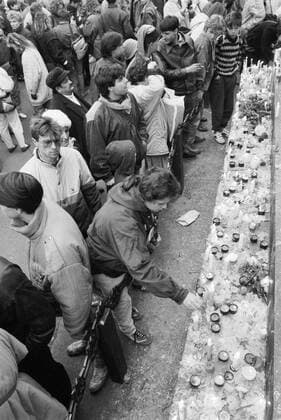
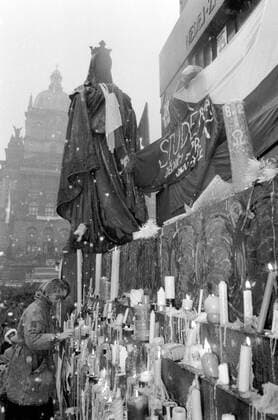
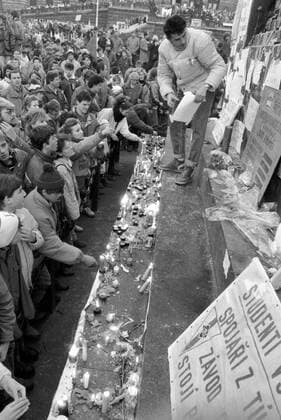
  • A brutal police action against peaceful march of students in Prague on November 17, 1989, sparked the Velvet Revolution, a series of demonstrations that toppled the authoritarian Communist regime in Czechoslovakia. People light candles at St. Wenceslas statue in Wenceslas Square in Prague. CTK Photo Karel Vlcek  CTKPhoto20160688
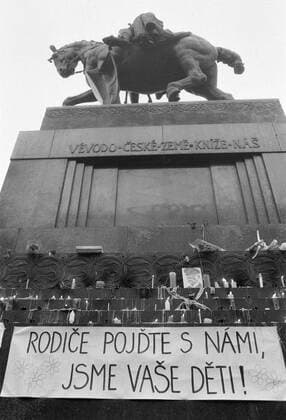
  • A brutal police action against peaceful march of students in Prague on November 17, 1989, sparked the Velvet Revolution, a series of non-violent protests and demonstrations that toppled the authoritarian Communist regime in Czechoslovakia. Banner on St.Wenceslas monument in Prague reads Parents, join us, we are your children. . CTK Photo Karel Vlcek  CTKPhoto20160687
  • A brutal police action against peaceful march of students in Prague on November 17, 1989, sparked the Velvet Revolution, a series of demonstrations that toppled the authoritarian Communist regime in Czechoslovakia. People light candles at St. Wenceslas statue in Wenceslas Square in Prague. CTK Photo Karel Vlcek  CTKPhoto20160686
  • A brutal police action against peaceful march of students in Prague on November 17, 1989, sparked the Velvet Revolution, a series of non-violent protests and demonstrations that toppled the authoritarian Communist regime in Czechoslovakia. Demonstration in Wenceslas Square in Prague, November 1989. CTK Photo  CTKPhoto20160685
  • A brutal police action against peaceful march of students in Prague on November 17, 1989, sparked the Velvet Revolution, a series of non-violent protests and demonstrations that toppled the authoritarian Communist regime in Czechoslovakia. Demonstration at St.Wenceslas monument in Prague, November 1989. CTK Photo  CTKPhoto20160684
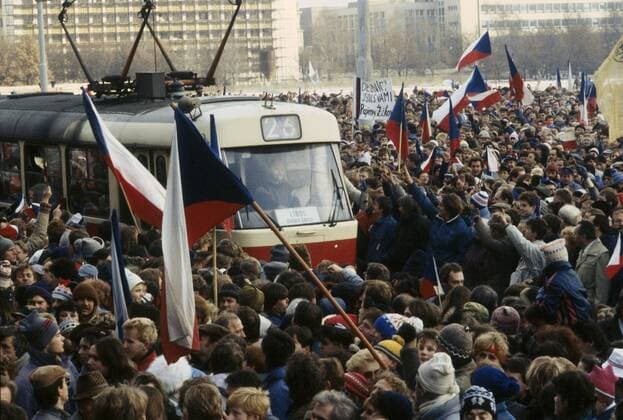
  • Workers from CKD and Praga engineering works carrying national flags march toward Wenceslas Square in Prague to join for the first time anti-government protests on November 23, 1989. This was one of key moments in a series of demonstration during the Velvet Revolution which resulted in the fall of the communist regime. CTK Photo  CTKPhoto20160677
  • A brutal police action against peaceful march of students in Prague on November 17, 1989, sparked the Velvet Revolution, a series of demonstrations that toppled the authoritarian Communist regime in Czechoslovakia. Demonstration in Wenceslas Square on November 27, 1989. CTK Photo  CTKPhoto20160673
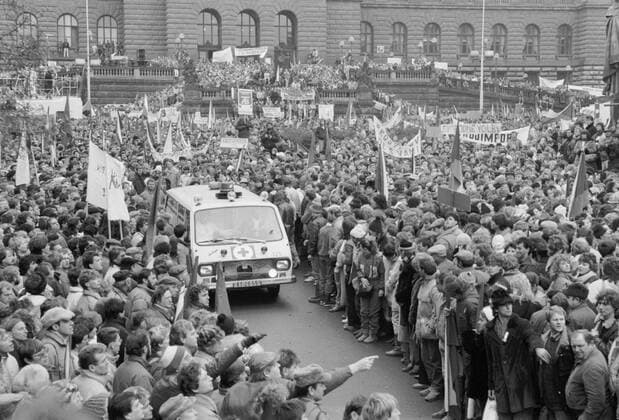
  • A brutal police action against peaceful march of students in Prague on November 17, 1989, sparked the Velvet Revolution, a series of non-violent protests and demonstrations that toppled the authoritarian Communist regime in Czechoslovakia. An ambulance rides through demonstration in Wenceslas Square during general strike on November 27, 1989. CTK Photo  CTKPhoto20160672
  • A brutal police action against peaceful march of students in Prague on November 17, 1989, sparked the Velvet Revolution, a series of non-violent demonstrations that toppled the authoritarian Communist regime in Czechoslovakia. Prague s metro staff installs an information board during general strike on November 27, 1989. CTK Photo  CTKPhoto20160671
  • .A brutal police action against peaceful march of students in Prague on November 17, 1989, sparked the Velvet Revolution, a series of non-violent protests and demonstrations that toppled the authoritarian Communist regime in Czechoslovakia. Demonstration in Wenceslas Square on November 22, 1989. CTK Photo  CTKPhoto20160668
  • A brutal police action against peaceful march of students in Prague on November 17, 1989, sparked the Velvet Revolution, a series of demonstrations that toppled the authoritarian Communist regime in Czechoslovakia. People light candles at St. Wenceslas statue in Wenceslas Square in Prague on November 22, 1989. CTK Photo  CTKPhoto20160667
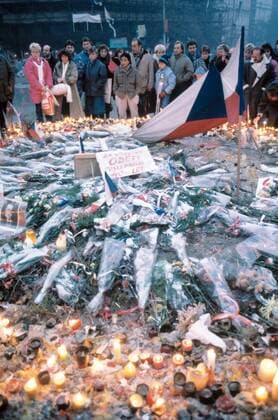
  • A brutal police action against peaceful march of students in Prague on November 17, 1989, sparked the Velvet Revolution, a series of demonstrations that toppled the authoritarian Communist regime in Czechoslovakia. People light candles and lay flowers in Wenceslas Square in Prague to commemorate victims of Communism. CTK Photo  CTKPhoto20160658
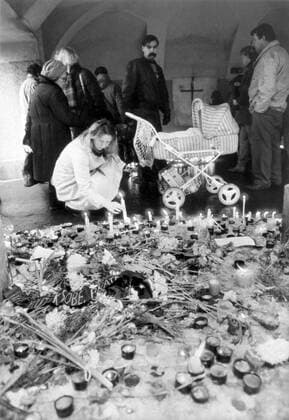
  • A brutal police action against peaceful march of students on Narodni (National) street in Prague on November 17, 1989, sparked the Velvet Revolution, a series of demonstrations that toppled the authoritarian Communist regime in Czechoslovakia. People light candles on Narodni street, November 22, 1989. CTK Photo  CTKPhoto20160656
  • A brutal police action against peaceful march of students in Prague on November 17, 1989, sparked the Velvet Revolution, a series of non-violent demonstrations that toppled the authoritarian Communist regime in Czechoslovakia. Demonstration at the Czechoslovak Radio headquarters on November 21, 1989. CTK Photo  CTKPhoto20160655
  • A brutal police action against peaceful march of students in Prague on November 17, 1989, sparked the Velvet Revolution, a series of demonstrations that toppled the authoritarian Communist regime in Czechoslovakia. Milos Zeman addresses people during a demonstration at Letna plain in Prague on November 25, 1989. The number of participants reached an estimated 800,000 people on November 25 and 26. CTK Photo  CTKPhoto20160653
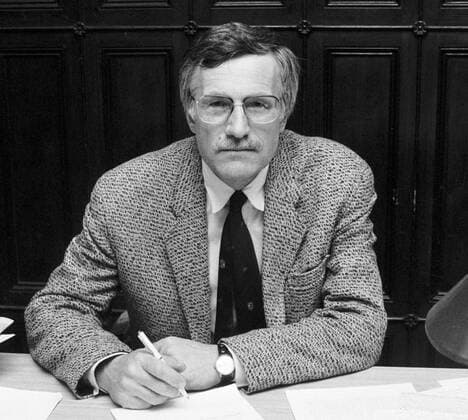
  • Vaclav Klaus, 80. Geburtstag am 19. Juni Vaclav Klaus, one of Civic Forum activists during Czechoslovakia s Velvet Revolution and later Minister of Finance in first post-communist cabinet in a file photo dated November 23, 1989. CTK Photo Michal Dolezal  CTKPhoto00287898
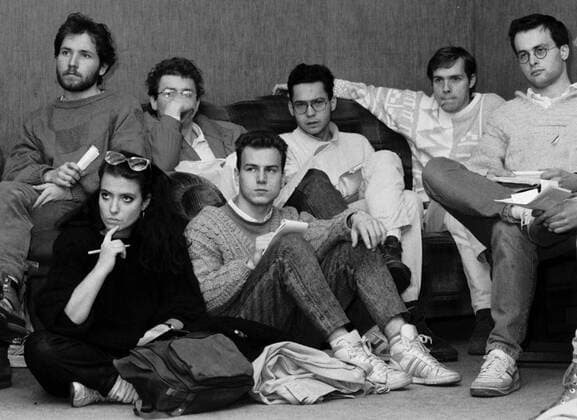
  • Strike of university students protesting against the brutal police crackdown on peaceful march of students on November 17, 1989, was one of major factors of Czechoslovakia s Velvet Revolution which toppled the Communist regime. Students during a meeting of the strike coordinating committee in Prague on November 26, 1989. CTK Photo  CTKPhoto00142285
  • Prague archbishop cardinal Frantisek Tomasek celebrates mass on the occasion of canonization of St. Agnes of Bohemia in St. Vitus Cathedral during Czechoslovakia s Velvet Revolution on November 25, 1989. CTK Photo Karel Mevald  CTKPhoto00231748
Page 1 of 4