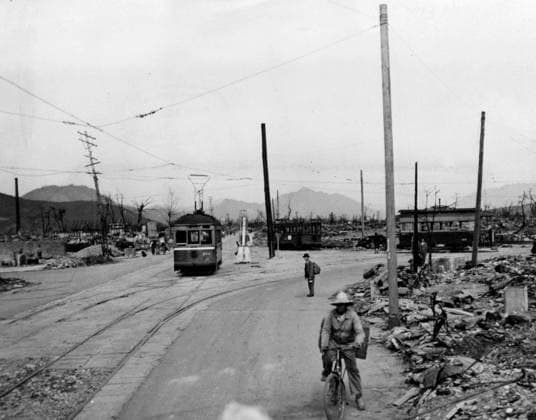
Images in this collection
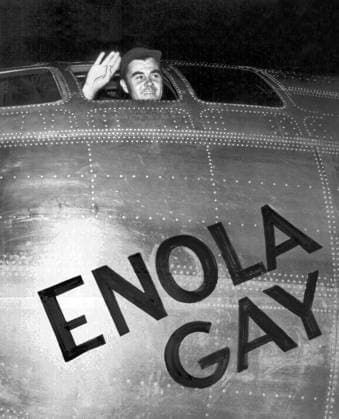
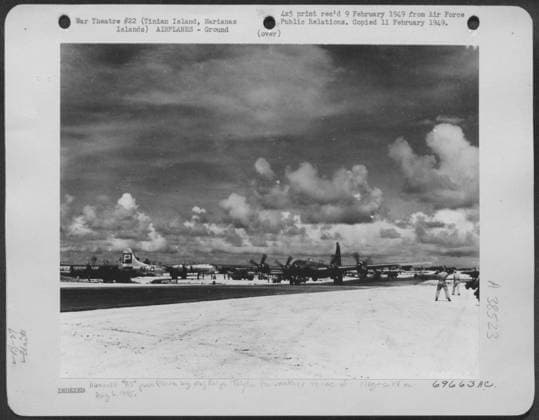
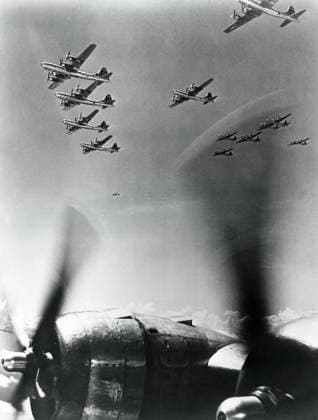
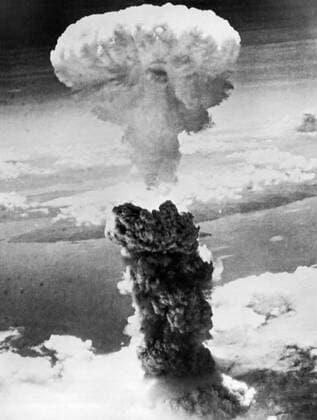
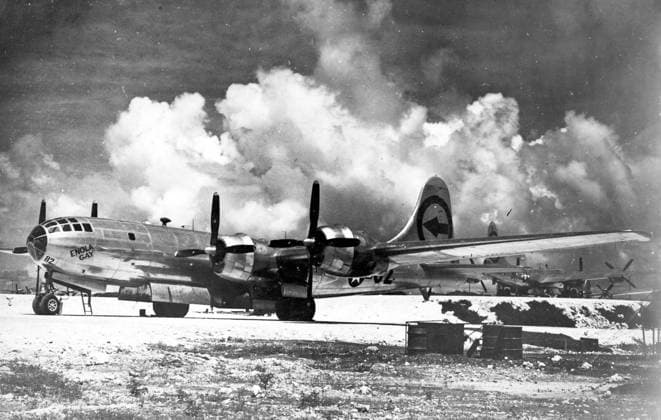
Japan USA: Colonel Paul Tibbets waving from the Enola Gay s cockpit before taking off for the bombing of Hiroshima, 6 August 1945 The Enola Gay is a Boeing B-29 Superfortress bomber named for Enola Gay Tibbets, the mother of the pilot, Colonel Paul Tibbets, who selected the aircraft while it was still on the assembly line. On 6 August 1945;, during the final stages of World War II, it became the first aircraft to drop an atomic bomb.<br ><br > The bomb, code-named Little Boy , was targeted at the city of Hiroshima, Japan, and caused unprecedented destruction. Enola Gay participated in the second atomic attack as the weather reconnaissance aircraft for the primary target of Kokura. Clouds and drifting smoke resulted in Nagasaki being bom Copyright: xxPicturesxFromxHistoryx
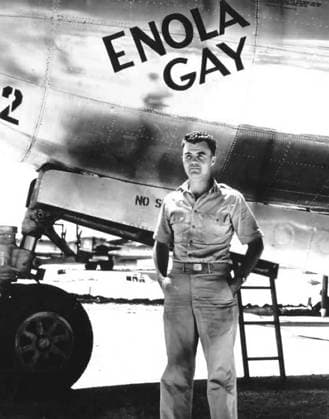
Japan USA: Colonel Paul Tibbets standing by the Enola Gay s cockpit before taking off for the bombing of Hiroshima, 6 August 1945 The Enola Gay is a Boeing B-29 Superfortress bomber named for Enola Gay Tibbets, the mother of the pilot, Colonel Paul Tibbets, who selected the aircraft while it was still on the assembly line. On 6 August 1945;, during the final stages of World War II, it became the first aircraft to drop an atomic bomb.<br ><br > The bomb, code-named Little Boy , was targeted at the city of Hiroshima, Japan, and caused unprecedented destruction. Enola Gay participated in the second atomic attack as the weather reconnaissance aircraft for the primary target of Kokura. Clouds and drifting smoke resulted in Nagasaki being bom Copyright: xxPicturesxFromxHistoryx
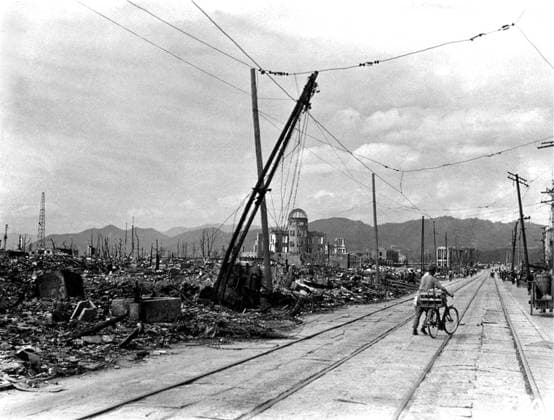
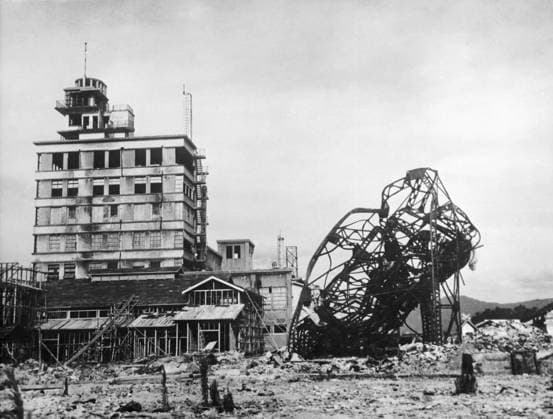
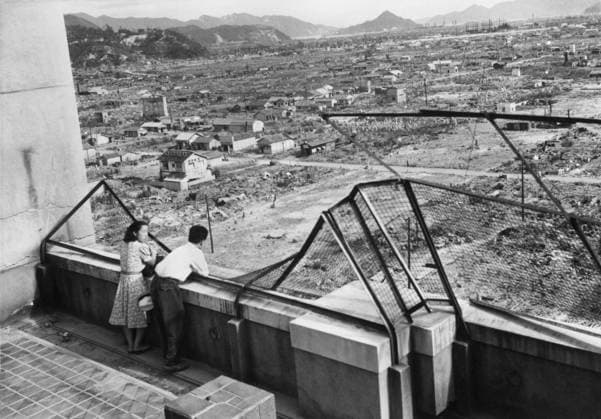
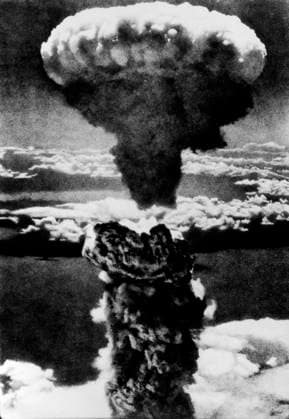
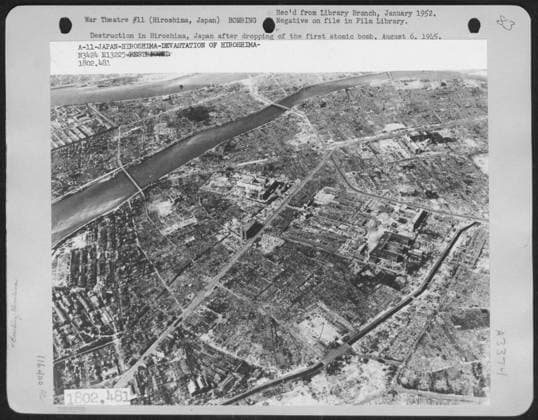
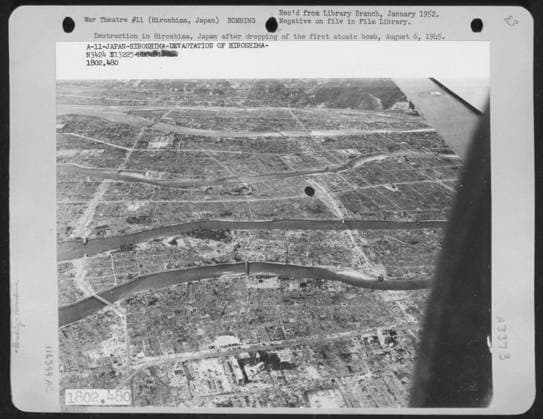
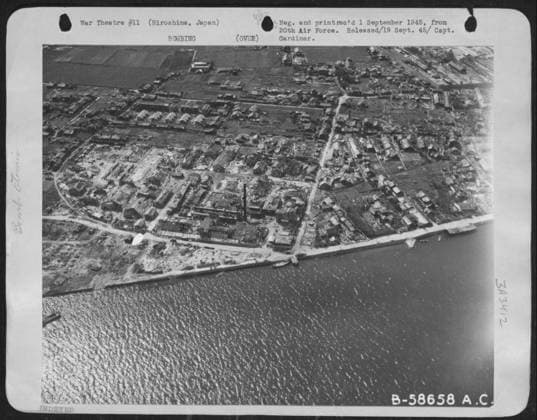
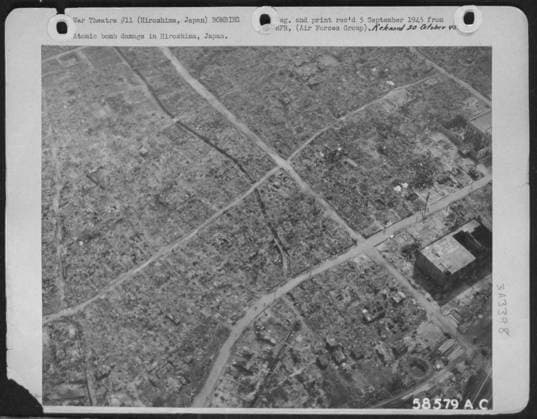
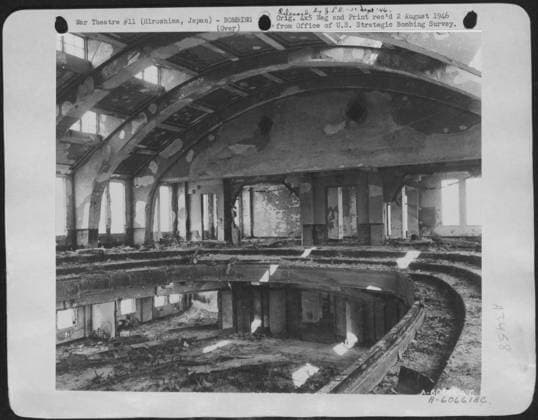
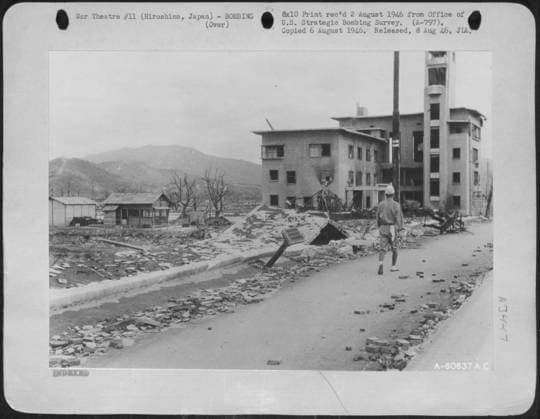
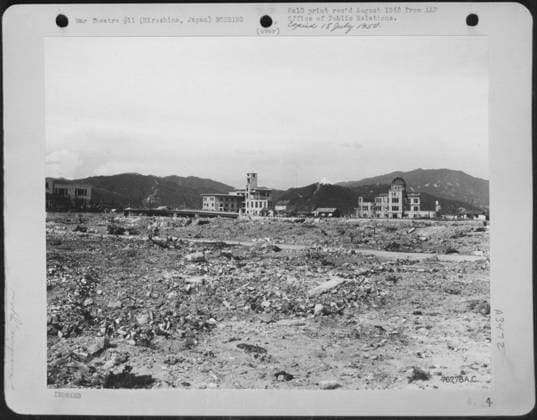
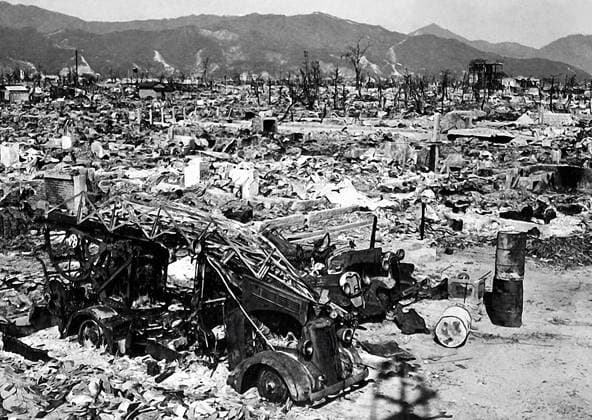
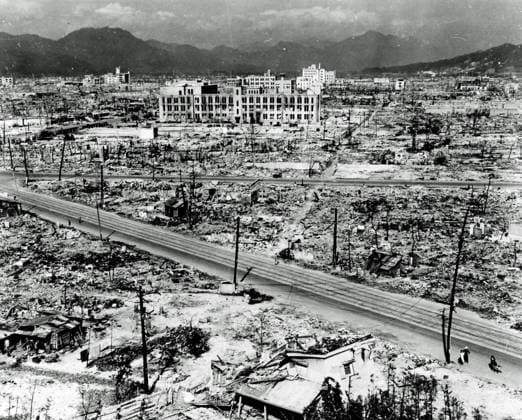
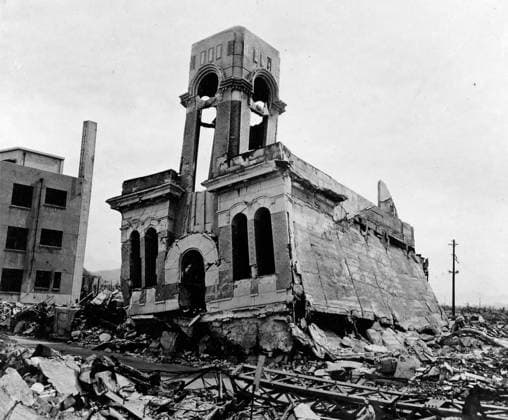
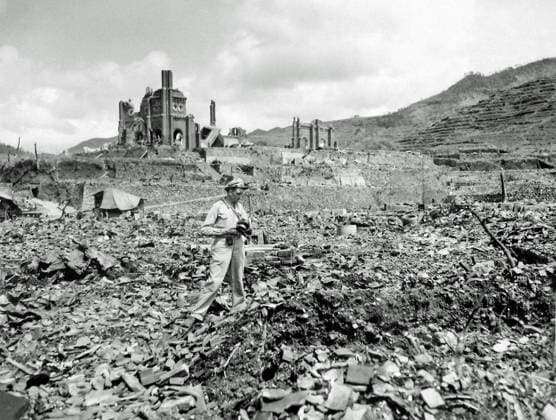
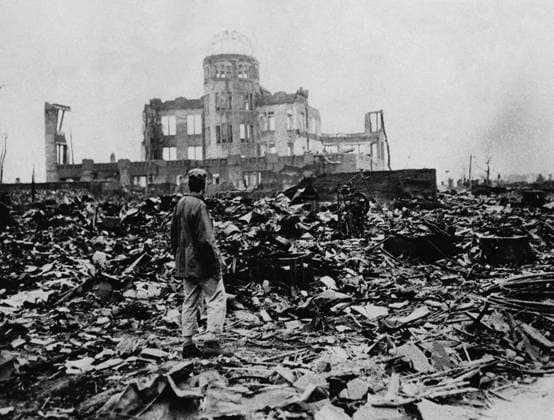
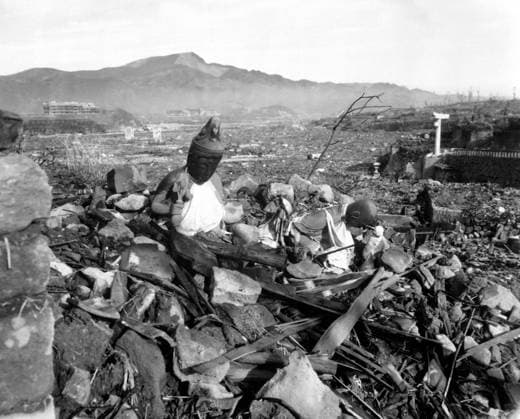
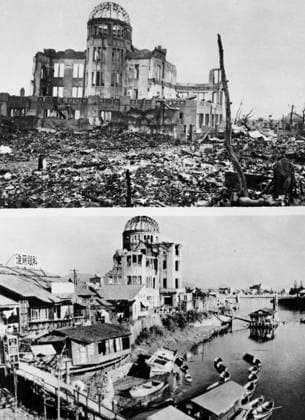
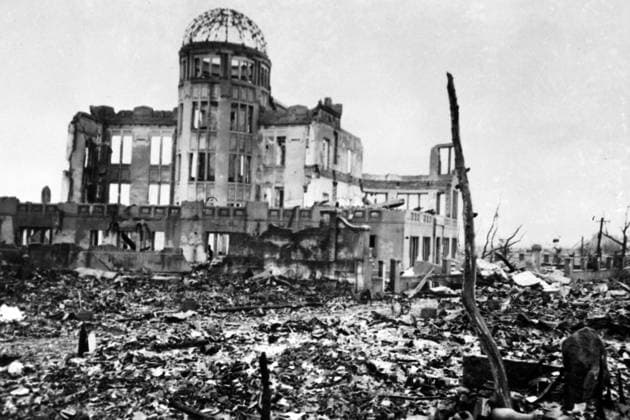
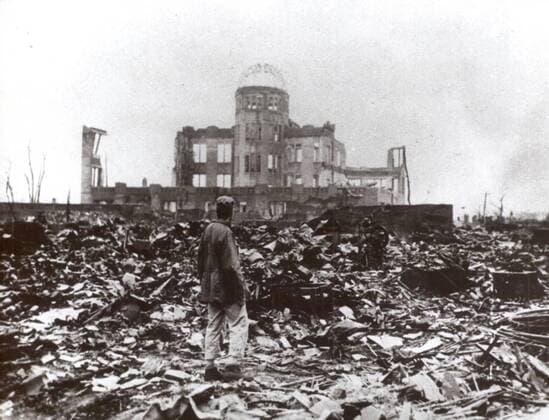
Japan: A Japanese man with a bicycle walks through the ruins of Hiroshima following the dropping of the world s first atomic bomb on the city on 6 August 1945 On Monday, August 6, 1945, at 8:15 am, the nuclear bomb Little Boy was dropped on Hiroshima by an American B-29 bomber, the Enola Gay, directly killing an estimated 80,000 people.<br ><br > By the end of the year, injury and radiation brought the total number of deaths to 90,000 166,000. The population before the bombing was around 340,000 to 350,000. Approximately 70% of the city s buildings were destroyed, and another 7% severely damaged. Copyright: xxPicturesxFromxHistoryx
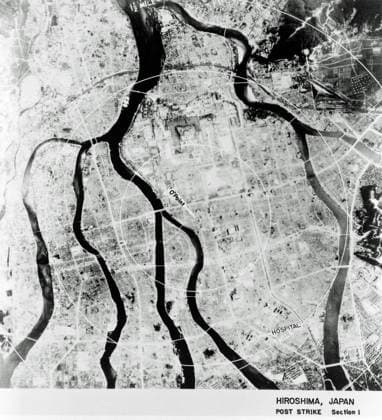
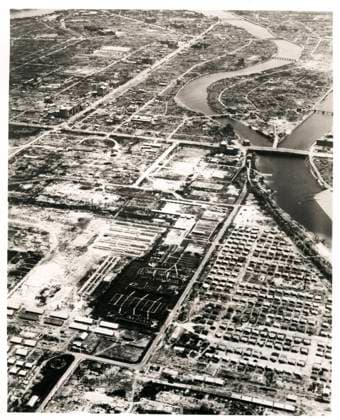
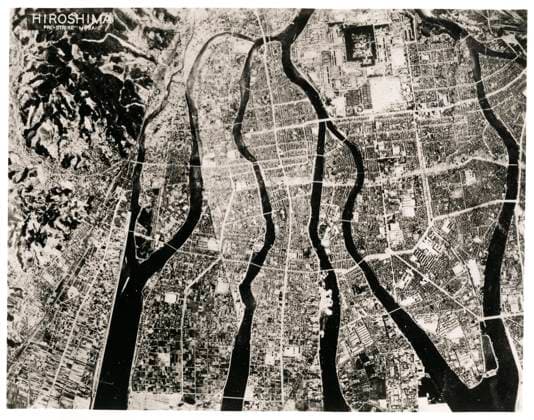
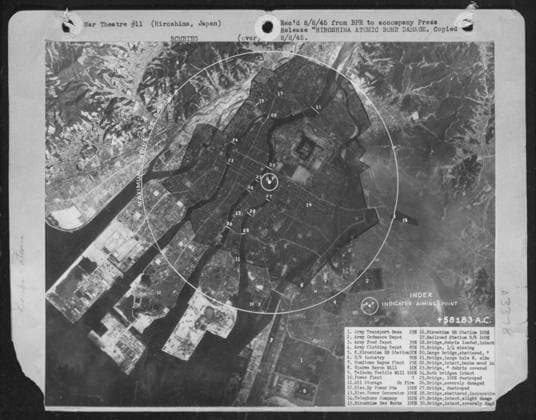
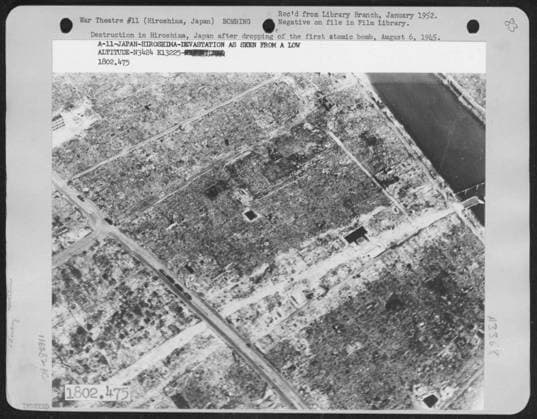
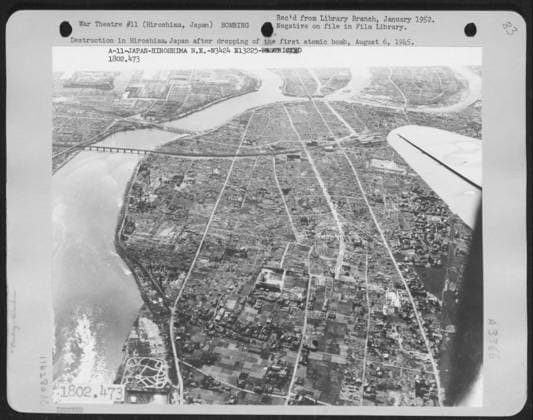
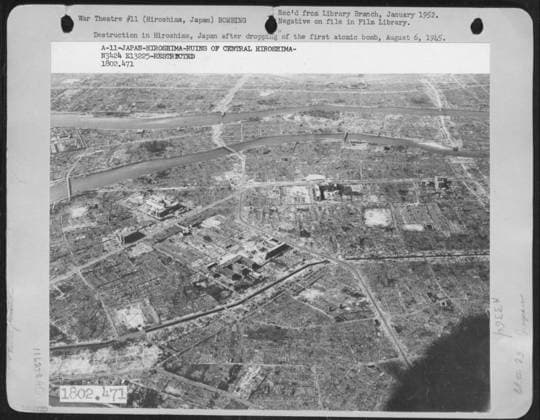
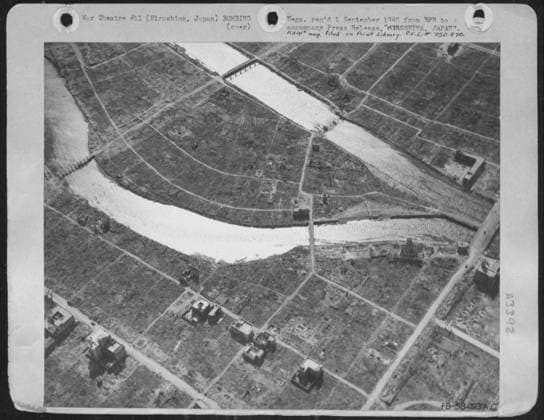
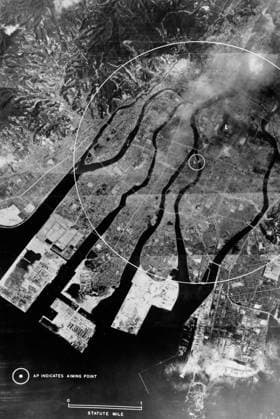
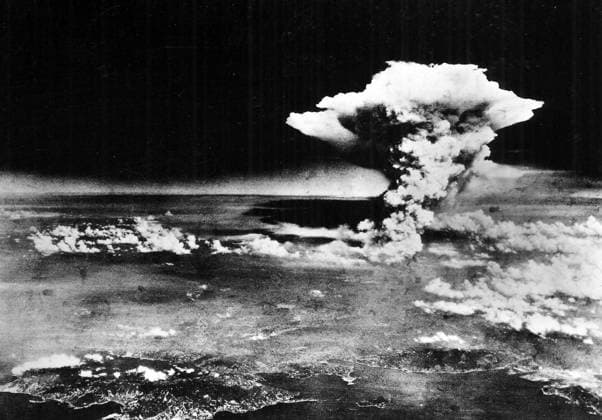
June 26, 1946 ATOMIC BOMB HIROSHIMA Aerial view of Hiroshima after the dropping of an uranium gun-type atomic bomb (Little Boy) on August 6, 1945. 26th June 1946. It was dropped off a Boeing B-29 Superfortress named Enola Gay after the mother of the pilot Colonel Paul Tibbets who had started in the Mariana Islands and returned there. The radius of total destruction was about one mile (1.6 km), with resulting fires across 4.4 square miles (11 km2) of the city. Japanese officials determined that 69% of Hiroshima s buildings were destroyed and another 6-7% damaged. 70,000-80,000 people, or some 30% of the city s population, were killed by the blast and resultant firestorm, and another 70,000 injured. Out of those killed, 20,000 were soldie