EditorialCreativeSportsCollectionsVideos
Prices
0Log in

Visual content for professionals.
800M+ images and videos.

Content Hub

  • Current Events
  • Pictures of the Year
  • Sports
  • Editorial
  • Creative
  • Collections
  • Videos

Offers

  • Prices & Packages
  • Promotions
  • Enterprise
  • Newsletter
  • Blog
  • The Game Magazine

Services

  • Content Research
  • Contract Photography
  • API & FTP Push
  • my-picturemaxx
  • Become a Partner

Company

  • About IMAGO
  • Careers
  • News

Help Center

  • FAQ
  • Contact Us
Legal NoticeTerms & ConditionsLicense InformationData PrivacyPrivacy Settings
© 2026 IMAGO
CEPICBAPLABVPA
  1. IMAGO International History, Takeover of the Khmer Rouge in Cambodia, 50th anniversary on 17th April

IMAGO International History, Takeover of the Khmer Rouge in Cambodia, 50th anniversary on 17th April

Apr 17, 2025

The following photos have been selected for you by the IMAGO picture desk on this topic. For more pictures please use the search function.

Images in this collection
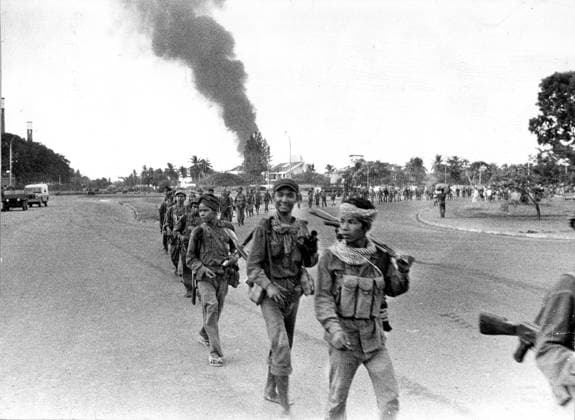
  • PHNOM PENH 1975 05 09 The final battle took place the night before, then the Khmer Rouge rolled into Phnom Penh They quickly fraternized with their former opponents, the government soldiers in a jubilant rush on the city streets Phnom Penh Cambodia x53x  Copyright: xSven-ErikxSjöberg DN TTx KAMBODJA INBÖRDESKRIG 1975

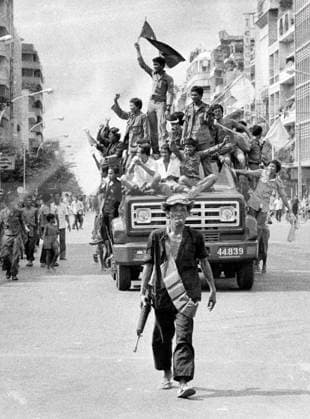
    PHNOM PENH 1975 05 09 The final battle took place the night before, then the Khmer Rouge rolled into Phnom Penh They quickly fraternized with their former opponents, the government soldiers in a jubilant rush on the city streets Phnom Penh Cambodia x53x Copyright: xSven-ErikxSjöberg DN TTx KAMBODJA INBÖRDESKRIG 1975

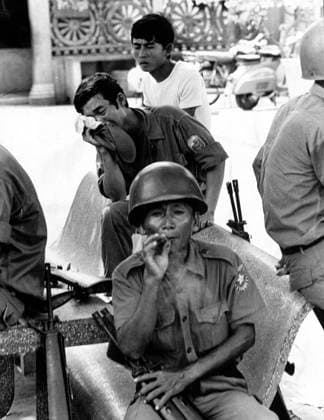
  • Phnom Penh 1975 04 15 A soldier smoking and a crying soldier in the background CAMBODIA ttexport x53x  Copyright: xSven-ErikxSjöberg DN TTx CAMBODIA 1975

    Phnom Penh 1975 04 15 A soldier smoking and a crying soldier in the background CAMBODIA ttexport x53x Copyright: xSven-ErikxSjöberg DN TTx CAMBODIA 1975

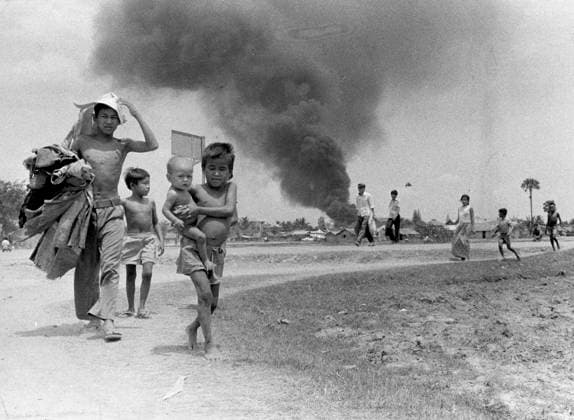
  • Phnom Penh 1975 05 06 Around Phnom Penh there were only a few people, the evacuees had already gone a long way from the city and one could sometimes see the fires from their night camp Phnom Penh Cambodia x53x  Copyright: xSven-ErikxSjöberg DN TTx KAMBODJA 1975

    Phnom Penh 1975 05 06 Around Phnom Penh there were only a few people, the evacuees had already gone a long way from the city and one could sometimes see the fires from their night camp Phnom Penh Cambodia x53x Copyright: xSven-ErikxSjöberg DN TTx KAMBODJA 1975

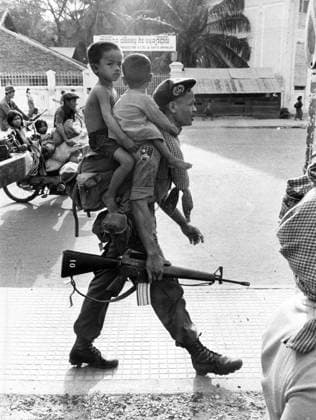
  • Phnom Penh 1975 05 06 A Lon Nol soldier flees with two children on his back Phnom Penh Cambodia x53x  Copyright: xSven-ErikxSjöberg DN TTx KAMBODJA 1975

    Phnom Penh 1975 05 06 A Lon Nol soldier flees with two children on his back Phnom Penh Cambodia x53x Copyright: xSven-ErikxSjöberg DN TTx KAMBODJA 1975

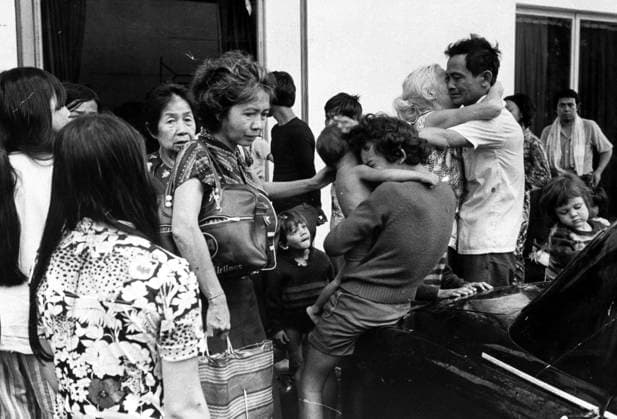
  • Phnom Penh 1975 05 09 Desperate, painful and unbearable scenes when all Cambodians who had sought refuge in the French embassy were ordered to leave Wives and children clung to their husbands and fathers CAMBODIA ttexport x53x  Copyright: xSven-ErikxSjöberg DN TTx CAMBODIA 1975

    Phnom Penh 1975 05 09 Desperate, painful and unbearable scenes when all Cambodians who had sought refuge in the French embassy were ordered to leave Wives and children clung to their husbands and fathers CAMBODIA ttexport x53x Copyright: xSven-ErikxSjöberg DN TTx CAMBODIA 1975

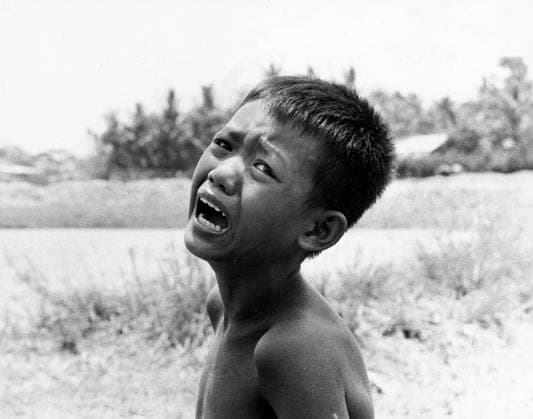
  • Phnom Penh 1975 05 06 A crying boy during the war in Cambodia CAMBODIA ttexport x53x  Copyright: xSven-ErikxSjöberg DN TTx CAMBODIA 1975

    Phnom Penh 1975 05 06 A crying boy during the war in Cambodia CAMBODIA ttexport x53x Copyright: xSven-ErikxSjöberg DN TTx CAMBODIA 1975

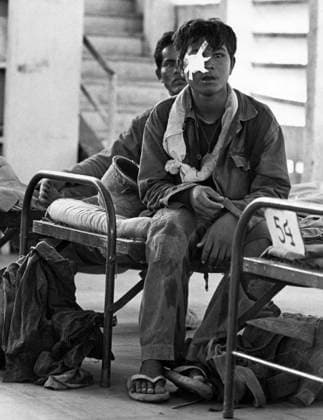
  • Phnom Penh 1975 04 14 The war is over for this junta soldier Now he is waiting for the arrival of the victorious guerrilla soldiers like all the other wounded CAMBODIA ttexport x53x  Copyright: xSven-ErikxSjöberg DN TTx CAMBODIA 1975

    Phnom Penh 1975 04 14 The war is over for this junta soldier Now he is waiting for the arrival of the victorious guerrilla soldiers like all the other wounded CAMBODIA ttexport x53x Copyright: xSven-ErikxSjöberg DN TTx CAMBODIA 1975

  • KAMBODJA 19750506 Khmer Rouge take the capital Phnom Penh in May 1975 DN photographer Sven Erik Sjöberg was one of the few Swedes who was with PHNOM PENH KAMBODJA sp sw x53x  Copyright: xSven-ErikxSjöberg DN TTx KAMBODJA 1975

    KAMBODJA 19750506 Khmer Rouge take the capital Phnom Penh in May 1975 DN photographer Sven Erik Sjöberg was one of the few Swedes who was with PHNOM PENH KAMBODJA sp sw x53x Copyright: xSven-ErikxSjöberg DN TTx KAMBODJA 1975

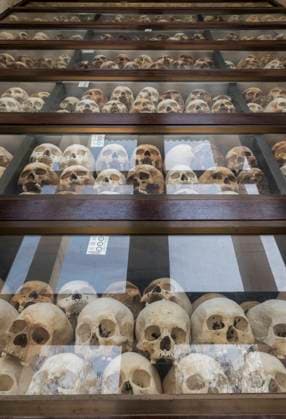
  • Cambodia: Layers of skulls of victims killed by the Khmer Rouge in the Memorial Stupa of Choeung Ek Genocidal Center, south of Phnom Penh (2016) About 12 km (7½ miles) south of Phnom Penh lie the infamous Killing Fields of Choeung Ek. Here victims of the Khmer Rouge, including many from Tuol Sleng, were taken for execution and burial in mass graves. Many of these have now been exhumed, and a stupa-shaped mausoleum has been erected to their memory.<br ><br > The Khmer Rouge, or Communist Party of Kampuchea, ruled Cambodia from 1975 to 1979, led by Pol Pot, Nuon Chea, Ieng Sary, Son Sen and Khieu Samphan. It is remembered primarily for its brutality and policy of social engineering which resulted in millions of deaths. Its attempts at agric Copyright: xOliverxHargreavexOliverxHargreavex xPicturesxFromx
    Cambodia: Layers of skulls of victims killed by the Khmer Rouge in the Memorial Stupa of Choeung Ek Genocidal Center, south of Phnom Penh (2016) About 12 km (7½ miles) south of Phnom Penh lie the infamous Killing Fields of Choeung Ek. Here victims of the Khmer Rouge, including many from Tuol Sleng, were taken for execution and burial in mass graves. Many of these have now been exhumed, and a stupa-shaped mausoleum has been erected to their memory.<br ><br > The Khmer Rouge, or Communist Party of Kampuchea, ruled Cambodia from 1975 to 1979, led by Pol Pot, Nuon Chea, Ieng Sary, Son Sen and Khieu Samphan. It is remembered primarily for its brutality and policy of social engineering which resulted in millions of deaths. Its attempts at agric Copyright: xOliverxHargreavexOliverxHargreavex xPicturesxFromx

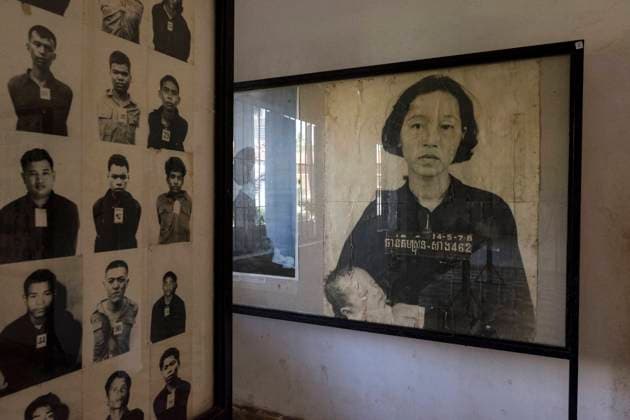
  • Cambodia: A former Khmer Rouge cadre and her child became victims of genocide in a Khmer Rouge purge (2016) The Tuol Sleng Genocide Museum is a museum in Phnom Penh, the capital of Cambodia. The site is a former high school which was used as the notorious Security Prison 21 (S-21) by the Khmer Rouge communist regime from its rise to power in 1975 to its fall in 1979. Tuol Sleng means Hill of the Poisonous Trees or Strychnine Hill .<br ><br > The Khmer Rouge, or Communist Party of Kampuchea, ruled Cambodia from 1975 to 1979, led by Pol Pot, Nuon Chea, Ieng Sary, Son Sen and Khieu Samphan. It is remembered primarily for its brutality and policy of social engineering which resulted in millions of deaths. Its attempts at agricultural reform Copyright: xOliverxHargreavexOliverxHargreavex xPicturesxFromx

    Cambodia: A former Khmer Rouge cadre and her child became victims of genocide in a Khmer Rouge purge (2016) The Tuol Sleng Genocide Museum is a museum in Phnom Penh, the capital of Cambodia. The site is a former high school which was used as the notorious Security Prison 21 (S-21) by the Khmer Rouge communist regime from its rise to power in 1975 to its fall in 1979. Tuol Sleng means Hill of the Poisonous Trees or Strychnine Hill .<br ><br > The Khmer Rouge, or Communist Party of Kampuchea, ruled Cambodia from 1975 to 1979, led by Pol Pot, Nuon Chea, Ieng Sary, Son Sen and Khieu Samphan. It is remembered primarily for its brutality and policy of social engineering which resulted in millions of deaths. Its attempts at agricultural reform Copyright: xOliverxHargreavexOliverxHargreavex xPicturesxFromx

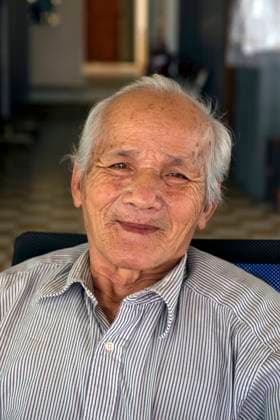
  • Cambodia: Bou Meng (1941 -), one of 14 survivors of S-21 (Khmer Rouge prison), Phnom Penh, 2016 Born in 1941, Bou Meng is one of 14 survivors of S-21, the Khmer Rouge prison in Phnom Penh (1975 1979), Cambodia, where more than 16,000 people were tortured and then sent to be killed. He survived because of his skill at portraiture and was forced to paint images of the Khmer Rouge leaders. Copyright: xOliverxHargreavexOliverxHargreavex xPicturesxFromx

    Cambodia: Bou Meng (1941 -), one of 14 survivors of S-21 (Khmer Rouge prison), Phnom Penh, 2016 Born in 1941, Bou Meng is one of 14 survivors of S-21, the Khmer Rouge prison in Phnom Penh (1975 1979), Cambodia, where more than 16,000 people were tortured and then sent to be killed. He survived because of his skill at portraiture and was forced to paint images of the Khmer Rouge leaders. Copyright: xOliverxHargreavexOliverxHargreavex xPicturesxFromx

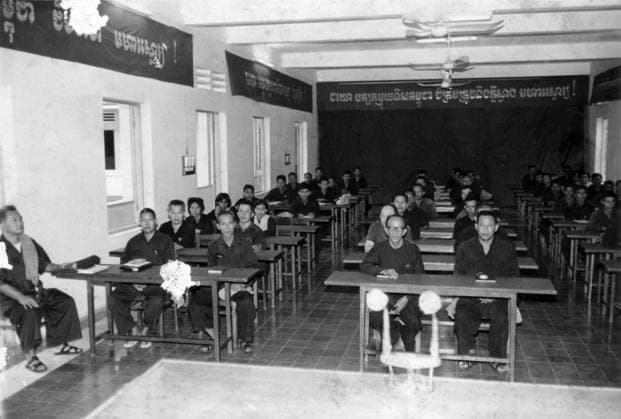
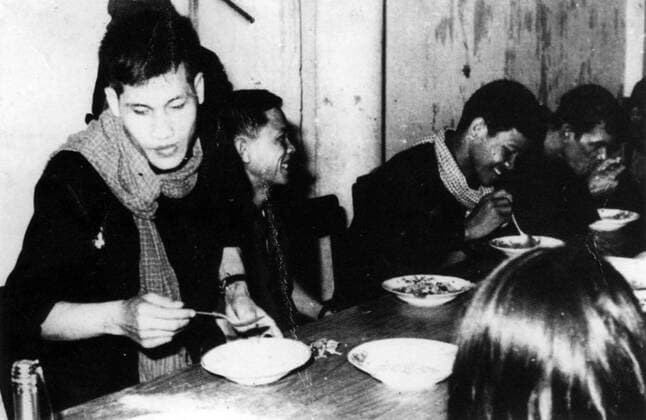
  • Cambodia: Khmer Rouge senior cadre attend a seminar in Phnom Penh during the Democratic Kampuchea period (1975-1979), probably c. 1976 Nuon Chea (left) during a lecture to Khmer Rouge cadres. From left to right, first row Vorn Vet, Ta Mok, unknown, Ke Pok, second row Khieu Samphan, unknown, Ieng Sary. Copyright: xxPicturesxFromxHistoryx

    Cambodia: Khmer Rouge senior cadre attend a seminar in Phnom Penh during the Democratic Kampuchea period (1975-1979), probably c. 1976 Nuon Chea (left) during a lecture to Khmer Rouge cadres. From left to right, first row Vorn Vet, Ta Mok, unknown, Ke Pok, second row Khieu Samphan, unknown, Ieng Sary. Copyright: xxPicturesxFromxHistoryx

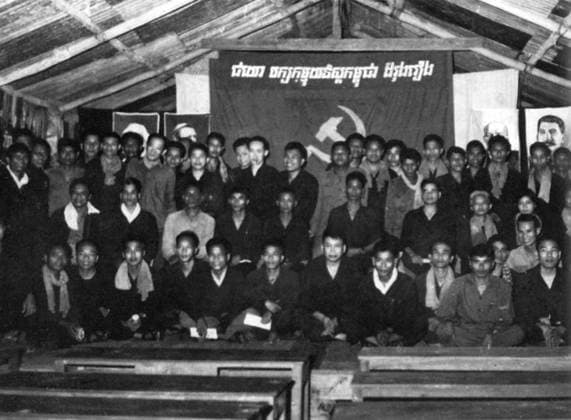
  • Cambodia: The Communist Party of Kampuchea s Third Congress, Kompong Thom Province, 1971. The Communist Party of Kampuchea s Third Congress, Kompong Thom Province, 1971. Pol Pot sits cross-legged in the centre of the front row, while portraits of Marx, Engels, Lenin and Stalin hang on the walls.<br ><br > The Khmer Rouge, or Communist Party of Kampuchea, ruled Cambodia from 1975 to 1979, led by Pol Pot, Nuon Chea, Ieng Sary, Son Sen and Khieu Samphan. It is remembered primarily for its brutality and policy of social engineering which resulted in millions of deaths. Its attempts at agricultural reform led to widespread famine, while its insistence on absolute self-sufficiency, even in the supply of medicine, led to the deaths of thousands f Copyright: xxPicturesxFromxHistoryx
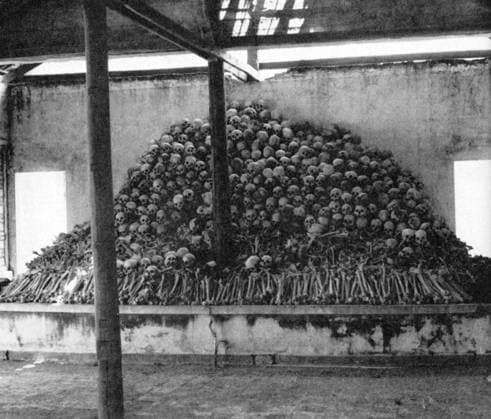
    Cambodia: The Communist Party of Kampuchea s Third Congress, Kompong Thom Province, 1971. The Communist Party of Kampuchea s Third Congress, Kompong Thom Province, 1971. Pol Pot sits cross-legged in the centre of the front row, while portraits of Marx, Engels, Lenin and Stalin hang on the walls.<br ><br > The Khmer Rouge, or Communist Party of Kampuchea, ruled Cambodia from 1975 to 1979, led by Pol Pot, Nuon Chea, Ieng Sary, Son Sen and Khieu Samphan. It is remembered primarily for its brutality and policy of social engineering which resulted in millions of deaths. Its attempts at agricultural reform led to widespread famine, while its insistence on absolute self-sufficiency, even in the supply of medicine, led to the deaths of thousands f Copyright: xxPicturesxFromxHistoryx

  • Cambodia: Khmer Rouge Aftermath: A charnel house at Tonle Bati. Collected skulls and bones from a mass grave of Khmer Rouge victims at Tonle Bati, some 30 kms south of Phnom Penh.<br ><br > The Khmer Rouge, or Communist Party of Kampuchea, ruled Cambodia from 1975 to 1979, led by Pol Pot, Nuon Chea, Ieng Sary, Son Sen and Khieu Samphan. It is remembered primarily for its brutality and policy of social engineering which resulted in millions of deaths. Its attempts at agricultural reform led to widespread famine, while its insistence on absolute self-sufficiency, even in the supply of medicine, led to the deaths of thousands from treatable diseases (such as malaria). Brutal and arbitrary executions and torture carried out by its cadres again Copyright: xxPicturesxFromxHistoryx
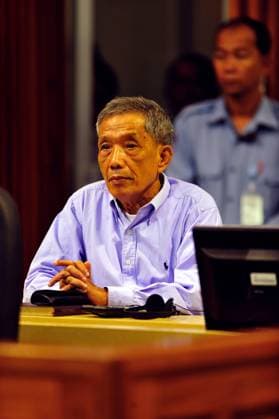
    Cambodia: Khmer Rouge Aftermath: A charnel house at Tonle Bati. Collected skulls and bones from a mass grave of Khmer Rouge victims at Tonle Bati, some 30 kms south of Phnom Penh.<br ><br > The Khmer Rouge, or Communist Party of Kampuchea, ruled Cambodia from 1975 to 1979, led by Pol Pot, Nuon Chea, Ieng Sary, Son Sen and Khieu Samphan. It is remembered primarily for its brutality and policy of social engineering which resulted in millions of deaths. Its attempts at agricultural reform led to widespread famine, while its insistence on absolute self-sufficiency, even in the supply of medicine, led to the deaths of thousands from treatable diseases (such as malaria). Brutal and arbitrary executions and torture carried out by its cadres again Copyright: xxPicturesxFromxHistoryx

  • Cambodia: Kang Kek Iew, aka Comrade Duch, former Khmer Rouge Commandant at Tuol Sleng S21 Prison and Santebal chief, 26 July 2010. Photo courtesy eccc.gov.kh (CC BY 2.0 License) Kang Kek Iew or Kaing Kek Iev, also romanized as Kaing Guek Eav, nom de guerre Comrade Duch or Deuch; or Hang Pin, (born 17 November 1942) is a former leader in the Khmer Rouge communist movement, which ruled Democratic Kampuchea from 1975 to 1979. He is best known for heading the Khmer Rouge special branch and running the infamous Tuol Sleng (S-21) prison camp in Phnom Penh. The first Khmer Rouge leader to be tried by the Extraordinary Chambers in the Courts of Cambodia for the crimes of the regime, he was convicted of crimes against humanity, murder, and torture f Copyright: xeccc.gov.khx(CCxBYx2.0xLicense)xeccc.gov.khx xPicturesxFromxHistx
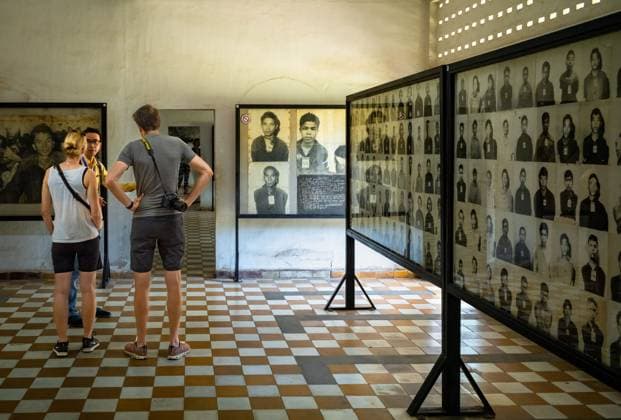
    Cambodia: Kang Kek Iew, aka Comrade Duch, former Khmer Rouge Commandant at Tuol Sleng S21 Prison and Santebal chief, 26 July 2010. Photo courtesy eccc.gov.kh (CC BY 2.0 License) Kang Kek Iew or Kaing Kek Iev, also romanized as Kaing Guek Eav, nom de guerre Comrade Duch or Deuch; or Hang Pin, (born 17 November 1942) is a former leader in the Khmer Rouge communist movement, which ruled Democratic Kampuchea from 1975 to 1979. He is best known for heading the Khmer Rouge special branch and running the infamous Tuol Sleng (S-21) prison camp in Phnom Penh. The first Khmer Rouge leader to be tried by the Extraordinary Chambers in the Courts of Cambodia for the crimes of the regime, he was convicted of crimes against humanity, murder, and torture f Copyright: xeccc.gov.khx(CCxBYx2.0xLicense)xeccc.gov.khx xPicturesxFromxHistx

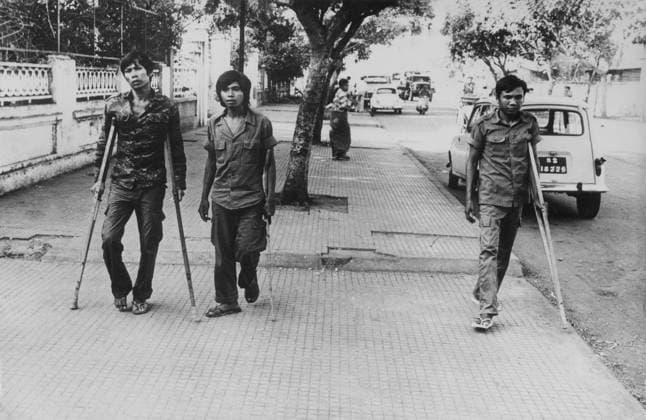
  • Khmer Soldiers Wounded in Phnom Penh in April 1975 (b w photo) 1660008 Khmer Soldiers Wounded in Phnom Penh in April 1975 (b w photo); (add.info.: Khmer soldiers wounded in Phnom Penh in april 1975). Copyright: xBridgemanxImagesx 1660008

    Khmer Soldiers Wounded in Phnom Penh in April 1975 (b w photo) 1660008 Khmer Soldiers Wounded in Phnom Penh in April 1975 (b w photo); (add.info.: Khmer soldiers wounded in Phnom Penh in april 1975). Copyright: xBridgemanxImagesx 1660008

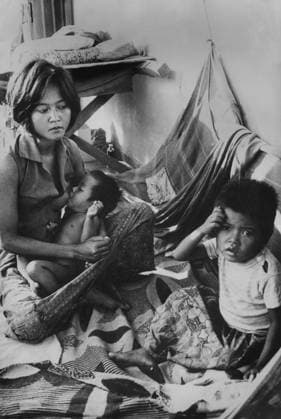
  • Famille in Cambodian Refugees Camp on The Periphery of The Capital Phnom Penh in April 1975 After Capture of The Town By Red Khmers (b w photo) 1660007 Famille in Cambodian Refugees Camp on The Periphery of The Capital Phnom Penh in April 1975 After Capture of The Town By Red Khmers (b w photo); (add.info.: Famille in Cambodian refugees camp on the periphery of the capital Phnom Penh in april 1975 after capture of the town by Red Khmers). Copyright: xBridgemanxImagesx 1660007

    Famille in Cambodian Refugees Camp on The Periphery of The Capital Phnom Penh in April 1975 After Capture of The Town By Red Khmers (b w photo) 1660007 Famille in Cambodian Refugees Camp on The Periphery of The Capital Phnom Penh in April 1975 After Capture of The Town By Red Khmers (b w photo); (add.info.: Famille in Cambodian refugees camp on the periphery of the capital Phnom Penh in april 1975 after capture of the town by Red Khmers). Copyright: xBridgemanxImagesx 1660007

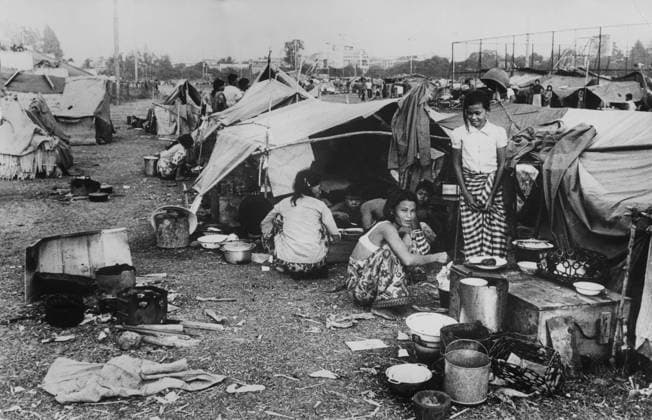
  • Cambodian Refugees Camp in April 1975 After Capture of Phnom Penh By Red Khmers (b w photo) 1660006 Cambodian Refugees Camp in April 1975 After Capture of Phnom Penh By Red Khmers (b w photo); (add.info.: Cambodian refugees camp in april 1975 after capture of Phnom Penh by Red Khmers). Copyright: xBridgemanxImagesx 1660006

    Cambodian Refugees Camp in April 1975 After Capture of Phnom Penh By Red Khmers (b w photo) 1660006 Cambodian Refugees Camp in April 1975 After Capture of Phnom Penh By Red Khmers (b w photo); (add.info.: Cambodian refugees camp in april 1975 after capture of Phnom Penh by Red Khmers). Copyright: xBridgemanxImagesx 1660006

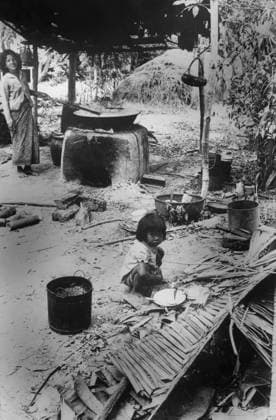
  • Cambodian Refugees Camp on The Periphery of The Capital Phnom Penh in April 1975 After Capture of The Town By Red Khmers (b w photo) 1659993 Cambodian Refugees Camp on The Periphery of The Capital Phnom Penh in April 1975 After Capture of The Town By Red Khmers (b w photo); (add.info.: Cambodian refugees camp on the periphery of the capital Phnom Penh in april 1975 after capture of the town by Red Khmers). Copyright: xBridgemanxImagesx 1659993

    Cambodian Refugees Camp on The Periphery of The Capital Phnom Penh in April 1975 After Capture of The Town By Red Khmers (b w photo) 1659993 Cambodian Refugees Camp on The Periphery of The Capital Phnom Penh in April 1975 After Capture of The Town By Red Khmers (b w photo); (add.info.: Cambodian refugees camp on the periphery of the capital Phnom Penh in april 1975 after capture of the town by Red Khmers). Copyright: xBridgemanxImagesx 1659993

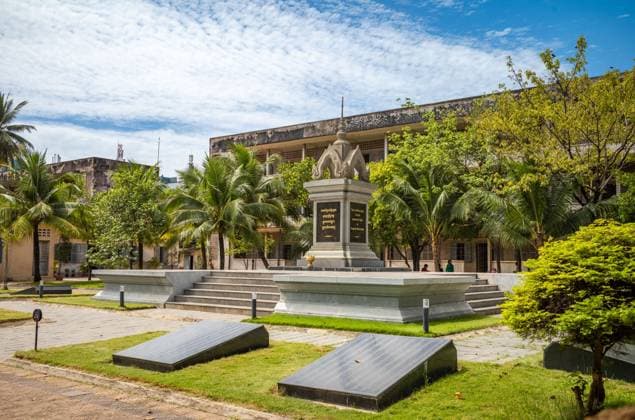
  • The memorial to murdered victims at the notorious Tuol Sleng S-21 torture and genocide prison museum in Phnom Penh, Cambodia. The memorial to murdered victims at the notorious Tuol Sleng S-21 torture and genocide prison museum in Phnom Penh, Cambodia. More than 18,000 people died here under the Khmer Rouge between 1975-79, and just 12 former prisoners survived. Copyright: AndyxSoloman 4063_14_AS_Tuol_12112022_020

    The memorial to murdered victims at the notorious Tuol Sleng S-21 torture and genocide prison museum in Phnom Penh, Cambodia. The memorial to murdered victims at the notorious Tuol Sleng S-21 torture and genocide prison museum in Phnom Penh, Cambodia. More than 18,000 people died here under the Khmer Rouge between 1975-79, and just 12 former prisoners survived. Copyright: AndyxSoloman 4063_14_AS_Tuol_12112022_020

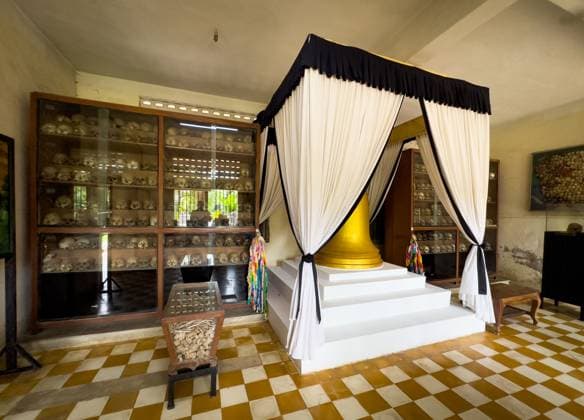
  • A memorial stupa in between cabinets full of skulls of Khmer Rouge victims in Tuol Sleng S-21 torture and genocide museum in Phnom Penh, Cambodia. A memorial stupa in between cabinets full of skulls of Khmer Rouge victims in Tuol Sleng S-21 torture and genocide museum in Phnom Penh, Cambodia. More than 18,000 people died here under the Khmer Rouge between 1975-79, and just 12 former prisoners survived. Copyright: AndyxSoloman 4063_09_AS_Tuol_12112022_034

    A memorial stupa in between cabinets full of skulls of Khmer Rouge victims in Tuol Sleng S-21 torture and genocide museum in Phnom Penh, Cambodia. A memorial stupa in between cabinets full of skulls of Khmer Rouge victims in Tuol Sleng S-21 torture and genocide museum in Phnom Penh, Cambodia. More than 18,000 people died here under the Khmer Rouge between 1975-79, and just 12 former prisoners survived. Copyright: AndyxSoloman 4063_09_AS_Tuol_12112022_034

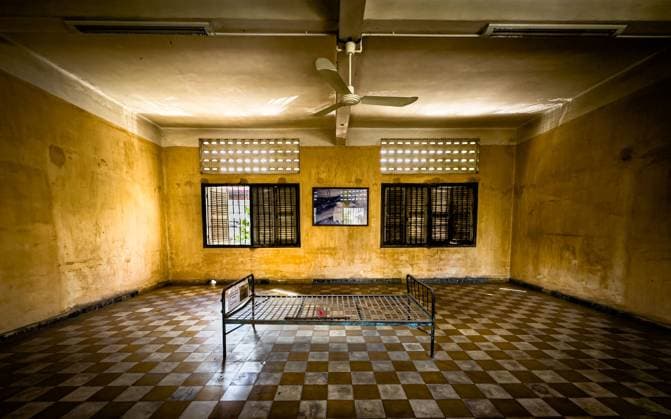
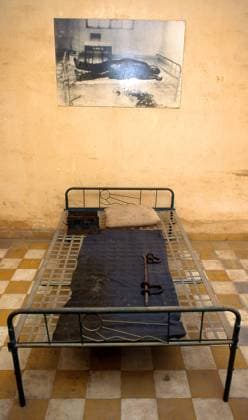
  • A steel bedframe in a torture cell converted from a former school classroom in the Tuol Sleng or S-21 torture and genocide museum in Phnom Penh, Cambodia. A steel bedframe in a torture cell converted from a former school classroom in the Tuol Sleng or S-21 torture and genocide museum in Phnom Penh, Cambodia. More than 18,000 people died here under the Khmer Rouge between 1975-79, and just 12 former prisoners survived. Copyright: AndyxSoloman 4063_09_AS_Tuol_12112022_024

    A steel bedframe in a torture cell converted from a former school classroom in the Tuol Sleng or S-21 torture and genocide museum in Phnom Penh, Cambodia. A steel bedframe in a torture cell converted from a former school classroom in the Tuol Sleng or S-21 torture and genocide museum in Phnom Penh, Cambodia. More than 18,000 people died here under the Khmer Rouge between 1975-79, and just 12 former prisoners survived. Copyright: AndyxSoloman 4063_09_AS_Tuol_12112022_024

  • Two western tourists with their tour guide in a room at the Tuol Sleng, or S-21, torture and genocide museum in Phnom Penh, Cambodia, containing portraits of prisoners taken before they were murdered by the Khmer Rouge. Two western tourists with their tour guide in a room at the Tuol Sleng, or S-21, torture and genocide museum in Phnom Penh, Cambodia, containing portraits of prisoners taken before they were murdered by the Khmer Rouge. More than 18,000 people died here under the Khmer Rouge between 1975-79, and just 12 former prisoners survived. Copyright: AndyxSoloman 4063_09_AS_Tuol_12112022_012
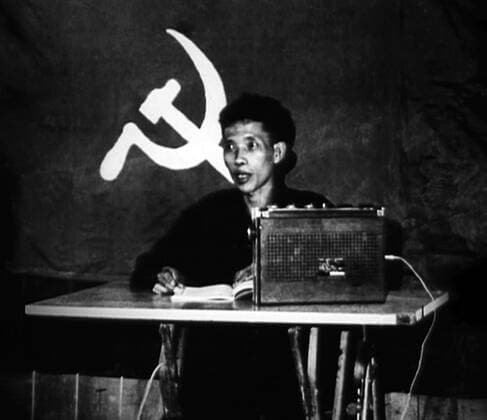
    Two western tourists with their tour guide in a room at the Tuol Sleng, or S-21, torture and genocide museum in Phnom Penh, Cambodia, containing portraits of prisoners taken before they were murdered by the Khmer Rouge. Two western tourists with their tour guide in a room at the Tuol Sleng, or S-21, torture and genocide museum in Phnom Penh, Cambodia, containing portraits of prisoners taken before they were murdered by the Khmer Rouge. More than 18,000 people died here under the Khmer Rouge between 1975-79, and just 12 former prisoners survived. Copyright: AndyxSoloman 4063_09_AS_Tuol_12112022_012

  • Kang Kek Iew or Kaing Kek Iev, Kaing Guek Eav (Comrade Duch or Deuch), a Sino-Khmer with the Chinese name Hang Pin, was born 17 November 1942 in Choyaot village, Kampong Chen subdistrict, Kampong Thom Province. He is best known for heading the Khmer Rouge special branch (Santebal) and running the infamous Tuol Sleng (S-21) prison camp in Phnom Penh.<br ><br > The first Khmer Rouge leader to be tried by the Extraordinary Chambers in the Courts of Cambodia for the crimes of the regime, he was convicted of crimes against humanity, murder, and torture for his role in the Cambodian Holocaust and sentenced to 35 years imprisonment. The Khmer Rouge, or Communist Party of Kampuchea, ruled Cambodia from 1975 to 1979, led by Pol Pot, Nuon Chea, Ien Supplier:xCPAxMediaxCo.xLtd. 1060_05_CPA0024551
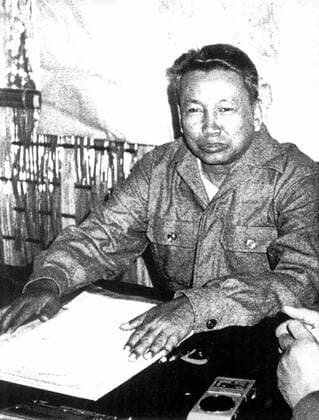
    Kang Kek Iew or Kaing Kek Iev, Kaing Guek Eav (Comrade Duch or Deuch), a Sino-Khmer with the Chinese name Hang Pin, was born 17 November 1942 in Choyaot village, Kampong Chen subdistrict, Kampong Thom Province. He is best known for heading the Khmer Rouge special branch (Santebal) and running the infamous Tuol Sleng (S-21) prison camp in Phnom Penh.<br ><br > The first Khmer Rouge leader to be tried by the Extraordinary Chambers in the Courts of Cambodia for the crimes of the regime, he was convicted of crimes against humanity, murder, and torture for his role in the Cambodian Holocaust and sentenced to 35 years imprisonment. The Khmer Rouge, or Communist Party of Kampuchea, ruled Cambodia from 1975 to 1979, led by Pol Pot, Nuon Chea, Ien Supplier:xCPAxMediaxCo.xLtd. 1060_05_CPA0024551

  • Saloth Sar (May 19, 1928 April 15, 1998), better known as Pol Pot, was the leader of the Cambodian communist movement known as the Khmer Rouge and Prime Minister of Democratic Kampuchea from 1976 1979. In 1979, after the invasion of Cambodia by Vietnam, Pol Pot fled into the jungles of southwest Cambodia. Pol Pot died in 1998 while held under house arrest by the Ta Mok faction of the Khmer Rouge. The Khmer Rouge, or Communist Party of Kampuchea, ruled Cambodia from 1975 to 1979, led by Pol Pot, Nuon Chea, Ieng Sary, Son Sen and Khieu Samphan.<br ><br > It is remembered primarily for its brutality and policy of social engineering which resulted in millions of deaths. Its attempts at agricultural reform led to widespread famine, while it Supplier:xCPAxMediaxCo.xLtd. 1060_05_CPA0008945
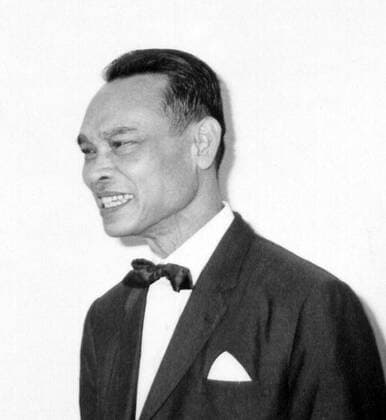
    Saloth Sar (May 19, 1928 April 15, 1998), better known as Pol Pot, was the leader of the Cambodian communist movement known as the Khmer Rouge and Prime Minister of Democratic Kampuchea from 1976 1979. In 1979, after the invasion of Cambodia by Vietnam, Pol Pot fled into the jungles of southwest Cambodia. Pol Pot died in 1998 while held under house arrest by the Ta Mok faction of the Khmer Rouge. The Khmer Rouge, or Communist Party of Kampuchea, ruled Cambodia from 1975 to 1979, led by Pol Pot, Nuon Chea, Ieng Sary, Son Sen and Khieu Samphan.<br ><br > It is remembered primarily for its brutality and policy of social engineering which resulted in millions of deaths. Its attempts at agricultural reform led to widespread famine, while it Supplier:xCPAxMediaxCo.xLtd. 1060_05_CPA0008945

  • Khmer Rouge: Cambodia s years of brutalityIn the four years that the Khmer Rouge ruled Cambodia, it was responsible for one of the worst mass killings of the 20th Century. The brutal regime, in power from 1975-1979, claimed the lives of up to two million people.H.BERBAR. HBLNETWORK(file photo)

    Khmer Rouge: Cambodia s years of brutalityIn the four years that the Khmer Rouge ruled Cambodia, it was responsible for one of the worst mass killings of the 20th Century. The brutal regime, in power from 1975-1979, claimed the lives of up to two million people.H.BERBAR. HBLNETWORK(file photo)

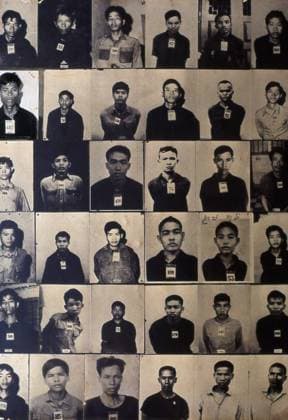
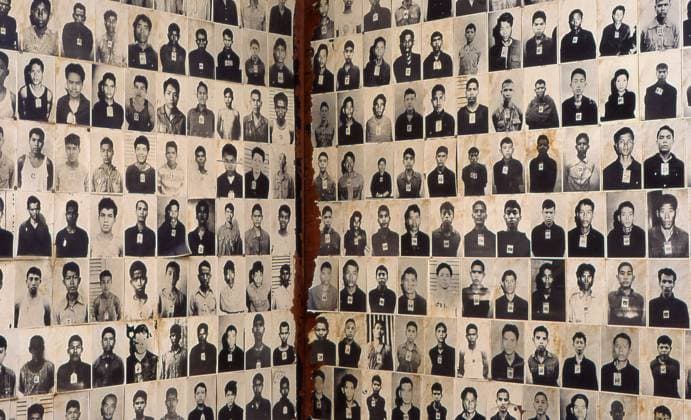
  • Located in Phnom Penh, the capital of Cambodia, Tuol Sleng is a former high school which was used as the notorious Security Prison 21 (S-21) by the Khmer Rouge communist regime from its rise to power in 1975 to its fall in 1979. An estimated 17,000 Cambodians, including a great number of women and children, were tortured at S-21 into giving confessions and naming accomplices for so-called crimes against the state. Many of the Khmer Rouge™s own cadres were killed at Tuol Sleng after being purged from the Communist Party. Only seven persons are known to have survived S-21. Tuol Sleng means Hill of the Poisonous Trees or Strychnine Hill . The site is now the Tuol Sleng Genocide Museum. Cambodia: Faces of victims appear from the walls, Tuo xCPAxMediaxCo.xLtd.x Copyright: xDavidxHenleyx

    Located in Phnom Penh, the capital of Cambodia, Tuol Sleng is a former high school which was used as the notorious Security Prison 21 (S-21) by the Khmer Rouge communist regime from its rise to power in 1975 to its fall in 1979. An estimated 17,000 Cambodians, including a great number of women and children, were tortured at S-21 into giving confessions and naming accomplices for so-called crimes against the state. Many of the Khmer Rouge™s own cadres were killed at Tuol Sleng after being purged from the Communist Party. Only seven persons are known to have survived S-21. Tuol Sleng means Hill of the Poisonous Trees or Strychnine Hill . The site is now the Tuol Sleng Genocide Museum. Cambodia: Faces of victims appear from the walls, Tuo xCPAxMediaxCo.xLtd.x Copyright: xDavidxHenleyx

  • Located in Phnom Penh, the capital of Cambodia, Tuol Sleng is a former high school which was used as the notorious Security Prison 21 (S-21) by the Khmer Rouge communist regime from its rise to power in 1975 to its fall in 1979. An estimated 17,000 Cambodians, including a great number of women and children, were tortured at S-21 into giving confessions and naming accomplices for so-called crimes against the state. Many of the Khmer Rouge™s own cadres were killed at Tuol Sleng after being purged from the Communist Party. Only seven persons are known to have survived S-21. Tuol Sleng means Hill of the Poisonous Trees or Strychnine Hill . The site is now the Tuol Sleng Genocide Museum. Cambodia: Faces of victims appear from the walls, Tuo xCPAxMediaxCo.xLtd.x Copyright: xDavidxHenleyx

    Located in Phnom Penh, the capital of Cambodia, Tuol Sleng is a former high school which was used as the notorious Security Prison 21 (S-21) by the Khmer Rouge communist regime from its rise to power in 1975 to its fall in 1979. An estimated 17,000 Cambodians, including a great number of women and children, were tortured at S-21 into giving confessions and naming accomplices for so-called crimes against the state. Many of the Khmer Rouge™s own cadres were killed at Tuol Sleng after being purged from the Communist Party. Only seven persons are known to have survived S-21. Tuol Sleng means Hill of the Poisonous Trees or Strychnine Hill . The site is now the Tuol Sleng Genocide Museum. Cambodia: Faces of victims appear from the walls, Tuo xCPAxMediaxCo.xLtd.x Copyright: xDavidxHenleyx

  • Located in Phnom Penh, the capital of Cambodia, Tuol Sleng is a former high school which was used as the notorious Security Prison 21 (S-21) by the Khmer Rouge communist regime from its rise to power in 1975 to its fall in 1979. An estimated 17,000 Cambodians, including a great number of women and children, were tortured at S-21 into giving confessions and naming accomplices for so-called crimes against the state. Many of the Khmer Rouge™s own cadres were killed at Tuol Sleng after being purged from the Communist Party. Only seven persons are known to have survived S-21. Tuol Sleng means Hill of the Poisonous Trees or Strychnine Hill . The site is now the Tuol Sleng Genocide Museum. Cambodia: Torture room in the Tuol Sleng Museum of Ge xCPAxMediaxCo.xLtd.x Copyright: xDavidxHenleyx

    Located in Phnom Penh, the capital of Cambodia, Tuol Sleng is a former high school which was used as the notorious Security Prison 21 (S-21) by the Khmer Rouge communist regime from its rise to power in 1975 to its fall in 1979. An estimated 17,000 Cambodians, including a great number of women and children, were tortured at S-21 into giving confessions and naming accomplices for so-called crimes against the state. Many of the Khmer Rouge™s own cadres were killed at Tuol Sleng after being purged from the Communist Party. Only seven persons are known to have survived S-21. Tuol Sleng means Hill of the Poisonous Trees or Strychnine Hill . The site is now the Tuol Sleng Genocide Museum. Cambodia: Torture room in the Tuol Sleng Museum of Ge xCPAxMediaxCo.xLtd.x Copyright: xDavidxHenleyx

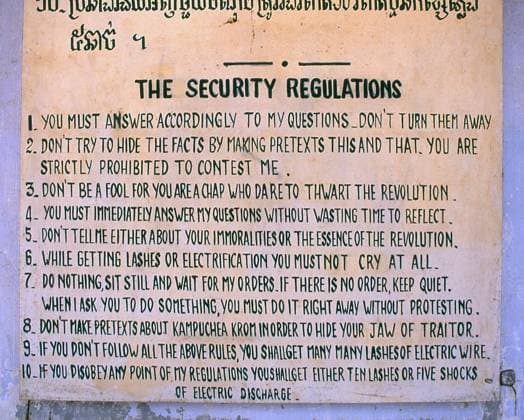
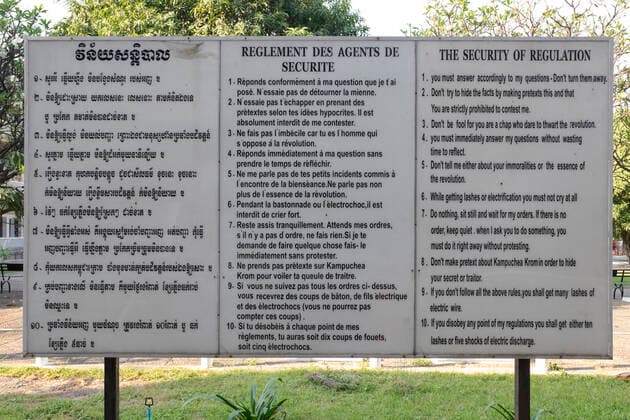
  • Located in Phnom Penh, the capital of Cambodia, Tuol Sleng is a former high school which was used as the notorious Security Prison 21 (S-21) by the Khmer Rouge communist regime from its rise to power in 1975 to its fall in 1979. An estimated 17,000 Cambodians, including a great number of women and children, were tortured at S-21 into giving confessions and naming accomplices for so-called crimes against the state. Many of the Khmer Rouge™s own cadres were killed at Tuol Sleng after being purged from the Communist Party. Only seven persons are known to have survived S-21. Tuol Sleng means Hill of the Poisonous Trees or Strychnine Hill . The site is now the Tuol Sleng Genocide Museum. Cambodia: Security regulations for prisoners, Tuol Sl xCPAxMediaxCo.xLtd.x Copyright: xDavidxHenleyx

    Located in Phnom Penh, the capital of Cambodia, Tuol Sleng is a former high school which was used as the notorious Security Prison 21 (S-21) by the Khmer Rouge communist regime from its rise to power in 1975 to its fall in 1979. An estimated 17,000 Cambodians, including a great number of women and children, were tortured at S-21 into giving confessions and naming accomplices for so-called crimes against the state. Many of the Khmer Rouge™s own cadres were killed at Tuol Sleng after being purged from the Communist Party. Only seven persons are known to have survived S-21. Tuol Sleng means Hill of the Poisonous Trees or Strychnine Hill . The site is now the Tuol Sleng Genocide Museum. Cambodia: Security regulations for prisoners, Tuol Sl xCPAxMediaxCo.xLtd.x Copyright: xDavidxHenleyx

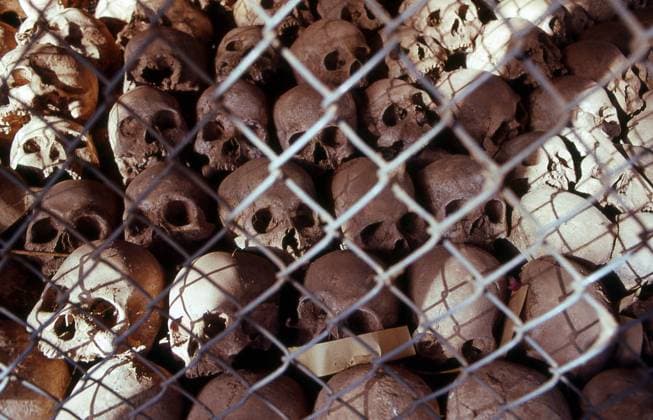
  • Located in Phnom Penh, the capital of Cambodia, Tuol Sleng is a former high school which was used as the notorious Security Prison 21 (S-21) by the Khmer Rouge communist regime from its rise to power in 1975 to its fall in 1979. An estimated 17,000 Cambodians, including a great number of women and children, were tortured at S-21 into giving confessions and naming accomplices for so-called crimes against the state. Many of the Khmer Rouge™s own cadres were killed at Tuol Sleng after being purged from the Communist Party. Only seven persons are known to have survived S-21. Tuol Sleng means Hill of the Poisonous Trees or Strychnine Hill . The site is now the Tuol Sleng Genocide Museum. Cambodia: A pile of skulls at the Tuol Sleng Museum o xCPAxMediaxCo.xLtd.x Copyright: xGunnarxHeeschx

    Located in Phnom Penh, the capital of Cambodia, Tuol Sleng is a former high school which was used as the notorious Security Prison 21 (S-21) by the Khmer Rouge communist regime from its rise to power in 1975 to its fall in 1979. An estimated 17,000 Cambodians, including a great number of women and children, were tortured at S-21 into giving confessions and naming accomplices for so-called crimes against the state. Many of the Khmer Rouge™s own cadres were killed at Tuol Sleng after being purged from the Communist Party. Only seven persons are known to have survived S-21. Tuol Sleng means Hill of the Poisonous Trees or Strychnine Hill . The site is now the Tuol Sleng Genocide Museum. Cambodia: A pile of skulls at the Tuol Sleng Museum o xCPAxMediaxCo.xLtd.x Copyright: xGunnarxHeeschx

  • The Tuol Sleng Genocide Museum is a museum in Phnom Penh, the capital of Cambodia. The site is a former high school which was used as the notorious Security Prison 21 (S-21) by the Khmer Rouge communist regime from its rise to power in 1975 to its fall in 1979. Tuol Sleng means Hill of the Poisonous Trees or Strychnine Hill .<br ><br > The Khmer Rouge, or Communist Party of Kampuchea, ruled Cambodia from 1975 to 1979, led by Pol Pot, Nuon Chea, Ieng Sary, Son Sen and Khieu Samphan. It is remembered primarily for its brutality and policy of social engineering which resulted in millions of deaths. Its attempts at agricultural reform led to widespread famine, while its insistence on absolute self-sufficiency, even in the supply of medicine xCPAxMediaxCo.xLtd.x Copyright: xOliverxHargreavex

    The Tuol Sleng Genocide Museum is a museum in Phnom Penh, the capital of Cambodia. The site is a former high school which was used as the notorious Security Prison 21 (S-21) by the Khmer Rouge communist regime from its rise to power in 1975 to its fall in 1979. Tuol Sleng means Hill of the Poisonous Trees or Strychnine Hill .<br ><br > The Khmer Rouge, or Communist Party of Kampuchea, ruled Cambodia from 1975 to 1979, led by Pol Pot, Nuon Chea, Ieng Sary, Son Sen and Khieu Samphan. It is remembered primarily for its brutality and policy of social engineering which resulted in millions of deaths. Its attempts at agricultural reform led to widespread famine, while its insistence on absolute self-sufficiency, even in the supply of medicine xCPAxMediaxCo.xLtd.x Copyright: xOliverxHargreavex

  • The Tuol Sleng Genocide Museum is a museum in Phnom Penh, the capital of Cambodia. The site is a former high school which was used as the notorious Security Prison 21 (S-21) by the Khmer Rouge communist regime from its rise to power in 1975 to its fall in 1979. Tuol Sleng means Hill of the Poisonous Trees or Strychnine Hill .<br ><br > The Khmer Rouge, or Communist Party of Kampuchea, ruled Cambodia from 1975 to 1979, led by Pol Pot, Nuon Chea, Ieng Sary, Son Sen and Khieu Samphan. It is remembered primarily for its brutality and policy of social engineering which resulted in millions of deaths. Its attempts at agricultural reform led to widespread famine, while its insistence on absolute self-sufficiency, even in the supply of medicine xCPAxMediaxCo.xLtd.x Copyright: xOliverxHargreavex

    The Tuol Sleng Genocide Museum is a museum in Phnom Penh, the capital of Cambodia. The site is a former high school which was used as the notorious Security Prison 21 (S-21) by the Khmer Rouge communist regime from its rise to power in 1975 to its fall in 1979. Tuol Sleng means Hill of the Poisonous Trees or Strychnine Hill .<br ><br > The Khmer Rouge, or Communist Party of Kampuchea, ruled Cambodia from 1975 to 1979, led by Pol Pot, Nuon Chea, Ieng Sary, Son Sen and Khieu Samphan. It is remembered primarily for its brutality and policy of social engineering which resulted in millions of deaths. Its attempts at agricultural reform led to widespread famine, while its insistence on absolute self-sufficiency, even in the supply of medicine xCPAxMediaxCo.xLtd.x Copyright: xOliverxHargreavex

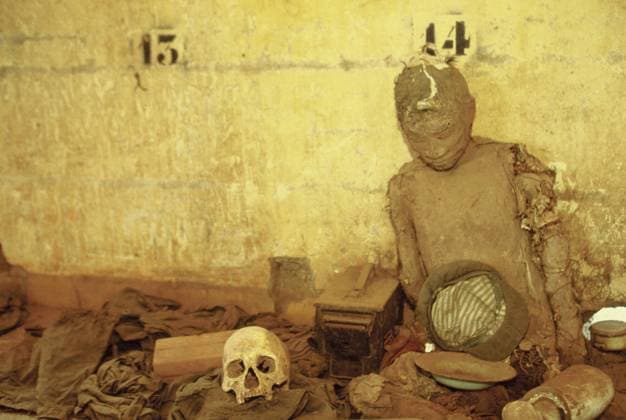
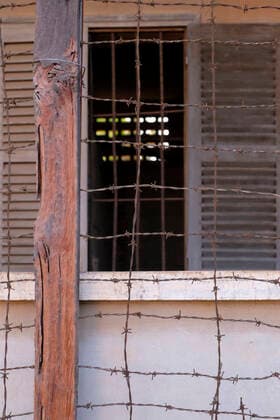
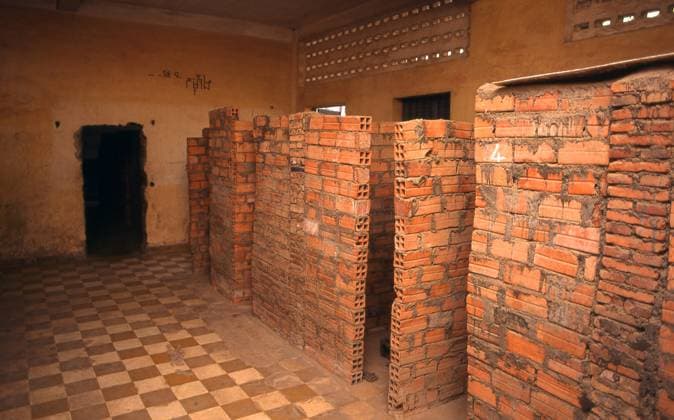
  • The Tuol Sleng Genocide Museum is a museum in Phnom Penh, the capital of Cambodia. The site is a former high school which was used as the notorious Security Prison 21 (S-21) by the Khmer Rouge communist regime from its rise to power in 1975 to its fall in 1979. Tuol Sleng means Hill of the Poisonous Trees or Strychnine Hill . Cambodia: Prisoners cells in the Khmer Rouge Security Prison S-21 (S-21), now the Tuol Sleng Museum of Genocidal Crime, Phnom Penh (1998) xCPAxMediaxCo.xLtd.x Copyright: xDavidxHenleyx

    The Tuol Sleng Genocide Museum is a museum in Phnom Penh, the capital of Cambodia. The site is a former high school which was used as the notorious Security Prison 21 (S-21) by the Khmer Rouge communist regime from its rise to power in 1975 to its fall in 1979. Tuol Sleng means Hill of the Poisonous Trees or Strychnine Hill . Cambodia: Prisoners cells in the Khmer Rouge Security Prison S-21 (S-21), now the Tuol Sleng Museum of Genocidal Crime, Phnom Penh (1998) xCPAxMediaxCo.xLtd.x Copyright: xDavidxHenleyx

  • Prince Sisowath Sirik Matak (January 22, 1914 April 21, 1975) was a member of the Cambodian royal family. He was mainly notable for his involvement in the 1970 right-wing coup against his cousin, Prince Norodom Sihanouk, and for his subsequent establishment, along with Lon Nol, of the Khmer Republic. He refused to flee the advancing Khmer Rouge and was captured and executed in April 1975.<br ><br > The Khmer Rouge, or Communist Party of Kampuchea, ruled Cambodia from 1975 to 1979, led by Pol Pot, Nuon Chea, Ieng Sary, Son Sen and Khieu Samphan. It is remembered primarily for its brutality and policy of social engineering which resulted in millions of deaths. Its attempts at agricultural reform led to widespread famine, while its insist xSupplier:xCPAxMediaxCo.xLtd.x Copyright: xx
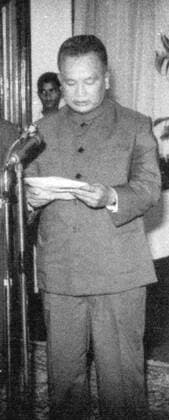
    Prince Sisowath Sirik Matak (January 22, 1914 April 21, 1975) was a member of the Cambodian royal family. He was mainly notable for his involvement in the 1970 right-wing coup against his cousin, Prince Norodom Sihanouk, and for his subsequent establishment, along with Lon Nol, of the Khmer Republic. He refused to flee the advancing Khmer Rouge and was captured and executed in April 1975.<br ><br > The Khmer Rouge, or Communist Party of Kampuchea, ruled Cambodia from 1975 to 1979, led by Pol Pot, Nuon Chea, Ieng Sary, Son Sen and Khieu Samphan. It is remembered primarily for its brutality and policy of social engineering which resulted in millions of deaths. Its attempts at agricultural reform led to widespread famine, while its insist xSupplier:xCPAxMediaxCo.xLtd.x Copyright: xx

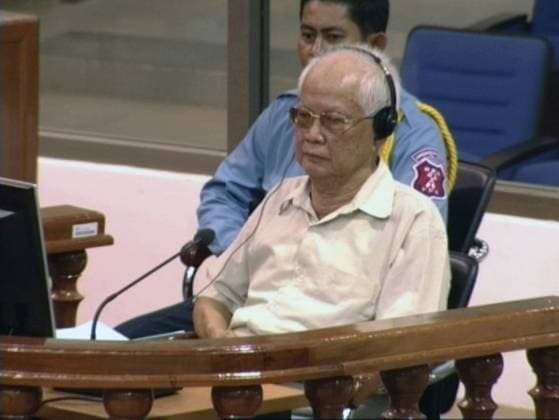
  • Khieu Samphan at a public hearing before the Pre-Trial Chamber in the Extraordinary Chambers in the Courts of Cambodia on 3 July 2009. Image Courtesy of Extraordinary Chambers in the Courts of Cambodia.<br ><br > The Khmer Rouge, or Communist Party of Kampuchea, ruled Cambodia from 1975 to 1979, led by Pol Pot, Nuon Chea, Ieng Sary, Son Sen and Khieu Samphan. It is remembered primarily for its brutality and policy of social engineering which resulted in millions of deaths. Its attempts at agricultural reform led to widespread famine, while its insistence on absolute self-sufficiency, even in the supply of medicine, led to the deaths of thousands from treatable diseases (such as malaria). Brutal and arbitrary executions and torture carried xSupplier:xCPAxMediaxCo.xLtd.x Copyright: xx

    Khieu Samphan at a public hearing before the Pre-Trial Chamber in the Extraordinary Chambers in the Courts of Cambodia on 3 July 2009. Image Courtesy of Extraordinary Chambers in the Courts of Cambodia.<br ><br > The Khmer Rouge, or Communist Party of Kampuchea, ruled Cambodia from 1975 to 1979, led by Pol Pot, Nuon Chea, Ieng Sary, Son Sen and Khieu Samphan. It is remembered primarily for its brutality and policy of social engineering which resulted in millions of deaths. Its attempts at agricultural reform led to widespread famine, while its insistence on absolute self-sufficiency, even in the supply of medicine, led to the deaths of thousands from treatable diseases (such as malaria). Brutal and arbitrary executions and torture carried xSupplier:xCPAxMediaxCo.xLtd.x Copyright: xx

  • This is a rare picture of Nuon Chea, Brother No 2 and Pol Pot s closest confidant, during the Democratic Kampuchea period. Nuon Chea, aka Long Bunruot, was born in Battambang Province in 1926. A Sino-Khmer, originally named Lau Ben Kon, he studied at Bangkok s Thammasat University before going on to become the most secretive and ruthless Khmer Rouge theoretician.<br ><br > The Khmer Rouge, or Communist Party of Kampuchea, ruled Cambodia from 1975 to 1979, led by Pol Pot, Nuon Chea, Ieng Sary, Son Sen and Khieu Samphan. It is remembered primarily for its brutality and policy of social engineering which resulted in millions of deaths. Its attempts at agricultural reform led to widespread famine, while its insistence on absolute self-suffic xSupplier:xCPAxMediaxCo.xLtd.x Copyright: xx
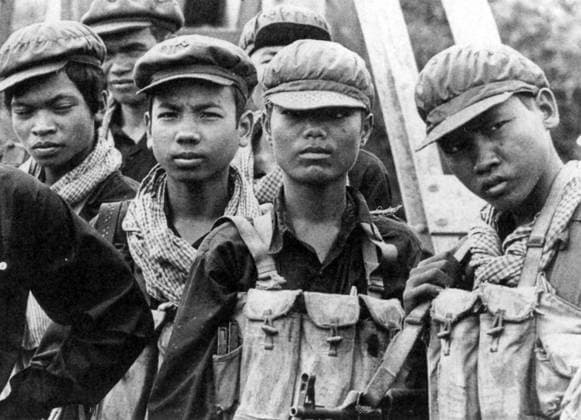
    This is a rare picture of Nuon Chea, Brother No 2 and Pol Pot s closest confidant, during the Democratic Kampuchea period. Nuon Chea, aka Long Bunruot, was born in Battambang Province in 1926. A Sino-Khmer, originally named Lau Ben Kon, he studied at Bangkok s Thammasat University before going on to become the most secretive and ruthless Khmer Rouge theoretician.<br ><br > The Khmer Rouge, or Communist Party of Kampuchea, ruled Cambodia from 1975 to 1979, led by Pol Pot, Nuon Chea, Ieng Sary, Son Sen and Khieu Samphan. It is remembered primarily for its brutality and policy of social engineering which resulted in millions of deaths. Its attempts at agricultural reform led to widespread famine, while its insistence on absolute self-suffic xSupplier:xCPAxMediaxCo.xLtd.x Copyright: xx

  • The Khmer Rouge, or Communist Party of Kampuchea, ruled Cambodia from 1975 to 1979, led by Pol Pot, Nuon Chea, Ieng Sary, Son Sen and Khieu Samphan. It is remembered primarily for its brutality and policy of social engineering which resulted in millions of deaths. Its attempts at agricultural reform led to widespread famine, while its insistence on absolute self-sufficiency, even in the supply of medicine, led to the deaths of thousands from treatable diseases (such as malaria). Brutal and arbitrary executions and torture carried out by its cadres against perceived subversive elements, or during purges of its own ranks between 1976 and 1978, are considered to have constituted a genocide. Several former Khmer Rouge cadres are currently on tr xSupplier:xCPAxMediaxCo.xLtd.x Copyright: xx
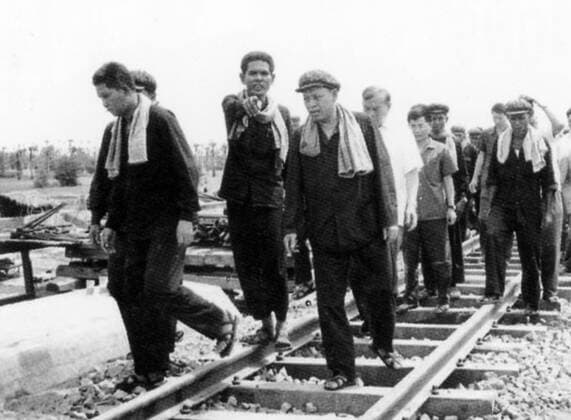
    The Khmer Rouge, or Communist Party of Kampuchea, ruled Cambodia from 1975 to 1979, led by Pol Pot, Nuon Chea, Ieng Sary, Son Sen and Khieu Samphan. It is remembered primarily for its brutality and policy of social engineering which resulted in millions of deaths. Its attempts at agricultural reform led to widespread famine, while its insistence on absolute self-sufficiency, even in the supply of medicine, led to the deaths of thousands from treatable diseases (such as malaria). Brutal and arbitrary executions and torture carried out by its cadres against perceived subversive elements, or during purges of its own ranks between 1976 and 1978, are considered to have constituted a genocide. Several former Khmer Rouge cadres are currently on tr xSupplier:xCPAxMediaxCo.xLtd.x Copyright: xx

  • Ieng Sary, Khmer Rouge Brother No 2 , was born Kim Trang in Tra Vinh Province, Vietnam, in 1924. He was Deputy Prime Minister and Foreign Minister of Democratic Kampuchea from 1975 to 1979 and held several senior positions in the Khmer Rouge until his defection in 1996. He is married to Ieng Thirith, former Khmer Rouge Social Affairs Minister.<br ><br > The Khmer Rouge, or Communist Party of Kampuchea, ruled Cambodia from 1975 to 1979, led by Pol Pot, Nuon Chea, Ieng Sary, Son Sen and Khieu Samphan. It is remembered primarily for its brutality and policy of social engineering which resulted in millions of deaths. Its attempts at agricultural reform led to widespread famine, while its insistence on absolute self-sufficiency, even in the su xSupplier:xCPAxMediaxCo.xLtd.x Copyright: xx
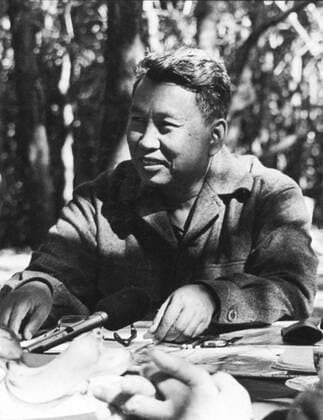
    Ieng Sary, Khmer Rouge Brother No 2 , was born Kim Trang in Tra Vinh Province, Vietnam, in 1924. He was Deputy Prime Minister and Foreign Minister of Democratic Kampuchea from 1975 to 1979 and held several senior positions in the Khmer Rouge until his defection in 1996. He is married to Ieng Thirith, former Khmer Rouge Social Affairs Minister.<br ><br > The Khmer Rouge, or Communist Party of Kampuchea, ruled Cambodia from 1975 to 1979, led by Pol Pot, Nuon Chea, Ieng Sary, Son Sen and Khieu Samphan. It is remembered primarily for its brutality and policy of social engineering which resulted in millions of deaths. Its attempts at agricultural reform led to widespread famine, while its insistence on absolute self-sufficiency, even in the su xSupplier:xCPAxMediaxCo.xLtd.x Copyright: xx

  • The Tuol Sleng Genocide Museum is a museum in Phnom Penh, the capital of Cambodia. The site is a former high school which was used as the notorious Security Prison 21 (S-21) by the Khmer Rouge communist regime from its rise to power in 1975 to its fall in 1979. Tuol Sleng means Hill of the Poisonous Trees or Strychnine Hill .<br ><br > The Khmer Rouge, or Communist Party of Kampuchea, ruled Cambodia from 1975 to 1979, led by Pol Pot, Nuon Chea, Ieng Sary, Son Sen and Khieu Samphan. It is remembered primarily for its brutality and policy of social engineering which resulted in millions of deaths. Its attempts at agricultural reform led to widespread famine, while its insistence on absolute self-sufficiency, even in the supply of medicine xSupplier:xCPAxMediaxCo.xLtd.x Copyright: xx

    The Tuol Sleng Genocide Museum is a museum in Phnom Penh, the capital of Cambodia. The site is a former high school which was used as the notorious Security Prison 21 (S-21) by the Khmer Rouge communist regime from its rise to power in 1975 to its fall in 1979. Tuol Sleng means Hill of the Poisonous Trees or Strychnine Hill .<br ><br > The Khmer Rouge, or Communist Party of Kampuchea, ruled Cambodia from 1975 to 1979, led by Pol Pot, Nuon Chea, Ieng Sary, Son Sen and Khieu Samphan. It is remembered primarily for its brutality and policy of social engineering which resulted in millions of deaths. Its attempts at agricultural reform led to widespread famine, while its insistence on absolute self-sufficiency, even in the supply of medicine xSupplier:xCPAxMediaxCo.xLtd.x Copyright: xx

  • Saloth Sar (May 19, 1928 April 15, 1998), better known as Pol Pot, was the leader of the Cambodian communist movement known as the Khmer Rouge and Prime Minister of Democratic Kampuchea from 1976 1979. In 1979, after the invasion of Cambodia by Vietnam, Pol Pot fled into the jungles of southwest Cambodia. Pol Pot died in 1998 while held under house arrest by the Ta Mok faction of the Khmer Rouge.<br ><br > The Khmer Rouge, or Communist Party of Kampuchea, ruled Cambodia from 1975 to 1979, led by Pol Pot, Nuon Chea, Ieng Sary, Son Sen and Khieu Samphan. It is remembered primarily for its brutality and policy of social engineering which resulted in millions of deaths. Its attempts at agricultural reform led to widespread famine, while it xSupplier:xCPAxMediaxCo.xLtd.x Copyright: xx
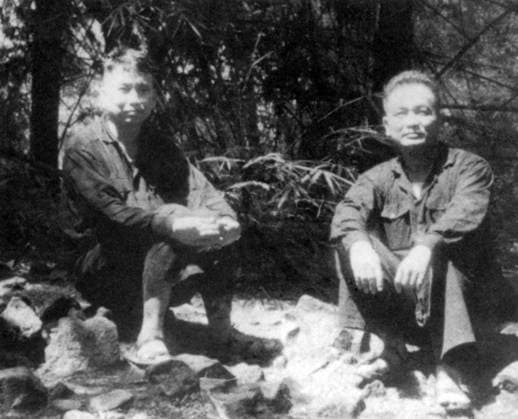
    Saloth Sar (May 19, 1928 April 15, 1998), better known as Pol Pot, was the leader of the Cambodian communist movement known as the Khmer Rouge and Prime Minister of Democratic Kampuchea from 1976 1979. In 1979, after the invasion of Cambodia by Vietnam, Pol Pot fled into the jungles of southwest Cambodia. Pol Pot died in 1998 while held under house arrest by the Ta Mok faction of the Khmer Rouge.<br ><br > The Khmer Rouge, or Communist Party of Kampuchea, ruled Cambodia from 1975 to 1979, led by Pol Pot, Nuon Chea, Ieng Sary, Son Sen and Khieu Samphan. It is remembered primarily for its brutality and policy of social engineering which resulted in millions of deaths. Its attempts at agricultural reform led to widespread famine, while it xSupplier:xCPAxMediaxCo.xLtd.x Copyright: xx

  • The future Khmer Rouge top leadership Pol Pot (Brother No. 1) and Nuon Chea (Brother No. 2) in the jungle, probably on the Vietnamese-Cambodian frontier in Ratanakiri Province.<br ><br > The Khmer Rouge, or Communist Party of Kampuchea, ruled Cambodia from 1975 to 1979, led by Pol Pot, Nuon Chea, Ieng Sary, Son Sen and Khieu Samphan. It is remembered primarily for its brutality and policy of social engineering which resulted in millions of deaths. Its attempts at agricultural reform led to widespread famine, while its insistence on absolute self-sufficiency, even in the supply of medicine, led to the deaths of thousands from treatable diseases (such as malaria). Brutal and arbitrary executions and torture carried out by its cadres against xSupplier:xCPAxMediaxCo.xLtd.x Copyright: xx
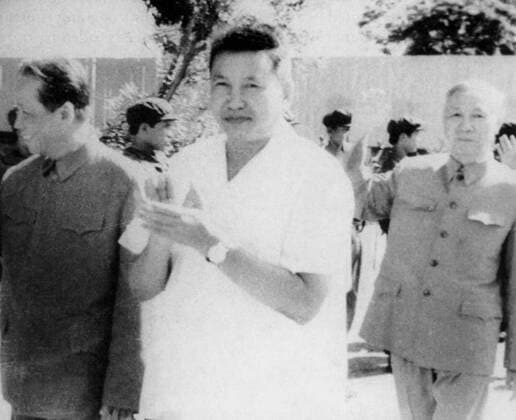
    The future Khmer Rouge top leadership Pol Pot (Brother No. 1) and Nuon Chea (Brother No. 2) in the jungle, probably on the Vietnamese-Cambodian frontier in Ratanakiri Province.<br ><br > The Khmer Rouge, or Communist Party of Kampuchea, ruled Cambodia from 1975 to 1979, led by Pol Pot, Nuon Chea, Ieng Sary, Son Sen and Khieu Samphan. It is remembered primarily for its brutality and policy of social engineering which resulted in millions of deaths. Its attempts at agricultural reform led to widespread famine, while its insistence on absolute self-sufficiency, even in the supply of medicine, led to the deaths of thousands from treatable diseases (such as malaria). Brutal and arbitrary executions and torture carried out by its cadres against xSupplier:xCPAxMediaxCo.xLtd.x Copyright: xx

  • Saloth Sar (May 19, 1928 April 15, 1998), better known as Pol Pot, was the leader of the Cambodian communist movement known as the Khmer Rouge and Prime Minister of Democratic Kampuchea from 1976 1979. In 1979, after the invasion of Cambodia by Vietnam, Pol Pot fled into the jungles of southwest Cambodia. Pol Pot died in 1998 while held under house arrest by the Ta Mok faction of the Khmer Rouge.<br ><br > The Khmer Rouge, or Communist Party of Kampuchea, ruled Cambodia from 1975 to 1979, led by Pol Pot, Nuon Chea, Ieng Sary, Son Sen and Khieu Samphan. It is remembered primarily for its brutality and policy of social engineering which resulted in millions of deaths. Its attempts at agricultural reform led to widespread famine, while it xSupplier:xCPAxMediaxCo.xLtd.x Copyright: xx
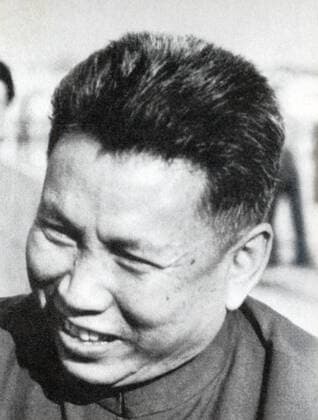
    Saloth Sar (May 19, 1928 April 15, 1998), better known as Pol Pot, was the leader of the Cambodian communist movement known as the Khmer Rouge and Prime Minister of Democratic Kampuchea from 1976 1979. In 1979, after the invasion of Cambodia by Vietnam, Pol Pot fled into the jungles of southwest Cambodia. Pol Pot died in 1998 while held under house arrest by the Ta Mok faction of the Khmer Rouge.<br ><br > The Khmer Rouge, or Communist Party of Kampuchea, ruled Cambodia from 1975 to 1979, led by Pol Pot, Nuon Chea, Ieng Sary, Son Sen and Khieu Samphan. It is remembered primarily for its brutality and policy of social engineering which resulted in millions of deaths. Its attempts at agricultural reform led to widespread famine, while it xSupplier:xCPAxMediaxCo.xLtd.x Copyright: xx
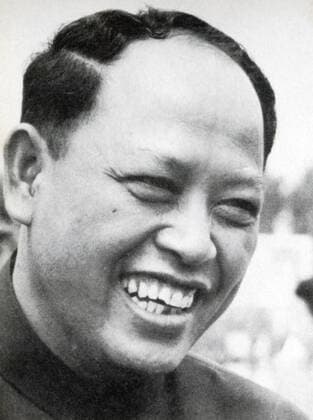
  • Saloth Sar (May 19, 1928 April 15, 1998), better known as Pol Pot, was the leader of the Cambodian communist movement known as the Khmer Rouge and Prime Minister of Democratic Kampuchea from 1976 1979. In 1979, after the invasion of Cambodia by Vietnam, Pol Pot fled into the jungles of southwest Cambodia. Pol Pot died in 1998 while held under house arrest by the Ta Mok faction of the Khmer Rouge.<br ><br > The Khmer Rouge, or Communist Party of Kampuchea, ruled Cambodia from 1975 to 1979, led by Pol Pot, Nuon Chea, Ieng Sary, Son Sen and Khieu Samphan. It is remembered primarily for its brutality and policy of social engineering which resulted in millions of deaths. Its attempts at agricultural reform led to widespread famine, while it xSupplier:xCPAxMediaxCo.xLtd.x Copyright: xx

    Saloth Sar (May 19, 1928 April 15, 1998), better known as Pol Pot, was the leader of the Cambodian communist movement known as the Khmer Rouge and Prime Minister of Democratic Kampuchea from 1976 1979. In 1979, after the invasion of Cambodia by Vietnam, Pol Pot fled into the jungles of southwest Cambodia. Pol Pot died in 1998 while held under house arrest by the Ta Mok faction of the Khmer Rouge.<br ><br > The Khmer Rouge, or Communist Party of Kampuchea, ruled Cambodia from 1975 to 1979, led by Pol Pot, Nuon Chea, Ieng Sary, Son Sen and Khieu Samphan. It is remembered primarily for its brutality and policy of social engineering which resulted in millions of deaths. Its attempts at agricultural reform led to widespread famine, while it xSupplier:xCPAxMediaxCo.xLtd.x Copyright: xx

  • Ieng Sary, Khmer Rouge Brother No 2 , was born Kim Trang in Tra Vinh Province, Vietnam, in 1924. He was Deputy Prime Minister and Foreign Minister of Democratic Kampuchea from 1975 to 1979 and held several senior positions in the Khmer Rouge until his defection in 1996. He is married to Ieng Thirith, former Khmer Rouge Social Affairs Minister.<br ><br > The Khmer Rouge, or Communist Party of Kampuchea, ruled Cambodia from 1975 to 1979, led by Pol Pot, Nuon Chea, Ieng Sary, Son Sen and Khieu Samphan. It is remembered primarily for its brutality and policy of social engineering which resulted in millions of deaths. Its attempts at agricultural reform led to widespread famine, while its insistence on absolute self-sufficiency, even in the su xSupplier:xCPAxMediaxCo.xLtd.x Copyright: xx
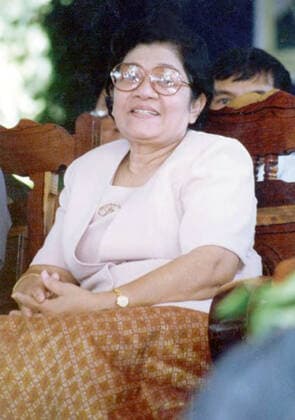
    Ieng Sary, Khmer Rouge Brother No 2 , was born Kim Trang in Tra Vinh Province, Vietnam, in 1924. He was Deputy Prime Minister and Foreign Minister of Democratic Kampuchea from 1975 to 1979 and held several senior positions in the Khmer Rouge until his defection in 1996. He is married to Ieng Thirith, former Khmer Rouge Social Affairs Minister.<br ><br > The Khmer Rouge, or Communist Party of Kampuchea, ruled Cambodia from 1975 to 1979, led by Pol Pot, Nuon Chea, Ieng Sary, Son Sen and Khieu Samphan. It is remembered primarily for its brutality and policy of social engineering which resulted in millions of deaths. Its attempts at agricultural reform led to widespread famine, while its insistence on absolute self-sufficiency, even in the su xSupplier:xCPAxMediaxCo.xLtd.x Copyright: xx

  • Ieng Thirith (born 1932), former member of the Khmer Rouge Central Committee. Wife of Ieng Sary and sister-in-law of Pol Pot, she was Khmer Rouge Minister of Social Action (1975-79). Ieng Thirith was arrested by the Extraordinary Chamber in the Courts of Cambodia (ECCC) in November 2007 with her husband, Ieng Sary, suspected of genocide, war crimes and crimes against humanity.<br ><br > The Khmer Rouge, or Communist Party of Kampuchea, ruled Cambodia from 1975 to 1979, led by Pol Pot, Nuon Chea, Ieng Sary, Son Sen and Khieu Samphan. It is remembered primarily for its brutality and policy of social engineering which resulted in millions of deaths. Its attempts at agricultural reform led to widespread famine, while its insistence on absolute xSupplier:xCPAxMediaxCo.xLtd.x Copyright: xx
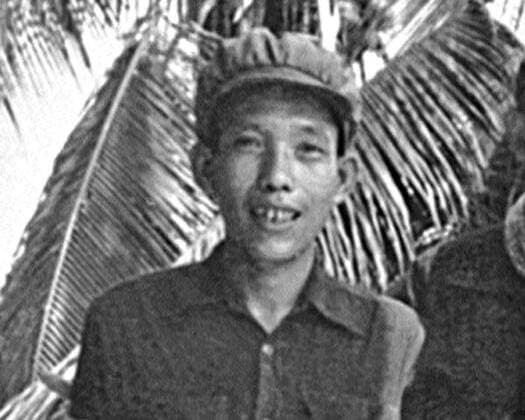
    Ieng Thirith (born 1932), former member of the Khmer Rouge Central Committee. Wife of Ieng Sary and sister-in-law of Pol Pot, she was Khmer Rouge Minister of Social Action (1975-79). Ieng Thirith was arrested by the Extraordinary Chamber in the Courts of Cambodia (ECCC) in November 2007 with her husband, Ieng Sary, suspected of genocide, war crimes and crimes against humanity.<br ><br > The Khmer Rouge, or Communist Party of Kampuchea, ruled Cambodia from 1975 to 1979, led by Pol Pot, Nuon Chea, Ieng Sary, Son Sen and Khieu Samphan. It is remembered primarily for its brutality and policy of social engineering which resulted in millions of deaths. Its attempts at agricultural reform led to widespread famine, while its insistence on absolute xSupplier:xCPAxMediaxCo.xLtd.x Copyright: xx

  • Kang Kek Iew or Kaing Kek Iev, Kaing Guek Eav (Comrade Duch or Deuch), a Sino-Khmer with the Chinese name Hang Pin, was born 17 November 1942 in Choyaot village, Kampong Chen subdistrict, Kampong Thom Province. He is best known for heading the Khmer Rouge special branch (Santebal) and running the infamous Tuol Sleng (S-21) prison camp in Phnom Penh. The first Khmer Rouge leader to be tried by the Extraordinary Chambers in the Courts of Cambodia for the crimes of the regime, he was convicted of crimes against humanity, murder, and torture for his role in the Cambodian Holocaust and sentenced to 35 years imprisonment.<br ><br > The Khmer Rouge, or Communist Party of Kampuchea, ruled Cambodia from 1975 to 1979, led by Pol Pot, Nuon Chea, Ien xSupplier:xCPAxMediaxCo.xLtd.x Copyright: xx
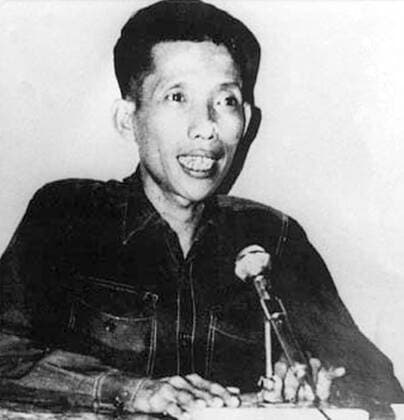
    Kang Kek Iew or Kaing Kek Iev, Kaing Guek Eav (Comrade Duch or Deuch), a Sino-Khmer with the Chinese name Hang Pin, was born 17 November 1942 in Choyaot village, Kampong Chen subdistrict, Kampong Thom Province. He is best known for heading the Khmer Rouge special branch (Santebal) and running the infamous Tuol Sleng (S-21) prison camp in Phnom Penh. The first Khmer Rouge leader to be tried by the Extraordinary Chambers in the Courts of Cambodia for the crimes of the regime, he was convicted of crimes against humanity, murder, and torture for his role in the Cambodian Holocaust and sentenced to 35 years imprisonment.<br ><br > The Khmer Rouge, or Communist Party of Kampuchea, ruled Cambodia from 1975 to 1979, led by Pol Pot, Nuon Chea, Ien xSupplier:xCPAxMediaxCo.xLtd.x Copyright: xx
  • Kang Kek Iew or Kaing Kek Iev, Kaing Guek Eav (Comrade Duch or Deuch), a Sino-Khmer with the Chinese name Hang Pin, was born 17 November 1942 in Choyaot village, Kampong Chen subdistrict, Kampong Thom Province. He is best known for heading the Khmer Rouge special branch (Santebal) and running the infamous Tuol Sleng (S-21) prison camp in Phnom Penh. The first Khmer Rouge leader to be tried by the Extraordinary Chambers in the Courts of Cambodia for the crimes of the regime, he was convicted of crimes against humanity, murder, and torture for his role in the Cambodian Holocaust and sentenced to 35 years imprisonment.<br ><br > The Khmer Rouge, or Communist Party of Kampuchea, ruled Cambodia from 1975 to 1979, led by Pol Pot, Nuon Chea, Ien xSupplier:xCPAxMediaxCo.xLtd.x Copyright: xx

    Kang Kek Iew or Kaing Kek Iev, Kaing Guek Eav (Comrade Duch or Deuch), a Sino-Khmer with the Chinese name Hang Pin, was born 17 November 1942 in Choyaot village, Kampong Chen subdistrict, Kampong Thom Province. He is best known for heading the Khmer Rouge special branch (Santebal) and running the infamous Tuol Sleng (S-21) prison camp in Phnom Penh. The first Khmer Rouge leader to be tried by the Extraordinary Chambers in the Courts of Cambodia for the crimes of the regime, he was convicted of crimes against humanity, murder, and torture for his role in the Cambodian Holocaust and sentenced to 35 years imprisonment.<br ><br > The Khmer Rouge, or Communist Party of Kampuchea, ruled Cambodia from 1975 to 1979, led by Pol Pot, Nuon Chea, Ien xSupplier:xCPAxMediaxCo.xLtd.x Copyright: xx

  • The Khmer Rouge Leadership at Pochentong Airport c. 1976. Left to right: Unknown, Khieu Ponnary, Nuon Chea, Vorn Vet, Ieng Sary (partly obscured), Pol Pot, Yun Yat (partly obscured), Ieng Thirith.<br ><br > The Khmer Rouge, or Communist Party of Kampuchea, ruled Cambodia from 1975 to 1979, led by Pol Pot, Nuon Chea, Ieng Sary, Son Sen and Khieu Samphan. It is remembered primarily for its brutality and policy of social engineering which resulted in millions of deaths. Its attempts at agricultural reform led to widespread famine, while its insistence on absolute self-sufficiency, even in the supply of medicine, led to the deaths of thousands from treatable diseases (such as malaria). Brutal and arbitrary executions and torture carried out by xSupplier:xCPAxMediaxCo.xLtd.x Copyright: xx
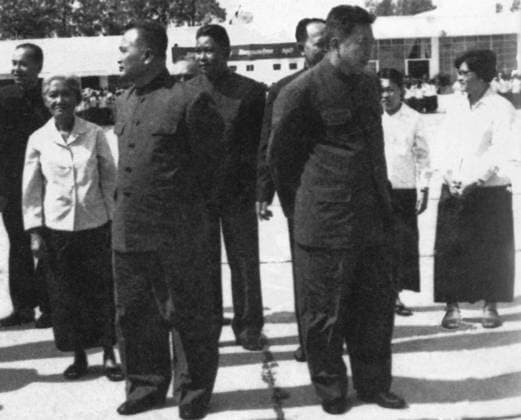
    The Khmer Rouge Leadership at Pochentong Airport c. 1976. Left to right: Unknown, Khieu Ponnary, Nuon Chea, Vorn Vet, Ieng Sary (partly obscured), Pol Pot, Yun Yat (partly obscured), Ieng Thirith.<br ><br > The Khmer Rouge, or Communist Party of Kampuchea, ruled Cambodia from 1975 to 1979, led by Pol Pot, Nuon Chea, Ieng Sary, Son Sen and Khieu Samphan. It is remembered primarily for its brutality and policy of social engineering which resulted in millions of deaths. Its attempts at agricultural reform led to widespread famine, while its insistence on absolute self-sufficiency, even in the supply of medicine, led to the deaths of thousands from treatable diseases (such as malaria). Brutal and arbitrary executions and torture carried out by xSupplier:xCPAxMediaxCo.xLtd.x Copyright: xx

  • Ke Pauk, sometimes known as Brother Number 13 , was secretary of the Northern Zone and a member of the Standing Committee of the Khmer Rouge Central Committee (Party Centre) during its period of power (1975-1979). He died, apparently of natural causes, at Anlong Veng in 2002. The Khmer Rouge, or Communist Party of Kampuchea, ruled Cambodia from 1975 to 1979, led by Pol Pot, Nuon Chea, Ieng Sary, Son Sen and Khieu Samphan. It is remembered primarily for its brutality and policy of social engineering which resulted in millions of deaths. Its attempts at agricultural reform led to widespread famine, while its insistence on absolute self-sufficiency, even in the supply of medicine, led to the deaths of thousands from treatable diseases (such xSupplier:xCPAxMediaxCo.xLtd.x Copyright: xx
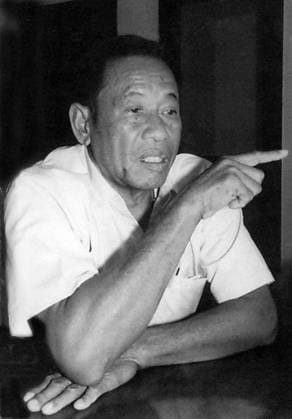
    Ke Pauk, sometimes known as Brother Number 13 , was secretary of the Northern Zone and a member of the Standing Committee of the Khmer Rouge Central Committee (Party Centre) during its period of power (1975-1979). He died, apparently of natural causes, at Anlong Veng in 2002. The Khmer Rouge, or Communist Party of Kampuchea, ruled Cambodia from 1975 to 1979, led by Pol Pot, Nuon Chea, Ieng Sary, Son Sen and Khieu Samphan. It is remembered primarily for its brutality and policy of social engineering which resulted in millions of deaths. Its attempts at agricultural reform led to widespread famine, while its insistence on absolute self-sufficiency, even in the supply of medicine, led to the deaths of thousands from treatable diseases (such xSupplier:xCPAxMediaxCo.xLtd.x Copyright: xx
Page 1 of 2
Collections