Images in this collection
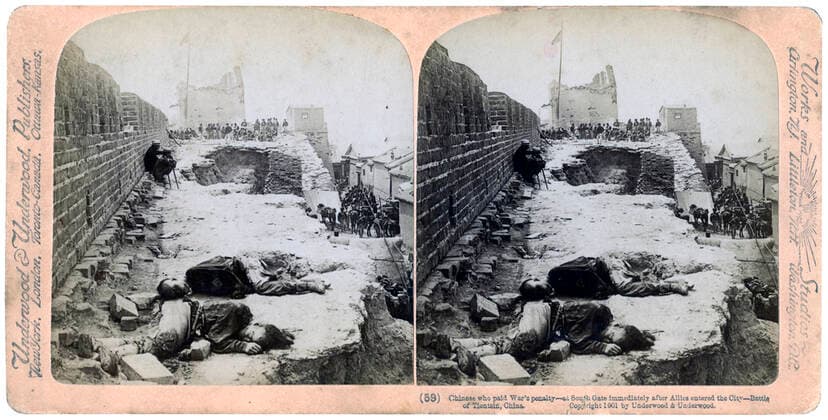
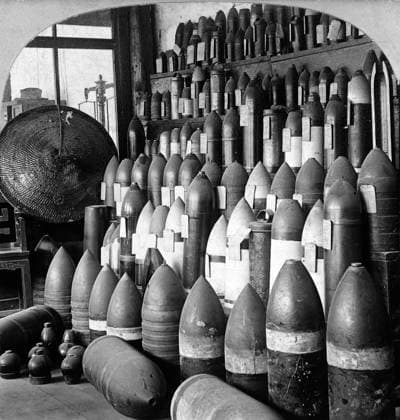
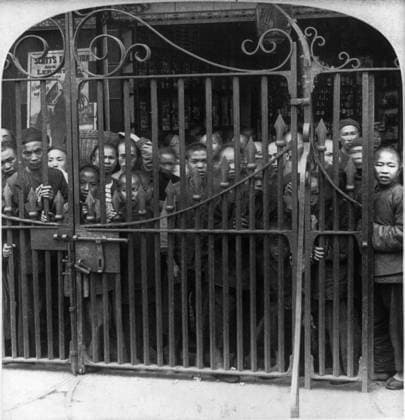
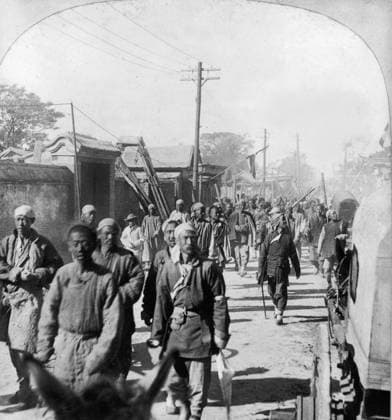
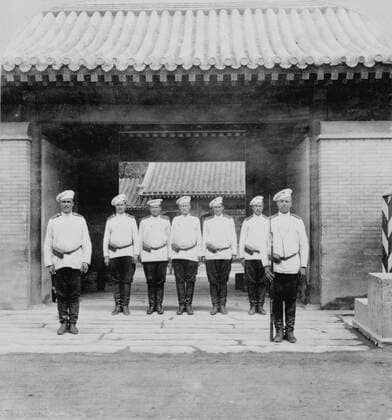
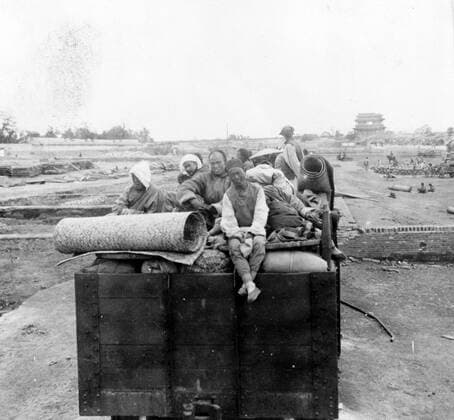
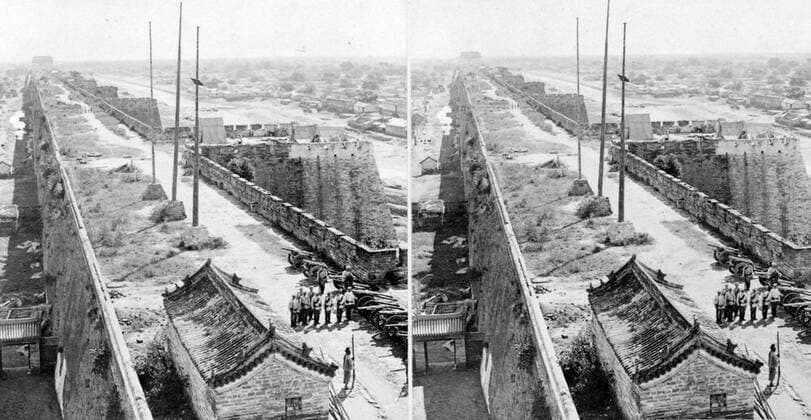
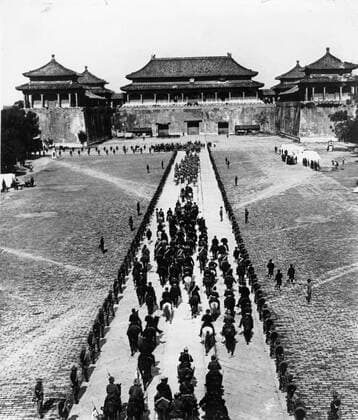
RECORD DATE NOT STATED Battle of Tientsin, Boxer Rebellion, China, 1900 (1901). The south gate immediately after the allies entered the city. The Boxer Uprising or Boxer Rebellion was a Chinese rebellion from November 1899 to September 7, 1901 against foreign influence in areas such as trade, politics, religion and technology that occurred in China during the final years of the Qing Dynasty. The assassination of the German ambassador and the siege of foreign diplomatic legations in Peking prompted Britain, France, Germany, the US, Russia, Japan, Italy and Austria-Hungary to form the Eight Nation Alliance and intervene militarily. The Chinese port city of Tientsin (Tianjin) was occupied by the rebels on 30 May 1900 and foreign concessions were besieged. European t
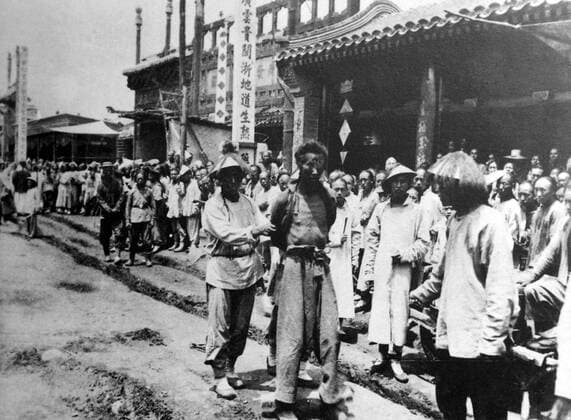
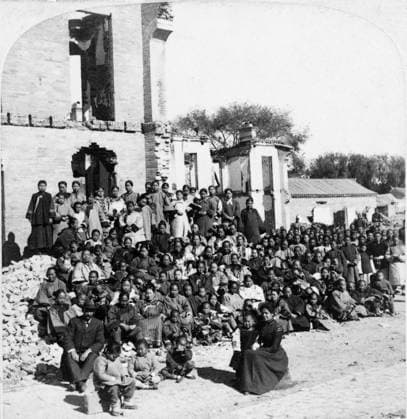
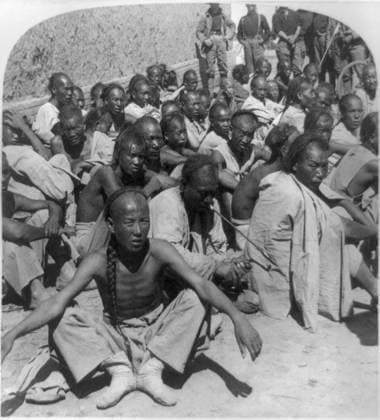
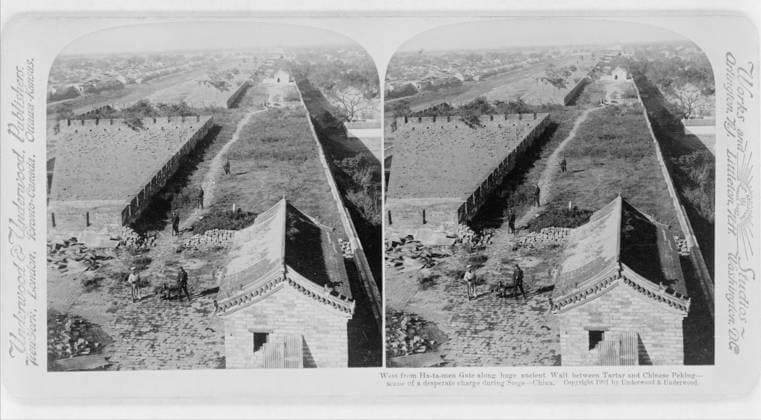
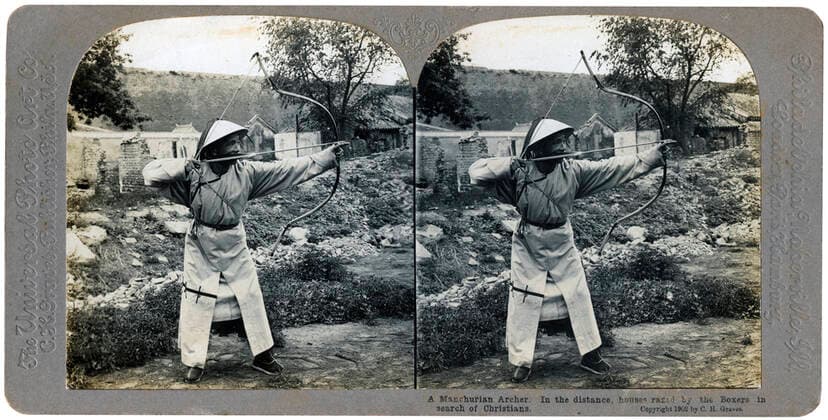
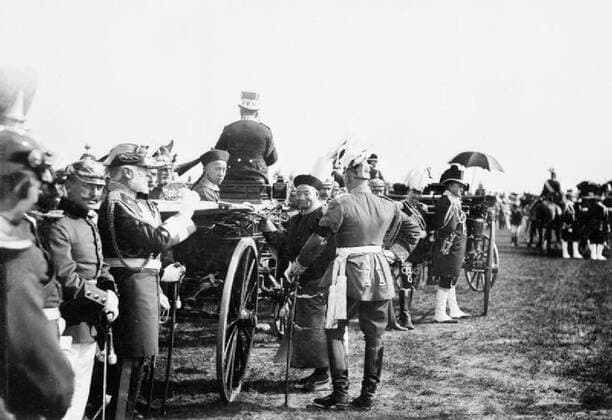
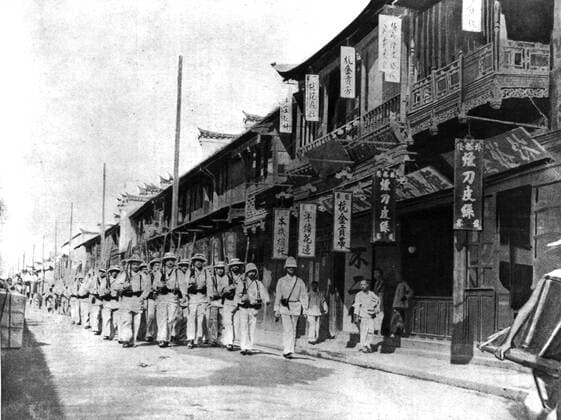
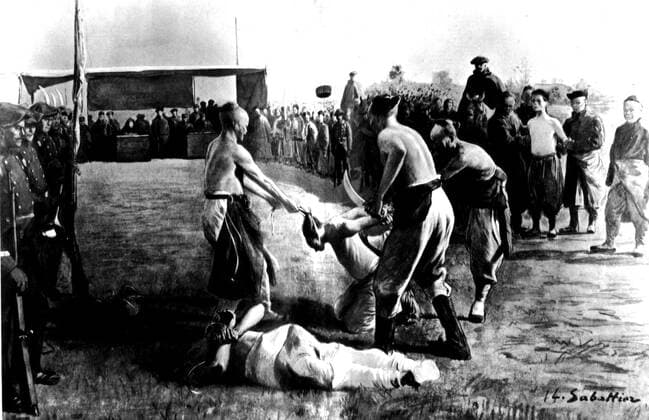
The Boxer Rebellion, also known as Boxer Uprising or Yihetuan Movement, was a proto-nationalist movement by the Righteous Harmony Society in China between 1898 and 1901, opposing foreign imperialism and Christianity.<br ><br > The uprising took place in response to foreign spheres of influence in China, with grievances ranging from opium traders, political invasion, economic manipulation, to missionary evangelism. In China, popular sentiment remained resistant to foreign influences, and anger rose over the unequal treaties , which the weak Qing state could not resist.<br ><br > Concerns grew that missionaries and Chinese Christians could use this decline to their advantage, appropriating lands and property of unwilling Chinese peasants t Supplier:xCPAxMediaxCo.xLtd. 1060_05_CPA0015509
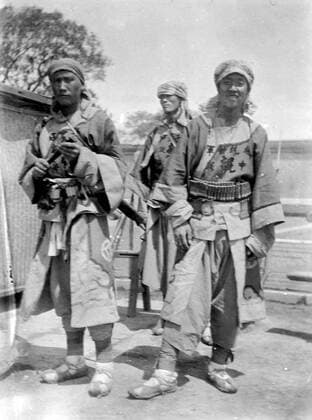
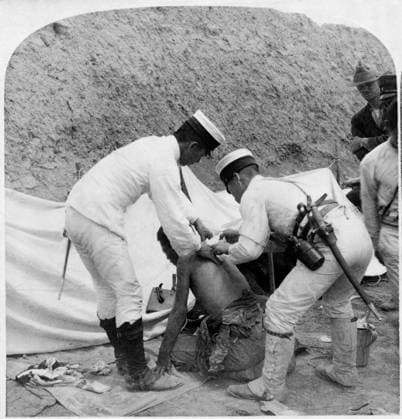
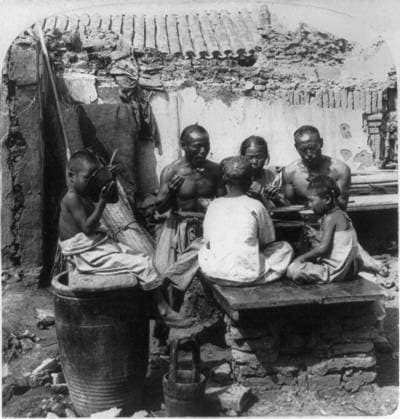
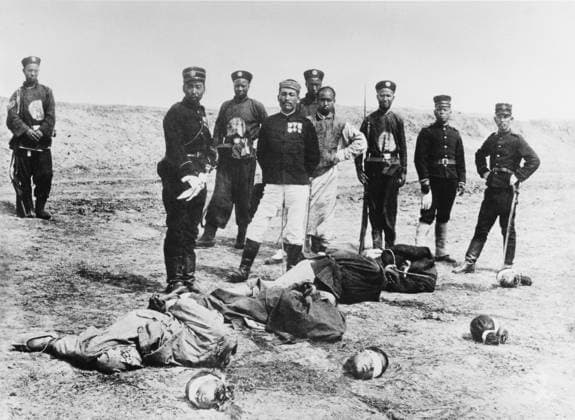
The Boxer Rebellion, also known as Boxer Uprising or Yihetuan Movement, was a proto-nationalist movement by the Righteous Harmony Society in China between 1898 and 1901, opposing foreign imperialism and Christianity.<br ><br > The uprising took place in response to foreign spheres of influence in China, with grievances ranging from opium traders, political invasion, economic manipulation, to missionary evangelism. In China, popular sentiment remained resistant to foreign influences, and anger rose over the unequal treaties , which the weak Qing state could not resist.<br ><br > Concerns grew that missionaries and Chinese Christians could use this decline to their advantage, appropriating lands and property of unwilling Chinese peasants t Supplier:xCPAxMediaxCo.xLtd. 1060_05_CPA0015508
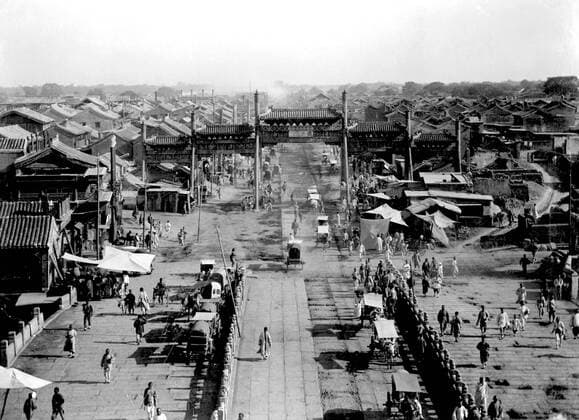
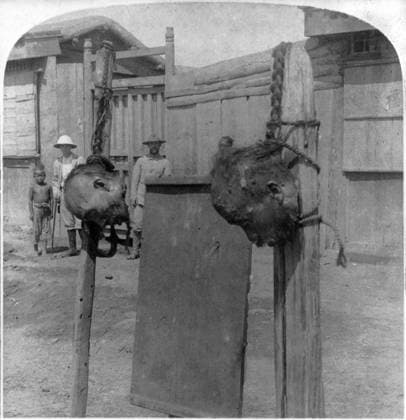
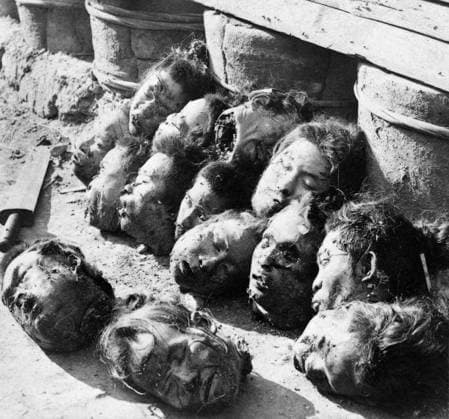
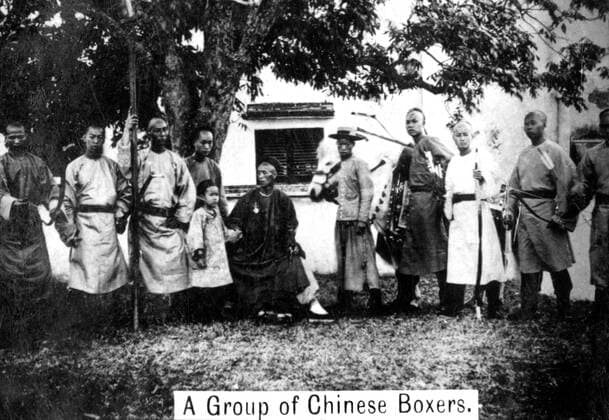
The Boxer Rebellion, also known as Boxer Uprising or Yihetuan Movement, was a proto-nationalist movement by the Righteous Harmony Society in China between 1898 and 1901, opposing foreign imperialism and Christianity.<br ><br > The uprising took place in response to foreign spheres of influence in China, with grievances ranging from opium traders, political invasion, economic manipulation, to missionary evangelism. In China, popular sentiment remained resistant to foreign influences, and anger rose over the unequal treaties , which the weak Qing state could not resist.<br ><br > Concerns grew that missionaries and Chinese Christians could use this decline to their advantage, appropriating lands and property of unwilling Chinese peasan Supplier:xCPAxMediaxCo.xLtd. 1060_05_CPA0015405