Images in this collection
RECORD DATE NOT STATED CAPE CANAVERAL, Fla. - Mercury astronauts, from left, Wally Schirra, Deke Slayton and Alan Shepard work inside the Mercury Control Center where they were stationed during the Faith 7 mission of astronaut Gordon Cooper, launched on May 15, 1963. This was the final mission of the Mercury Program. The Mercury Mission Control Center in Florida played a key role in the United States early spaceflight program. Located at Cape Canaveral Air Force Station, the original part of the building was constructed between 1956 and 1958, with additions in 1959 and 1963. The facility officially was transferred to NASA on Dec. 26, 1963, and served as mission control during all the Project Mercury missions, as well as the first three flights of the Gemini Prog Copyright: xpiemagsx piemagsnasaend23-16972 !ACHTUNG AUFNAHMEDATUM GESCHÄTZT!
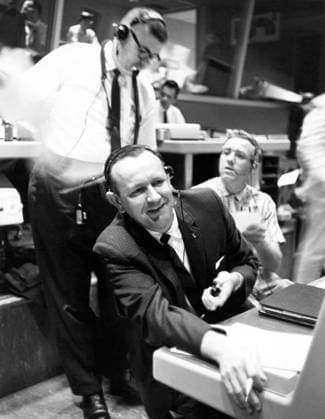
RECORD DATE NOT STATED CAPE CANAVERAL, Fla. - Inside Mercury Mission Control, Christopher Kraft, Mercury s flight director, sits at his console during preparations for astronaut Gordon Cooper s Faith 7 launch, which took place on May 15, 1963. The Mercury Mission Control Center in Florida played a key role in the United States early spaceflight program. Located at Cape Canaveral Air Force Station, the original part of the building was constructed between 1956 and 1958, with additions in 1959 and 1963. The facility officially was transferred to NASA on Dec. 26, 1963, and served as mission control during all the Project Mercury missions, as well as the first three flights of the Gemini Program, when it was renamed Mission Control Center. With its operational days Copyright: xpiemagsx piemagsnasaend23-16944 !ACHTUNG AUFNAHMEDATUM GESCHÄTZT!
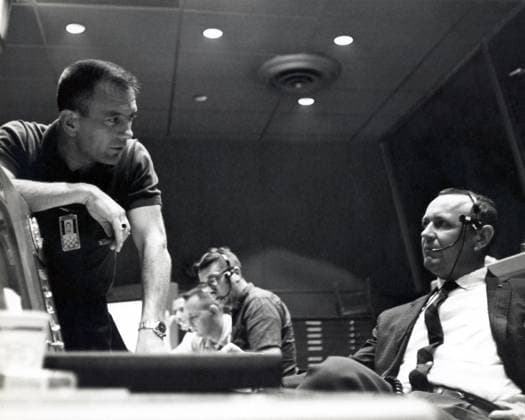
RECORD DATE NOT STATED CAPE CANAVERAL, Fla. - Inside Mercury Mission Control, astronaut Deke Slayton left discusses a point with Christopher Kraft, Mercury s flight director, during preparations for astronaut Gordon Cooper s Faith 7 launch, which took place on May 15, 1963. The Mercury Mission Control Center in Florida played a key role in the United States early spaceflight program. Located at Cape Canaveral Air Force Station, the original part of the building was constructed between 1956 and 1958, with additions in 1959 and 1963. The facility officially was transferred to NASA on Dec. 26, 1963, and served as mission control during all the Project Mercury missions, as well as the first three flights of the Gemini Program, when it was renamed Mission Control Cen Copyright: xpiemagsx piemagsnasaend23-16937 !ACHTUNG AUFNAHMEDATUM GESCHÄTZT!
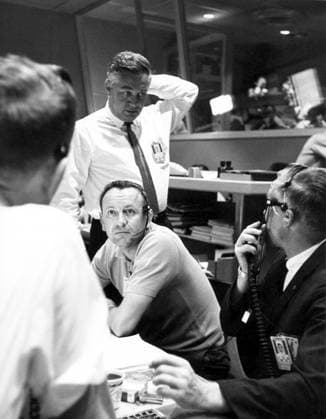
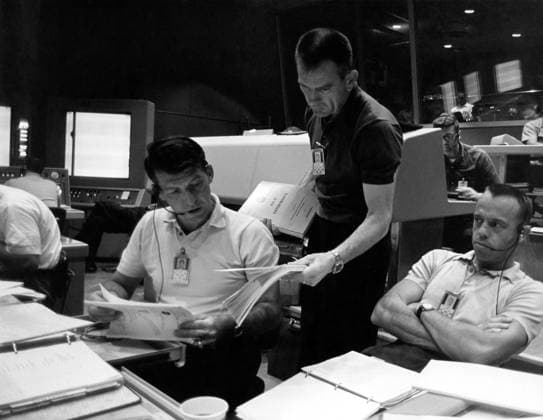
RECORD DATE NOT STATED CAPE CANAVERAL, Fla. - Inside Mercury Mission Control, Walter C. Williams standing, associate director for Project Mercury operations, and Christopher Kraft seated, left, flight director, work in flight control as the decision is made to have Mercury astronaut Gordon Cooper aboard his spacecraft, Faith 7, go the full 22 orbits. The launch took place on May 15, 1963. The Mercury Mission Control Center in Florida played a key role in the United States early spaceflight program. Located at Cape Canaveral Air Force Station, the original part of the building was constructed between 1956 and 1958, with additions in 1959 and 1963. The facility officially was transferred to NASA on Dec. 26, 1963, and served as mission control during all the Projec Copyright: xpiemagsx piemagsnasaend23-16912 !ACHTUNG AUFNAHMEDATUM GESCHÄTZT!
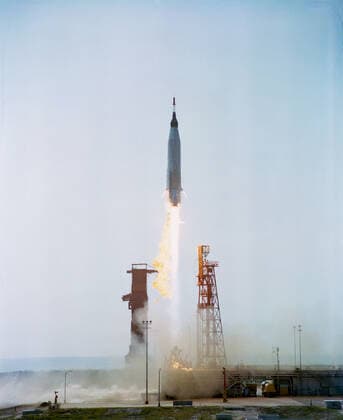
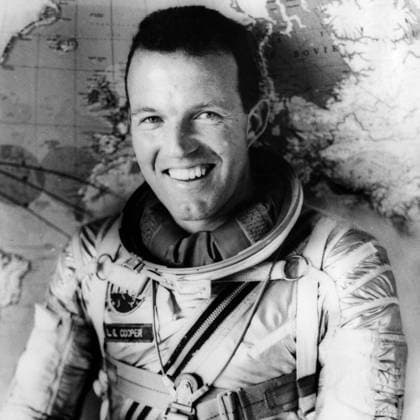
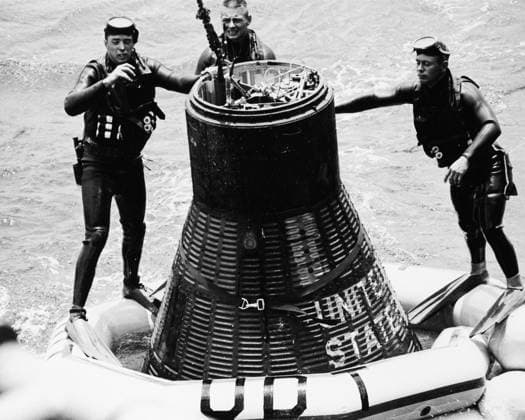
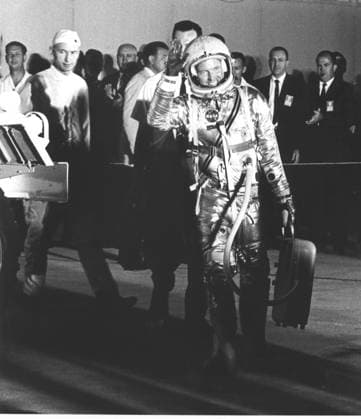
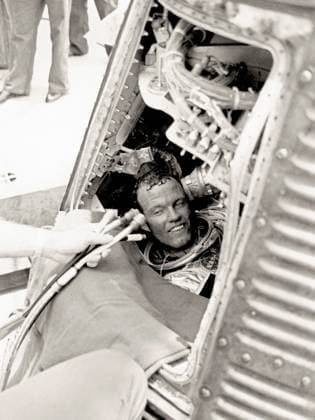
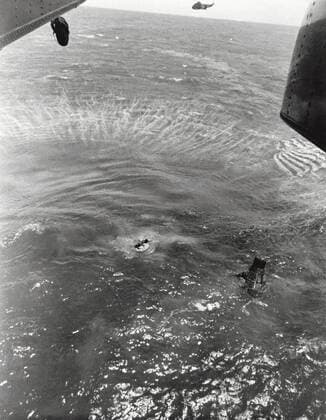
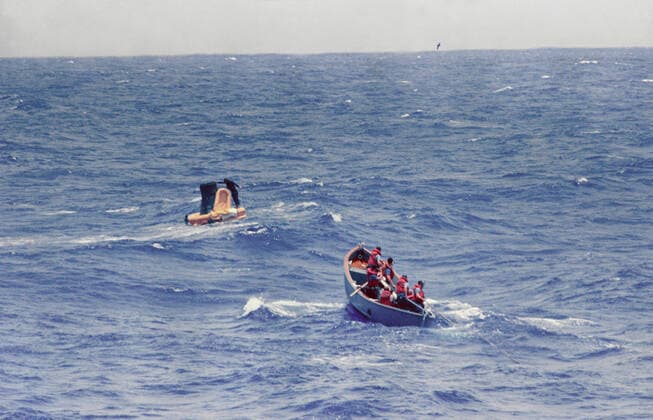
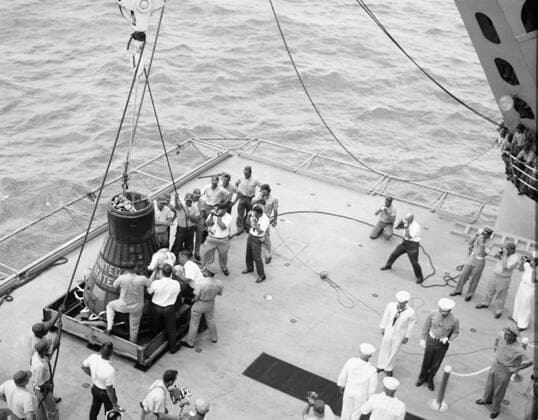
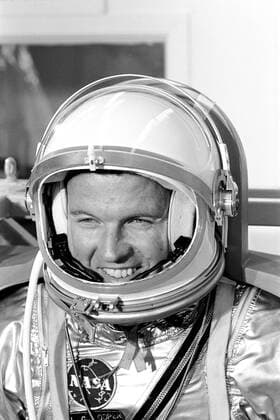
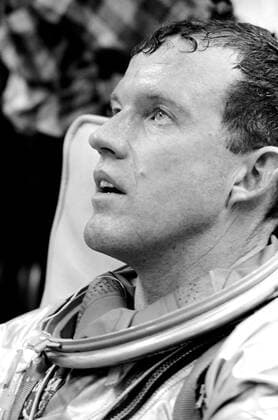
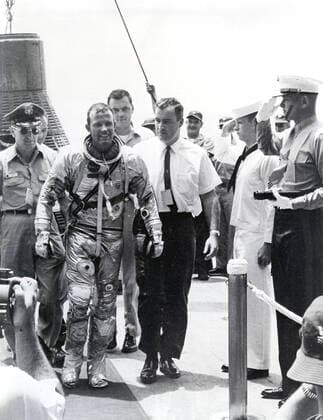
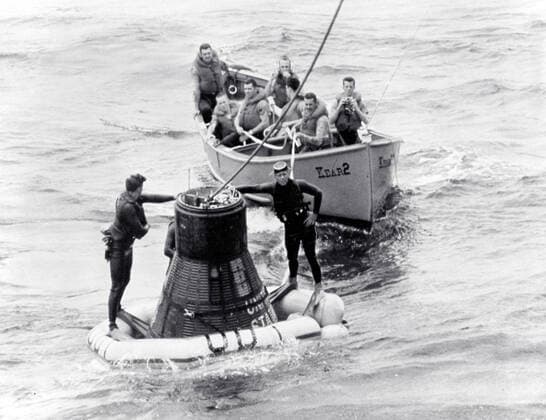
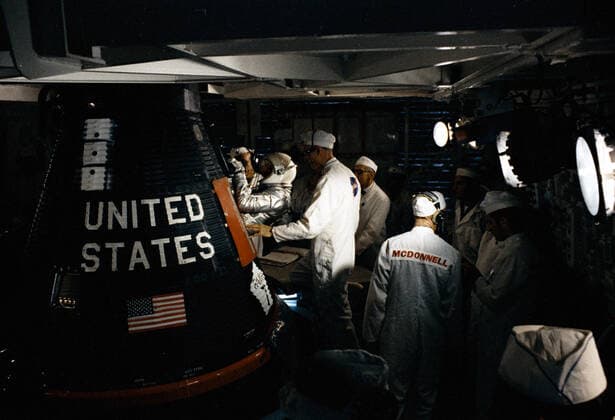
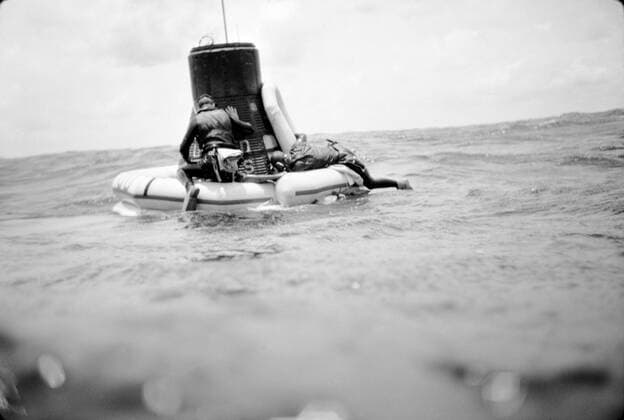
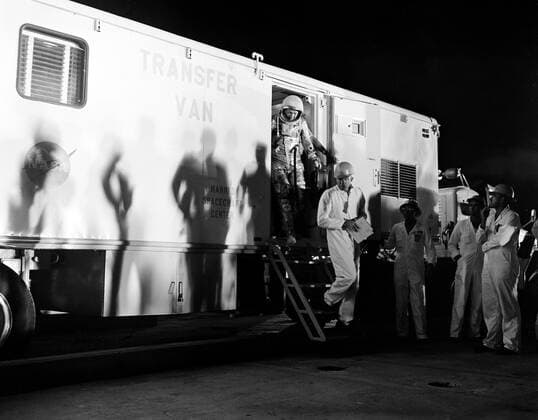
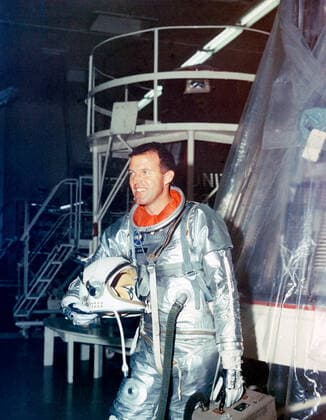
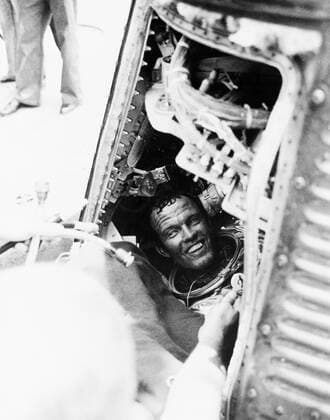
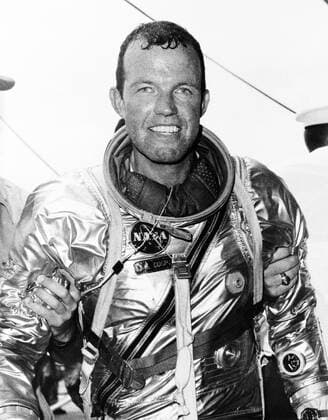
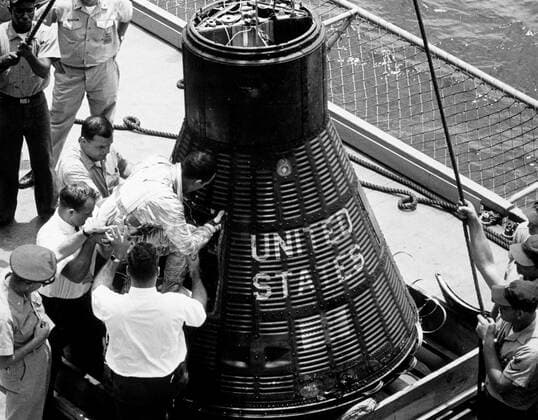
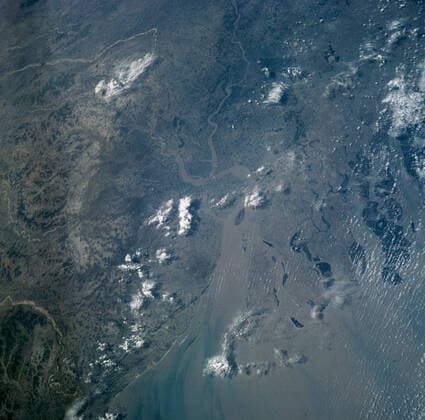
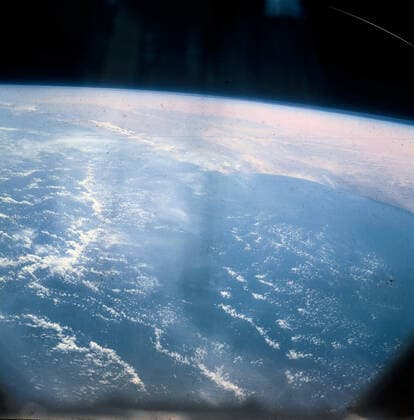
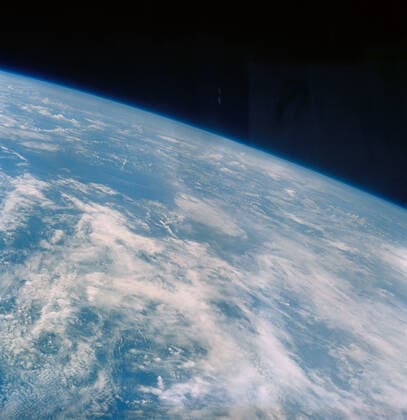
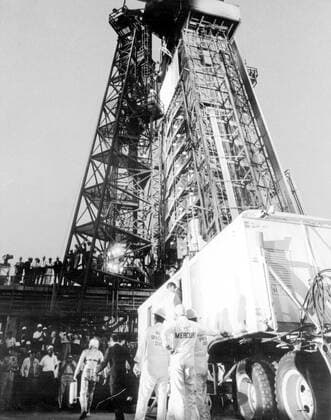
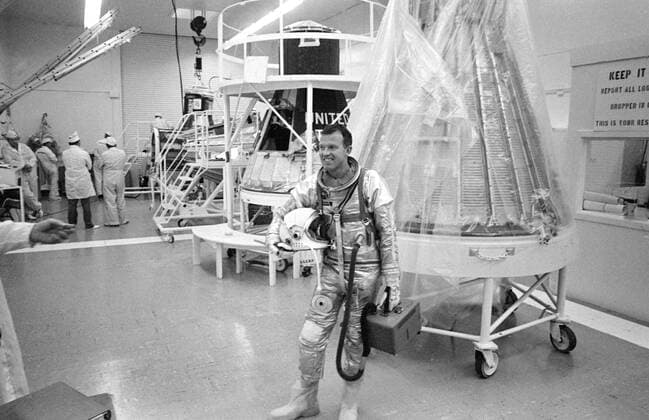
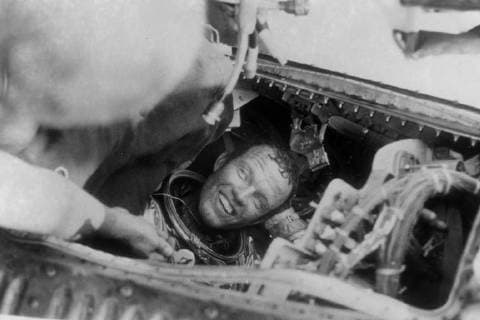
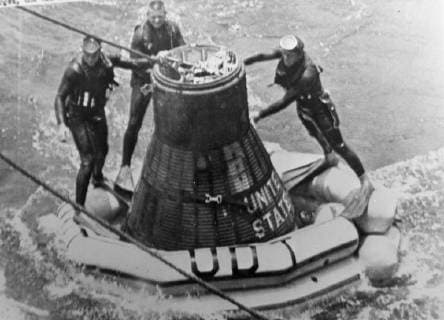
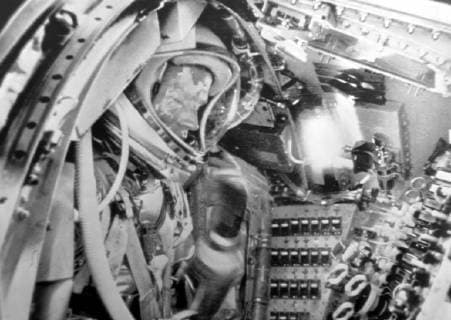
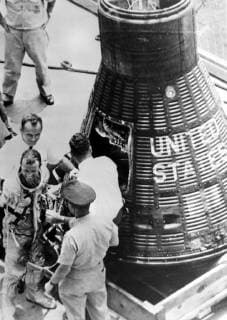
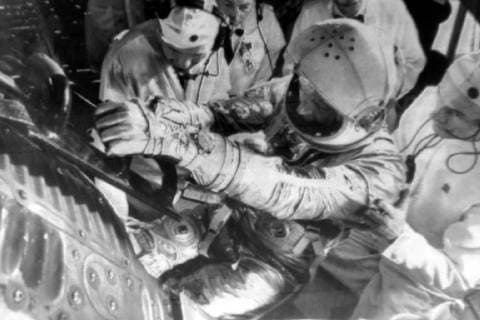
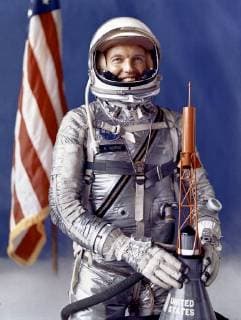
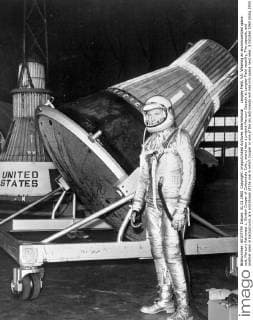
S63-07135 (16 May 1963) --- This was the Nation?s sixth manned orbital space flight, and the ?Faith 7? spacecraft was piloted by astronaut L. Gordon Cooper Jr. The launch was originally scheduled for May 14, 1963, but due to a malfunction in the radar tracking system at Bermuda. The launch was ?scrubbed? 12 minutes before countdown would have been completed. At midnight, May 15, 1963, countdown was resumed and liftoff occurred at 8:04 a.m. (EST), May 16, 1963. Astronaut L. Gordon Cooper Jr., completed a total of 22.9 orbits and spent 34 hours, 20 minutes in space flight. The launch and recovery was highly successful and was the last of the Mercury flights. Copyright: xpiemagsx piemagsspace-1061 !ACHTUNG AUFNAHMEDATUM GESCHÄTZT!
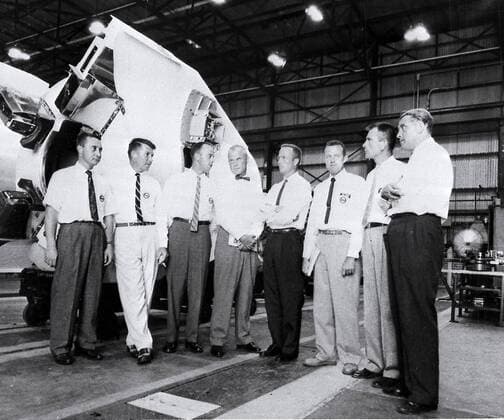
January 1, 1959 - Huntsville, Alabama, United States of America - Dr. Wernher von Braun, Director of the U.S. Army Ballistic Missile Agency s (ABMA) Development Operations Division, is shown briefing the seven original Mercury astronauts in ABMA s Fabrication Laboratory. (Left to right) Guss Grissom, Walter Schirra, Alan Shepard, John Glenn, Scott Carpenter, Gordon Cooper, Donald Slayton, and Dr. von Braun..Credit: NASA via CNP Huntsville United States of America - ZUMAs152 19590101_zaa_s152_003