Images in this collection
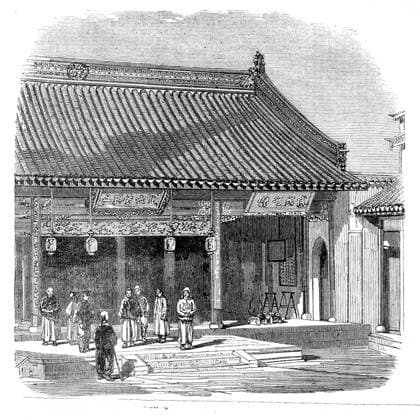
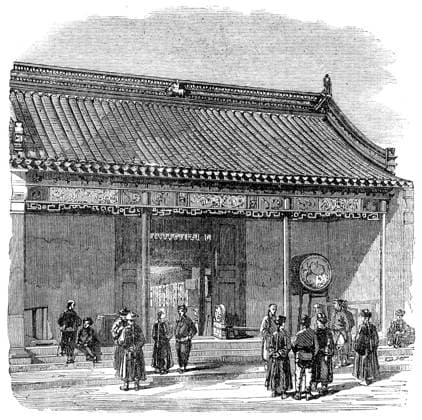
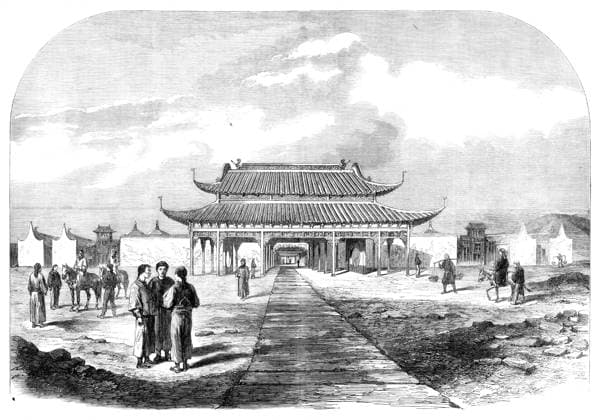
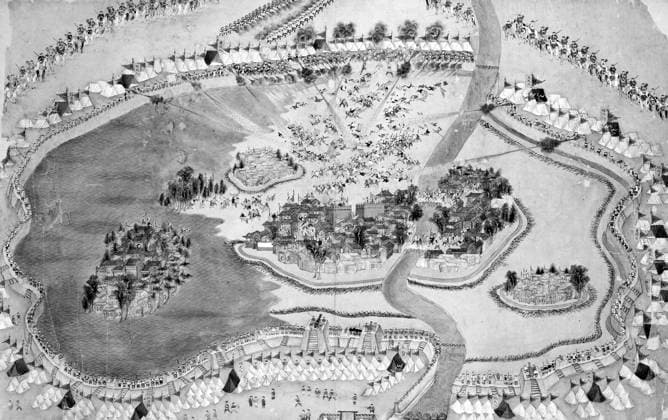
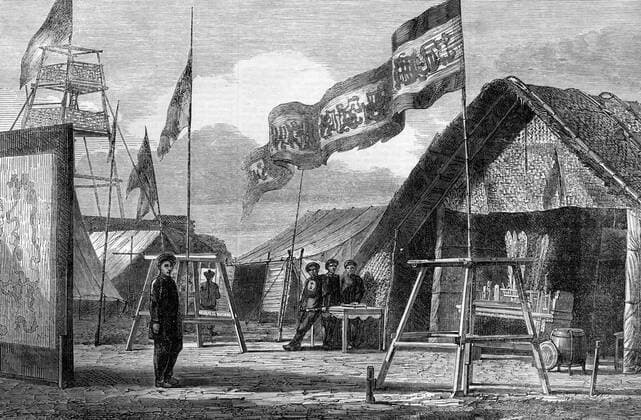
RECORD DATE NOT STATED The Taeping Rebellion in China: entrance to Hall of Justice, Ching-Wang s palace, Soo-Chow, 1864. Engraving from a photograph, ...illustrative of the capture of the Chinese town of Soo-Chow by the Imperialist troops, under Major Gordon; and the subsequent destruction of the Taeping or rebel leaders...The Footai had...ensconced himself in the palace just vacated by Ching-Wang. Our Engraving shows...the Hall of Justice, where Ching-Wang used to sit in state, as the Footai now sits there, presiding over the administration of the law . From Illustrated London News, 1864. Copyright:xThexPrintxCollector HeritagexImagesxUnknownx IMAGO, ! ACHTUNG: AUFNAHMEDATUM GESCHÄTZT! Copyright:ThexPrintxCollector HeritagexImagesxUnknownx IMAGO
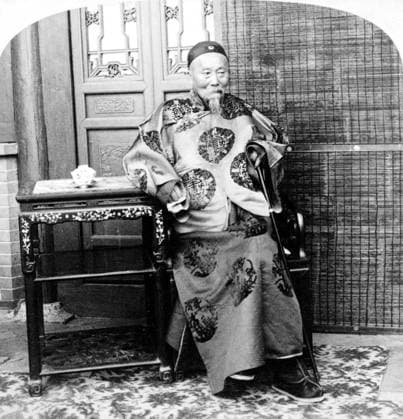
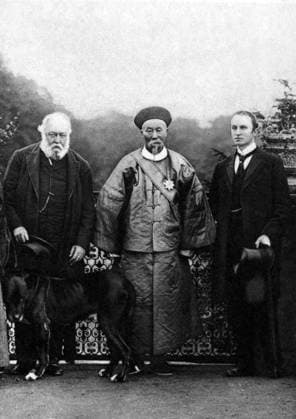
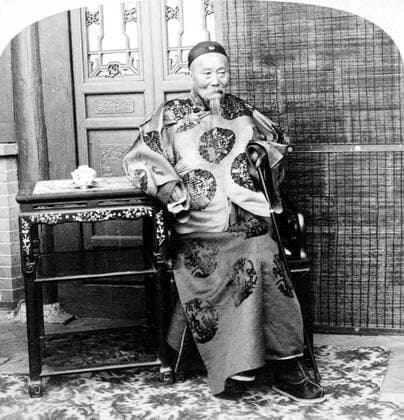
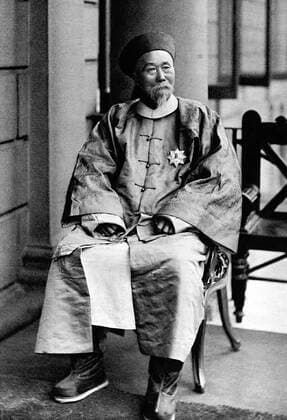
China: Li Hongzhang (1823-1901), Qing Dynasty statesman and victorious general against the Taiping Rebellion, 1900 Li Hongzhang or Li Hung-chang (simplified Chinese: æ?Žé¸¿ç« ; traditional Chinese: æ?Žé »ç« ; pinyin: LÇ? HongzhÄ?ng), Marquis Suyi of the First Class (Chinese: ä¸Äç‰è‚Öæ¯Ö侯, p YÄ«dÄ›ng Sù Yì Hou), GCVO, (February 15, 1823 November 7, 1901) was a leading statesman of the late Qing Empire. He quelled several major rebellions and served in important positions of the Imperial Court, including the premier viceroyalty of Zhili.<br ><br > Although he was best known in the West for his generally pro-modern stance and importance as a negotiator, Li antagonized the British with his support of Russia as a foil against Japane Copyright: xxPicturesxFromxHistoryx
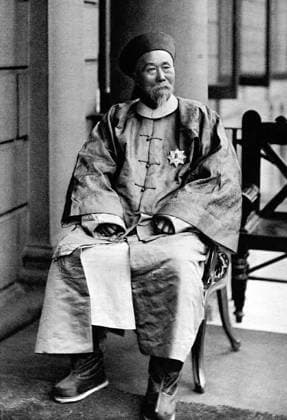
China: Li Hongzhang (1823-1901), Qing Dynasty statesman and victorious general against the Taiping Rebellion, 1896 Li Hongzhang or Li Hung-chang (simplified Chinese: æ?Žé¸¿ç« ; traditional Chinese: æ?Žé »ç« ; pinyin: LÇ? HongzhÄ?ng), Marquis Suyi of the First Class (Chinese: ä¸Äç‰è‚Öæ¯Ö侯, p YÄ«dÄ›ng Sù Yì Hou), GCVO, (February 15, 1823 November 7, 1901) was a leading statesman of the late Qing Empire. He quelled several major rebellions and served in important positions of the Imperial Court, including the premier viceroyalty of Zhili.<br ><br > Although he was best known in the West for his generally pro-modern stance and importance as a negotiator, Li antagonized the British with his support of Russia as a foil against Japane Copyright: xxPicturesxFromxHistoryx
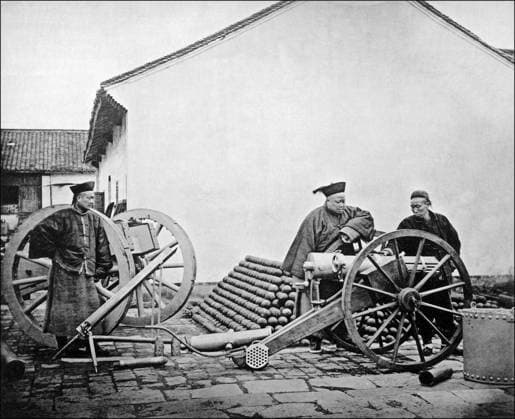
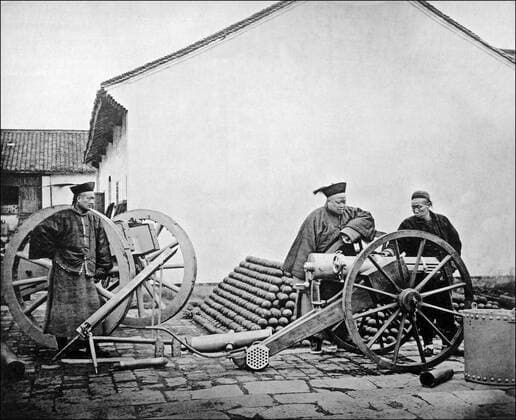
RECORD DATE NOT STATED China: Qing officers posing at the Nanjing Jinling Arsenal, built by Li Hongzhang in 1865 Li Hongzhang (Wade Giles: Li Hung-chang), Marquis Suyi of the First Class (February 15, 1823 November 7, 1901), was a Chinese civilian official who ended several major rebellions, and a leading statesman of the late Qing Empire. He served in important positions of the Imperial Court, once holding the office of the Viceroy of Zhili.<br ><br > Although he was best known in the West for his diplomatic negotiation skills, after the 1894 First Sino-Japanese War, Li became a symbol in China for late Qing-dynasty Chinese weakness vis-a-vis foreign powers. His image in China remains largely controversial, with criticism on one hand for his lack of polit Copyright: xxPicturesxFromxHistoryx