EditorialCreativeSportsCollectionsVideos
Prices
0Log in

Visual content for professionals.
800M+ images and videos.

Content Hub

  • Current Events
  • Pictures of the Year
  • Sports
  • Editorial
  • Creative
  • Collections
  • Videos

Offers

  • Prices & Packages
  • Promotions
  • Enterprise
  • Newsletter
  • Blog
  • The Game Magazine

Services

  • Content Research
  • Contract Photography
  • API & FTP Push
  • my-picturemaxx
  • Become a Partner

Company

  • About IMAGO
  • Careers
  • News

Help Center

  • FAQ
  • Contact Us
Legal NoticeTerms & ConditionsLicense InformationData PrivacyPrivacy Settings
© 2026 IMAGO
CEPICBAPLABVPA
  1. IMAGO International History, Taiping Rebellion in China 1850-1864

IMAGO International History, Taiping Rebellion in China 1850-1864

Jan 6, 2026

The following photos have been selected for you by the IMAGO picture desk on this topic. For more pictures please use the search function.

Images in this collection
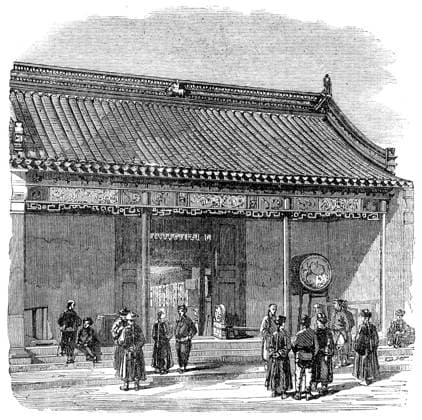
  • RECORD DATE NOT STATED The Taeping Rebellion in China: entrance to Hall of Justice, Ching-Wang s palace, Soo-Chow, 1864. Engraving from a photograph, ...illustrative of the capture of the Chinese town of Soo-Chow by the Imperialist troops, under Major Gordon; and the subsequent destruction of the Taeping or rebel leaders...The Footai had...ensconced himself in the palace just vacated by Ching-Wang. Our Engraving shows...the Hall of Justice, where Ching-Wang used to sit in state, as the Footai now sits there, presiding over the administration of the law . From Illustrated London News, 1864. Copyright:xThexPrintxCollector HeritagexImagesxUnknownx IMAGO, ! ACHTUNG: AUFNAHMEDATUM GESCHÄTZT!  Copyright:ThexPrintxCollector HeritagexImagesxUnknownx IMAGO

    RECORD DATE NOT STATED The Taeping Rebellion in China: entrance to Hall of Justice, Ching-Wang s palace, Soo-Chow, 1864. Engraving from a photograph, ...illustrative of the capture of the Chinese town of Soo-Chow by the Imperialist troops, under Major Gordon; and the subsequent destruction of the Taeping or rebel leaders...The Footai had...ensconced himself in the palace just vacated by Ching-Wang. Our Engraving shows...the Hall of Justice, where Ching-Wang used to sit in state, as the Footai now sits there, presiding over the administration of the law . From Illustrated London News, 1864. Copyright:xThexPrintxCollector HeritagexImagesxUnknownx IMAGO, ! ACHTUNG: AUFNAHMEDATUM GESCHÄTZT! Copyright:ThexPrintxCollector HeritagexImagesxUnknownx IMAGO
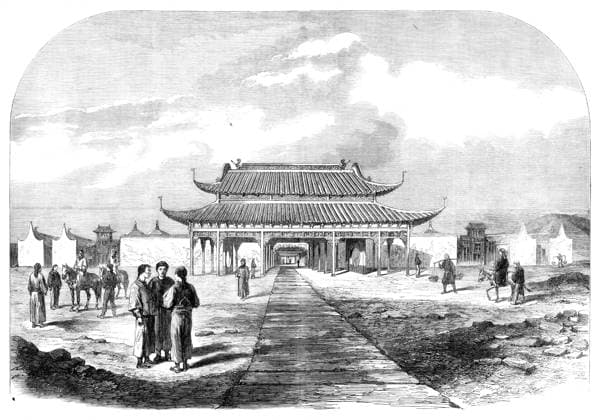
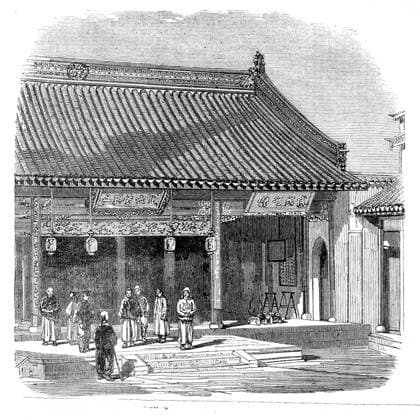
  • RECORD DATE NOT STATED The Taeping Rebellion in China: entrance to Ching-Wang s palace, Soo-Chow, 1864. Engraving from a photograph, ...illustrative of the capture of the Chinese town of Soo-Chow by the Imperialist troops, under Major Gordon; and the subsequent destruction of the Taeping or rebel leaders...The Footai had...ensconced himself in the palace just vacated by Ching-Wang. Our Engraving shows the principal entrance to this palace . From Illustrated London News, 1864. Copyright:xThexPrintxCollector HeritagexImagesxUnknownx IMAGO, ! ACHTUNG: AUFNAHMEDATUM GESCHÄTZT!  Copyright:ThexPrintxCollector HeritagexImagesxUnknownx IMAGO

    RECORD DATE NOT STATED The Taeping Rebellion in China: entrance to Ching-Wang s palace, Soo-Chow, 1864. Engraving from a photograph, ...illustrative of the capture of the Chinese town of Soo-Chow by the Imperialist troops, under Major Gordon; and the subsequent destruction of the Taeping or rebel leaders...The Footai had...ensconced himself in the palace just vacated by Ching-Wang. Our Engraving shows the principal entrance to this palace . From Illustrated London News, 1864. Copyright:xThexPrintxCollector HeritagexImagesxUnknownx IMAGO, ! ACHTUNG: AUFNAHMEDATUM GESCHÄTZT! Copyright:ThexPrintxCollector HeritagexImagesxUnknownx IMAGO

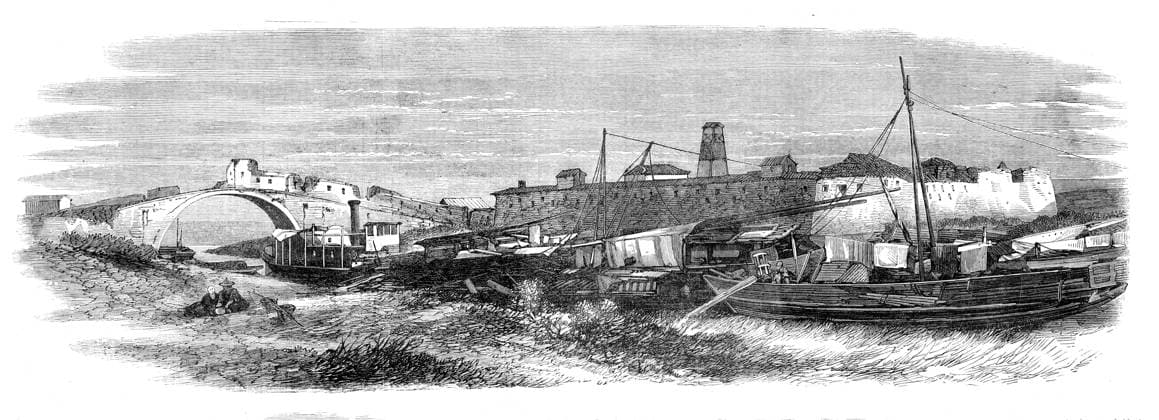
  • RECORD DATE NOT STATED The Taeping Rebellion in China: fortified bridge, Soo-Chow, 1864. Engraving from a photograph, ...illustrative of the capture of the Chinese town of Soo-Chow by the Imperialist troops, under Major Gordon; and the subsequent destruction of the Taeping or rebel leaders...Between Quinsan and Soo-Chow there is a water communication by a creek which joins the Grand Canal, and several other creeks enter into it; but the Taepings had thrown dams across the creeks, and erected mud forts and stockades upon the bank at frequent intervals, and also fortified the bridges, so that the Imperialists had to go through much labour and some fighting as they advanced . From Illustrated London News, 1864. Copyright:xThexPrintxCollector HeritagexImagesxUnknown  Copyright:ThexPrintxCollector HeritagexImagesxUnknownx IMAGO

    RECORD DATE NOT STATED The Taeping Rebellion in China: fortified bridge, Soo-Chow, 1864. Engraving from a photograph, ...illustrative of the capture of the Chinese town of Soo-Chow by the Imperialist troops, under Major Gordon; and the subsequent destruction of the Taeping or rebel leaders...Between Quinsan and Soo-Chow there is a water communication by a creek which joins the Grand Canal, and several other creeks enter into it; but the Taepings had thrown dams across the creeks, and erected mud forts and stockades upon the bank at frequent intervals, and also fortified the bridges, so that the Imperialists had to go through much labour and some fighting as they advanced . From Illustrated London News, 1864. Copyright:xThexPrintxCollector HeritagexImagesxUnknown Copyright:ThexPrintxCollector HeritagexImagesxUnknownx IMAGO

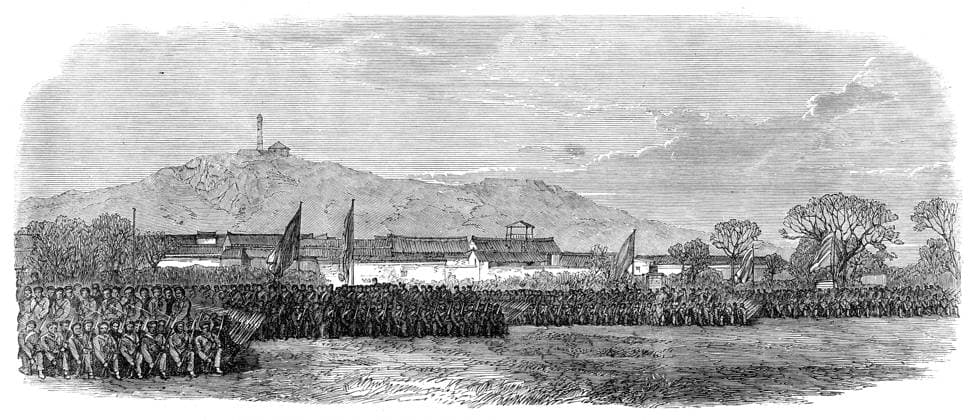
  • RECORD DATE NOT STATED The Taeping Rebellion in China: troops of the Quinsan Garrison, under Major Gordon, forming square, 1864. Engraving from a photograph, ...illustrative of the capture of the Chinese town of Soo-Chow by the Imperialist troops, under Major Gordon; and the subsequent destruction of the Taeping or rebel leaders...By the exertions of Major Gordon, an officer of the Royal Engineers, a small but well-organised force of native troops has been collected and trained with European discipline, its head-quarters being in the town of Quinsan...Here we see a body of these Chinese regular infantry going through their evolutions and preparing to form a square. The garrison...musters about 3000. Beyond their barracks...rises a singularly-shaped hill, above 6  Copyright:ThexPrintxCollector HeritagexImagesxUnknownx IMAGO

    RECORD DATE NOT STATED The Taeping Rebellion in China: troops of the Quinsan Garrison, under Major Gordon, forming square, 1864. Engraving from a photograph, ...illustrative of the capture of the Chinese town of Soo-Chow by the Imperialist troops, under Major Gordon; and the subsequent destruction of the Taeping or rebel leaders...By the exertions of Major Gordon, an officer of the Royal Engineers, a small but well-organised force of native troops has been collected and trained with European discipline, its head-quarters being in the town of Quinsan...Here we see a body of these Chinese regular infantry going through their evolutions and preparing to form a square. The garrison...musters about 3000. Beyond their barracks...rises a singularly-shaped hill, above 6 Copyright:ThexPrintxCollector HeritagexImagesxUnknownx IMAGO

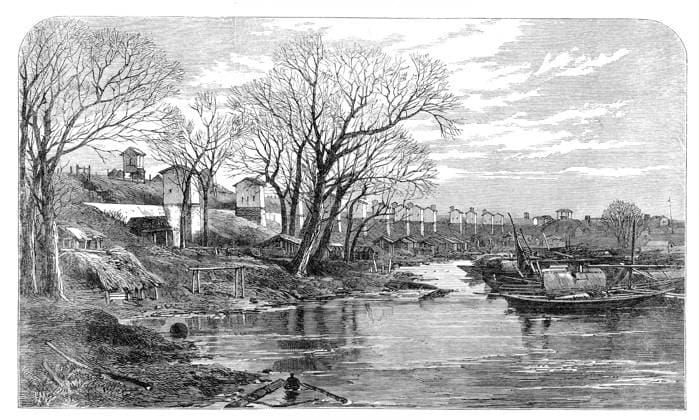
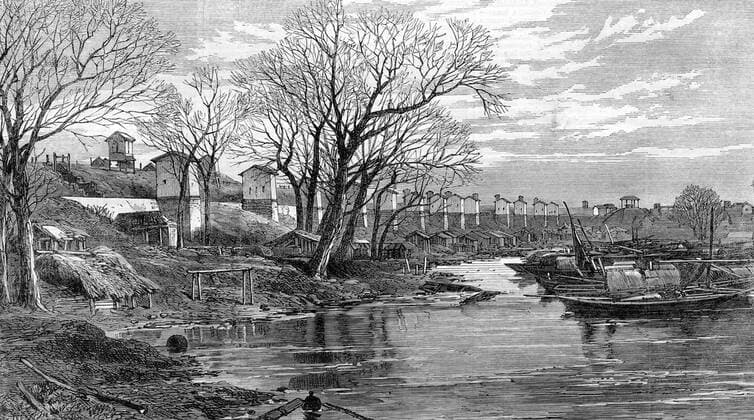
  • RECORD DATE NOT STATED The Taeping Rebellion in China: interior of the walls of Soo-Chow, 1864. Engraving from a photograph, ...illustrative of the capture of the Chinese town of Soo-Chow by the Imperialist troops, under Major Gordon; and the subsequent destruction of the Taeping or rebel leaders...The aspect of the town walls, overlooking the water . From Illustrated London News, 1864. Copyright:xThexPrintxCollector HeritagexImagesxUnknownx IMAGO, ! ACHTUNG: AUFNAHMEDATUM GESCHÄTZT!  Copyright:ThexPrintxCollector HeritagexImagesxUnknownx IMAGO

    RECORD DATE NOT STATED The Taeping Rebellion in China: interior of the walls of Soo-Chow, 1864. Engraving from a photograph, ...illustrative of the capture of the Chinese town of Soo-Chow by the Imperialist troops, under Major Gordon; and the subsequent destruction of the Taeping or rebel leaders...The aspect of the town walls, overlooking the water . From Illustrated London News, 1864. Copyright:xThexPrintxCollector HeritagexImagesxUnknownx IMAGO, ! ACHTUNG: AUFNAHMEDATUM GESCHÄTZT! Copyright:ThexPrintxCollector HeritagexImagesxUnknownx IMAGO

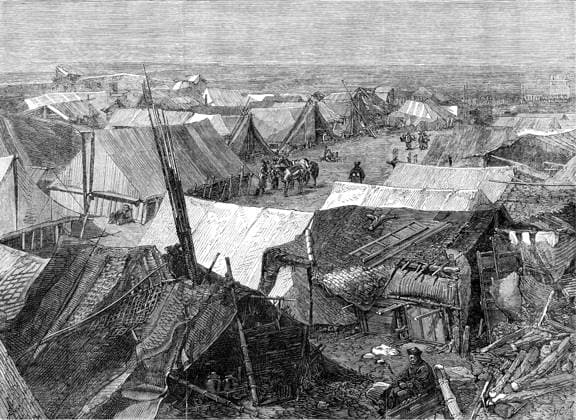
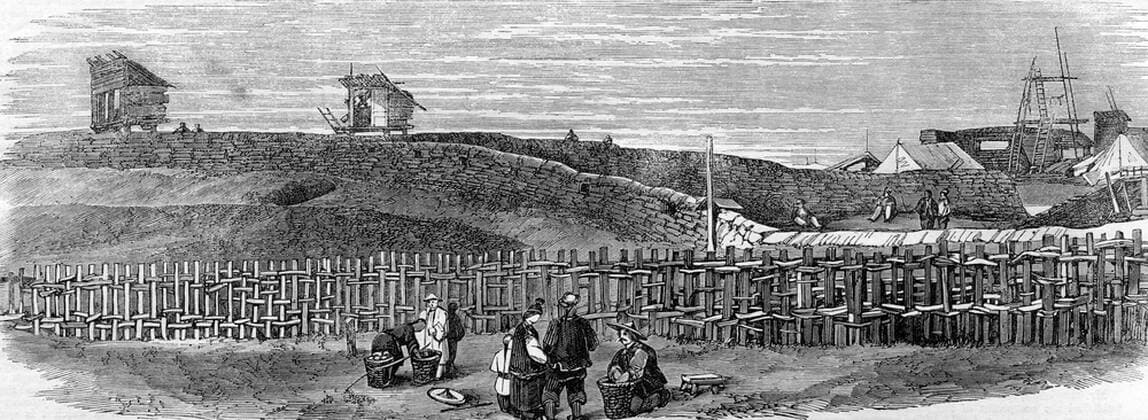
  • RECORD DATE NOT STATED The Taeping Rebellion in China:...Soo-Chow, where the Wang was beheaded, 1864. Engraving from a photograph, ...illustrative of the capture of the Chinese town of Soo-Chow by the Imperialist troops, under Major Gordon; and the subsequent destruction of the Taeping or rebel leaders...Within the stockade we see the tents of the Taeping soldiery . From Illustrated London News, 1864. Copyright:xThexPrintxCollector HeritagexImagesxUnknownx IMAGO, ! ACHTUNG: AUFNAHMEDATUM GESCHÄTZT!  Copyright:ThexPrintxCollector HeritagexImagesxUnknownx IMAGO

    RECORD DATE NOT STATED The Taeping Rebellion in China:...Soo-Chow, where the Wang was beheaded, 1864. Engraving from a photograph, ...illustrative of the capture of the Chinese town of Soo-Chow by the Imperialist troops, under Major Gordon; and the subsequent destruction of the Taeping or rebel leaders...Within the stockade we see the tents of the Taeping soldiery . From Illustrated London News, 1864. Copyright:xThexPrintxCollector HeritagexImagesxUnknownx IMAGO, ! ACHTUNG: AUFNAHMEDATUM GESCHÄTZT! Copyright:ThexPrintxCollector HeritagexImagesxUnknownx IMAGO

  • RECORD DATE NOT STATED The Taeping War in China: palace of the Taeping Wang at Nankin, lately captured by the Imperial Forces, 1864. From Illustrated London News, 1864. Copyright:xThexPrintxCollector HeritagexImagesxMasonxJacksonx IMAGO, ! ACHTUNG: AUFNAHMEDATUM GESCHÄTZT!  Copyright:ThexPrintxCollector HeritagexImagesxMasonxJacksonx IMAGO

    RECORD DATE NOT STATED The Taeping War in China: palace of the Taeping Wang at Nankin, lately captured by the Imperial Forces, 1864. From Illustrated London News, 1864. Copyright:xThexPrintxCollector HeritagexImagesxMasonxJacksonx IMAGO, ! ACHTUNG: AUFNAHMEDATUM GESCHÄTZT! Copyright:ThexPrintxCollector HeritagexImagesxMasonxJacksonx IMAGO

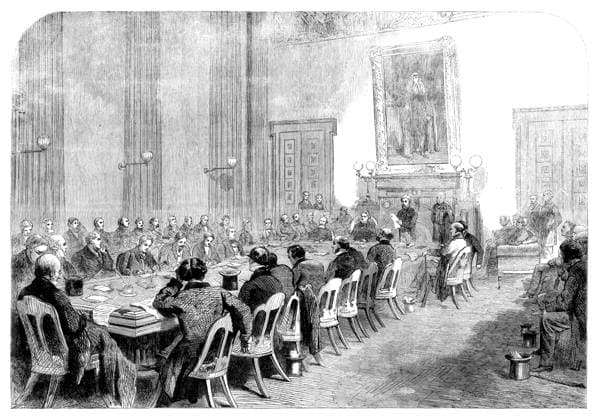
  • RECORD DATE NOT STATED The Cotton Famine: meeting of the central relief committee in the mayor s parlour at the Manchester townhall - Earl Derby in the chair, 1862. The Lancashire Cotton Famine (1861-65), was a depression in the textile industry of North West England, brought about by overproduction in a time of contracting world markets. It coincided with the interruption of baled cotton imports caused by the American Civil War and speculators buying up new stock for storage in warehouses. Cotton prices rose in China following the Second Opium War and during the ongoing Taiping Rebellion. The increase in cotton prices caused the textile trade to rapidly lose two-thirds of its previous value of exports to China from 1861-1862. The worldwide cotton famine also pro  Copyright:ThexPrintxCollector HeritagexImagesxUnknownx IMAGO

    RECORD DATE NOT STATED The Cotton Famine: meeting of the central relief committee in the mayor s parlour at the Manchester townhall - Earl Derby in the chair, 1862. The Lancashire Cotton Famine (1861-65), was a depression in the textile industry of North West England, brought about by overproduction in a time of contracting world markets. It coincided with the interruption of baled cotton imports caused by the American Civil War and speculators buying up new stock for storage in warehouses. Cotton prices rose in China following the Second Opium War and during the ongoing Taiping Rebellion. The increase in cotton prices caused the textile trade to rapidly lose two-thirds of its previous value of exports to China from 1861-1862. The worldwide cotton famine also pro Copyright:ThexPrintxCollector HeritagexImagesxUnknownx IMAGO

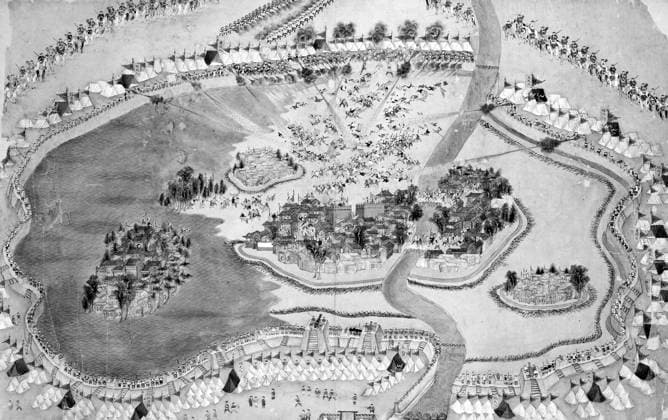
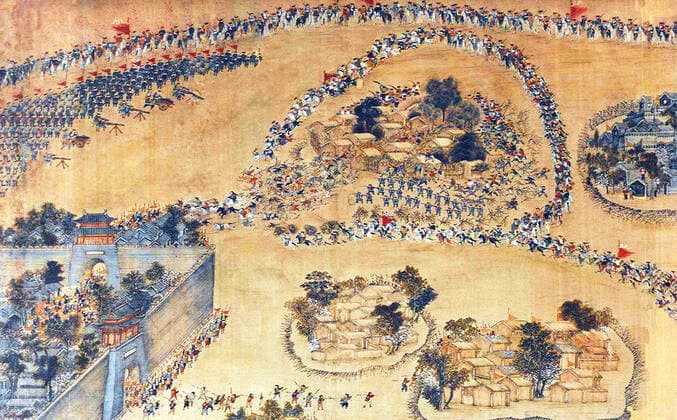
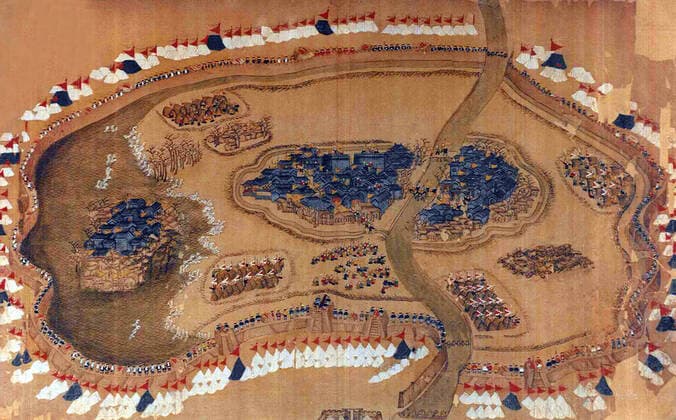
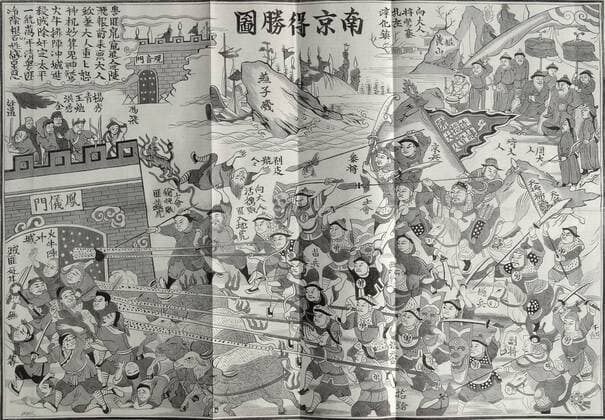
  • CHINA: TAIPING REBELLION. Battle between Chinese government forces and rebels during the Taiping Rebellion, 1851-64. Contemporary Chinese painting.  Copyright: xGRANGERx xGRANGERx 0166773

    CHINA: TAIPING REBELLION. Battle between Chinese government forces and rebels during the Taiping Rebellion, 1851-64. Contemporary Chinese painting. Copyright: xGRANGERx xGRANGERx 0166773

  • CHINA: TAIPING REBELLION. Contemporary Chinese painting of Taiping rebels storming a town during the Taiping Rebellion, 1851-64.  Copyright: xGRANGERx xGRANGERx 0094464

    CHINA: TAIPING REBELLION. Contemporary Chinese painting of Taiping rebels storming a town during the Taiping Rebellion, 1851-64. Copyright: xGRANGERx xGRANGERx 0094464

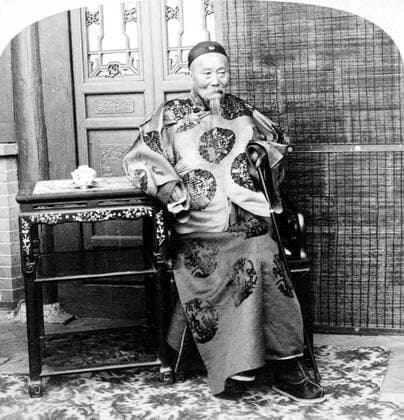
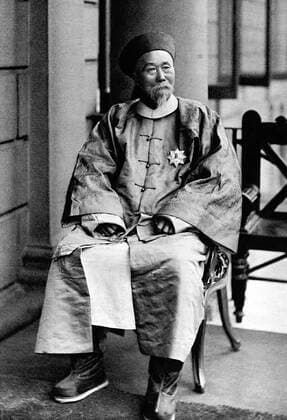
  • China: Li Hongzhang (1823-1901), Qing Dynasty statesman and victorious general against the Taiping Rebellion, 1900 Li Hongzhang or Li Hung-chang (simplified Chinese: æ?Žé¸¿ç« ; traditional Chinese: æ?Žé »ç« ; pinyin: LÇ? HongzhÄ?ng), Marquis Suyi of the First Class (Chinese: ä¸Äç­‰è‚Öæ¯Ö侯, p YÄ«dÄ›ng Sù Yì Hou), GCVO, (February 15, 1823 November 7, 1901) was a leading statesman of the late Qing Empire. He quelled several major rebellions and served in important positions of the Imperial Court, including the premier viceroyalty of Zhili.<br ><br > Although he was best known in the West for his generally pro-modern stance and importance as a negotiator, Li antagonized the British with his support of Russia as a foil against Japane Copyright: xxPicturesxFromxHistoryx
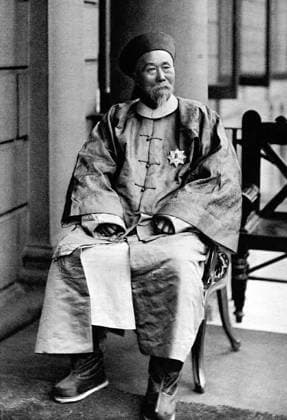
    China: Li Hongzhang (1823-1901), Qing Dynasty statesman and victorious general against the Taiping Rebellion, 1900 Li Hongzhang or Li Hung-chang (simplified Chinese: æ?Žé¸¿ç« ; traditional Chinese: æ?Žé »ç« ; pinyin: LÇ? HongzhÄ?ng), Marquis Suyi of the First Class (Chinese: ä¸Äç­‰è‚Öæ¯Ö侯, p YÄ«dÄ›ng Sù Yì Hou), GCVO, (February 15, 1823 November 7, 1901) was a leading statesman of the late Qing Empire. He quelled several major rebellions and served in important positions of the Imperial Court, including the premier viceroyalty of Zhili.<br ><br > Although he was best known in the West for his generally pro-modern stance and importance as a negotiator, Li antagonized the British with his support of Russia as a foil against Japane Copyright: xxPicturesxFromxHistoryx
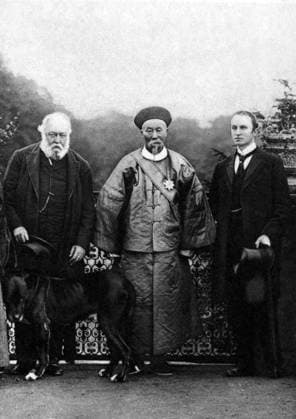
  • China UK: Li Hongzhang with Lord Salisbury (left) and Lord Curzon (right), Li Hongzhang or Li Hung-chang (simplified Chinese: æ?Žé¸¿ç« ; traditional Chinese: æ?Žé »ç« ; pinyin: LÇ? HongzhÄ?ng), Marquis Suyi of the First Class (Chinese: ä¸Äç­‰è‚Öæ¯Ö侯, p YÄ«dÄ›ng Sù Yì Hou), GCVO, (February 15, 1823 November 7, 1901) was a leading statesman of the late Qing Empire. He quelled several major rebellions and served in important positions of the Imperial Court, including the premier viceroyalty of Zhili.<br ><br > Although he was best known in the West for his generally pro-modern stance and importance as a negotiator, Li antagonized the British with his support of Russia as a foil against Japanese expansionism in Manchuria and fell Copyright: xxPicturesxFromxHistoryx

    China UK: Li Hongzhang with Lord Salisbury (left) and Lord Curzon (right), Li Hongzhang or Li Hung-chang (simplified Chinese: æ?Žé¸¿ç« ; traditional Chinese: æ?Žé »ç« ; pinyin: LÇ? HongzhÄ?ng), Marquis Suyi of the First Class (Chinese: ä¸Äç­‰è‚Öæ¯Ö侯, p YÄ«dÄ›ng Sù Yì Hou), GCVO, (February 15, 1823 November 7, 1901) was a leading statesman of the late Qing Empire. He quelled several major rebellions and served in important positions of the Imperial Court, including the premier viceroyalty of Zhili.<br ><br > Although he was best known in the West for his generally pro-modern stance and importance as a negotiator, Li antagonized the British with his support of Russia as a foil against Japanese expansionism in Manchuria and fell Copyright: xxPicturesxFromxHistoryx

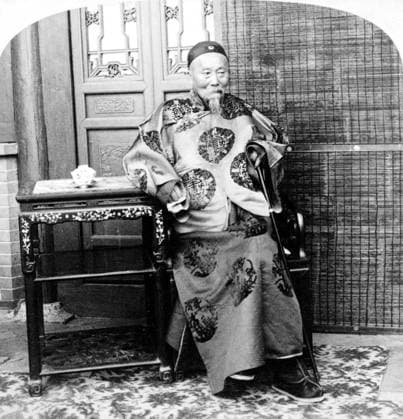
  • China: Li Hongzhang (1823-1901), Qing Dynasty statesman and victorious general against the Taiping Rebellion, 1896 Li Hongzhang or Li Hung-chang (simplified Chinese: æ?Žé¸¿ç« ; traditional Chinese: æ?Žé »ç« ; pinyin: LÇ? HongzhÄ?ng), Marquis Suyi of the First Class (Chinese: ä¸Äç­‰è‚Öæ¯Ö侯, p YÄ«dÄ›ng Sù Yì Hou), GCVO, (February 15, 1823 November 7, 1901) was a leading statesman of the late Qing Empire. He quelled several major rebellions and served in important positions of the Imperial Court, including the premier viceroyalty of Zhili.<br ><br > Although he was best known in the West for his generally pro-modern stance and importance as a negotiator, Li antagonized the British with his support of Russia as a foil against Japane Copyright: xxPicturesxFromxHistoryx

    China: Li Hongzhang (1823-1901), Qing Dynasty statesman and victorious general against the Taiping Rebellion, 1896 Li Hongzhang or Li Hung-chang (simplified Chinese: æ?Žé¸¿ç« ; traditional Chinese: æ?Žé »ç« ; pinyin: LÇ? HongzhÄ?ng), Marquis Suyi of the First Class (Chinese: ä¸Äç­‰è‚Öæ¯Ö侯, p YÄ«dÄ›ng Sù Yì Hou), GCVO, (February 15, 1823 November 7, 1901) was a leading statesman of the late Qing Empire. He quelled several major rebellions and served in important positions of the Imperial Court, including the premier viceroyalty of Zhili.<br ><br > Although he was best known in the West for his generally pro-modern stance and importance as a negotiator, Li antagonized the British with his support of Russia as a foil against Japane Copyright: xxPicturesxFromxHistoryx

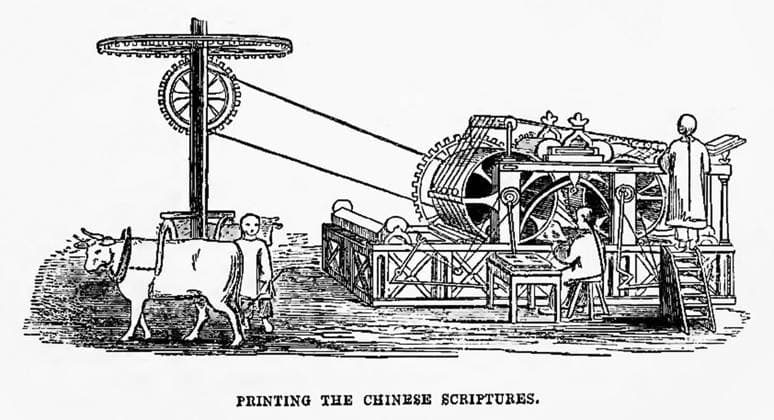
  • RECORD DATE NOT STATED China: Printing the Chinese Scriptures - the first Chinese translation of the Bible - using cattle power, c.1848 In 1840, a group of four people (Walter Henry Medhurst, Charles Gutzlaff, Elijah Coleman Bridgman, and John Robert Morrison) cooperated to translate the Bible into Chinese. The translation of the Hebrew part was done mostly by Gutzlaff, with the exception that the Pentateuch and the book of Joshua were done by the group collectively. This translation, completed in 1847, is well-known due to its adoption by the revolutionary peasant leader Hong Xiuquan of the Taipingtianguo movement (Taiping Rebellion) as some of the reputed early doctrines of the organization. Copyright: xxPicturesxFromxHistoryx

    RECORD DATE NOT STATED China: Printing the Chinese Scriptures - the first Chinese translation of the Bible - using cattle power, c.1848 In 1840, a group of four people (Walter Henry Medhurst, Charles Gutzlaff, Elijah Coleman Bridgman, and John Robert Morrison) cooperated to translate the Bible into Chinese. The translation of the Hebrew part was done mostly by Gutzlaff, with the exception that the Pentateuch and the book of Joshua were done by the group collectively. This translation, completed in 1847, is well-known due to its adoption by the revolutionary peasant leader Hong Xiuquan of the Taipingtianguo movement (Taiping Rebellion) as some of the reputed early doctrines of the organization. Copyright: xxPicturesxFromxHistoryx

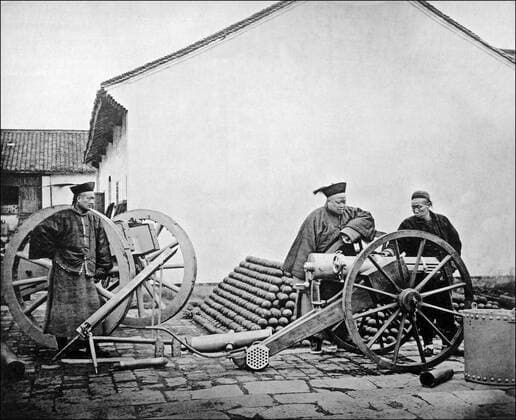
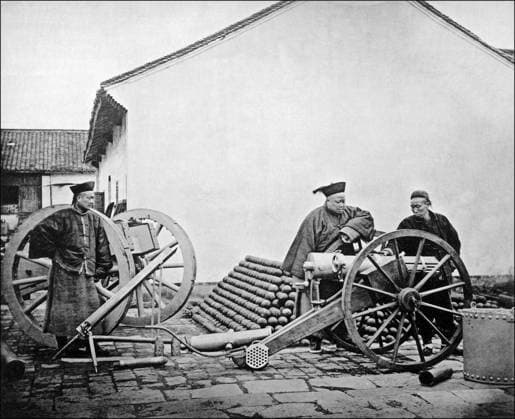
  • RECORD DATE NOT STATED China: Qing officers posing at the Nanjing Jinling Arsenal, built by Li Hongzhang in 1865 Li Hongzhang (Wade Giles: Li Hung-chang), Marquis Suyi of the First Class (February 15, 1823 November 7, 1901), was a Chinese civilian official who ended several major rebellions, and a leading statesman of the late Qing Empire. He served in important positions of the Imperial Court, once holding the office of the Viceroy of Zhili.<br ><br > Although he was best known in the West for his diplomatic negotiation skills, after the 1894 First Sino-Japanese War, Li became a symbol in China for late Qing-dynasty Chinese weakness vis-a-vis foreign powers. His image in China remains largely controversial, with criticism on one hand for his lack of polit Copyright: xxPicturesxFromxHistoryx
    RECORD DATE NOT STATED China: Qing officers posing at the Nanjing Jinling Arsenal, built by Li Hongzhang in 1865 Li Hongzhang (Wade Giles: Li Hung-chang), Marquis Suyi of the First Class (February 15, 1823 November 7, 1901), was a Chinese civilian official who ended several major rebellions, and a leading statesman of the late Qing Empire. He served in important positions of the Imperial Court, once holding the office of the Viceroy of Zhili.<br ><br > Although he was best known in the West for his diplomatic negotiation skills, after the 1894 First Sino-Japanese War, Li became a symbol in China for late Qing-dynasty Chinese weakness vis-a-vis foreign powers. His image in China remains largely controversial, with criticism on one hand for his lack of polit Copyright: xxPicturesxFromxHistoryx
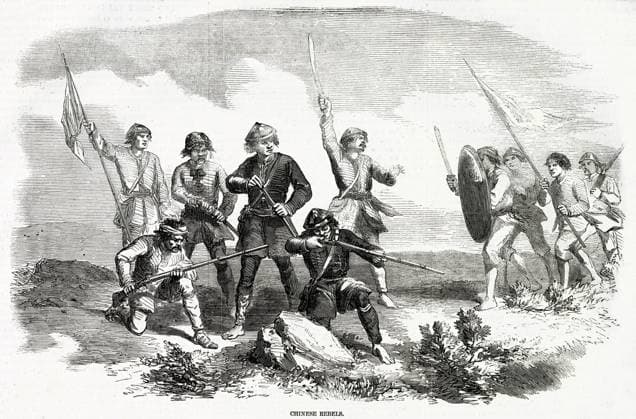
  • RECORD DATE NOT STATED Taiping rebels during the Rebllion 1857 Taiping rebels during the Taiping rebelloin which lasted from 1850 to 1864. A civil war rebelling against the Manchu-led Qing Dynasty Date: 1857  Copyright: Gemini Picture No. 10003324

    RECORD DATE NOT STATED Taiping rebels during the Rebllion 1857 Taiping rebels during the Taiping rebelloin which lasted from 1850 to 1864. A civil war rebelling against the Manchu-led Qing Dynasty Date: 1857 Copyright: Gemini Picture No. 10003324

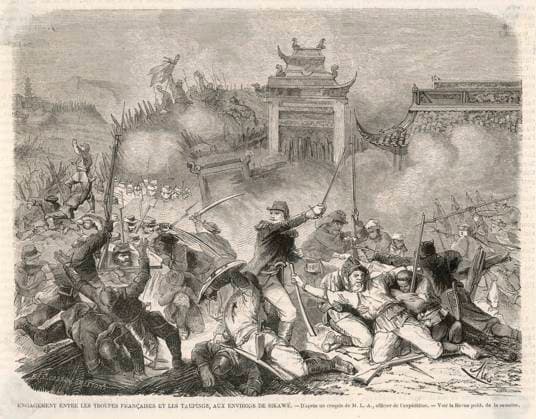
  • Taeping Rebellion 1862 Taeping Rebellion in China - the French in action near Sikawe Date: 1862  Copyright: Copyrightx(c)Geminix2023.xCredit:xGemini 12001617

    Taeping Rebellion 1862 Taeping Rebellion in China - the French in action near Sikawe Date: 1862 Copyright: Copyrightx(c)Geminix2023.xCredit:xGemini 12001617

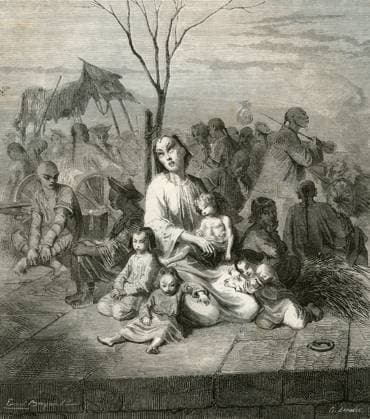
  • Chinese refugees in the English concession of Shanghai during the Taiping rebellion, China, illustration 1871

    Chinese refugees in the English concession of Shanghai during the Taiping rebellion, China, illustration 1871

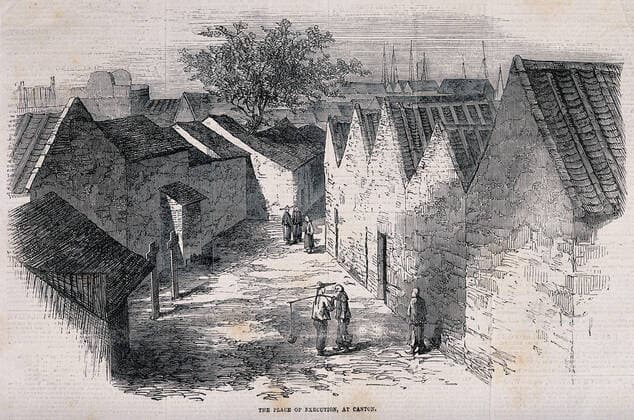
  • Taiping Rebellion, China: the place in Guangzhou where people were executed. Wood engraving after W.G. Dickson, 1855. Copyright: xpiemagsx

    Taiping Rebellion, China: the place in Guangzhou where people were executed. Wood engraving after W.G. Dickson, 1855. Copyright: xpiemagsx

  • Zeng Guofan (traditional Chinese: 曾aœ‹è— ; simplified Chinese: 曾a›½è— ; pinyin: ZÄ ng GuofÄ?n; Wade Giles: Tseng Kuo-fan, Styled Bohan 伯a‡½ and variably DishÄ ng æ»aç ü; Posthumous name: Wenzheng 文正; created Marquis Yiyong of the First Class ä¸Äç­‰æ¯Öa‹‡ä¾¯, ä¸–è¥²ç½ æ›¿) (November 21, 1811 March 12, 1872) was an eminent Han Chinese official, military general, and devout Confucian scholar of the late Qing Dynasty in China.<br ><br > Zeng raised the Xiang Army to fight effectively against the Taiping Rebellion and restored the stability of Qing Dynasty along with other prominent figures, including Zuo Zongtang and Li Hongzhang, setting the scene for the era later known as the Tongzhi Restoration (a?a治中aÖ ). 1 He xSupplier:xCPAxMediaxCo.xLtd.x Copyright: xx

    Zeng Guofan (traditional Chinese: 曾aœ‹è— ; simplified Chinese: 曾a›½è— ; pinyin: ZÄ ng GuofÄ?n; Wade Giles: Tseng Kuo-fan, Styled Bohan 伯a‡½ and variably DishÄ ng æ»aç ü; Posthumous name: Wenzheng 文正; created Marquis Yiyong of the First Class ä¸Äç­‰æ¯Öa‹‡ä¾¯, ä¸–è¥²ç½ æ›¿) (November 21, 1811 March 12, 1872) was an eminent Han Chinese official, military general, and devout Confucian scholar of the late Qing Dynasty in China.<br ><br > Zeng raised the Xiang Army to fight effectively against the Taiping Rebellion and restored the stability of Qing Dynasty along with other prominent figures, including Zuo Zongtang and Li Hongzhang, setting the scene for the era later known as the Tongzhi Restoration (a?a治中aÖ ). 1 He xSupplier:xCPAxMediaxCo.xLtd.x Copyright: xx

  • Li Hongzhang or Li Hung-chang (simplified Chinese: æ?Žé¸¿ç« ; traditional Chinese: æ?Žé »ç« ; pinyin: LÇ? HongzhÄ?ng), Marquis Suyi of the First Class (Chinese: ä¸Äç­‰è‚Öæ¯Ö侯, p YÄ«dÄ›ng Sù Yì Hou), GCVO, (February 15, 1823 November 7, 1901) was a leading statesman of the late Qing Empire. He quelled several major rebellions and served in important positions of the Imperial Court, including the premier viceroyalty of Zhili.<br ><br > Although he was best known in the West for his generally pro-modern stance and importance as a negotiator, Li antagonized the British with his support of Russia as a foil against Japanese expansionism in Manchuria and fell from favor with the Chinese after their loss in the 1894 Sino-Japanese War. H xSupplier:xCPAxMediaxCo.xLtd.x Copyright: xx

    Li Hongzhang or Li Hung-chang (simplified Chinese: æ?Žé¸¿ç« ; traditional Chinese: æ?Žé »ç« ; pinyin: LÇ? HongzhÄ?ng), Marquis Suyi of the First Class (Chinese: ä¸Äç­‰è‚Öæ¯Ö侯, p YÄ«dÄ›ng Sù Yì Hou), GCVO, (February 15, 1823 November 7, 1901) was a leading statesman of the late Qing Empire. He quelled several major rebellions and served in important positions of the Imperial Court, including the premier viceroyalty of Zhili.<br ><br > Although he was best known in the West for his generally pro-modern stance and importance as a negotiator, Li antagonized the British with his support of Russia as a foil against Japanese expansionism in Manchuria and fell from favor with the Chinese after their loss in the 1894 Sino-Japanese War. H xSupplier:xCPAxMediaxCo.xLtd.x Copyright: xx

  • The Taiping Rebellion was a widespread civil war in southern China from 1850 to 1864, led by heterodox Christian convert Hong Xiuquan, who, having received visions, maintained that he was the younger brother of Jesus Christ, against the ruling Manchu-led Qing Dynasty. About 20 million people died, mainly civilians, in one of the deadliest military conflicts in history.<br ><br > Hong established the Taiping Heavenly Kingdom with its capital at Nanjing. The Kingdom s army controlled large parts of southern China, at its height containing about 30 million people. The rebels attempted social reforms believing in shared property in common and the replacement of Confucianism, Buddhism and Chinese folk religion with a form of Christianity.<br xSupplier:xCPAxMediaxCo.xLtd.x Copyright: xx

    The Taiping Rebellion was a widespread civil war in southern China from 1850 to 1864, led by heterodox Christian convert Hong Xiuquan, who, having received visions, maintained that he was the younger brother of Jesus Christ, against the ruling Manchu-led Qing Dynasty. About 20 million people died, mainly civilians, in one of the deadliest military conflicts in history.<br ><br > Hong established the Taiping Heavenly Kingdom with its capital at Nanjing. The Kingdom s army controlled large parts of southern China, at its height containing about 30 million people. The rebels attempted social reforms believing in shared property in common and the replacement of Confucianism, Buddhism and Chinese folk religion with a form of Christianity.<br xSupplier:xCPAxMediaxCo.xLtd.x Copyright: xx

  • The Taiping Rebellion was a widespread civil war in southern China from 1850 to 1864, led by heterodox Christian convert Hong Xiuquan, who, having received visions, maintained that he was the younger brother of Jesus Christ, against the ruling Manchu-led Qing Dynasty. About 20 million people died, mainly civilians, in one of the deadliest military conflicts in history.<br ><br > Hong established the Taiping Heavenly Kingdom with its capital at Nanjing. The Kingdom s army controlled large parts of southern China, at its height containing about 30 million people. The rebels attempted social reforms believing in shared property in common and the replacement of Confucianism, Buddhism and Chinese folk religion with a form of Christianity.<br xSupplier:xCPAxMediaxCo.xLtd.x Copyright: xx

    The Taiping Rebellion was a widespread civil war in southern China from 1850 to 1864, led by heterodox Christian convert Hong Xiuquan, who, having received visions, maintained that he was the younger brother of Jesus Christ, against the ruling Manchu-led Qing Dynasty. About 20 million people died, mainly civilians, in one of the deadliest military conflicts in history.<br ><br > Hong established the Taiping Heavenly Kingdom with its capital at Nanjing. The Kingdom s army controlled large parts of southern China, at its height containing about 30 million people. The rebels attempted social reforms believing in shared property in common and the replacement of Confucianism, Buddhism and Chinese folk religion with a form of Christianity.<br xSupplier:xCPAxMediaxCo.xLtd.x Copyright: xx

  • Li Hongzhang (Wade Giles: Li Hung-chang), Marquis Suyi of the First Class (February 15, 1823 November 7, 1901), was a Chinese civilian official who ended several major rebellions, and a leading statesman of the late Qing Empire. He served in important positions of the Imperial Court, once holding the office of the Viceroy of Zhili.<br ><br > Although he was best known in the West for his diplomatic negotiation skills, after the 1894 First Sino-Japanese War, Li became a symbol in China for late Qing-dynasty Chinese weakness vis-a-vis foreign powers. His image in China remains largely controversial, with criticism on one hand for his lack of political insight and failure to win a single external military campaign against foreign powers xSupplier:xCPAxMediaxCo.xLtd.x Copyright: xx

    Li Hongzhang (Wade Giles: Li Hung-chang), Marquis Suyi of the First Class (February 15, 1823 November 7, 1901), was a Chinese civilian official who ended several major rebellions, and a leading statesman of the late Qing Empire. He served in important positions of the Imperial Court, once holding the office of the Viceroy of Zhili.<br ><br > Although he was best known in the West for his diplomatic negotiation skills, after the 1894 First Sino-Japanese War, Li became a symbol in China for late Qing-dynasty Chinese weakness vis-a-vis foreign powers. His image in China remains largely controversial, with criticism on one hand for his lack of political insight and failure to win a single external military campaign against foreign powers xSupplier:xCPAxMediaxCo.xLtd.x Copyright: xx

  • Painting of the Tianjing Incident also known as the Taiping rebellion. The painting depicts the Chinese Imperial Troops attacking the Taiping Rebels. Dated 1853 WHA  !ACHTUNG AUFNAHMEDATUM GESCHÄTZT! Copyright: WHA UnitedArchivesWHA_057_0665

    Painting of the Tianjing Incident also known as the Taiping rebellion. The painting depicts the Chinese Imperial Troops attacking the Taiping Rebels. Dated 1853 WHA !ACHTUNG AUFNAHMEDATUM GESCHÄTZT! Copyright: WHA UnitedArchivesWHA_057_0665

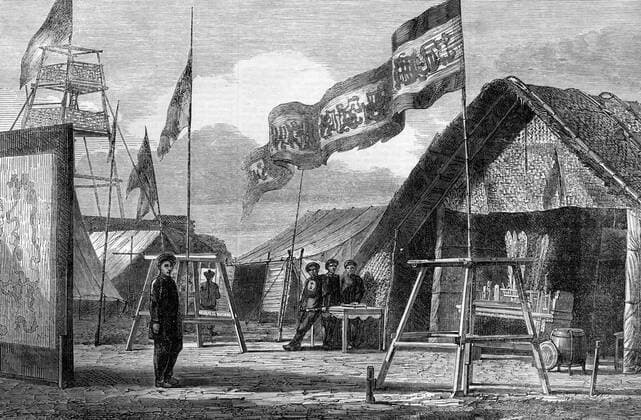
  • The Taeping Rebellion In China . Entrance to Ching - Wang s tent , Soo - Chow . 12 March 1864 UnitedArchives00414552

    The Taeping Rebellion In China . Entrance to Ching - Wang s tent , Soo - Chow . 12 March 1864 UnitedArchives00414552

  • The Taeping Rebellion In China . Interior of the Walls of Soo - Chow . 12 March 1864 UnitedArchives00414551

    The Taeping Rebellion In China . Interior of the Walls of Soo - Chow . 12 March 1864 UnitedArchives00414551

  • The Taeping Rebellion In China . Outside of the stockade where the Wang was beheaded . 12 March 1864 UnitedArchives00414549

    The Taeping Rebellion In China . Outside of the stockade where the Wang was beheaded . 12 March 1864 UnitedArchives00414549

Collections