EditorialCreativeSportsCollectionsVideos
Prices
0Log in

Visual content for professionals.
800M+ images and videos.

Content Hub

  • Current Events
  • Pictures of the Year
  • Sports
  • Editorial
  • Creative
  • Collections
  • Videos

Offers

  • Prices & Packages
  • Promotions
  • Enterprise
  • Newsletter
  • Blog
  • The Game Magazine

Services

  • Content Research
  • Contract Photography
  • API & FTP Push
  • my-picturemaxx
  • Become a Partner

Company

  • About IMAGO
  • Careers
  • News

Help Center

  • FAQ
  • Contact Us
Legal NoticeTerms & ConditionsLicense InformationData PrivacyPrivacy Settings
© 2026 IMAGO
CEPICBAPLABVPA
Back to collections

IMAGO International History, Archive, Second Sino-Japanese War 1937-1945

Jan 14, 2026

The following photos have been selected for you by the IMAGO picture desk on this topic. For more pictures please use the search function.
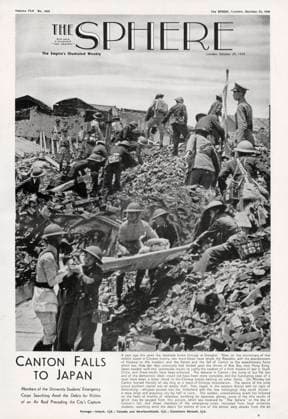
  • RECORD DATE NOT STATED Sphere cover - Canton falls to Japan Members of the University Students Emergency Corps searching amid the debris for victims of an air raid preceding the city s capture during the second Sino-Japanese War. Date: 1938  Copyright: Copyrightx(c)Geminix2023.xCredit:xGemini 14032168
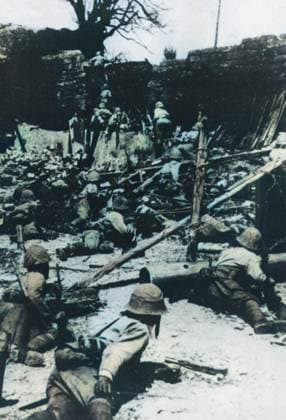
  • RECORD DATE NOT STATED Japanese attack Chungking Japanese troops launch an attack on Chungking (Chongqing) during the Second Sino-Japanese War. From the end of 1938 Chungking became the base and provisional capital of Chiang Kai-Shek s KMT. Despite much aerial bombardment and attempts to take the city, it stood firm until the end of the war. Colourised version of: 10652720 Date: 1937-1945  Copyright: Copyrightx(c)Geminix2023.xCredit:xGemini 13993891
  • RECORD DATE NOT STATED Japanese attack Chungking Japanese troops launch an attack on Chungking (Chongqing) during the Second Sino-Japanese War. From the end of 1938 Chungking became the base and provisional capital of Chiang Kai-Shek s KMT. Despite much aerial bombardment and attempts to take the city, it stood firm until the end of the war. Date: 1937-1945  Copyright: Copyrightx(c)Geminix2023.xCredit:xGemini 10652720
  • RECORD DATE NOT STATED Young Japanese officers Newly promoted Japanese officers on parade during the Second Sino-Japanese War Date: 1937  Copyright: Copyrightx(c)Geminix2023.xCredit:xGemini 10652709
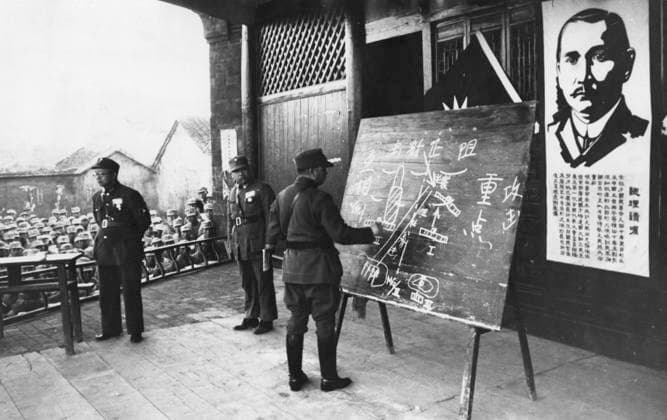
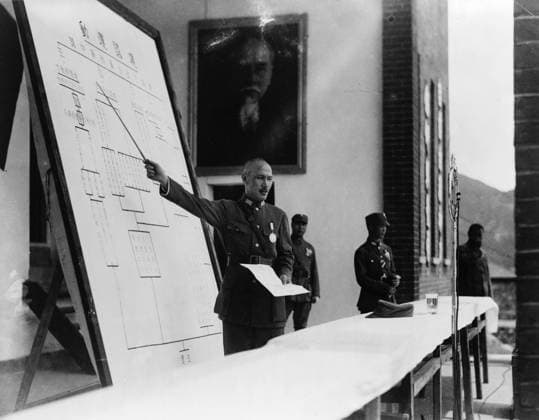
  • RECORD DATE NOT STATED Sino-Japanese War During the Second Sino-Japanese War, a Chinese officer lectures to military students with the aid of a diagram on a blackboard. In the background is a portrait of Sun Yat -Sen, founding father of the Republic of China. Date: 1937-1945  Copyright: Copyrightx(c)Geminix2023.xCredit:xGemini 10652470
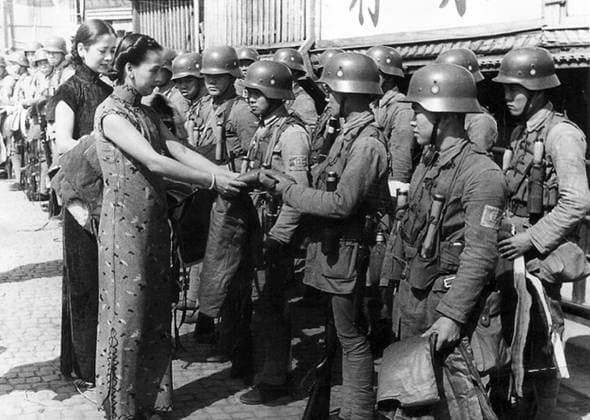
  • China: Women give thanks to Chinese Nationalist soldiers who held out for days against the besieging Imperial Japanese Army after evacuation of the Chapei, Battle of Shanghai, 1937 The Second Sino-Japanese War (July 7, 1937 September 9, 1945) was a military conflict fought primarily between the Republic of China and the Empire of Japan. After the Japanese attack on Pearl Harbor, the war merged into the greater conflict of World War II as a major front of what is broadly known as the Pacific War.<br ><br > Although the two countries had fought intermittently since 1931, total war started in earnest in 1937 and ended only with the surrender of Japan in 1945. The war was the result of a decades-long Japanese imperialist policy aiming to d Copyright: xxPicturesxFromxHistoryx
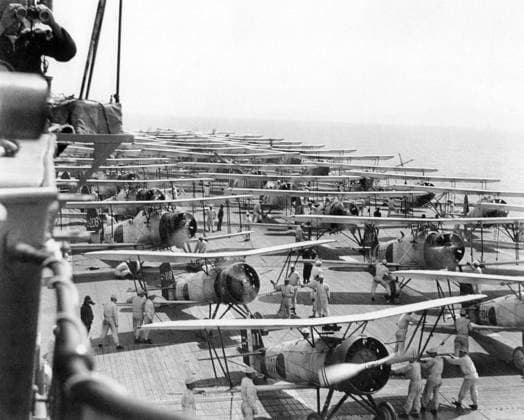
  • Japan: Imperial Japanese Navy aircraft carrier Kaga conducts air operations in 1937. On the deck are Mitsubishi B2M Type 89, Nakajima A2N Type 90, and Aichi D1A1 Type 94 aircraft, 11 May 1937 Kaga was an aircraft carrier built for the Imperial Japanese Navy (IJN) and was named after the former Kaga Province in present-day Ishikawa Prefecture. Originally intended to be one of two Tosa-class battleships, Kaga was converted under the terms of the Washington Naval Treaty to an aircraft carrier as the replacement for the battlecruiser Amagi, which had been damaged during the 1923 Great Kanto earthquake. Kaga was rebuilt in 1933 35, increasing her top speed, improving her exhaust systems, and adapting her flight decks to more modern, heavier ai Copyright: xxPicturesxFromxHistoryx
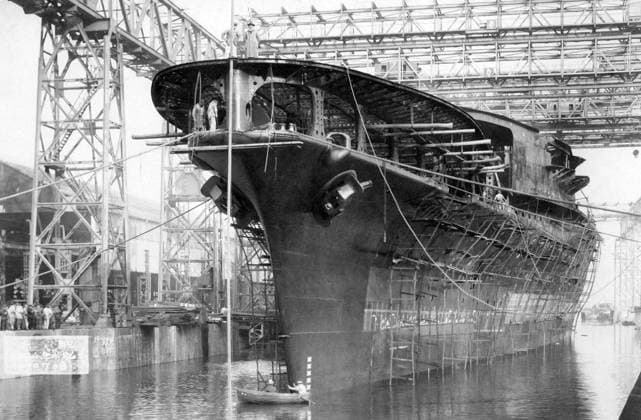
  • Japan: Imperial Japanese Navy aircraft carrier Akagi after its launch at the Kure naval shipyard, 6 April 1925 Akagi was an aircraft carrier built for the Imperial Japanese Navy (IJN), named after Mount Akagi in present-day Gunma Prefecture. Though she was laid down as an Amagi-class battlecruiser, Akagi was converted to an aircraft carrier while still under construction to comply with the terms of the Washington Naval Treaty. The ship was rebuilt from 1935 to 1938 with her original three flight decks consolidated into a single enlarged flight deck and an island superstructure.<br ><br > Akagi s aircraft served in the Second Sino-Japanese War in the late 1930s. Upon the formation of the First Air Fleet or Kido Butai (Striking Force) in ear Copyright: xxPicturesxFromxHistoryx
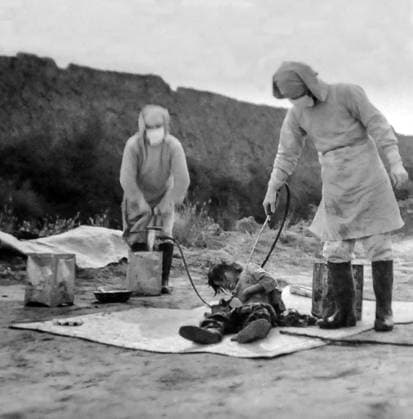
  • China: Japanese staff conducting an experiment on a live prisoner at Unit 731 in Northeast China (1937-1945) Unit 731 was a covert biological and chemical warfare research and development unit of the Imperial Japanese Army that undertook lethal human experimentation during the Second Sino-Japanese War (1937 1945) and World War II.<br ><br > It was responsible for some of the most notorious war crimes carried out by Japanese personnel. Unit 731 was the code name of an Imperial Japanese Army unit officially known as the Epidemic Prevention and Water Purification Department of the Kwantung Army. It was initially set up under the Kempeitai military police of the Empire of Japan to develop weapons of mass destruction for potential use against Copyright: xxPicturesxFromxHistoryx
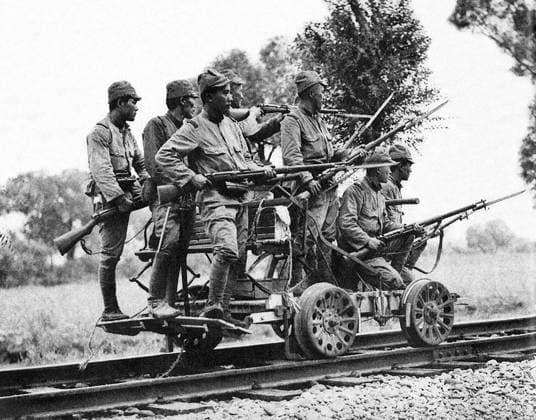
  • China Japan: Japanese Imperial Army soldiers with Arisaka Type 38 rifles on a railway hand cart, China, 1937. Asahigraph, September 1937 The Second Sino-Japanese War (July 7, 1937 September 9, 1945) was a military conflict fought primarily between the Republic of China and the Empire of Japan. After the Japanese attack on Pearl Harbor, the war merged into the greater conflict of World War II as a major front of what is broadly known as the Pacific War.<br ><br > Although the two countries had fought intermittently since 1931, total war started in earnest in 1937 and ended only with the surrender of Japan in 1945. The war was the result of a decades-long Japanese imperialist policy aiming to dominate China politically and militarily a Copyright: xxPicturesxFromxHistoryx
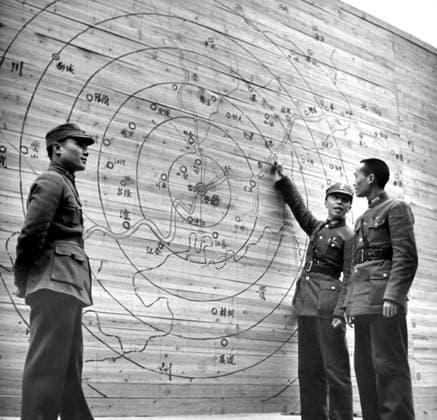
  • China: Chinese Nationalist Army officers study a map of Chongqing (Chungking) and the surrounding region during the Second Sino-Japanese War, Chongqing, March 1939 The Second Sino-Japanese War (July 7, 1937 September 9, 1945) was a military conflict fought primarily between the Republic of China and the Empire of Japan. After the Japanese attack on Pearl Harbor, the war merged into the greater conflict of World War II as a major front of what is broadly known as the Pacific War.<br ><br > Although the two countries had fought intermittently since 1931, total war started in earnest in 1937 and ended only with the surrender of Japan in 1945. The war was the result of a decades-long Japanese imperialist policy aiming to dominate China pol Copyright: xxPicturesxFromxHistoryx
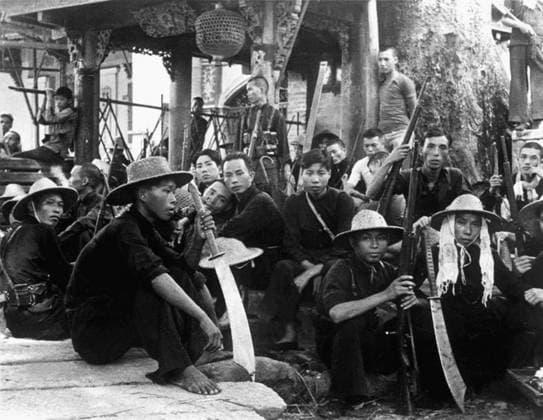
  • China: Anti-Japanese guerilla fighters armed with traditional dadao large swords , rural Guangzhou, February 1941 The Second Sino-Japanese War (July 7, 1937 September 9, 1945) was a military conflict fought primarily between the Republic of China and the Empire of Japan. After the Japanese attack on Pearl Harbor, the war merged into the greater conflict of World War II as a major front of what is broadly known as the Pacific War.<br ><br > Although the two countries had fought intermittently since 1931, total war started in earnest in 1937 and ended only with the surrender of Japan in 1945. The war was the result of a decades-long Japanese imperialist policy aiming to dominate China politically and militarily and to secure its vast ra Copyright: xxPicturesxFromxHistoryx
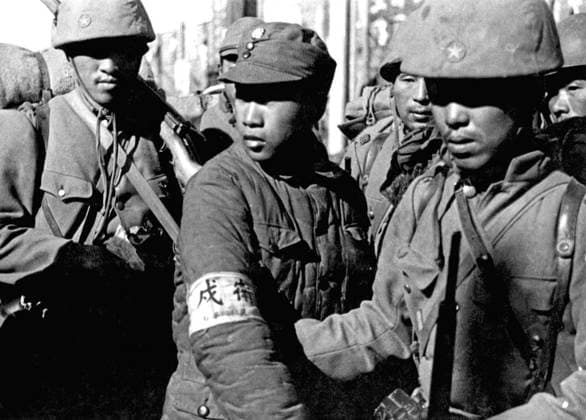
  • China Japan: Imperial Japanese soldiers flank a Chinese soldier captured at the Battle of Nanking (Nanjing) prior to his execution, December 1937 The Nanking Massacre or Nanjing Massacre, also known as the Rape of Nanking, is a mass murder and war rape that occurred during the six-week period following the Japanese capture of the city of Nanjing (Nanking), the former capital of the Republic of China, on December 13, 1937 during the Second Sino-Japanese War.<br ><br > During this period, hundreds of thousands of Chinese civilians and disarmed soldiers were murdered and 20,000 80,000 women were raped by soldiers of the Imperial Japanese Army. Copyright: xxPicturesxFromxHistoryx
  • China: A female officer addresses a squadron of Chinese partisans at the Zhejiang-Jiangxi border before heading off on a mission against the Japanese invaders, Xinzhou District, Jiangxi Province, October 1939 The Second Sino-Japanese War (July 7, 1937 September 9, 1945) was a military conflict fought primarily between the Republic of China and the Empire of Japan. After the Japanese attack on Pearl Harbor, the war merged into the greater conflict of World War II as a major front of what is broadly known as the Pacific War.<br ><br > Although the two countries had fought intermittently since 1931, total war started in earnest in 1937 and ended only with the surrender of Japan in 1945. The war was the result of a decades-long Japanese im Copyright: xxPicturesxFromxHistoryx
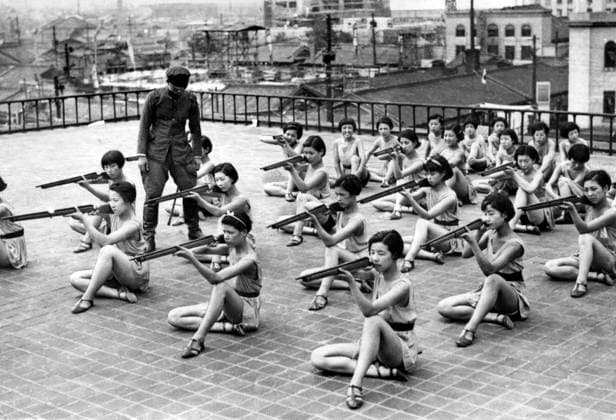
  • Japan: Japanese women rehearse a patriotic dance on a rooftop in Osaka during the Second Sino-Japanese War, July 1938 The Second Sino-Japanese War (July 7, 1937 September 9, 1945) was a military conflict fought primarily between the Republic of China and the Empire of Japan. After the Japanese attack on Pearl Harbor, the war merged into the greater conflict of World War II as a major front of what is broadly known as the Pacific War.<br ><br > Although the two countries had fought intermittently since 1931, total war started in earnest in 1937 and ended only with the surrender of Japan in 1945. The war was the result of a decades-long Japanese imperialist policy aiming to dominate China politically and militarily and to secure its vast Copyright: xxPicturesxFromxHistoryx
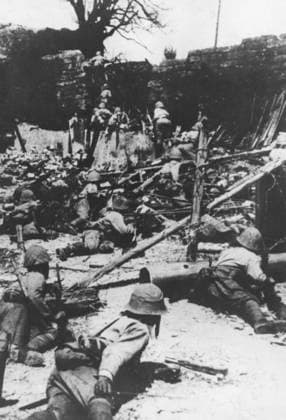
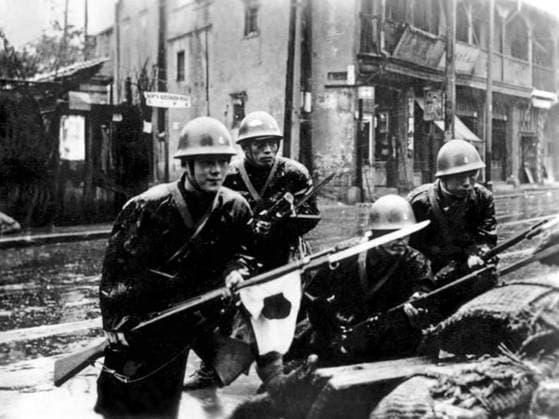
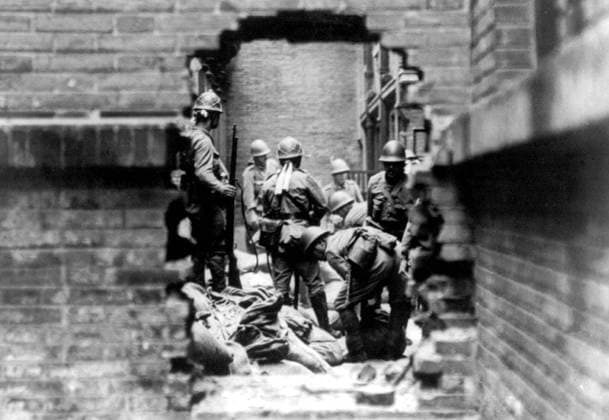
  • China Japan: Japanese Special Naval Landing Forces troops engage in street fighting during the Battle of Shanghai in heavy rain, August 1937 The Second Sino-Japanese War (July 7, 1937 September 9, 1945) was a military conflict fought primarily between the Republic of China and the Empire of Japan. After the Japanese attack on Pearl Harbor, the war merged into the greater conflict of World War II as a major front of what is broadly known as the Pacific War.<br ><br > Although the two countries had fought intermittently since 1931, total war started in earnest in 1937 and ended only with the surrender of Japan in 1945. The war was the result of a decades-long Japanese imperialist policy aiming to dominate China politically and militari Copyright: xxPicturesxFromxHistoryx
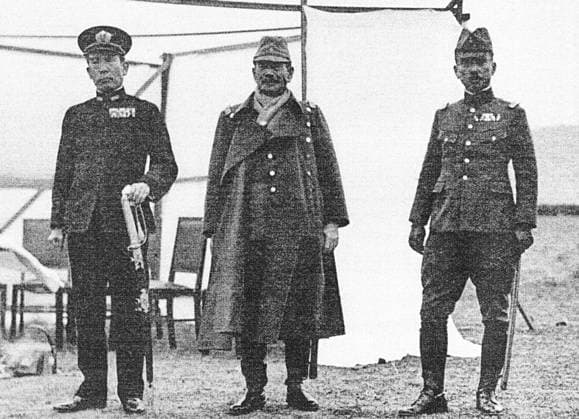
  • Japan China: Left to right, Japanese Admiral Kiyoshi Hasegawa, General Iwane Matsui, and Prince Yasuhiko of Asaka at a memorial for fallen Japanese soldiers in Nanjing, China, 18 Dec 1937 The Nanking Massacre or Nanjing Massacre, also known as the Rape of Nanking, is a mass murder and war rape that occurred during the six-week period following the Japanese capture of the city of Nanjing (Nanking), the former capital of the Republic of China, on December 13, 1937 during the Second Sino-Japanese War.<br ><br > During this period, hundreds of thousands of Chinese civilians and disarmed soldiers were murdered and 20,000 80,000 women were raped by soldiers of the Imperial Japanese Army. Copyright: xxPicturesxFromxHistoryx
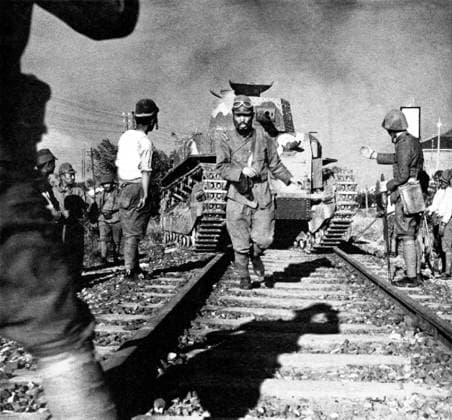
  • China: Imperial Japanese troops guiding a tank across the Shanghai-Nanking (Nanjing) railway line, 1937 The Second Sino-Japanese War (July 7, 1937 September 9, 1945) was a military conflict fought primarily between the Republic of China and the Empire of Japan. After the Japanese attack on Pearl Harbor, the war merged into the greater conflict of World War II as a major front of what is broadly known as the Pacific War.<br ><br > Although the two countries had fought intermittently since 1931, total war started in earnest in 1937 and ended only with the surrender of Japan in 1945. The war was the result of a decades-long Japanese imperialist policy aiming to dominate China politically and militarily and to secure its vast raw material Copyright: xxPicturesxFromxHistoryx
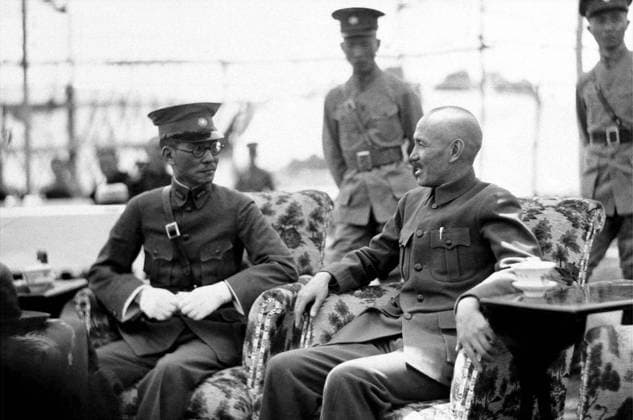
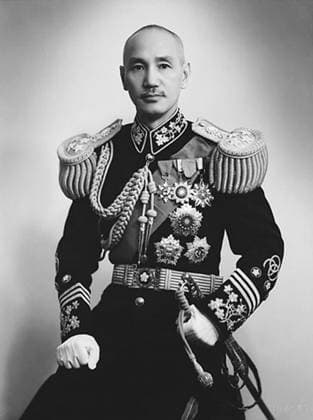
  • China: Generalissimo Chiang Kai-shek (right) head of the Nationalist (Kuomintang) Government, with General Long Yun (left), president of the Yunnan Provincial Government in Nanking, June 27, 1936 Chiang Kai-shek was an influential member of the nationalist party Kuomintang (KMT) and Sun Yat-sen s close ally. He became the Commandant of Kuomintang s Whampoa Military Academy and took Sun s place in the party when the latter died in 1925.<br ><br > In 1928, Chiang led the Northern Expedition to unify the country, becoming China s overall leader. He served as chairman of the National Military Council of the Nationalist Government of the Republic of China (ROC) from 1928 to 1948. Chiang led China in the Second Sino-Japanese War, during which th Copyright: xxPicturesxFromxHistoryx
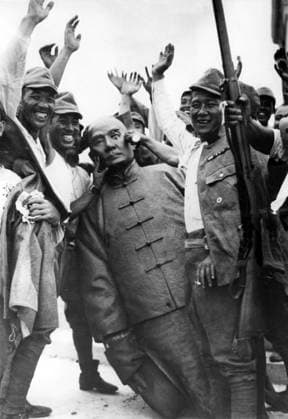
  • China: Victorious Imperial Japanese troops destroy a bronze statue of Sun Yat-sen, the Father of the Chinese Republic, during the Battle of Shanghai, 1937 The Second Sino-Japanese War (July 7, 1937 September 9, 1945) was a military conflict fought primarily between the Republic of China and the Empire of Japan. After the Japanese attack on Pearl Harbor, the war merged into the greater conflict of World War II as a major front of what is broadly known as the Pacific War.<br ><br > Although the two countries had fought intermittently since 1931, total war started in earnest in 1937 and ended only with the surrender of Japan in 1945. The war was the result of a decades-long Japanese imperialist policy aiming to dominate China politically Copyright: xxPicturesxFromxHistoryx
  • China: Imperial Japanese soldiers involved in street fighting during the Battle of Shanghai (August 13 - Nov 26, 1937) pause to examine a dead Chinese soldier. The Second Sino-Japanese War (July 7, 1937 September 9, 1945) was a military conflict fought primarily between the Republic of China and the Empire of Japan. After the Japanese attack on Pearl Harbor, the war merged into the greater conflict of World War II as a major front of what is broadly known as the Pacific War.<br ><br > Although the two countries had fought intermittently since 1931, total war started in earnest in 1937 and ended only with the surrender of Japan in 1945. The war was the result of a decades-long Japanese imperialist policy aiming to dominate China politic Copyright: xxPicturesxFromxHistoryx
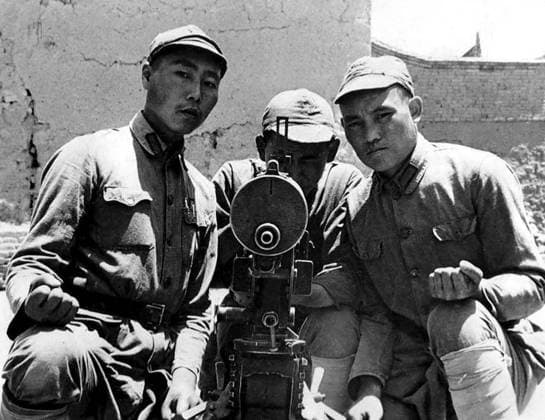
  • China: Machine gun unit of the Chinese Communist armed forces, 1942 The People s Liberation Army was founded on 1 August 1927 during the Nanchang Uprising when troops of the Kuomintang (KMT) rebelled under the leadership of Zhu De, He Long, Ye Jianying and Zhou Enlai shortly after the end of the first Kuomintang Communist alliance. They were then known as the Chinese Workers and Peasants Red Army (simplified Chinese: 中a›½a·¥aܜ红aÜ›; traditional Chinese: 中aœ‹a·¥è¾²ç Ö軍; pinyin: Zhōngguo Gōngnong hongjÅ«n), or simply the Red Army. Between 1934 and 1935, the Red Army survived several campaigns led against it by Generalissimo Chiang Kai-Shek and engaged in the Long March.<br ><br > During the Second Sino-Japanese War from 1937 Copyright: xxPicturesxFromxHistoryx
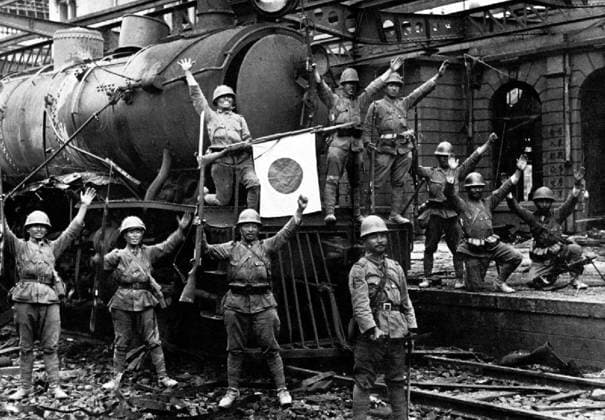
  • China Japan: Japanese Imperial Army troops celebrate the capture of Hankow (Hankou), 1938 The Second Sino-Japanese War (July 7, 1937 September 9, 1945) was a military conflict fought primarily between the Republic of China and the Empire of Japan. After the Japanese attack on Pearl Harbor, the war merged into the greater conflict of World War II as a major front of what is broadly known as the Pacific War.<br ><br > Although the two countries had fought intermittently since 1931, total war started in earnest in 1937 and ended only with the surrender of Japan in 1945. The war was the result of a decades-long Japanese imperialist policy aiming to dominate China politically and militarily and to secure its vast raw material reserves and Copyright: xxPicturesxFromxHistoryx
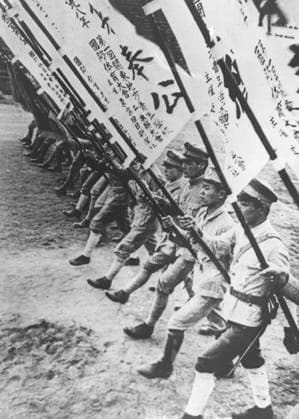
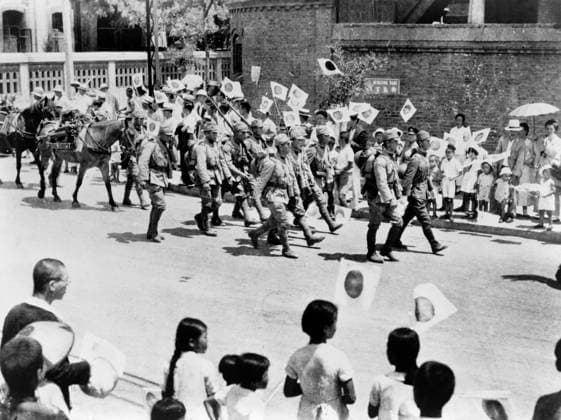
  • SECOND SINO-JAPANESE WAR. Japanese residents of Beijing waving flags at marching Japanese troops, during the Second Sino-Japanese War. Photograph, 1937.  Copyright: xGRANGERx xGRANGERx 0643845
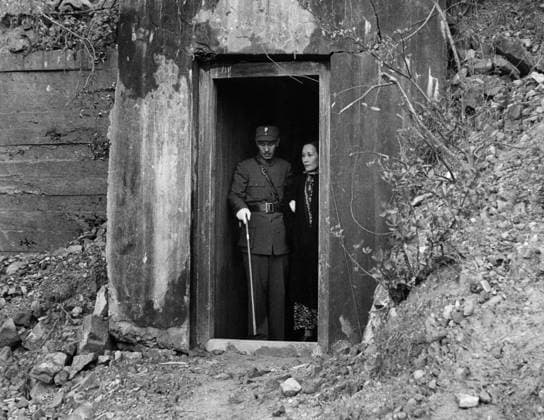
  • CHIANG KAI-SHEK (1887-1975). Chinese general and politician. With his wife, Soong May-Ling in the doorway of their shelter during the bombing of Chongqing, China, during the Second Sino-Japanese War, 1938-1943.  Copyright: xGRANGERx xGRANGERx 0640082
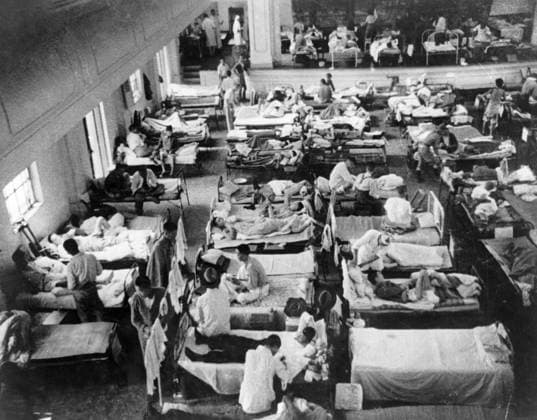
  • WWII: CHINESE HOSPITAL. A converted school auditorium being used as a hospital during the Second Sino-Japanese War. Photograph, c1943.  Copyright: xGRANGERx xGRANGERx 0623308
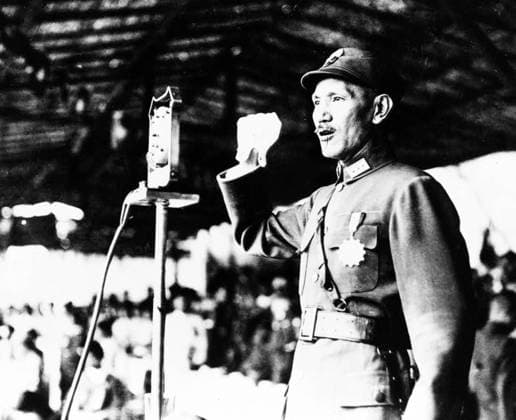
  • CHIANG KAI-SHEK (1887-1975). Chinese general and politician. As Generalissimo of the Republic of China during the Second Sino-Japanese War, issuing a lecture to officers in training. Photograph, c1940.  Copyright: xGRANGERx xGRANGERx 0622299
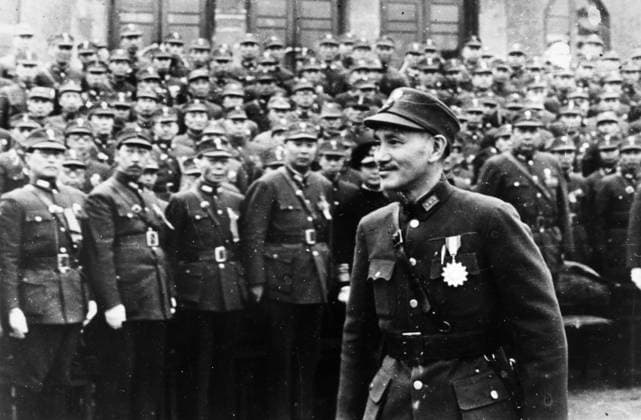
  • CHIANG KAI-SHEK (1887-1975). Chinese general and politician. Photographed while reviewing Chinese troops during World War II, c1943.  Copyright: xGRANGERx xGRANGERx 0121287
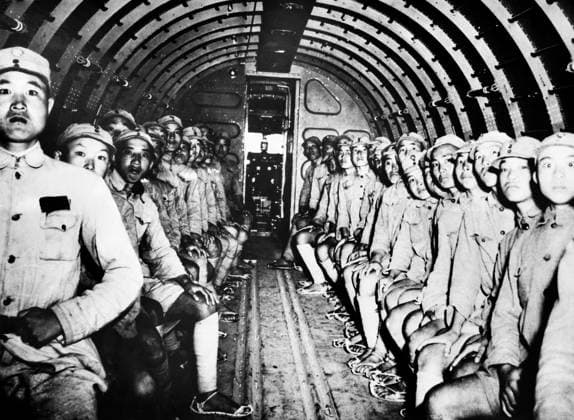
  • CHINESE SOLDIERS, c1940. Chinese soldiers on troop transport aircraft. Photographed c1940.  Copyright: xGRANGERx xGRANGERx 0109996
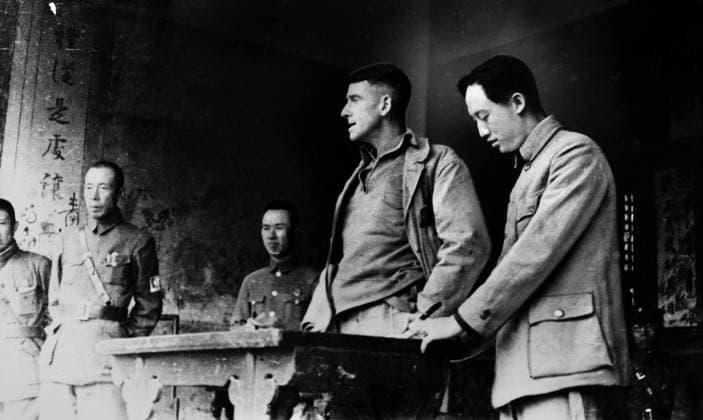
  • EVANS F. CARLSON (1896-1947). Carlson, a U.S. Marine Corps Brigadier General, meeting with leaders of the Chinese Eighth Army during the Sino-Japanese War. Photographed 29 December 1938.  Copyright: xGRANGERx xGRANGERx 0109910
  • China: General Chiang Kai-shek (1887-1985) as President of the Republic of China (1948-1975). Chiang Kai-shek (October 31, 1887 April 5, 1975) was a political and military leader of 20th century China. He is known as JiÇŽng Jieshi or JiÇŽng Zhōngzheng in Mandarin. Chiang was an influential member of the Nationalist Party, the Kuomintang (KMT), and was a close ally of Sun Yat-sen. He became the Commandant of the Kuomintang s Whampoa Military Academy, and took Sun s place as leader of the KMT when Sun died in 1925. In 1926, Chiang led the Northern Expedition to unify the country, becoming China s nominal leader. He served as Chairman of the National Military Council of the Nationalist government of the Republic of China (ROC) from 192 Copyright: xxPicturesxFromxHistoryx
  • China: General Chiang Kai-shek addressing officer training corps at Hankou, 1940. Chiang Kai-shek (October 31, 1887 April 5, 1975) was a political and military leader of 20th century China. He is known as JiÇŽng Jieshi or JiÇŽng Zhōngzheng in Mandarin. Chiang was an influential member of the Nationalist Party, the Kuomintang (KMT), and was a close ally of Sun Yat-sen. He became the Commandant of the Kuomintang s Whampoa Military Academy, and took Sun s place as leader of the KMT when Sun died in 1925. In 1926, Chiang led the Northern Expedition to unify the country, becoming China s nominal leader. He served as Chairman of the National Military Council of the Nationalist government of the Republic of China (ROC) from 1928 to 1948. C Copyright: xxPicturesxFromxHistoryx
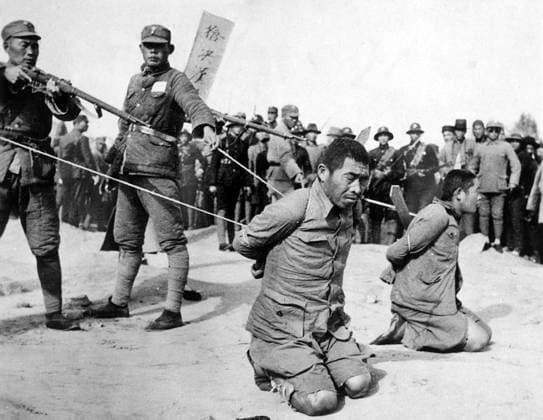
  • China: Execution of Chinese collaborators by Nationalist troops, Shanghai, 1937. The Second Sino-Japanese War (July 7, 1937 September 9, 1945) was a military conflict fought primarily between the Republic of China and the Empire of Japan. After the Japanese attack on Pearl Harbor, the war merged into the greater conflict of World War II as a major front of what is broadly known as the Pacific War. Although the two countries had fought intermittently since 1931, total war started in earnest in 1937 and ended only with the surrender of Japan in 1945.<br ><br > The war was the result of a decades-long Japanese imperialist policy aiming to dominate China politically and militarily and to secure its vast raw material reserves and other econ Copyright: xxPicturesxFromxHistoryx
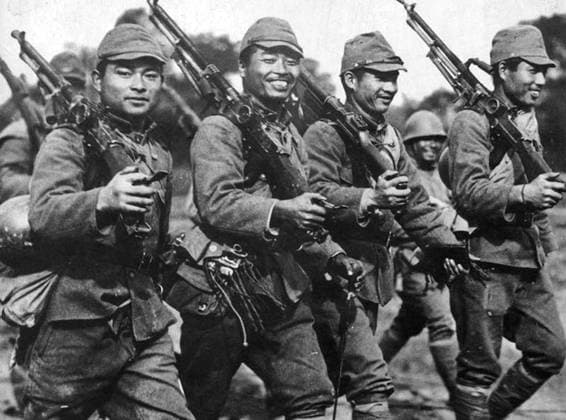
  • China: Second Sino-Japanese War (1937-1945). Smiling Japanese troops, 1937. The Second Sino-Japanese War (July 7, 1937 September 9, 1945) was a military conflict fought primarily between the Republic of China and the Empire of Japan. After the Japanese attack on Pearl Harbor, the war merged into the greater conflict of World War II as a major front of what is broadly known as the Pacific War. Although the two countries had fought intermittently since 1931, total war started in earnest in 1937 and ended only with the surrender of Japan in 1945.<br ><br > The war was the result of a decades-long Japanese imperialist policy aiming to dominate China politically and militarily and to secure its vast raw material reserves and other economic Copyright: xxPicturesxFromxHistoryx
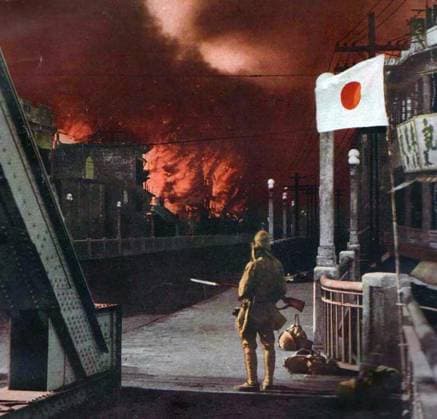
  • China: Second Sino-Japanese War (1937-1945). Shanghai suburbs ablaze as a Japanese soldier looks on. The Second Sino-Japanese War (July 7, 1937 September 9, 1945) was a military conflict fought primarily between the Republic of China and the Empire of Japan. After the Japanese attack on Pearl Harbor, the war merged into the greater conflict of World War II as a major front of what is broadly known as the Pacific War. Although the two countries had fought intermittently since 1931, total war started in earnest in 1937 and ended only with the surrender of Japan in 1945.<br ><br > The war was the result of a decades-long Japanese imperialist policy aiming to dominate China politically and militarily and to secure its vast raw material res Copyright: xxPicturesxFromxHistoryx
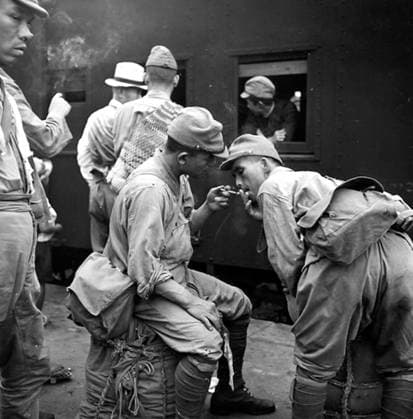
  • China: Second Sino-Japanese War (1937-1945). Japanese troops waiting for a troop train to depart. The Second Sino-Japanese War (July 7, 1937 September 9, 1945) was a military conflict fought primarily between the Republic of China and the Empire of Japan. After the Japanese attack on Pearl Harbor, the war merged into the greater conflict of World War II as a major front of what is broadly known as the Pacific War. Although the two countries had fought intermittently since 1931, total war started in earnest in 1937 and ended only with the surrender of Japan in 1945.<br ><br > The war was the result of a decades-long Japanese imperialist policy aiming to dominate China politically and militarily and to secure its vast raw material reserv Copyright: xxPicturesxFromxHistoryx
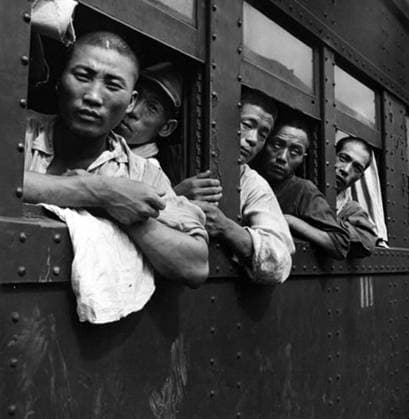
  • China: Second Sino-Japanese War (1937-1945). Japanese troops on a troop train in north China. The Second Sino-Japanese War (July 7, 1937 September 9, 1945) was a military conflict fought primarily between the Republic of China and the Empire of Japan. After the Japanese attack on Pearl Harbor, the war merged into the greater conflict of World War II as a major front of what is broadly known as the Pacific War. Although the two countries had fought intermittently since 1931, total war started in earnest in 1937 and ended only with the surrender of Japan in 1945.<br ><br > The war was the result of a decades-long Japanese imperialist policy aiming to dominate China politically and militarily and to secure its vast raw material reserves a Copyright: xxPicturesxFromxHistoryx
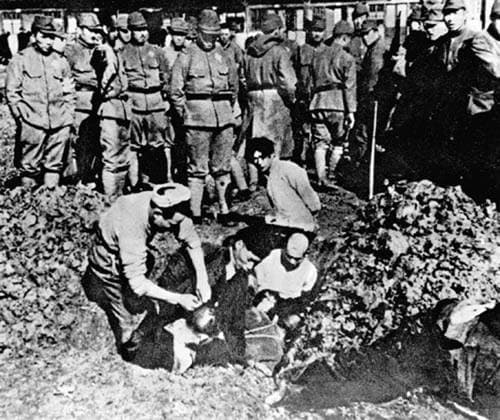
  • China: Rape of Nanking - Japanese soldiers burying Chinese victims alive. The Nanking Massacre or Nanjing Massacre, also known as the Rape of Nanking, is a mass murder and war rape that occurred during the six-week period following the Japanese capture of the city of Nanjing (Nanking), the former capital of the Republic of China, on December 13, 1937 during the Second Sino-Japanese War. During this period, hundreds of thousands of Chinese civilians and disarmed soldiers were murdered and 20,000 80,000 women were raped by soldiers of the Imperial Japanese Army. Copyright: xxPicturesxFromxHistoryx
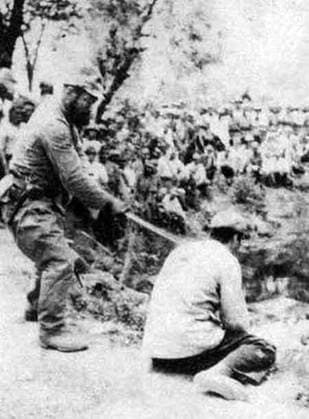
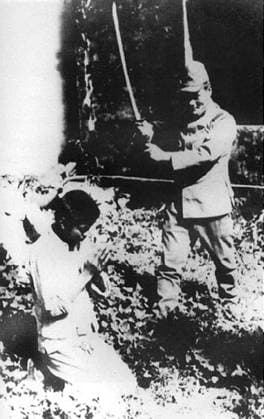
  • China: Rape of Nanking - Japanese soldier beheading Chinese victim. The Nanking Massacre or Nanjing Massacre, also known as the Rape of Nanking, is a mass murder and war rape that occurred during the six-week period following the Japanese capture of the city of Nanjing (Nanking), the former capital of the Republic of China, on December 13, 1937 during the Second Sino-Japanese War. During this period, hundreds of thousands of Chinese civilians and disarmed soldiers were murdered and 20,000 80,000 women were raped by soldiers of the Imperial Japanese Army. Copyright: xxPicturesxFromxHistoryx
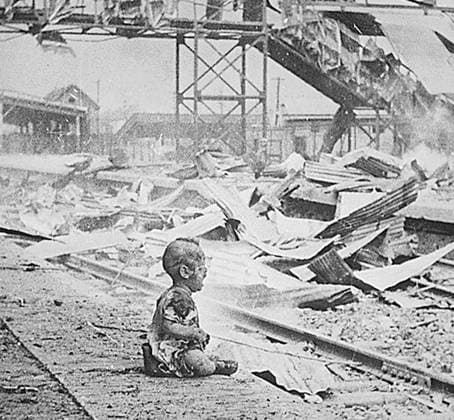
  • China: A terrified Chinese baby, one of the last humans left alive after intense bombing during the Japanese attack on Shanghai s South Station. August 1937. The Second Sino-Japanese War (July 7, 1937 September 9, 1945) was a military conflict fought primarily between the Republic of China and the Empire of Japan. After the Japanese attack on Pearl Harbor, the war merged into the greater conflict of World War II as a major front of what is broadly known as the Pacific War. Although the two countries had fought intermittently since 1931, total war started in earnest in 1937 and ended only with the surrender of Japan in 1945.<br ><br > The war was the result of a decades-long Japanese imperialist policy aiming to dominate China political Copyright: xxPicturesxFromxHistoryx
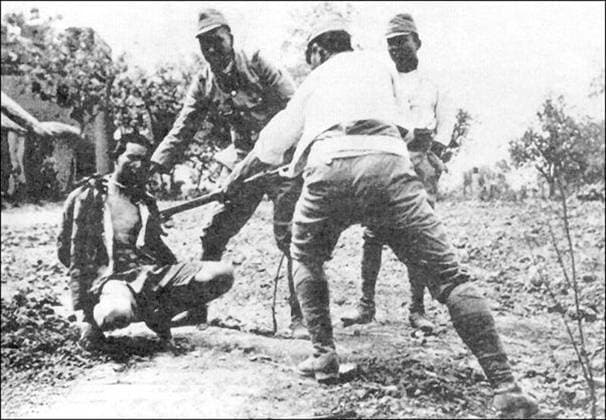
  • China: Rape of Nanking - Japanese soldiers bayoneting bound Chinese victim. The Nanking Massacre or Nanjing Massacre, also known as the Rape of Nanking, is a mass murder and war rape that occurred during the six-week period following the Japanese capture of the city of Nanjing (Nanking), the former capital of the Republic of China, on December 13, 1937 during the Second Sino-Japanese War. During this period, hundreds of thousands of Chinese civilians and disarmed soldiers were murdered and 20,000 80,000 women were raped by soldiers of the Imperial Japanese Army. Copyright: xxPicturesxFromxHistoryx
  • China: Rape of Nanking - Japanese soldier beheading Chinese victim. The Nanking Massacre or Nanjing Massacre, also known as the Rape of Nanking, is a mass murder and war rape that occurred during the six-week period following the Japanese capture of the city of Nanjing (Nanking), the former capital of the Republic of China, on December 13, 1937 during the Second Sino-Japanese War. During this period, hundreds of thousands of Chinese civilians and disarmed soldiers were murdered and 20,000 80,000 women were raped by soldiers of the Imperial Japanese Army. Copyright: xxPicturesxFromxHistoryx
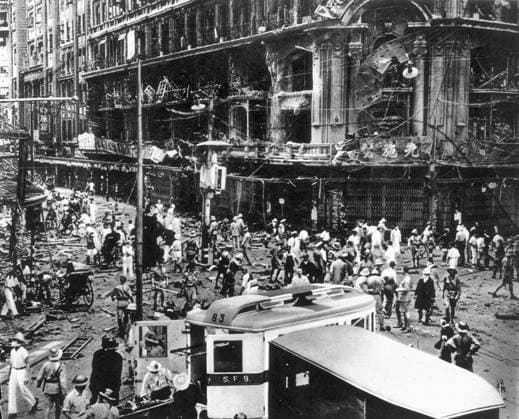
  • CHINA: JAPANESE INVASION. The scene in Shanghai after a bomb wrecked the Sincere department store, August 1937.  Copyright: xGRANGERx xGRANGERx 0065090
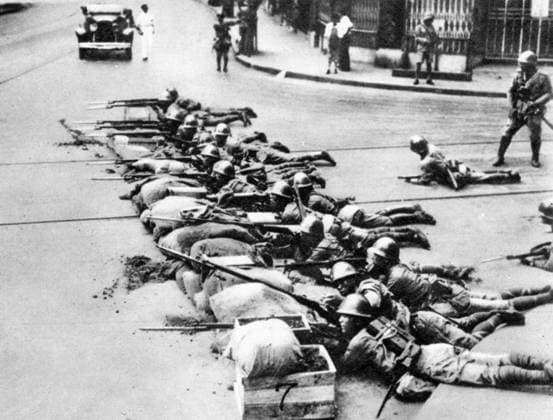
  • CHINA: JAPANESE INVASION. Japanese marines fighting in the streets of Shanghai behind a sandbag barricade, September 1937.  Copyright: xGRANGERx xGRANGERx 0065089
  • CHINA: JAPANESE INVASION. A Japanese post in Tientsin, where heavy fighting took place, August 1937.  Copyright: xGRANGERx xGRANGERx 0065088
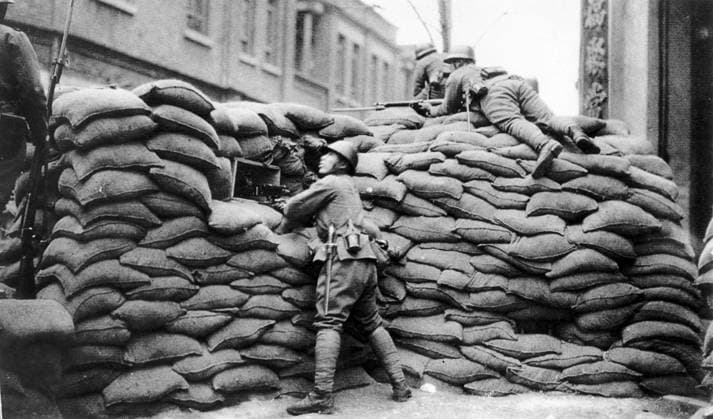
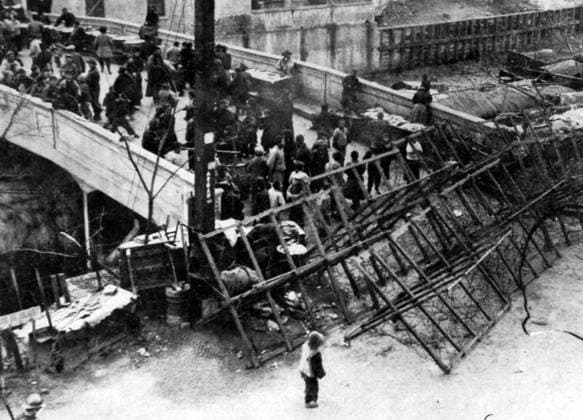
  • China: A barricade hastily erected by the British at the Shanghai International Settlement during the Japanese invasion of Shanghai in 1937. Following the Marco Polo Bridge Incident in July 1937, the Battle of Shanghai broke out between the Nationalist army of China and Imperial Japan. It became the catalyst and one of the bloodiest battles of the Second Sino-Japanese War, which continued until Japan s defeat in 1945 to end World War II. After conquering Shanghai in 1937, the Japanese installed a puppet government known as the Dadao Municipal Government of Shanghai, proclaimed in Pudong on 5 December 1937 to administer Japanese-occupied Shanghai in the early stages of the Second Sino-Japanese War. Copyright: xxPicturesxFromxHistoryx
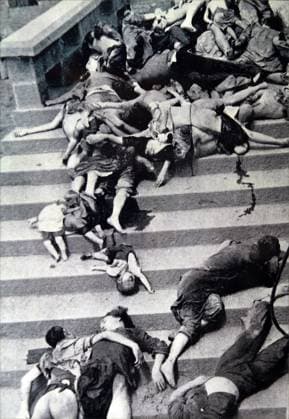
  • During and after the Second Sino-Japanese War, from 1938 to 1943, the city of Chongqing, suffered from continuous terror bombing by the Japanese air force. Chongqing was acclaimed to be the City of Heroes due to the indomitable spirits of its people as well as their contributions and sacrifices during World War II., Copyright: xUnitedxArchivesx xWorldxHistoryxArchivex WHA_179_0402 EDITORIAL USE ONLY !ACHTUNG AUFNAHMEDATUM GESCHÄTZT!
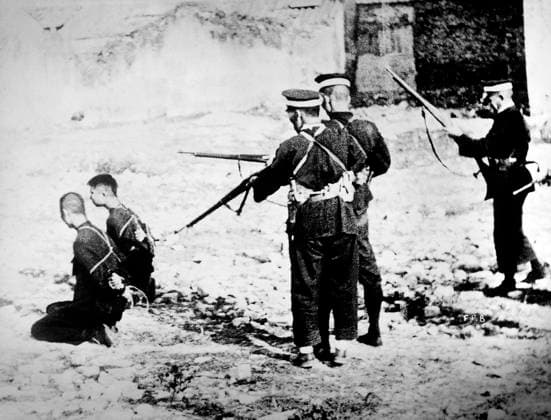
  • Execution of Two Chinese Men by Japanese Soldiers during Second Sino-Japanese War, 1937  Copyright: xABxArchivex jtv003605
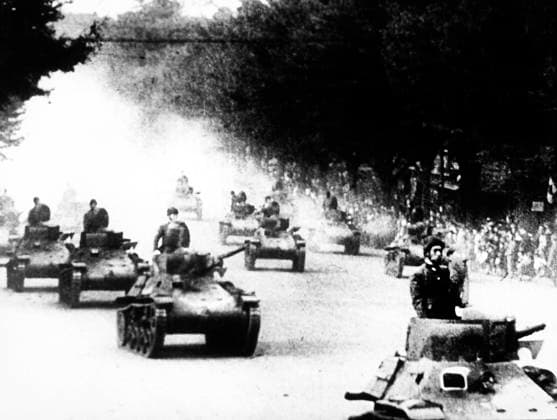
  • Japanese Tanks in China during Second Sino-Japanese War, 1937  Copyright: xABxArchivex jtv003542
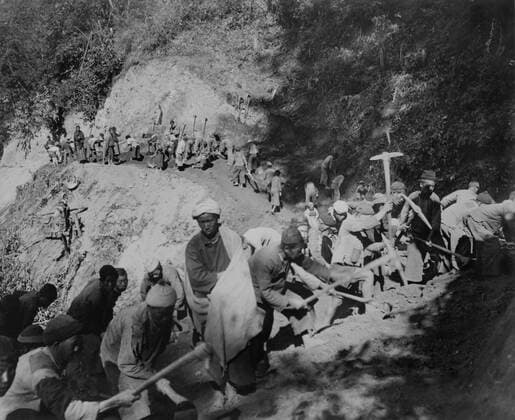
  • Chinese laborers building the Burma Road in southwest China, 1944. The road opened in Jan. 1945, allowing land transport from Ledo, India. Second Sino-Japanese War World War 2. (BSLOC_2013_14_81) Courtesy Everett Collection PUBLICATIONXNOTxINxCANxCHNxFRAxITAxJPNxNORxPOLxRUSxESPxUKxUSA Copyright: xCourtesyxEverettxCollectionx HISL037 EC059
Page 1 of 2