EditorialCreativeSportsCollectionsVideos
Prices
0Log in

Visual content for professionals.
800M+ images and videos.

Content Hub

  • Current Events
  • Pictures of the Year
  • Sports
  • Editorial
  • Creative
  • Collections
  • Videos

Offers

  • Prices & Packages
  • Promotions
  • Enterprise
  • Newsletter
  • Blog
  • The Game Magazine

Services

  • Content Research
  • Contract Photography
  • API & FTP Push
  • my-picturemaxx
  • Become a Partner

Company

  • About IMAGO
  • Careers
  • News

Help Center

  • FAQ
  • Contact Us
Legal NoticeTerms & ConditionsLicense InformationData PrivacyPrivacy Settings
© 2026 IMAGO
CEPICBAPLABVPA
Back to collections

Researchers aim to refreeze the melting Arctic, archive images

Jun 17, 2026

The following photos have been selected for you by the IMAGO picture desk on this topic. For more pictures please use the search function.
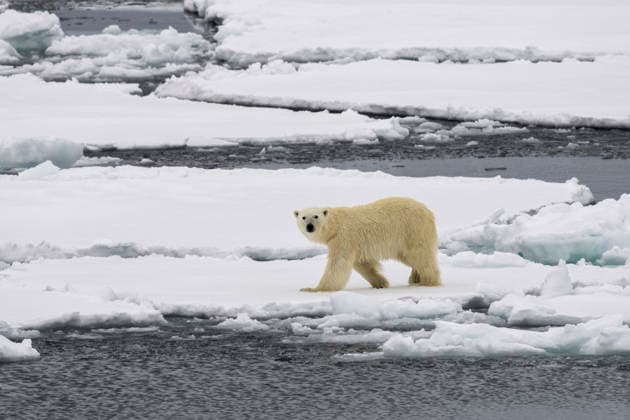
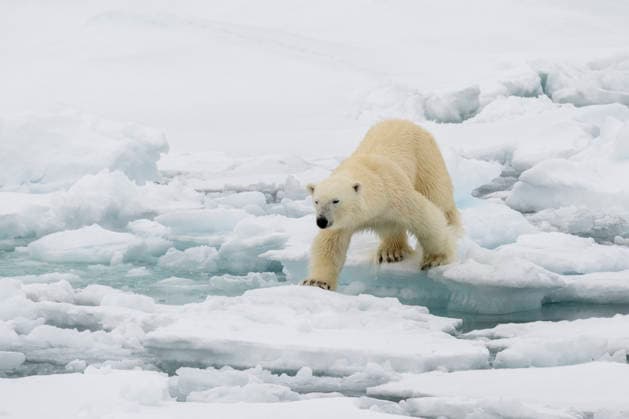
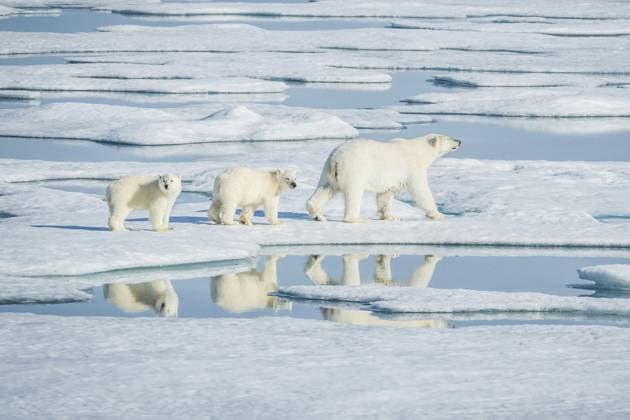
  • Polar bear (Ursus maritimus) on sea ice, off the coast of Svalbard, Arctic sea, Norway. Svalbard Archipelago Svalbard Norway Copyright: xSergioxPitamitzx xVWPicsx SSH-RM-NO2506080470
  • Polar bear (Ursus maritimus) on sea ice, off the coast of Svalbard, Arctic sea, Norway. Svalbard Archipelago Svalbard Norway Copyright: xSergioxPitamitzx xVWPicsx SSH-RM-NO2506080481
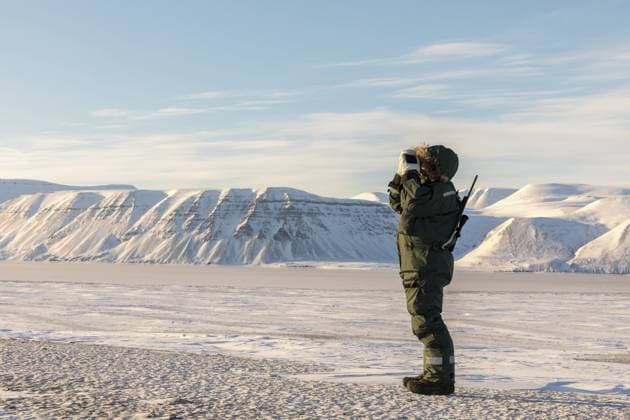
  • Ein Mann mit Gewehr und Fernglas blickt auf den Horizont in der arktischen Landschaft in Billefjorden, Spitzbergen in Norwegen. Eisbären besuchen dieses Gebiet, und das Gewehr ist im Falle eines Angriffs notwendig, auch wenn es sehr selten ist Man with a rifle and binoculars looks out on the horizon in arctic landscape in Billefjorden, Svalbard in Norway. Polar bears visit this area, and the rifle is necessary in case of an attack, even if it is very rare Copyright: imageBROKER LillianxTveit ibxiqx15340840.jpg
  • Eisbär, nordarktisches Raubtier. Eisbär im natürlichen Lebensraum Polar bear, northern arctic predator. Polar bear in natural habitat Copyright: imageBROKER AndreyxNyrkov ibxiqx15341701.jpg
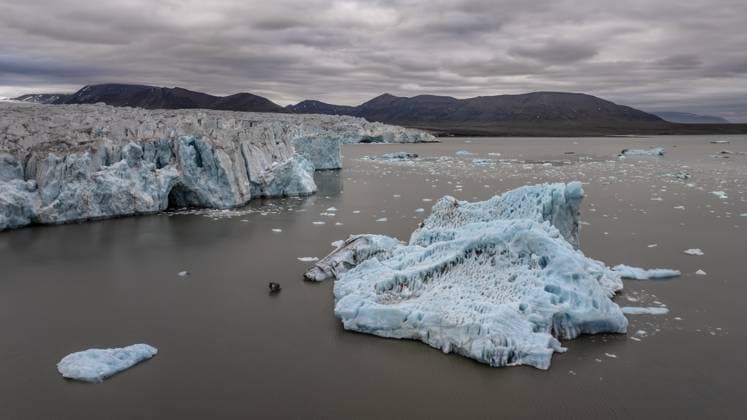
  • Arctic Ocean melts into Atlantic Ocean due to global warming SVALBARD, ARCTIC OCEAN - JULY 23: A view of Svalbard and surrounding glaciers during the 4th National Arctic Scientific Research Expedition on Arctic Ocean on July 23, 2024. Turkiye s fourth National Arctic Scientific Research Expedition, comprising an 11-member team, identified the decreasing sea ice due to global climate change through sampling, evaluation, observation and unmanned aerial vehicles. Under the auspices of the Turkish Presidency and Ministry of Industry and Technology, and coordinated by TUBITAK MAM Polar Research Institute, scientists observed the a decrease in sea ice as much as 1 in 8 of Turkiye s size from June 2023 to 2024. Antarctica World. Editorial use only  Copyright: x2025xAnadoluxÅžebnemxCoÅükunx
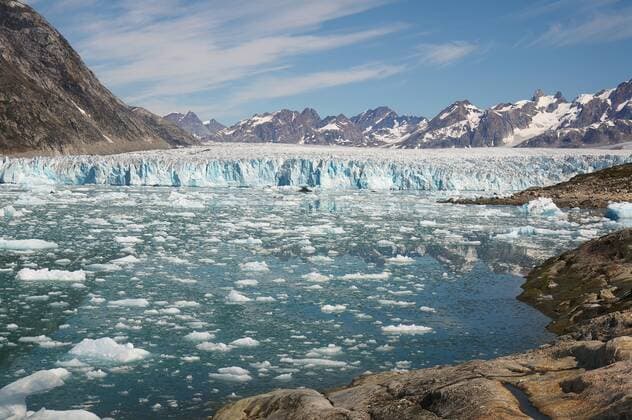
  • Front eines Gletschers, Eisberge im Wasser, Knud Rasmussen Gletscher, Arktis, Grönland, Dänemark, Nordamerika *** Front of glacier, icebergs in water, Knud Rasmussen glacier, Arctic, Greenland, Denmark, North America Copyright: imageBROKER ReinhardxPantke ibxrpa07207830.jpg
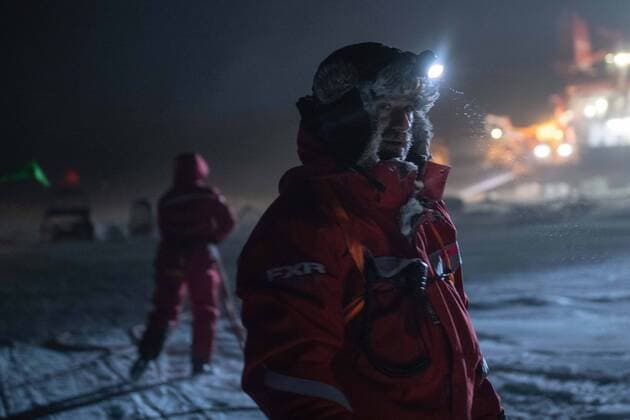
  • November 17, 2019, Arctic Sea, Arctic: CHRISTIAN ZOELLY, polar bear guard near the Polarstern. MOSAiC is the largest polar expedition in history: in September 2019, the German research icebreaker Polarstern has set sail from Tromso, Norway, to spend a year drifting through the Arctic Ocean, trapped in ice. The goal of the MOSAiC expedition is to take the closest look ever at the Arctic as the epicenter of global warming and to gain fundamental insights that are key to better understand global climate change. Hundreds of researchers from 20 countries are involved in this exceptional endeavor. Following in the footsteps of Fridtjof Nansen s ground-breaking expedition with his wooden sailing ship Fram in 1893-1896, the MOSAiC expedition will bring a modern research icebreaker close to the north pole for a full year including for the first ti - ZUMAz03_ 20191117_rep_z03_124 Copyright: xEstherxHorvathx
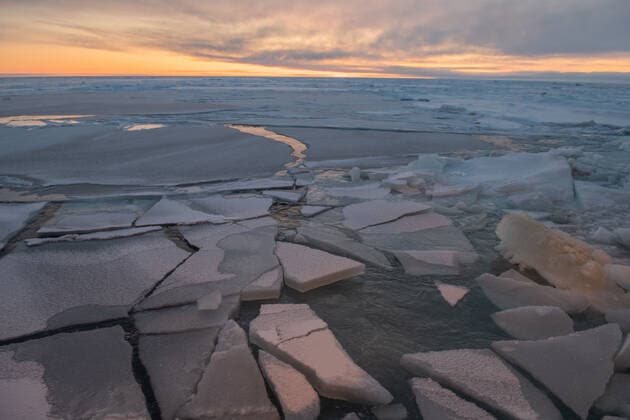
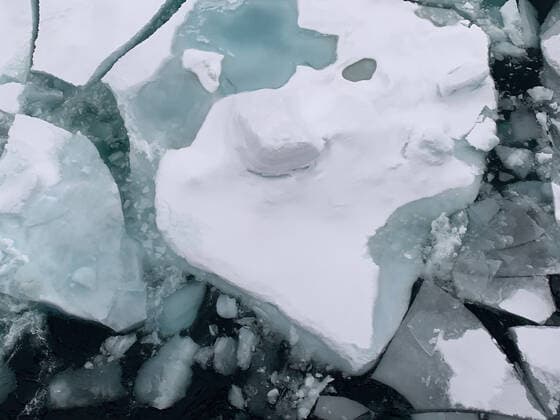
  • September 29, 2019, Arctic Sea, Arctic: Sea ice on Arctic Ocean. MOSAiC is the largest polar expedition in history: in September 2019, the German research icebreaker Polarstern has set sail from Tromso, Norway, to spend a year drifting through the Arctic Ocean, trapped in ice. The goal of the MOSAiC expedition is to take the closest look ever at the Arctic as the epicenter of global warming and to gain fundamental insights that are key to better understand global climate change. Hundreds of researchers from 20 countries are involved in this exceptional endeavor. Following in the footsteps of Fridtjof Nansen s ground-breaking expedition with his wooden sailing ship Fram in 1893-1896, the MOSAiC expedition will bring a modern research icebreaker close to the north pole for a full year including for the first time in polar winter. The data g - ZUMAz03_ 20191029_arc_z03_088 Copyright: xEstherxHorvathx
  • September 25, 2019, Arctic Sea, Arctic: Polarstern reaches the ice edge on the Laptev Sea. MOSAiC is the largest polar expedition in history: in September 2019, the German research icebreaker Polarstern has set sail from Tromso, Norway, to spend a year drifting through the Arctic Ocean, trapped in ice. The goal of the MOSAiC expedition is to take the closest look ever at the Arctic as the epicenter of global warming and to gain fundamental insights that are key to better understand global climate change. Hundreds of researchers from 20 countries are involved in this exceptional endeavor. Following in the footsteps of Fridtjof Nansen s ground-breaking expedition with his wooden sailing ship Fram in 1893-1896, the MOSAiC expedition will bring a modern research icebreaker close to the north pole for a full year including for the first time i - ZUMAz03_ 20191029_arc_z03_085 Copyright: xSebastianxGrotex
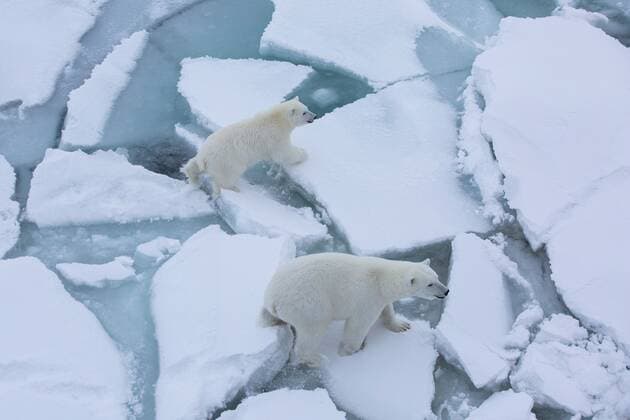
  • October 4, 2019, Arctic Sea, Arctic: Polar bear mother and cub get close research vessel Polarstern. MOSAiC is the largest polar expedition in history: in September 2019, the German research icebreaker Polarstern has set sail from Tromso, Norway, to spend a year drifting through the Arctic Ocean, trapped in ice. The goal of the MOSAiC expedition is to take the closest look ever at the Arctic as the epicenter of global warming and to gain fundamental insights that are key to better understand global climate change. Hundreds of researchers from 20 countries are involved in this exceptional endeavor. Following in the footsteps of Fridtjof Nansen s ground-breaking expedition with his wooden sailing ship Fram in 1893-1896, the MOSAiC expedition will bring a modern research icebreaker close to the north pole for a full year including for the fi - ZUMAz03_ 20191004_arc_z03_028 Copyright: xEstherxHorvathx