EditorialCreativeSportsCollectionsVideos
Prices
0Log in

Visual content for professionals.
800M+ images and videos.

Content Hub

  • Current Events
  • Pictures of the Year
  • Sports
  • Editorial
  • Creative
  • Collections
  • Videos

Offers

  • Prices & Packages
  • Promotions
  • Enterprise
  • Newsletter
  • Blog
  • The Game Magazine

Services

  • Content Research
  • Contract Photography
  • API & FTP Push
  • my-picturemaxx
  • Become a Partner

Company

  • About IMAGO
  • Careers
  • News

Help Center

  • FAQ
  • Contact Us
Legal NoticeTerms & ConditionsLicense InformationData PrivacyPrivacy Settings
© 2026 IMAGO
CEPICBAPLABVPA
Back to collections

Debris from a SpaceX rocket has struck the Moon

Aug 5, 2026

The following photos have been selected for you by the IMAGO picture desk on this topic. For more pictures please use the search function.
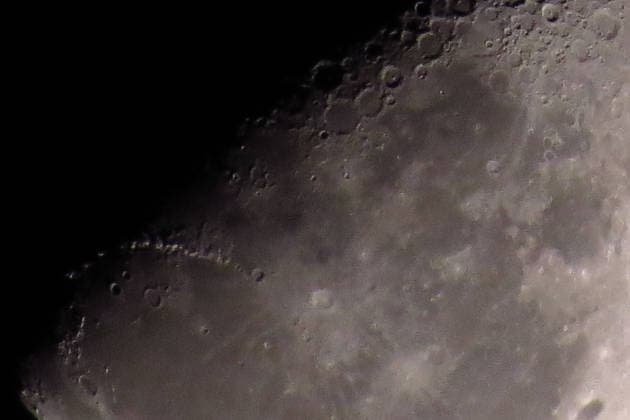
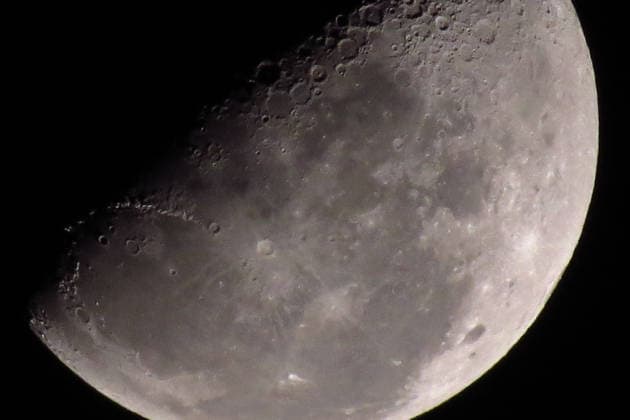
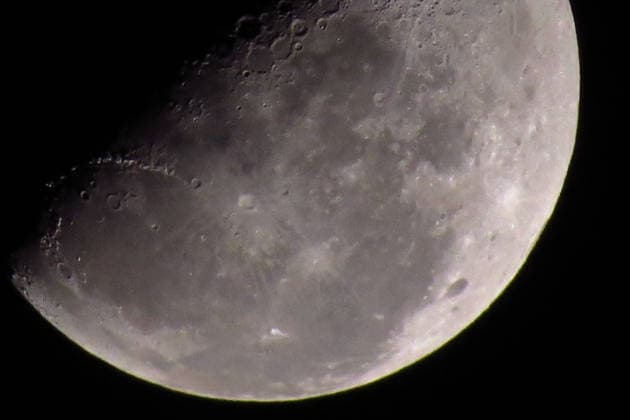
  • August 5, 2026, Sao Paulo, Sao Paulo, Brazil: Moon in August 5, 2026. SpaceX Falcon 9 lunar impact was not visible to thousands of people with telescopes and live streams on youtube. The collision hit the moon 06:35 UTC on August 5, 2026, near Einstein Crater. The 4-ton booster strikes at 5,400 mph (8.700 km h), it releases energy equal to 3 tons of TNT. August 5, 2026, in Sao Paulo, Brazil. Sao Paulo Brazil  - ZUMAd222 20260805_znp_d222_004 Copyright: xSauloxDiasx
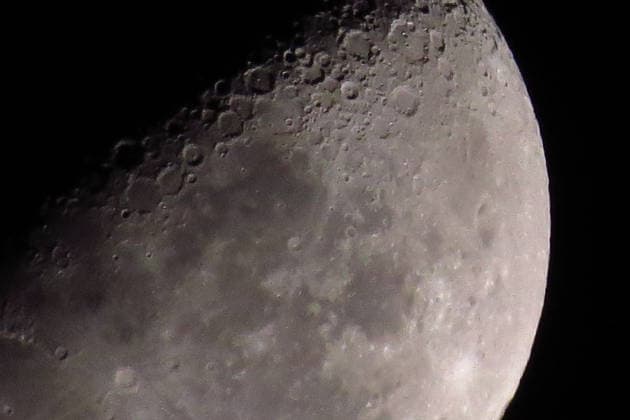
  • August 5, 2026, Sao Paulo, Sao Paulo, Brazil: Moon in August 5, 2026. SpaceX Falcon 9 lunar impact was not visible to thousands of people with telescopes and live streams on youtube. The collision hit the moon 06:35 UTC on August 5, 2026, near Einstein Crater. The 4-ton booster strikes at 5,400 mph (8.700 km h), it releases energy equal to 3 tons of TNT. August 5, 2026, in Sao Paulo, Brazil. Sao Paulo Brazil  - ZUMAd222 20260805_znp_d222_003 Copyright: xSauloxDiasx
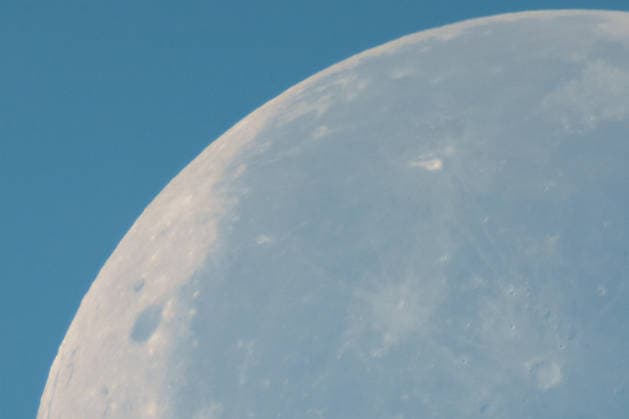
  • August 5, 2026, Sao Paulo, Sao Paulo, Brazil: Moon in August 5, 2026. SpaceX Falcon 9 lunar impact was not visible to thousands of people with telescopes and live streams on youtube. The collision hit the moon 06:35 UTC on August 5, 2026, near Einstein Crater. The 4-ton booster strikes at 5,400 mph (8.700 km h), it releases energy equal to 3 tons of TNT. August 5, 2026, in Sao Paulo, Brazil. Sao Paulo Brazil  - ZUMAd222 20260805_znp_d222_002 Copyright: xSauloxDiasx
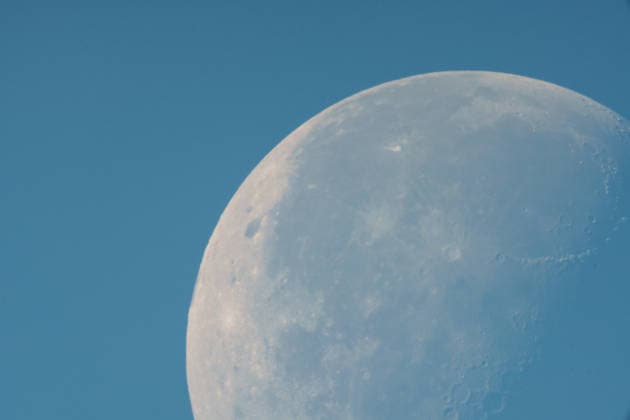
  • August 5, 2026, Sao Paulo, Sao Paulo, Brazil: Moon in August 5, 2026. SpaceX Falcon 9 lunar impact was not visible to thousands of people with telescopes and live streams on youtube. The collision hit the moon 06:35 UTC on August 5, 2026, near Einstein Crater. The 4-ton booster strikes at 5,400 mph (8.700 km h), it releases energy equal to 3 tons of TNT. August 5, 2026, in Sao Paulo, Brazil. Sao Paulo Brazil  - ZUMAd222 20260805_znp_d222_001 Copyright: xSauloxDiasx
  • German astronomers observe the Moon while expecting Falcon 9 lunar impact. Germany - Kassel, 05.08.2026 The Moon during the morning hours as the Astronomical Working Group Kassel (Astronomischen Arbeitskreis Kassel e.V.) observe the Moon surface from their platform of the Observatory Kassel, during an international observation campaign following the predicted impact of a SpaceX Falcon 9 upper stage near the lunar Einstein crater. Astronomers around the world attempted to record the artificial lunar impact, which was expected after a discarded rocket stage entered a collision course with the Moon. Due to the observation conditions from Germany, no visible flash or ejecta plume could be detected. The observation was carried out using a Schae
  • German astronomers observe the Moon while expecting Falcon 9 lunar impact. Germany - Kassel, 05.08.2026 The Moon during the morning hours as the Astronomical Working Group Kassel (Astronomischen Arbeitskreis Kassel e.V.) observe the Moon surface from their platform of the Observatory Kassel, during an international observation campaign following the predicted impact of a SpaceX Falcon 9 upper stage near the lunar Einstein crater. Astronomers around the world attempted to record the artificial lunar impact, which was expected after a discarded rocket stage entered a collision course with the Moon. Due to the observation conditions from Germany, no visible flash or ejecta plume could be detected. The observation was carried out using a Schae
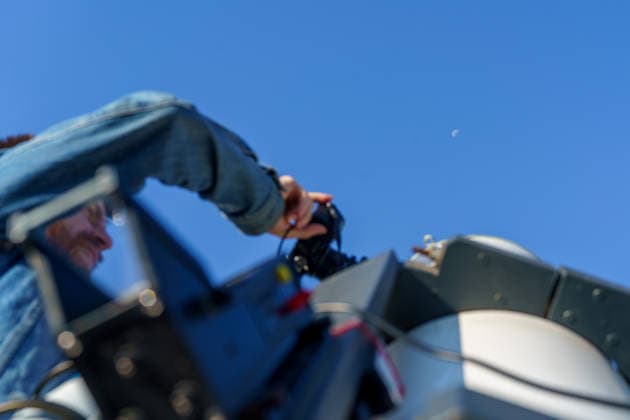
  • German astronomers observe the Moon while expecting Falcon 9 lunar impact. Germany - Kassel, 05.08.2026 Mark Woskowski from the Astronomical Working Group Kassel (Astronomischen Arbeitskreis Kassel e.V.) adjusts the telescope to observe the Moon surface from their platform of the Observatory Kassel, during an international observation campaign following the predicted impact of a SpaceX Falcon 9 upper stage near the lunar Einstein crater. Astronomers around the world attempted to record the artificial lunar impact, which was expected after a discarded rocket stage entered a collision course with the Moon. Due to the observation conditions from Germany, no visible flash or ejecta plume could be detected. Hesse
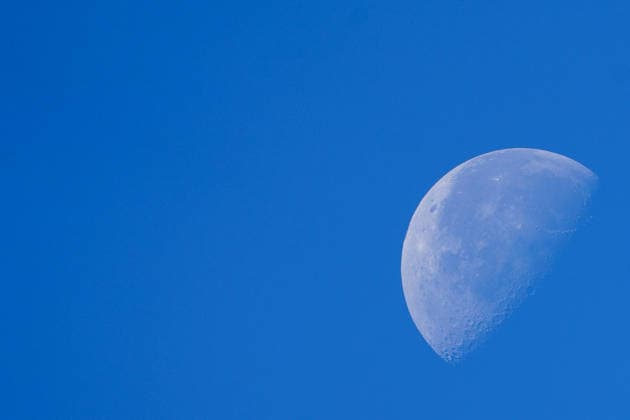
  • German astronomers observe the Moon while expecting Falcon 9 lunar impact. Germany - Kassel, 05.08.2026 The Moon during the morning hours as the Astronomical Working Group Kassel (Astronomischen Arbeitskreis Kassel e.V.) observe the Moon surface from their platform of the Observatory Kassel, during an international observation campaign following the predicted impact of a SpaceX Falcon 9 upper stage near the lunar Einstein crater. Astronomers around the world attempted to record the artificial lunar impact, which was expected after a discarded rocket stage entered a collision course with the Moon. Due to the observation conditions from Germany, no visible flash or ejecta plume could be detected. Hesse
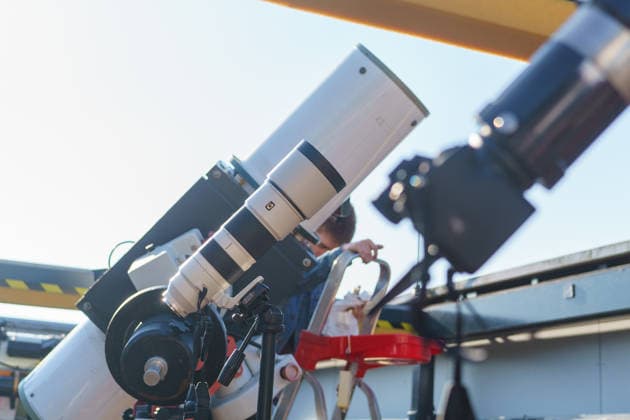
  • German astronomers observe the Moon while expecting Falcon 9 lunar impact. Germany - Kassel, 05.08.2026 The Astronomical Working Group Kassel (Astronomischen Arbeitskreis Kassel e.V.) observe the Moon surface from their platform of the Observatory Kassel, during an international observation campaign following the predicted impact of a SpaceX Falcon 9 upper stage near the lunar Einstein crater. Astronomers around the world attempted to record the artificial lunar impact, which was expected after a discarded rocket stage entered a collision course with the Moon. Due to the observation conditions from Germany, no visible flash or ejecta plume could be detected. Hesse